Goya Museum (Camón Aznar)
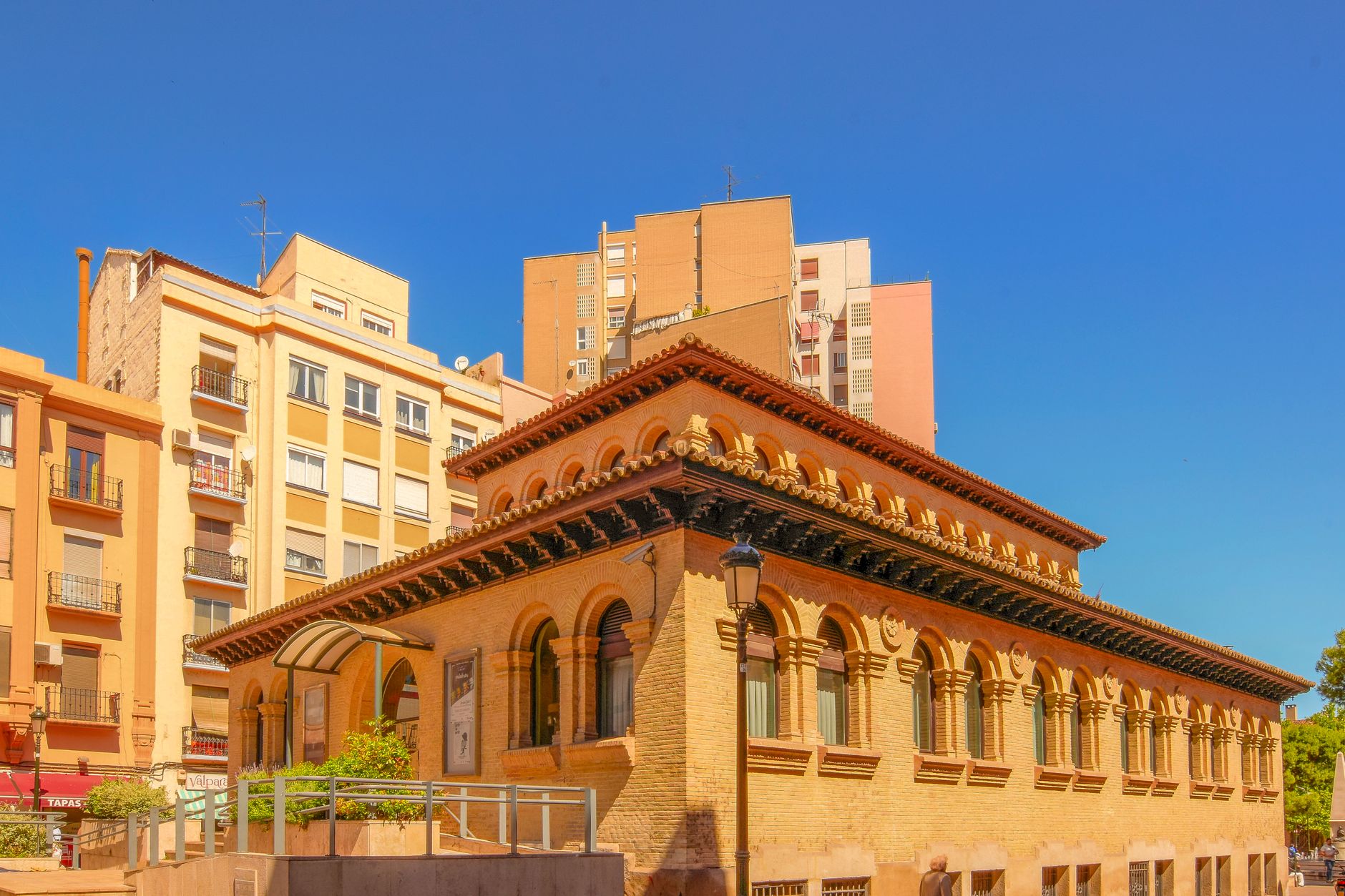
Goya was born near here; the museum explains him. The etching rooms are the best part. Pair with the Pilar's Goya frescos.
The world's largest Goya collection outside the Prado — paintings, the full print series (Caprichos, Disasters of War), in an 18th-century palace.
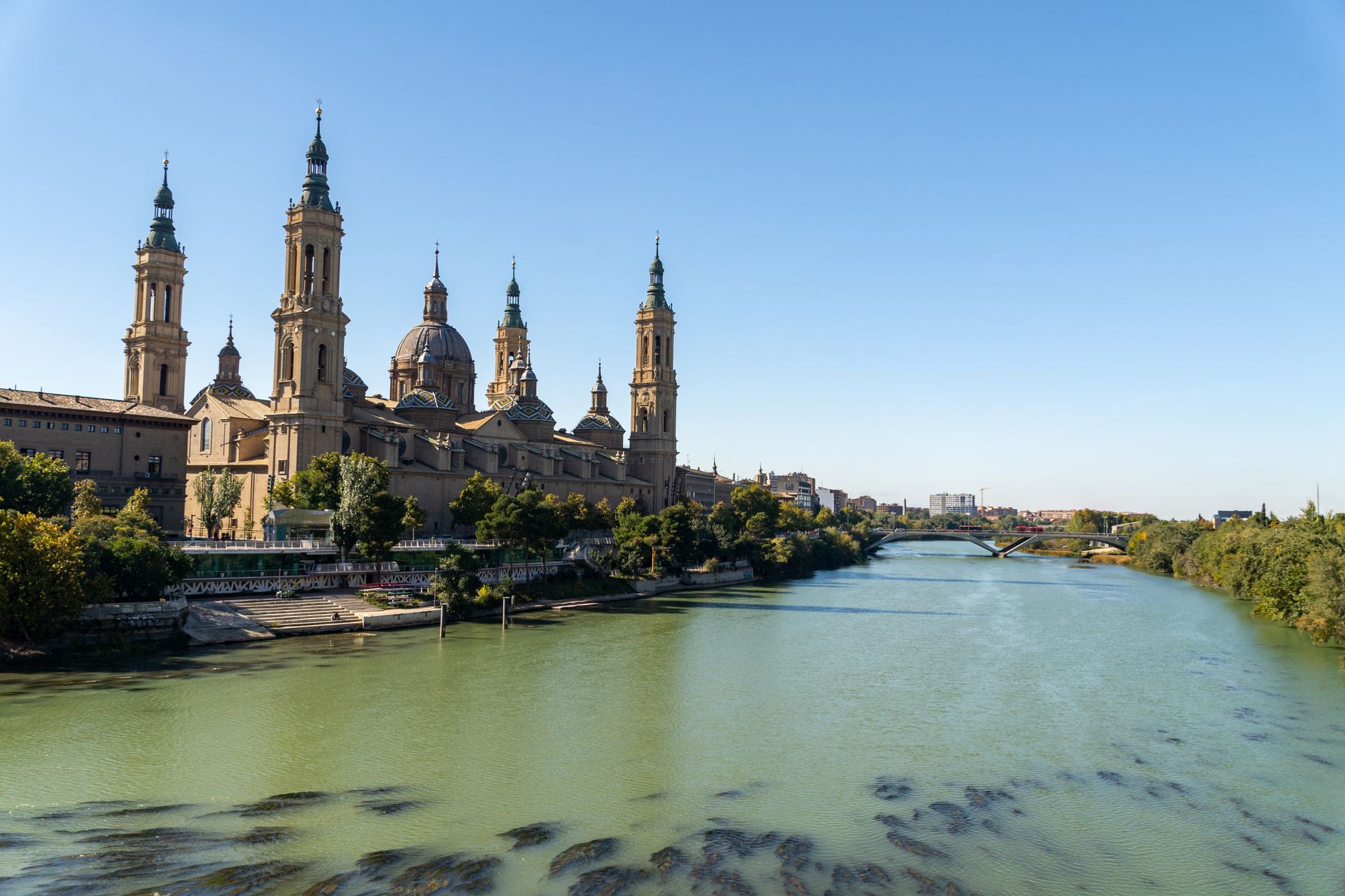
La Seo (San Salvador) Cathedral · Basílica del Pilar · Aljafería Palace
At a Glance
- — You don't like Goya
Housed in an 18th-century palace, this collection puts you in front of Zaragoza's most famous son. You can trace his prints from the biting social commentary of the early series to the dark energy of the late engravings. The rooms are arranged so you can follow the evolution of his style in quiet, and to see a painter who read Spain's beauty and ugliness with unusual clarity.
How it got here
The building stands as a testament to the mercantile prosperity of Renaissance Zaragoza, constructed by the merchant Jerónimo Cósida. This Palacio de los Pardo retains the structural gravity of a period when the city served as a nexus for trade between the Iberian interior and the Mediterranean coast. Its transformation into a repository for the works of Francisco de Goya y Lucientes brings the artistic output of the eighteenth century into the domestic scale of a private home. The rooms hold the etching series that trace the transition from the light of the Enlightenment to the profound shadows of the Peninsular War.
Where it sits
Zaragoza occupies the Ebro valley, a landscape shaped by the river and the dry, continental winds that sweep across the plain. The city functions as a bridge between the Pyrenees to the north and the Sistema Ibérico to the south. Visitors arrive by high-speed rail or through the stark, arid plateaus that define this stretch of Aragón. Summer heat bakes the sandstone architecture, while winter brings the piercing Cierzo wind that clears the sky but demands heavy coats. The streets surrounding this collection follow the tight, irregular medieval grid of the historic center.
What to eat and drink
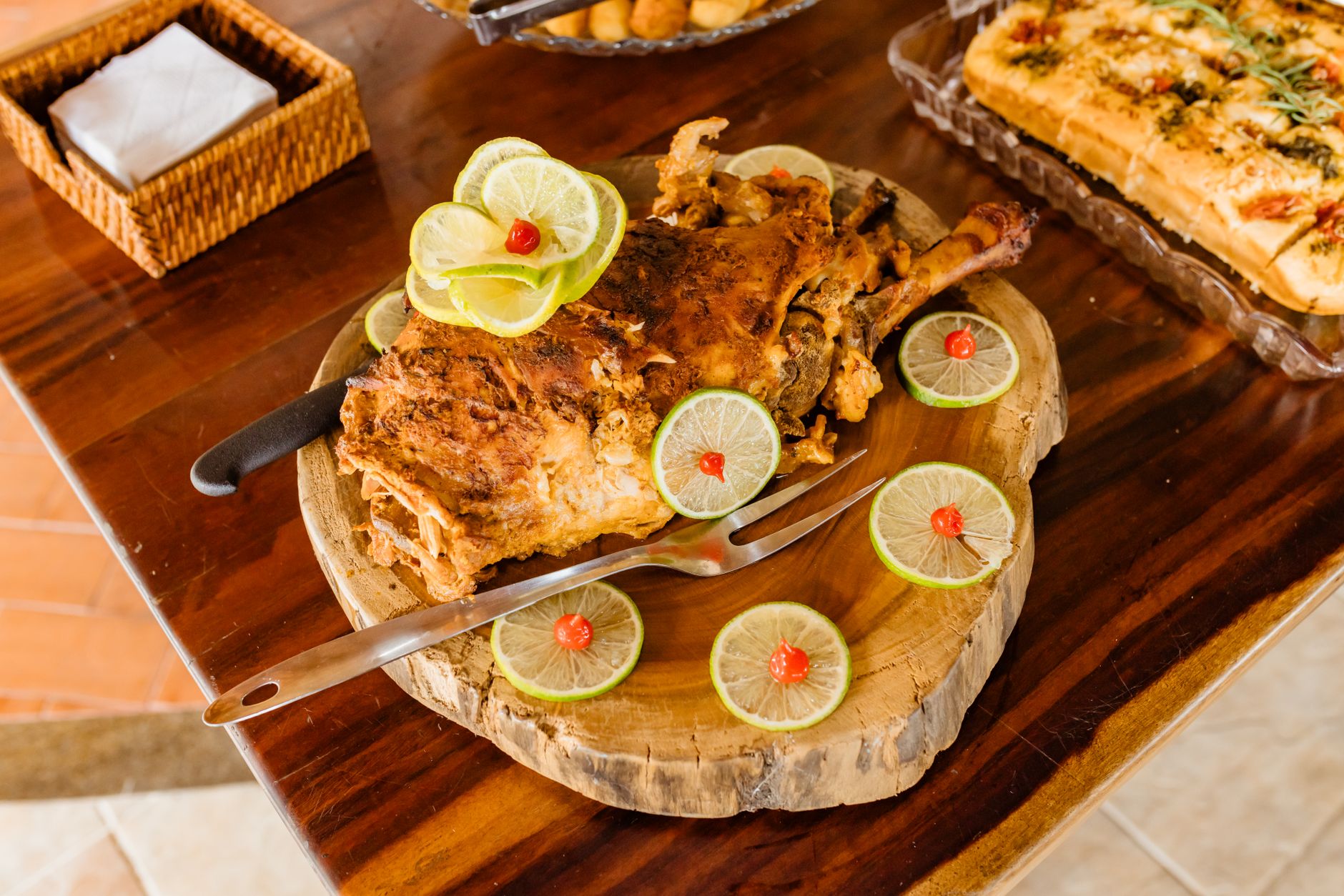
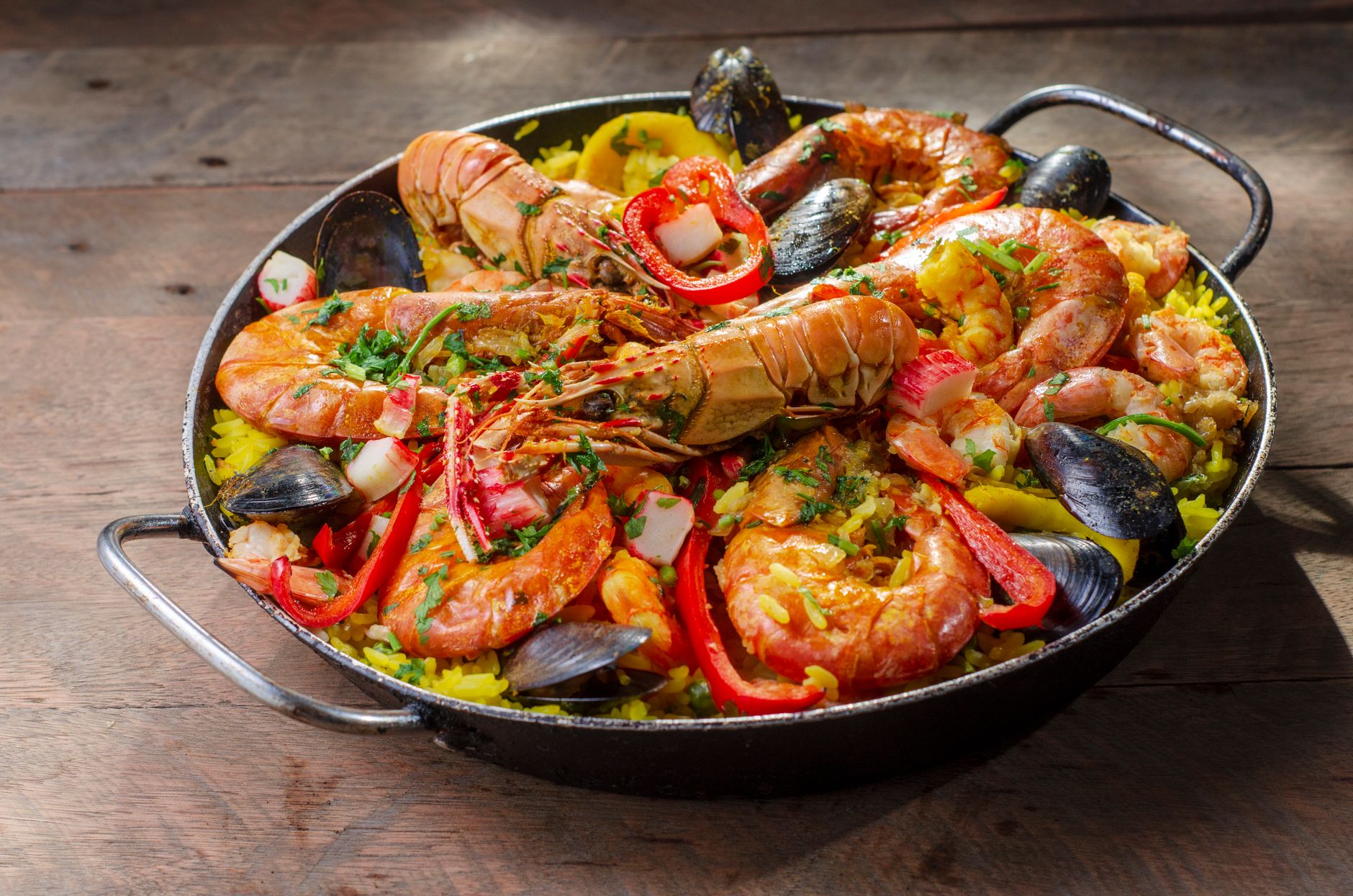
The local cuisine relies on the products of the Ebro valley and the high pastures of the neighboring sierra. Borage, a green vegetable often served steamed with olive oil and garlic, defines the seasonal table. Bacalao al ajoarriero, salt cod stewed with garlic, peppers, and tomatoes, provides the salt-cured foundation of the regional diet. To finish, one finds Frutas de Aragón, pieces of candied fruit dipped in dark chocolate. A glass of deep red wine from the Cariñena or Campo de Borja denominations accompanies these plates, mirroring the intensity of the landscape.
Aragón: the whole region
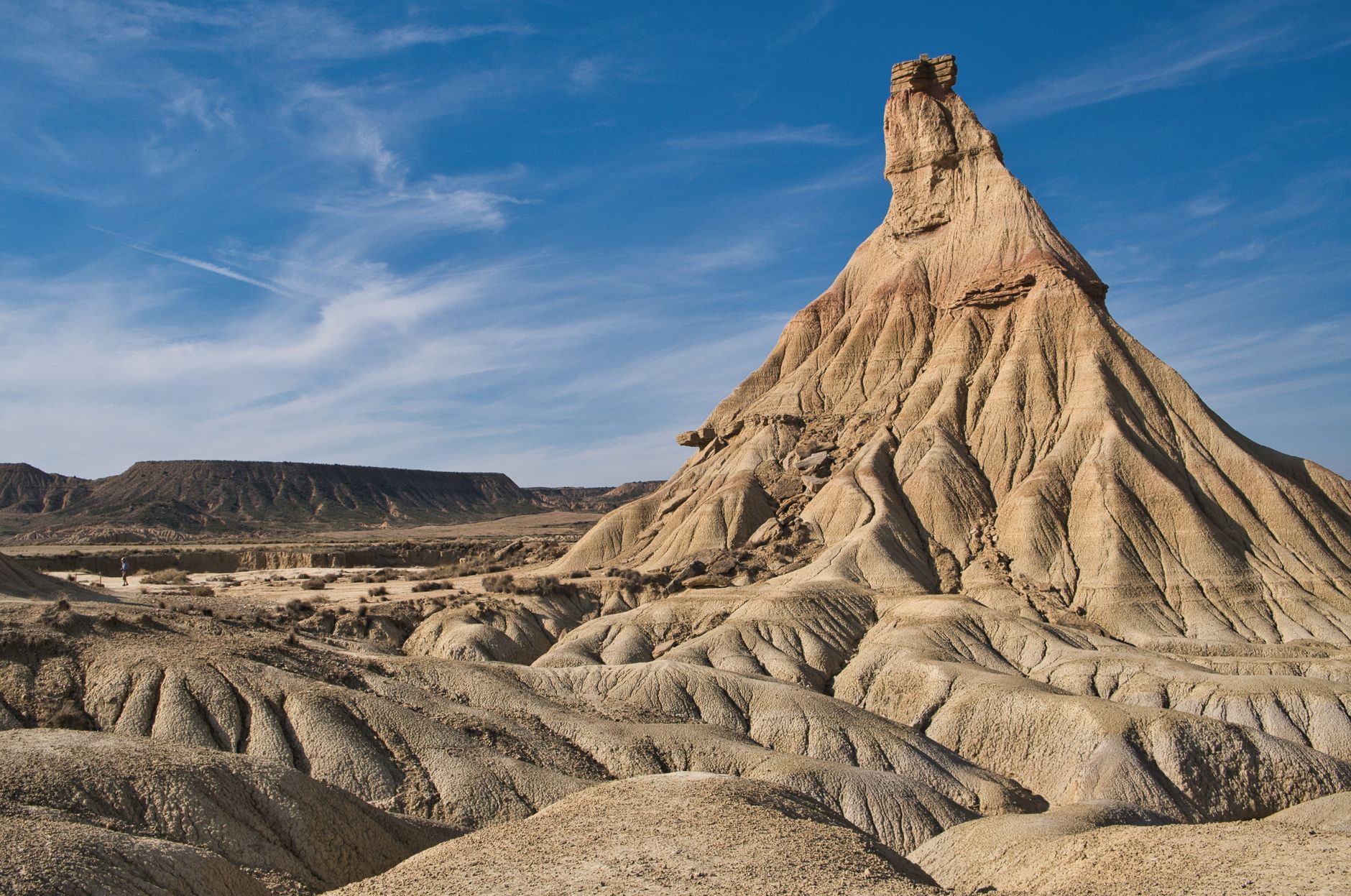
Three landscapes in one region: the Pyrenees and their canyons in the north, the dry Ebro plain with Zaragoza at its centre, and the high, empty south where Teruel's villages and the Maestrazgo stand. It is the least-visited half of…
Minimum 4 days · better 7-8 days · deep 10-12 days
What's Nearby

Pair It With

In Aragón

In Aragón

In Aragón


Logistics are verified only. We don't publish schedules we haven't confirmed.
Experiences worth booking ahead
Spain Field Guide may earn a commission when you book through selected links. Recommendations are editorial and independent of commission.
Ready to build Goya Museum (Camón Aznar) into a trip?
You've found a place worth going. When you're ready to turn discovery into an itinerary, Travel Itinerary Co picks up where the Field Guide leaves off — with your saved places already in hand.
Build this into a tripContinues on Travel Itinerary Co
Spain Field Guide may earn a commission when you book through selected links. Recommendations are editorial and independent of commission.