Campo de Borja

The Garnacha stop between Rioja and Zaragoza. Borsao (Bodegas Borsao) is the headline. A half-day detour from the Somontano route.
The 'Empire of Garnacha' — Aragón's Garnacha heartland on the Ebro's southern bank, making old-vine rosé and reds at some of Spain's best price-to-quality ratios.
At a Glance
- — You don't like Garnacha
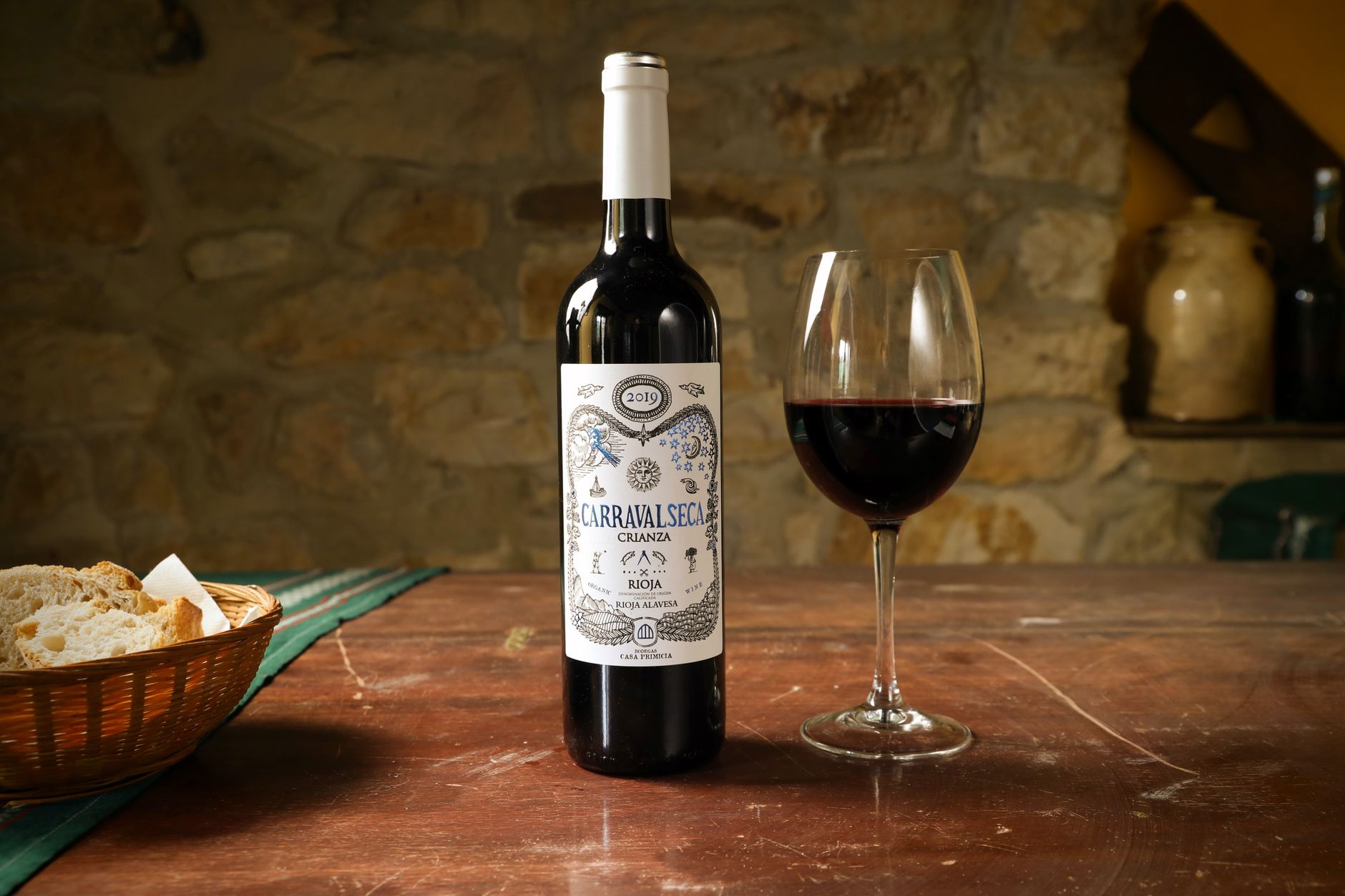
The Campo de Borja stretches across the Ebro's dry southern bank and is the heartland of Spanish Garnacha. Century-old vines claw through rocky, sun-baked ground to make potent reds and rosés that sell well below their quality. Late summer here is dry and shimmering, and the wines carry that intensity. Cooperatives and family estates dominate, favoring raw fruit over the polish of more famous, more expensive regions.
How it got here
Borja fell to the forces of Alfonso I of Aragón in 1120 during the reconquest of the Ebro valley. This frontier territory shifted hands between the crowns of Aragón and Castile during centuries of border disputes. The town gained prominence under the rule of the lords of Borja, an aristocratic house that later produced two popes. The lineage influenced local land management for generations, encouraging the cultivation of vines across the rocky plateau. Today the persistence of these ancient viticultural practices defines the agricultural economy, with local cooperatives maintaining the traditional land divisions established when the area served as a fortified outpost against neighboring kingdoms.
Where it sits
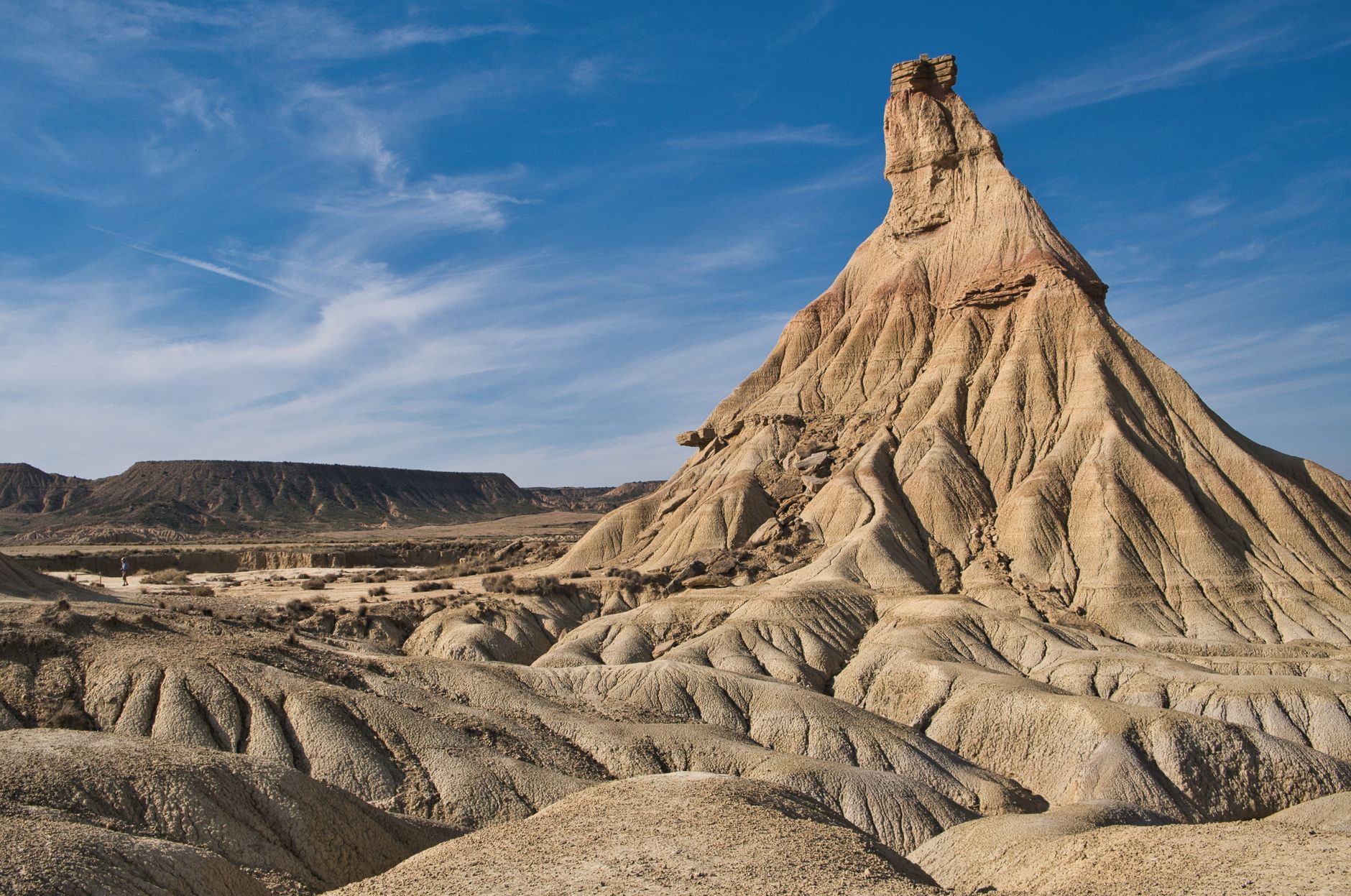
Dry winds sweep across the Ebro valley to scrape the rocky terrain of this plateau. Stone soils and intense summer heat force vine roots deep into the limestone crust. The landscape shifts from arid plains to the base of the Moncayo mountain range, where the weather turns unpredictable and cold. Roads wind through isolated villages and terraces carved into the slopes. Traffic remains sparse except during the autumn harvest. Spring rains bring a brief flush of green to the hills, but the ground hardens into baked clay by July, mirroring the severe climate of the broader Aragonese interior.
What to eat and drink
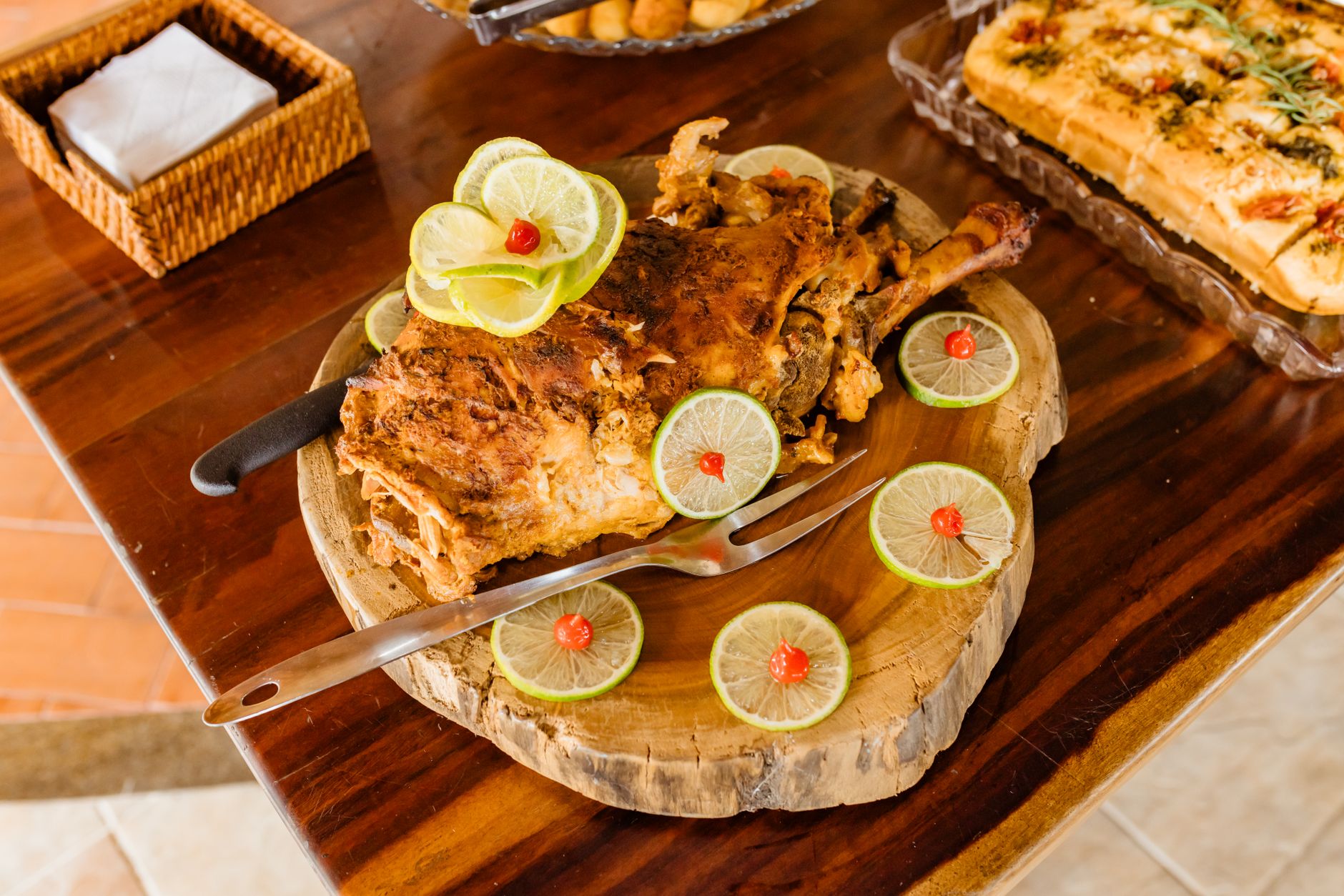
Garnacha dominates the cellar, producing wines with dark fruit profiles and structured tannins. The local diet relies on the proximity of the Moncayo slopes and the bounty of the Ebro. Ternasco, young milk-fed lamb, arrives roasted until the skin crisps. Boliches de Embún, a variety of white bean, appear in slow-cooked stews flavored with pork. Borraja, a native vegetable with fleshy leaves, appears boiled with potatoes and olive oil. Confectionery tradition follows the monastic history of the region, specifically small almond-based pastries baked in local ovens that rely on century-old techniques and basic, unadorned ingredients.
Aragón: the whole region
Three landscapes in one region: the Pyrenees and their canyons in the north, the dry Ebro plain with Zaragoza at its centre, and the high, empty south where Teruel's villages and the Maestrazgo stand. It is the least-visited half of…
Minimum 4 days · better 7-8 days · deep 10-12 days

Pair It With


In Aragón

In Aragón





Logistics are verified only. We don't publish schedules we haven't confirmed.
Appears In
Ready to build Campo de Borja into a trip?
You've found a place worth going. When you're ready to turn discovery into an itinerary, Travel Itinerary Co picks up where the Field Guide leaves off — with your saved places already in hand.
Build this into a tripContinues on Travel Itinerary Co
Spain Field Guide may earn a commission when you book through selected links. Recommendations are editorial and independent of commission.