Mercado Central de Zaragoza
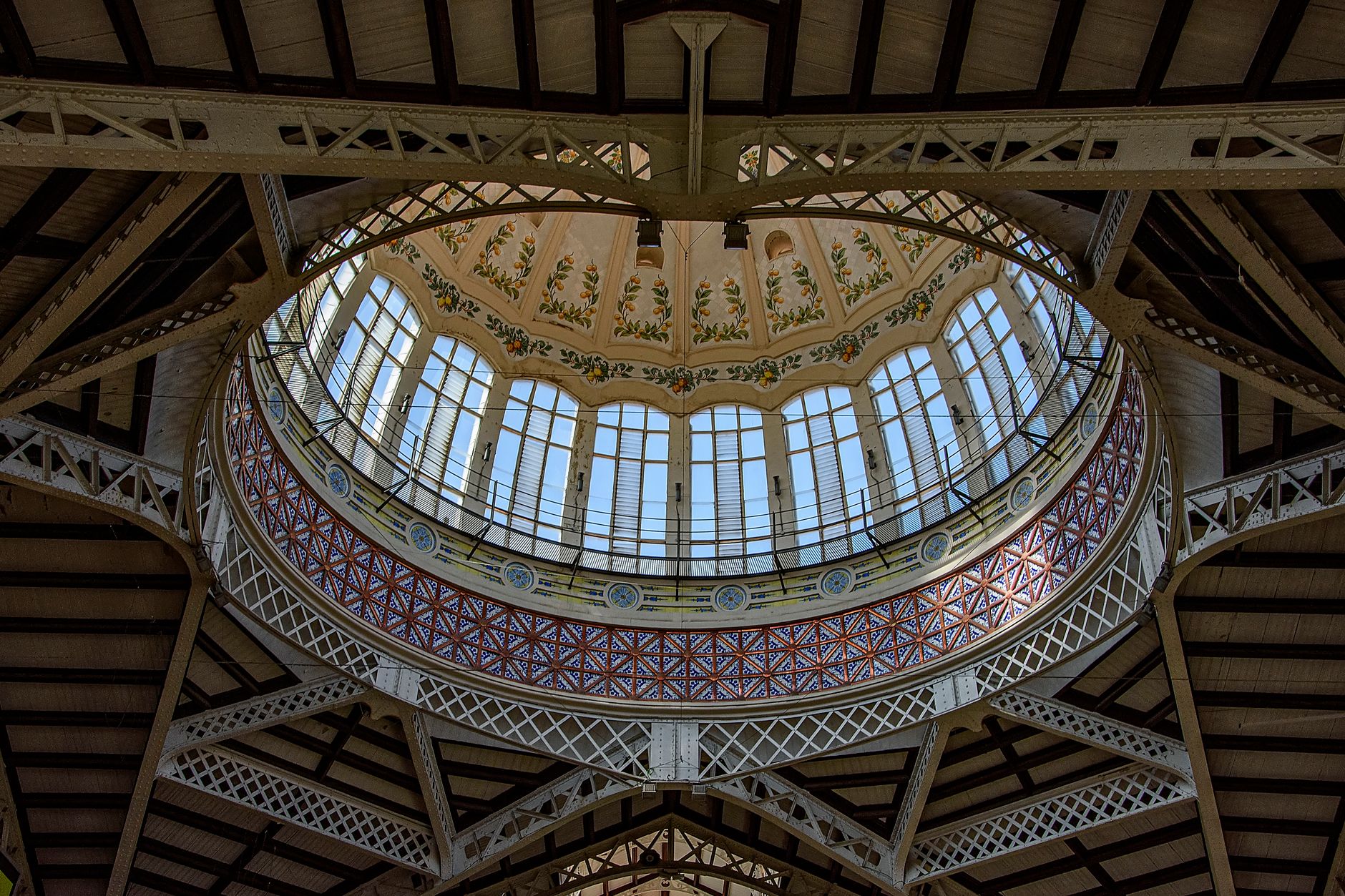
Go mid-morning. Eat a ternasco tapa and a Borja wine at the bar. It's a working market, not a tourist one.
A 1903 iron-and-glass market hall — Ebro-valley produce, ternasco lamb, borage, cardoon, and the best Aragonese migas. The most authentic food stop in Zaragoza.
At a Glance
- — You're not a market person
This 1903 iron-and-glass hall serves as the stomach of the Ebro valley, where the air smells of fresh borage and curing sausage. Locals navigate the narrow aisles for local ternasco lamb and cardoon, while the central bar draws a steady mid-morning crowd for a quick pour of Borja wine and a plate of regional migas. It remains a functional, no-frills workspace rather than a polished display for travelers.
How it got here
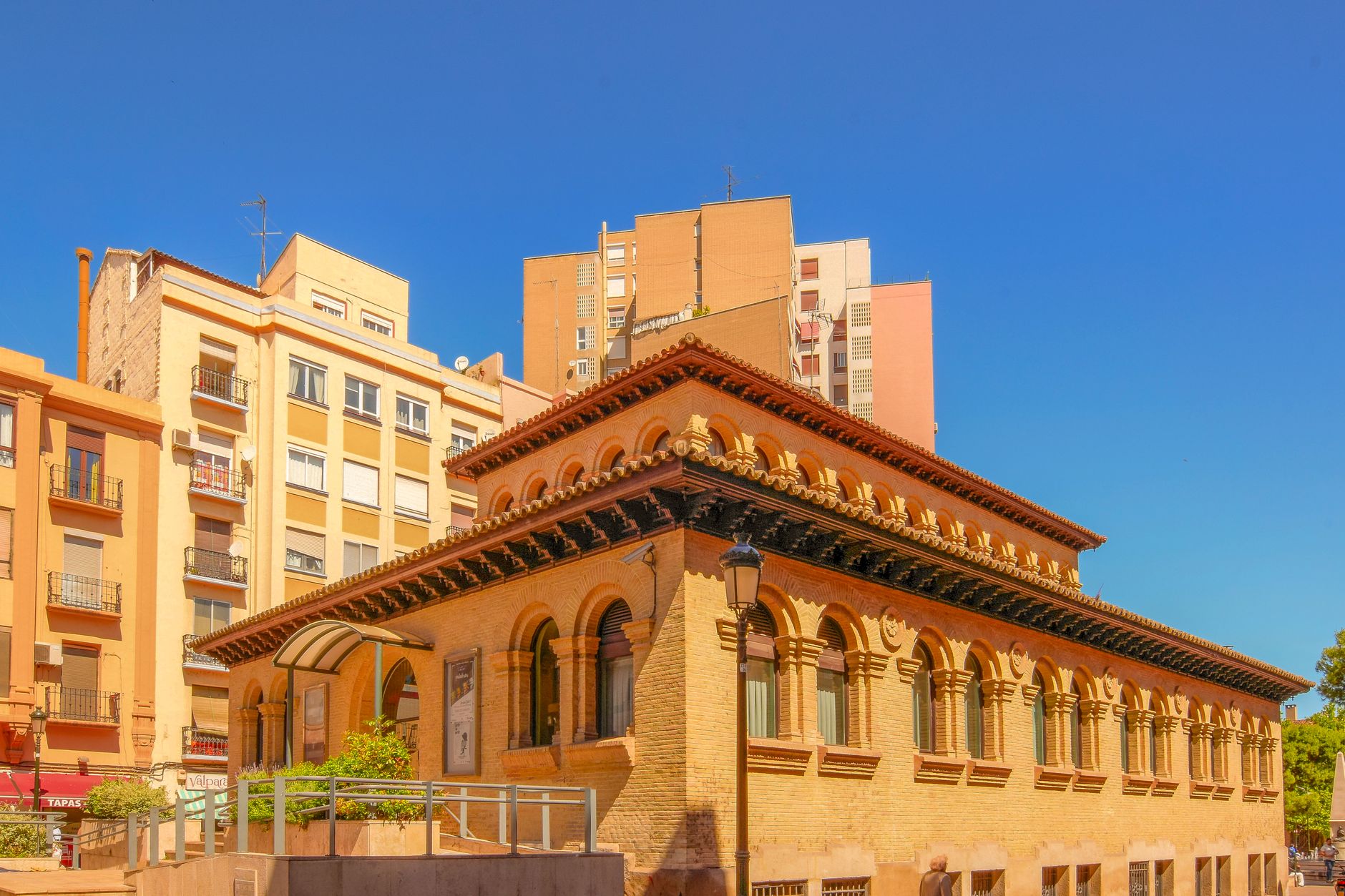
Zaragoza occupies a strategic bend of the Ebro river that served as a Roman foundation under Augustus and a later Islamic center before the Christian conquest in 1118. The current market hall replaced older open-air stalls in 1903. Its iron structure mimics the architectural trends of European trade hubs from the turn of the century. The construction brought order to the chaotic commerce of the city center. It replaced the muddy trade zones with a permanent roof that gathered the agricultural output of the surrounding Ebro valley into one structure. The building continues to anchor the daily commerce of the city exactly as the original plans intended.
Where it sits
The building sits at the edge of the river bank near the old city walls. The surrounding terrain of the Ebro valley consists of dry plains and irrigated river flats that yield distinct crops. Summer heat traps the city in a stifling dry air while winter brings the cierzo wind down from the mountains to scour the streets. Residents arrive on foot throughout the morning hours to stock kitchens with produce brought from the nearby countryside. The interior intensity peaks before noon as the city shifts toward its traditional midday meal cycle.
What to eat and drink
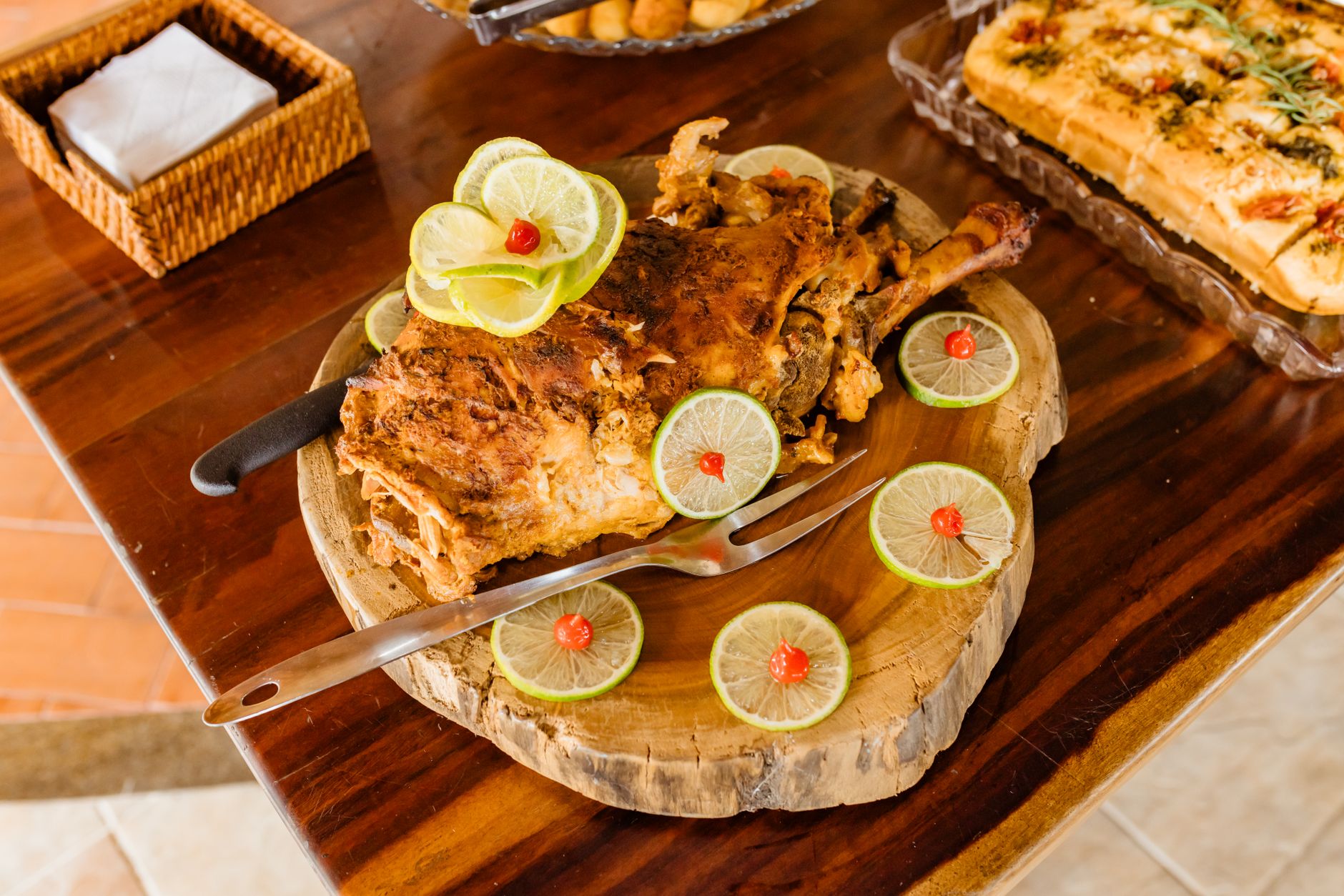
Borage represents the staple green of the local diet, often prepared simply with potatoes and olive oil. Cardoon appears in the winter months, typically stewed with almonds. Butcher stalls supply ternasco, the milk-fed lamb of the region, which requires a slow roast to reach tenderness. Long-cured hams from the higher mountain reaches of the province provide the salt and fat for the midday plate. Drinkers select wine from the Campo de Borja, a dry red variety cultivated in the arid vineyards further west. Migas, the fried breadcrumb dish, provides a heavy anchor for those drinking mid-morning wine.
Aragón: the whole region
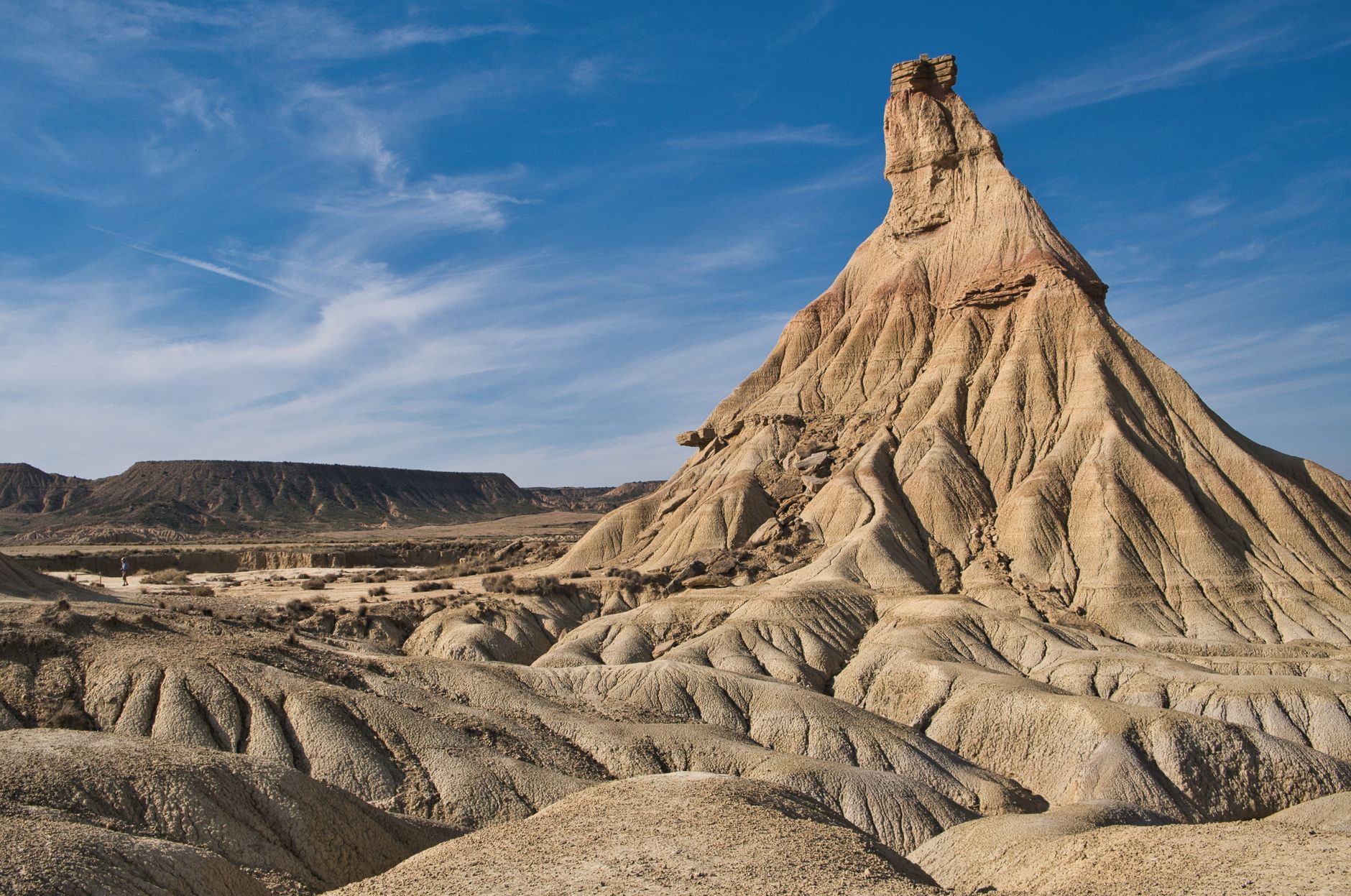
Three landscapes in one region: the Pyrenees and their canyons in the north, the dry Ebro plain with Zaragoza at its centre, and the high, empty south where Teruel's villages and the Maestrazgo stand. It is the least-visited half of…
Minimum 4 days · better 7-8 days · deep 10-12 days
Pair It With

In Aragón

In Aragón

In Aragón




Logistics are verified only. We don't publish schedules we haven't confirmed.
Appears In
Cooking classes and food tours worth booking ahead
Spain Field Guide may earn a commission when you book through selected links. Recommendations are editorial and independent of commission.
Ready to build Mercado Central de Zaragoza into a trip?
You've found a place worth going. When you're ready to turn discovery into an itinerary, Travel Itinerary Co picks up where the Field Guide leaves off — with your saved places already in hand.
Build this into a tripContinues on Travel Itinerary Co
Spain Field Guide may earn a commission when you book through selected links. Recommendations are editorial and independent of commission.