Calatayud

A two-hour stop that rewards anyone interested in brickwork and costs nothing. Not an overnight.
Mudejar towers in a town that has never thought of itself as an attraction.
At a Glance
- — You need cafes open through siesta
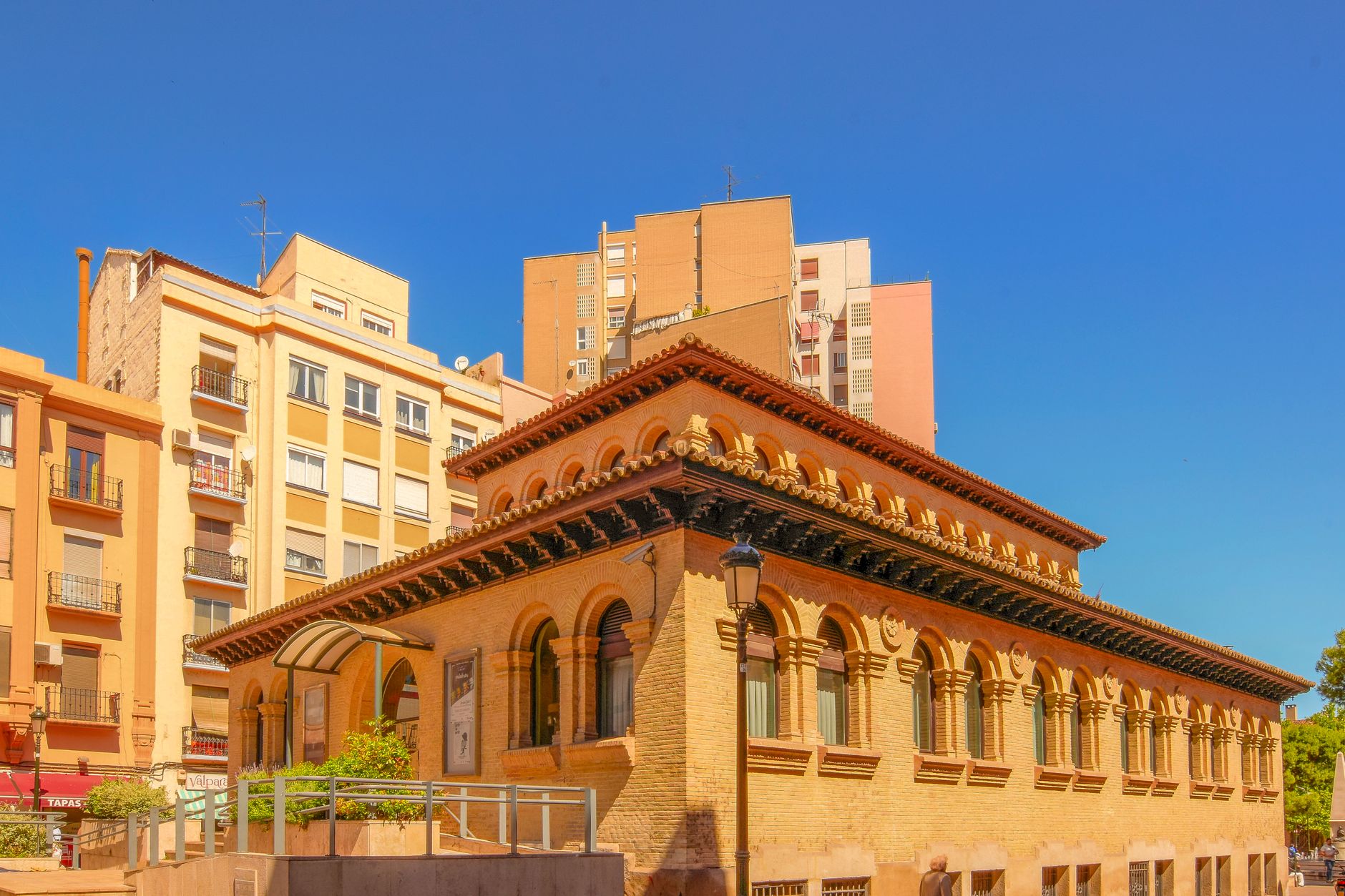
Calatayud has more Mudejar church towers than a town its size has any right to, several of them within a few streets of each other, and it is still a place where people go about their business rather than guiding tours. The town grew rich on the Jalón valley, which grows a great deal of Spain's cheaper fruit, and the old quarter above the river is a tight maze of brick, plaster and crumbling plasterwork. Stop for the towers, the Arab walls and a plate of local lamb, then drive on toward Daroca or Zaragoza. There is no museum circuit here; you look at the buildings from the street.
How it got here
The town takes its name from the Ayyubid castle that overlooked the Jalón valley after the Muslim conquest of the Iberian Peninsula. Following the fall of the Caliphate of Córdoba, it sat within the territory of the Taifa of Zaragoza. Alfonso I of Aragón captured the settlement in 1120. This shift brought a Christian population into the existing framework of the old town, a transition that solidified the architectural blend of brickwork and ceramic decoration visible today. Its location along the route between the Ebro valley and the Castilian plateau turned the settlement into a transit point for trade throughout the centuries.
Where it sits
The town occupies the lower banks of the Jalón river where the valley narrows before opening into the wider plains of the Ebro basin. The surroundings consist of dry scrubland, eroded limestone hills and intensive fruit orchards. Summer heat lingers in the valley floor while winters bring sharp frosts from the high plains of the interior. Access depends on the main rail and road connections between Madrid and Zaragoza. Street life centers on the daily routines of the local population rather than the seasonal cycles of tourism, leaving the public squares quiet for most of the year.
What to eat and drink
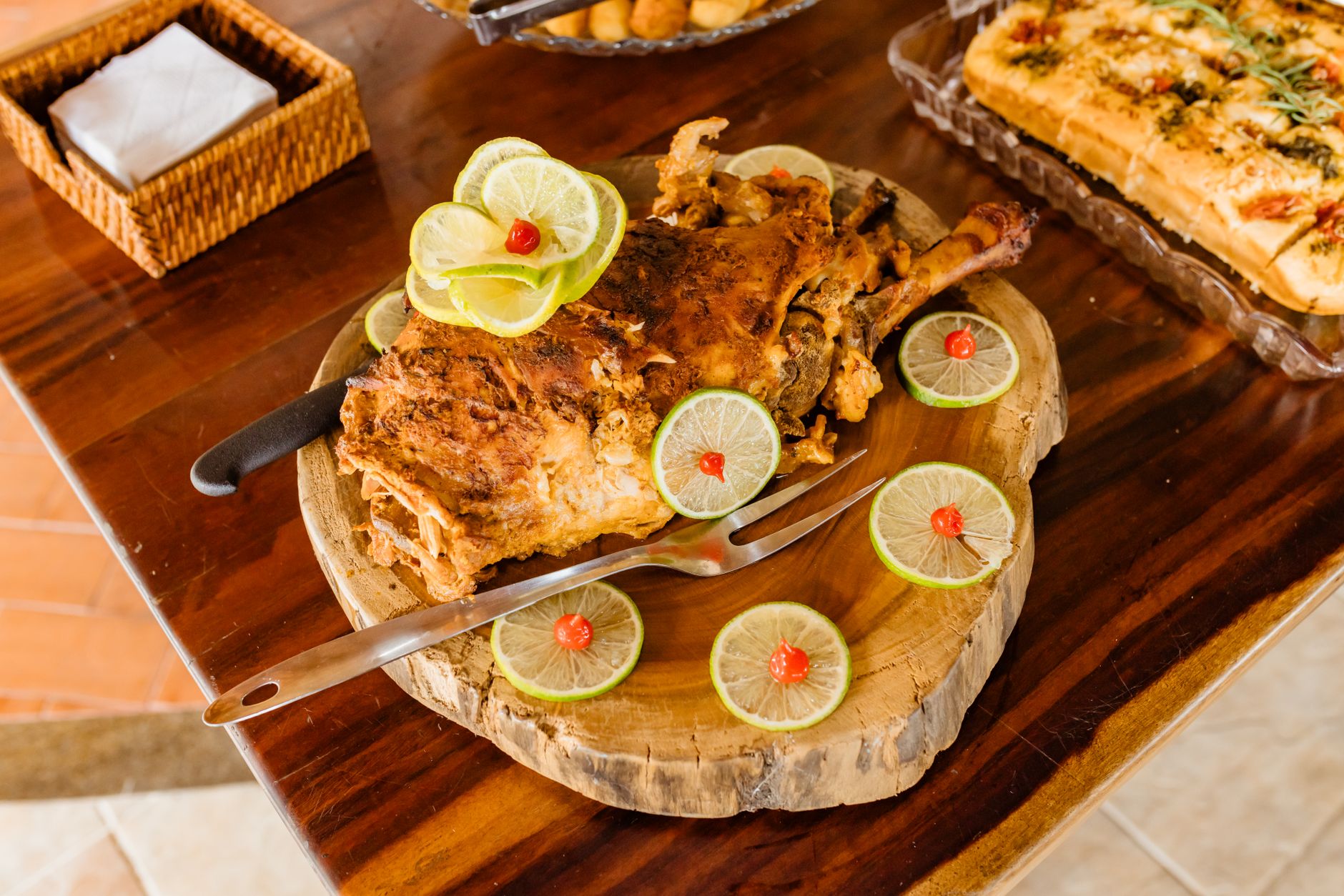
Ternasco, young lamb roasted with potatoes, provides the core of the local diet. The valley produces fruits such as cherries and peaches that appear in season. Migas, breadcrumbs fried with garlic and pork fat, serve as a staple of the rural tradition. The surrounding hills support vineyards that produce Garnacha wines under the Calatayud denomination. Local producers also dry and cure ham, a common appetizer served in thin slices. Restaurants rely on these regional supplies to provide meals that rely on lard, olive oil and seasonal produce gathered from the fields immediately outside the urban zone.
Aragón: the whole region
Three landscapes in one region: the Pyrenees and their canyons in the north, the dry Ebro plain with Zaragoza at its centre, and the high, empty south where Teruel's villages and the Maestrazgo stand. It is the least-visited half of…
Minimum 4 days · better 7-8 days · deep 10-12 days
What's Nearby



Pair It With

In Aragón

In Aragón

In Aragón





Linked from elsewhere
Entries that name this place in their own nearby lists.

Logistics are verified only. We don't publish schedules we haven't confirmed.
Appears In
Experiences worth booking ahead
Spain Field Guide may earn a commission when you book through selected links. Recommendations are editorial and independent of commission.
Ready to build Calatayud into a trip?
You've found a place worth going. When you're ready to turn discovery into an itinerary, Travel Itinerary Co picks up where the Field Guide leaves off — with your saved places already in hand.
Build this into a tripContinues on Travel Itinerary Co
Spain Field Guide may earn a commission when you book through selected links. Recommendations are editorial and independent of commission.