Tarazona

Only if it is roughly on your way. Tarazona rewards the curious rather than the ticker-off.
Three histories stacked on one hill, and a Mudejar dome you will likely have to yourself.
At a Glance
- — You are on a short trip with a fixed list
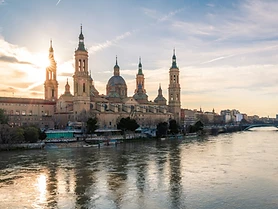
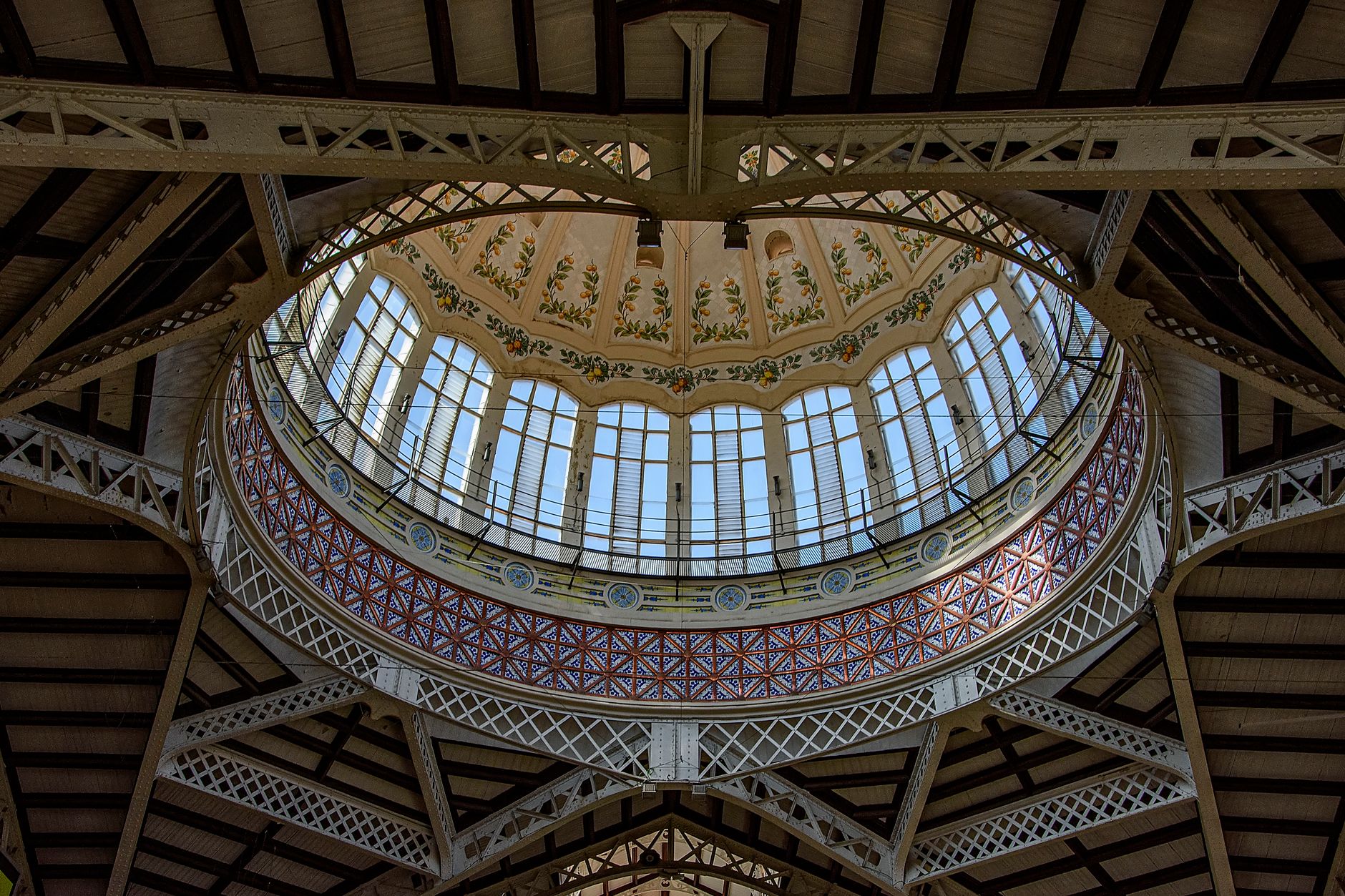
Tarazona sits where Aragón, Navarra and Castile meet, and it carries the layers to prove it: a Mudejar cathedral with a painted dome, a former Jewish quarter, a bishop's palace built over the old walls, even a bullring divided between the two. The old town rises steeply above the Queiles and turns gold in the evening. It is off the main Aragonese routes, which is exactly why it stays as quiet as it does. Come if you are heading between Zaragoza and Soria or Logroño, not if you are working through a list of highlights.
How it got here
Tarazona sits at the convergence of three medieval kingdoms. This border position shaped its architecture and civic layout. The cathedral demonstrates the Mudejar style through its brickwork and ceramic decoration. When the Christian reconquest moved through the Ebro valley, the town functioned as a buffer zone between the crowns of Aragón, Castile, and Navarra. The Jewish quarter grew within these confines, leaving behind narrow lanes and houses that cling to the rock. After the unification of the Spanish crowns, the town lost its strategic necessity as a garrison but retained the structural marks of its layered administration and its ecclesiastical influence.
Where it sits
The town rises above the Queiles river on the edge of the Moncayo mountain range. To the north, the landscape flattens toward the Ebro valley while the south leads into the high slopes of the Sierra del Moncayo. This transition between arid plains and mountainous terrain dictates the local climate. Summer brings heat that drops sharply once the sun sets behind the hills. Winter winds blow down from the mountains, often making the narrow, vertical streets cold. Travel here requires detours from the main highways that connect Zaragoza with the plateau of Soria.
What to eat and drink
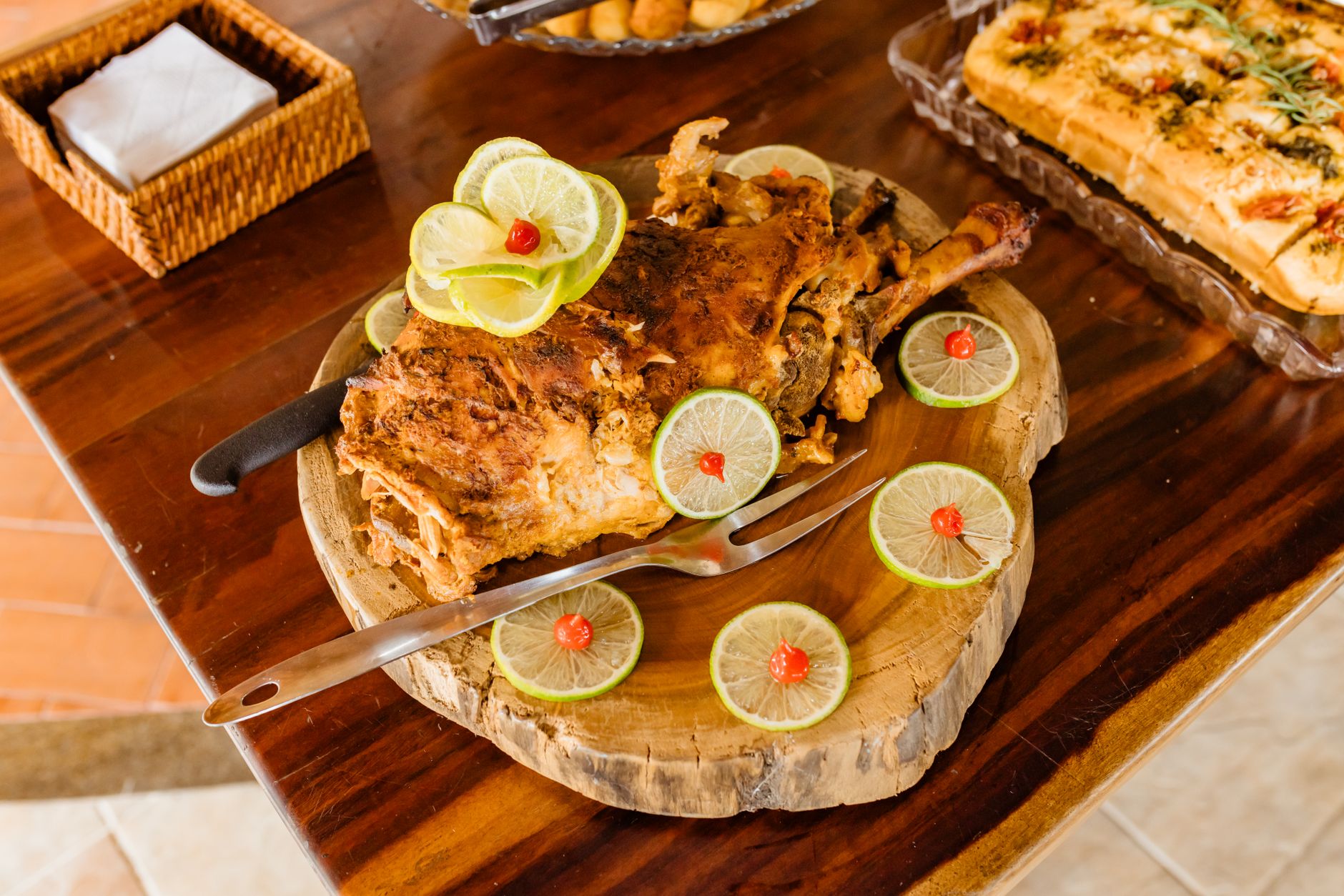
The local diet relies on the produce of the Ebro valley and the livestock from the nearby highlands. Ternasco, young lamb roasted with potatoes, provides the foundation for most hearty meals. Garden crops include borage, a leafy green often boiled with potatoes and garlic, and cardoon. These vegetables thrive in the irrigated soil surrounding the Queiles. The region produces wines under the Campo de Borja designation, primarily using Garnacha grapes grown on the slopes of the Moncayo. These red wines show the intensity of the climate, providing a sharp contrast to the lighter spirits distilled from local fruit.
Aragón: the whole region
Three landscapes in one region: the Pyrenees and their canyons in the north, the dry Ebro plain with Zaragoza at its centre, and the high, empty south where Teruel's villages and the Maestrazgo stand. It is the least-visited half of…
Minimum 4 days · better 7-8 days · deep 10-12 days
What's Nearby


Pair It With

In Aragón

In Aragón

In Aragón





Logistics are verified only. We don't publish schedules we haven't confirmed.
Appears In
Experiences worth booking ahead
Spain Field Guide may earn a commission when you book through selected links. Recommendations are editorial and independent of commission.
Ready to build Tarazona into a trip?
You've found a place worth going. When you're ready to turn discovery into an itinerary, Travel Itinerary Co picks up where the Field Guide leaves off — with your saved places already in hand.
Build this into a tripContinues on Travel Itinerary Co
Spain Field Guide may earn a commission when you book through selected links. Recommendations are editorial and independent of commission.