Daroca

An hour of wall, an hour of town. Pair it with Calatayud and make a day of the Jalón valley.
A genuine medieval rampart, a relic chapel and a street plan that has not been tidied up.
At a Glance
- — You want a town with life after dinner
Daroca is enclosed by the longest medieval wall in Aragón, a rampart that climbs over the hill above the town and comes back down again, with gates still standing at the ends of the streets. Inside it is quiet in the way inland Aragón is quiet: brick churches, a fountain in the square, a basilica holding the relics the town once carried into battle. The wall walk is the reason to come. Bring a jacket, because this is high, exposed country and the wind gets at the parapet even in summer.
How it got here
The town holds a strategic passage between the Ebro valley and the high plateau of the Meseta. Christian forces reclaimed the site from Al-Andalus in the early twelfth century. Alfonso I the Battler granted the town a charter that encouraged settlement from diverse backgrounds to reinforce the frontier. The massive ramparts emerged during this period to guard the vulnerable mountain pass. These walls follow the jagged contours of the hills, enclosing the valley floor and reaching toward the heights. The town guarded the route for centuries, keeping its medieval layout as trade shifted away from the mountain passes toward the modern lowland highways.
Where it sits
The valley sits within the Campo de Daroca, a transition zone where the Iberian System mountains break into the arid plains of Zaragoza province. The surrounding landscape consists of eroded marl hills and cereal fields. Winters bring sharp frost and biting winds channeled through the valley corridor. Summer heat remains tempered by the altitude once the sun drops behind the ridges. The town feels empty of crowds even during the warmer months, as travelers often bypass the valley in favor of the nearby motorway. The scale of the fortifications dominates the town, dwarfing the brick dwellings and narrow alleys within.
What to eat and drink
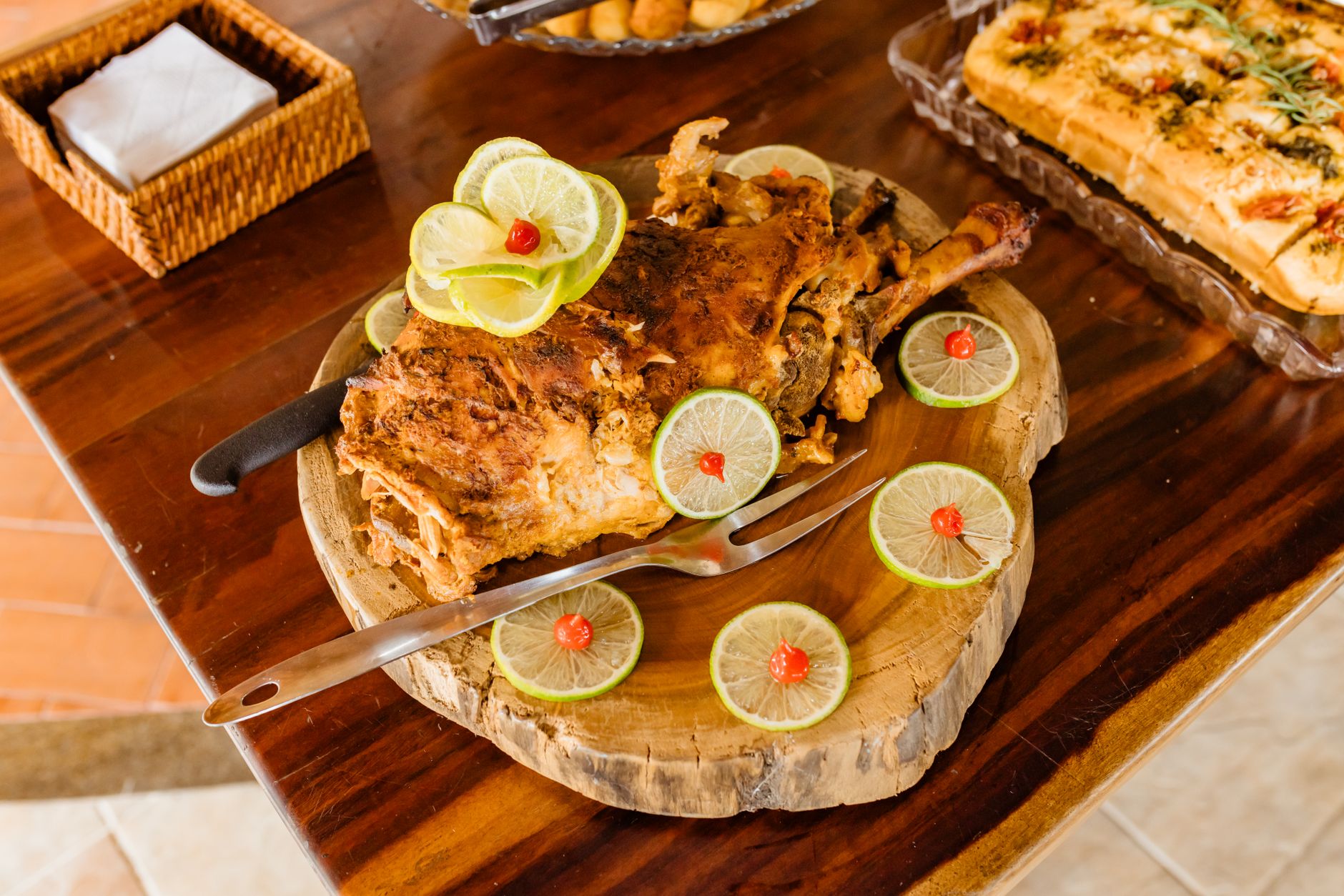
Local food relies on the livestock and crops of the nearby high country. Ternasco de Aragón, the roasted milk-fed lamb, forms the base of most traditional meals. Bakers prepare culeca, a pastry dough stuffed with hard-boiled eggs and chorizo, often associated with local feast days. The nearby hills provide wild mushrooms during autumn, which appear in simple sautés with garlic and parsley. Fields of borage, a leafy vegetable cooked until tender, yield a distinct regional specialty. Local wine lists favor the deep reds from the Cariñena wine region, located a short distance away along the valley floor toward the Ebro.
Aragón: the whole region
Three landscapes in one region: the Pyrenees and their canyons in the north, the dry Ebro plain with Zaragoza at its centre, and the high, empty south where Teruel's villages and the Maestrazgo stand. It is the least-visited half of…
Minimum 4 days · better 7-8 days · deep 10-12 days


Pair It With

In Aragón

In Aragón

In Aragón





Logistics are verified only. We don't publish schedules we haven't confirmed.
Appears In
Experiences worth booking ahead
Spain Field Guide may earn a commission when you book through selected links. Recommendations are editorial and independent of commission.
Ready to build Daroca into a trip?
You've found a place worth going. When you're ready to turn discovery into an itinerary, Travel Itinerary Co picks up where the Field Guide leaves off — with your saved places already in hand.
Build this into a tripContinues on Travel Itinerary Co
Spain Field Guide may earn a commission when you book through selected links. Recommendations are editorial and independent of commission.