Toro

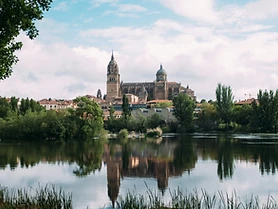
A detour from Ribera if you want bigger, hotter wines. The town of Toro itself has a collegiate church and river views. Worth one night.
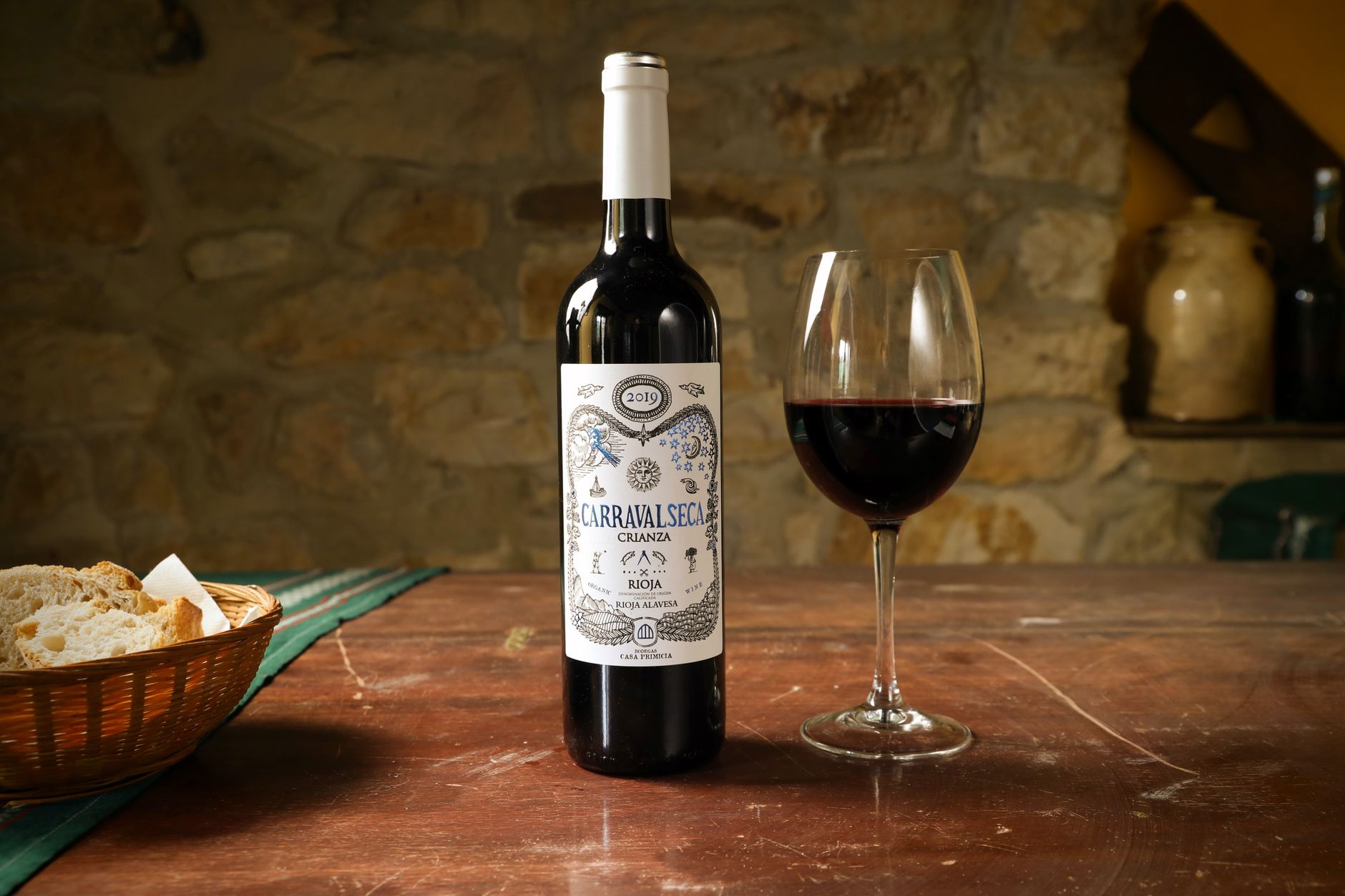
Tinta de Toro country — powerful, high-alcohol reds from pre-phylloxera vines on the Duero's western bank, the rustic cousin of Ribera del Duero.
At a Glance
- — You don't like powerful reds
On the western bank of the Duero, this region is known for its intense, high-alcohol reds born from ancient, pre-phylloxera vines that thrive in the heat. It is a more rustic, powerful sibling to the wines of Ribera del Duero, offering a bold profile that reflects the scorched earth of the plains. The town itself, with its collegiate church and expansive river views, is worth an overnight stay for those seeking a deeper, more robust wine experience.
How it got here
Castilian expansion pushed south toward the Duero river in the middle ages. Alfonso IX of León granted the town its first fueros in the thirteenth century to secure the border against Portuguese incursions and solidify control over the fertile river plain. Defensive walls rose to guard the crossing of the river, and the Colegiata de Santa María la Mayor emerged from the wealth of the wool trade. These early charters encouraged settlement by granting privileges to those willing to cultivate the challenging climate. The town maintained its importance as a center for trade and agricultural production while the wider province of Zamora shifted between competing crowns.
Where it sits
Deep, sandy soils dominate the plains along the Duero river. The terrain holds heat through the long summers, baking the earth until the vines struggle for moisture. Winter arrives with sharp, biting frosts that turn the fields into brittle ground. Sunlight feels relentless across the open expanse, and the wind sweeps through the vineyards without obstruction. Roads wind through these flat agricultural corridors, connecting the town to the broader landscape of Castilla y León. Traffic lightens during the harvest, leaving the riverbank quiet and exposed to the seasonal extremes of the meseta.
What to eat and drink
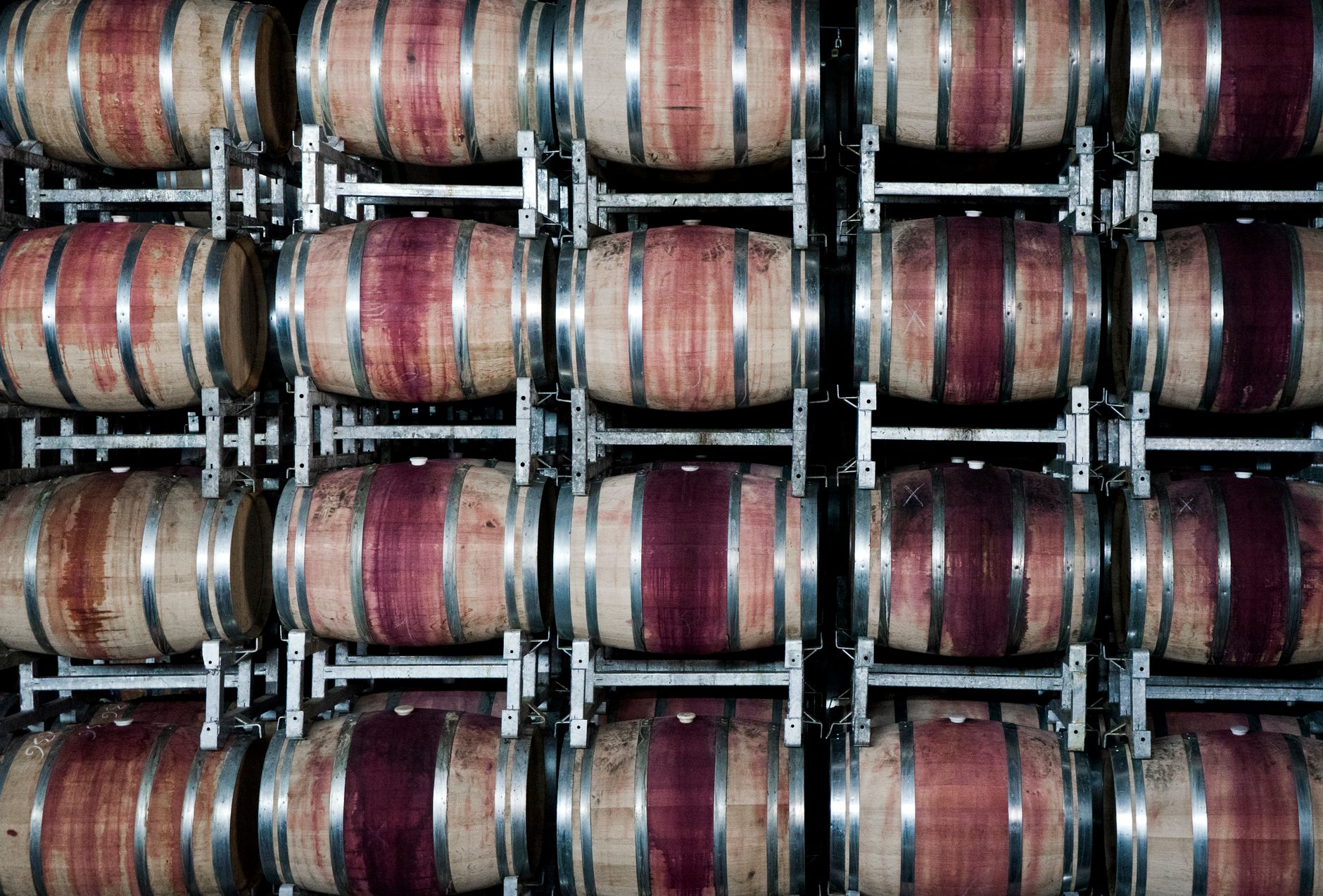
Tinta de Toro grapes grow here, producing heavy, dark wines with high alcohol and tannins that age for decades. The local plate centers on rabo de toro, oxtail slow-cooked in red wine until the meat yields from the bone. Chickpeas, specifically the garbanzos de Fuentesaúco, grow in the nearby soil and appear in hearty stews paired with chorizo and morcilla. These pulses provide the base for substantial meals designed for laboring in the heat. Simple preparations of sheep milk cheeses finish the meal, reflecting the pastoral traditions of the surrounding plains.
Castilla y León: the whole region
The largest region in Spain, and the one that most rewards a car: a plateau of walled cities, Romanesque churches and vineyards, with Salamanca, León, Burgos and Segovia as four genuine anchors spread across four hundred kilometres. There…
Minimum 5 days · better 8-10 days · deep 2 weeks

Pair It With


In Castilla y León



In Castilla y León




In Castilla y León












Logistics are verified only. We don't publish schedules we haven't confirmed.
Appears In
Ready to build Toro into a trip?
You've found a place worth going. When you're ready to turn discovery into an itinerary, Travel Itinerary Co picks up where the Field Guide leaves off — with your saved places already in hand.
Build this into a tripContinues on Travel Itinerary Co
Spain Field Guide may earn a commission when you book through selected links. Recommendations are editorial and independent of commission.