Burgos Cathedral

One of Spain's five great cathedrals. If you're driving the Camino Francés or the north, it's a must-stop. 90 minutes inside is enough.
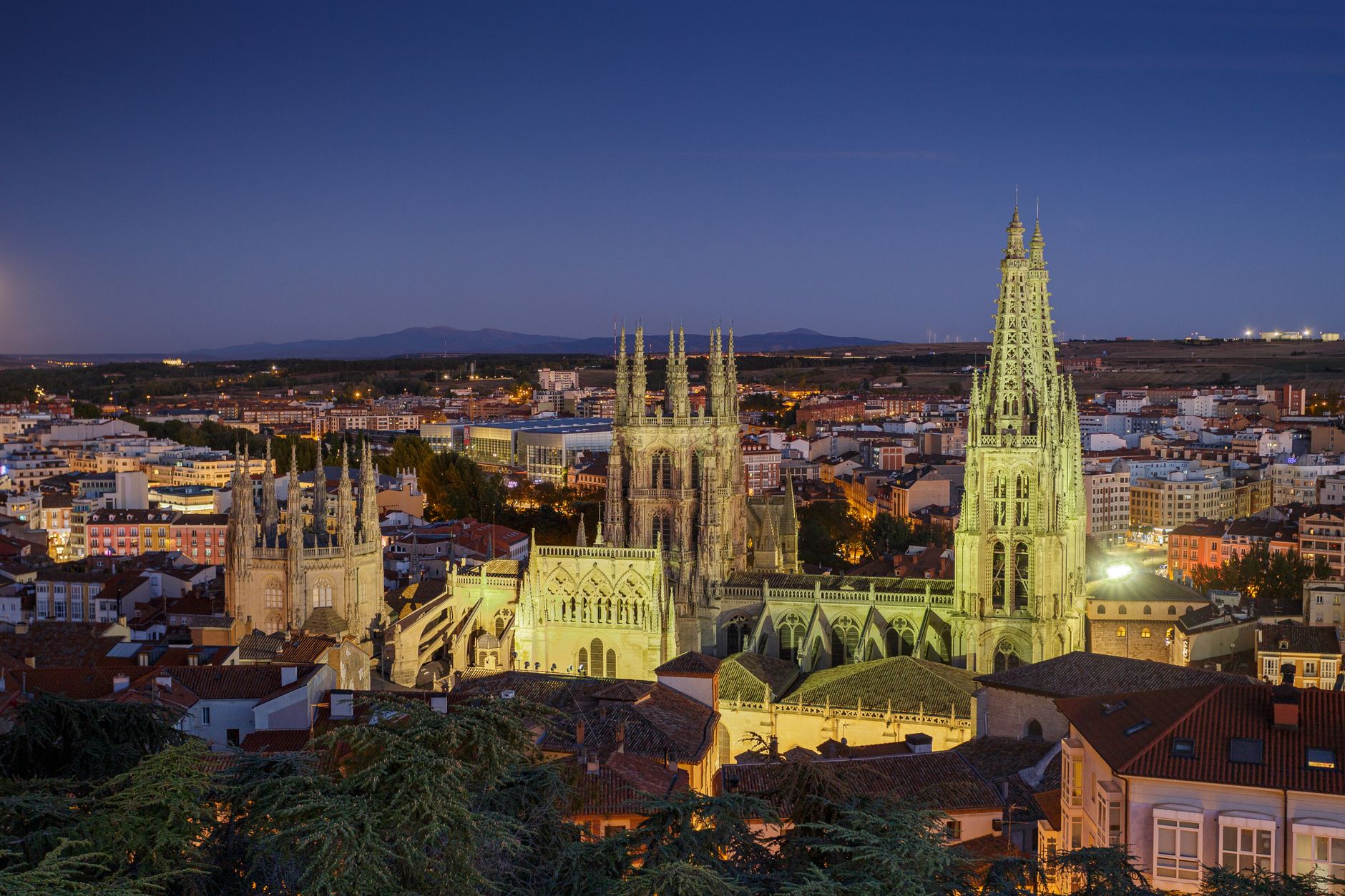
A French-Gothic masterpiece, the only Spanish cathedral on the UNESCO World Heritage list on its own merits. The spiral towers, the gilded dome, and El Cid's tomb.
At a Glance
- — You're not routing through Burgos on a northern drive
Rising from the medieval city on spires that pierce the sky, this French-Gothic building is the only Spanish cathedral with individual UNESCO World Heritage status. Inside, the golden dome lights the elaborate tomb of El Cid. The stonework is dense, and the verticality takes at least an hour of quiet attention.
How it got here
Construction began under the mandate of Bishop Mauricio in 1221, following the French Gothic style. This project transformed the city into a focal point of the Camino de Santiago. The structure expanded over centuries to include the fifteenth-century spires and the sixteenth-century cimborrio that covers the transept crossing. These additions unified the stone facade and created a tomb for Rodrigo Díaz de Vivar and his wife, Jimena Díaz, which moved into the central space in the twentieth century. The cathedral anchors the old city and defines the visual silhouette of the Burgos plains, marking the transition of the kingdom of Castile during the Reconquista.
Where it sits
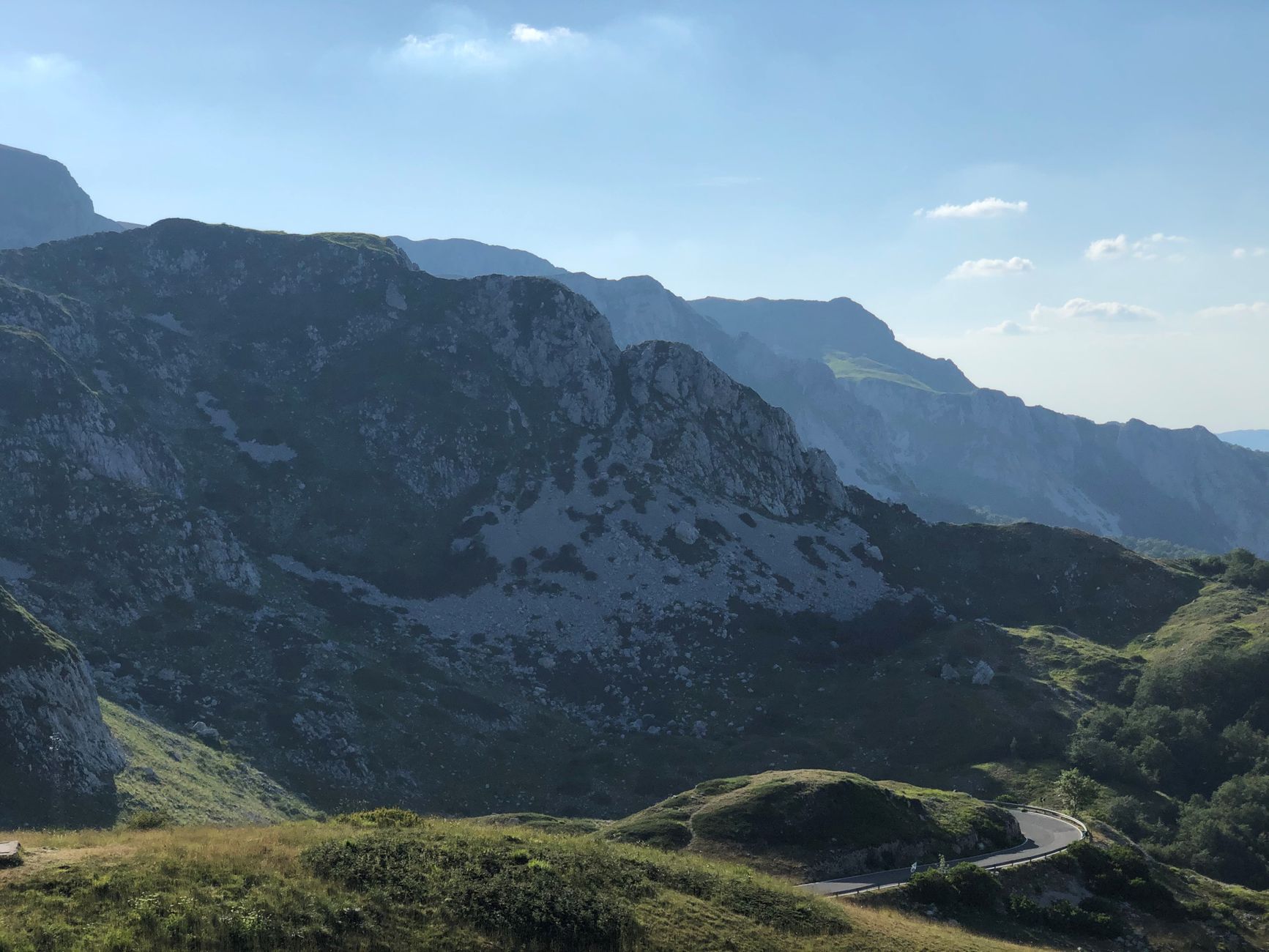
The cathedral rises from the banks of the Arlanzón river, which carves a shallow valley through the high Castilian plateau. This terrain sits at an elevation that produces harsh winters and persistent winds from the north. Summer days bring intense solar radiation to the pale limestone, while autumn leaves the surrounding fields in hues of gold and brown. The city functions as a transit point for travelers moving between the northern mountains and the meseta. Cold air clings to the stone walls during the shoulder seasons, and the light changes sharply throughout the day as clouds race across the wide sky.
What to eat and drink
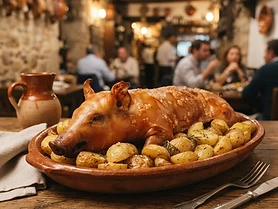
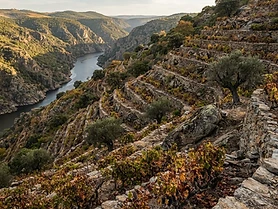
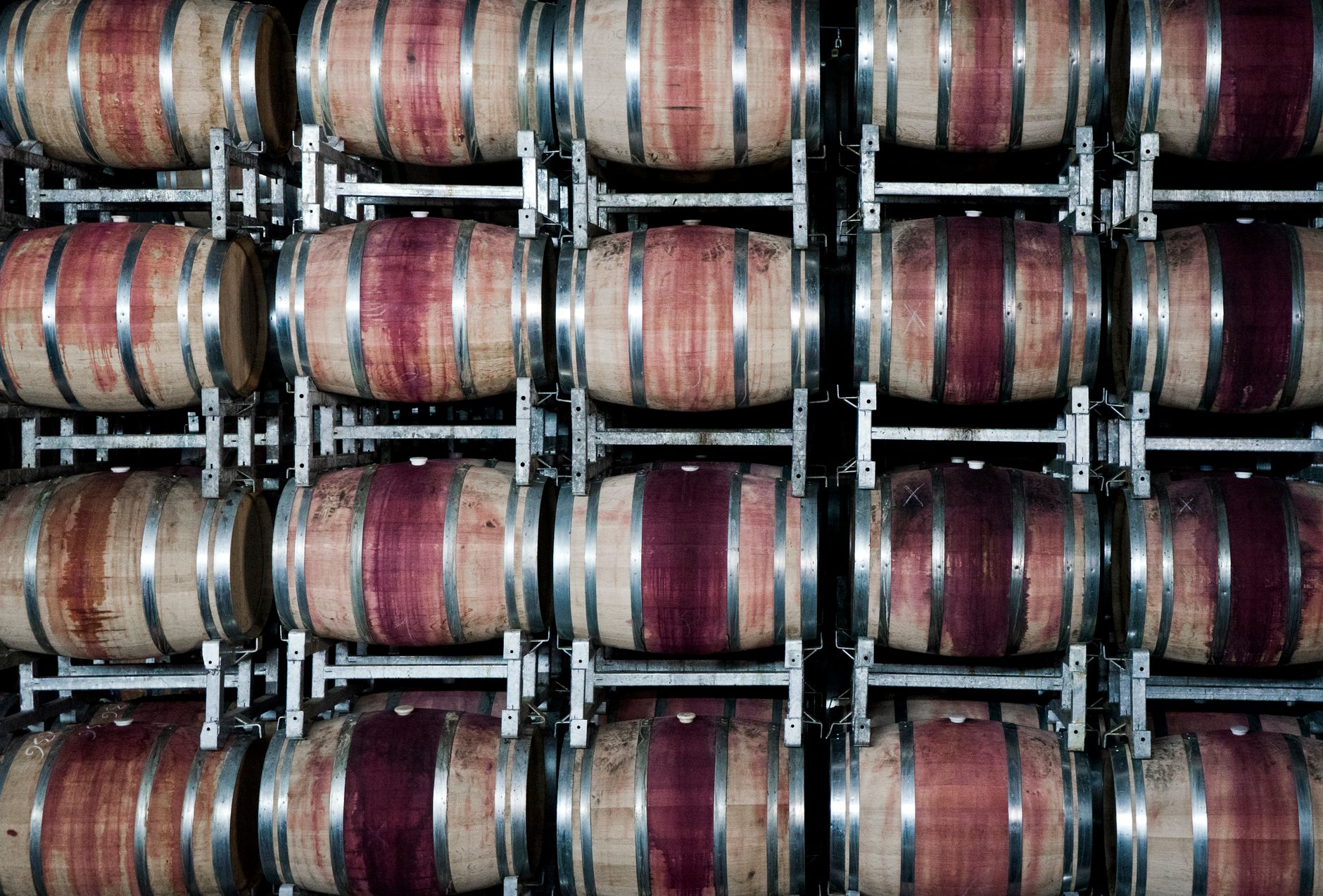
Castilian kitchens rely on the produce of the plateau and the surrounding highlands. Morcilla de Burgos, a thick blood sausage seasoned with rice, onion, and spices, acts as the primary appetizer. Roast lamb, or lechazo asado, arrives in clay pots with the skin crisp and the meat tender from the slow heat of a wood oven. Diners pair these heavy proteins with red wines from the nearby Ribera del Duero, a landscape of limestone and gravel along the river that yields deep, tannic tempranillo grapes. Simple soups made from garlic and stale bread follow the local tradition of utilizing every available resource.
Castilla y León: the whole region
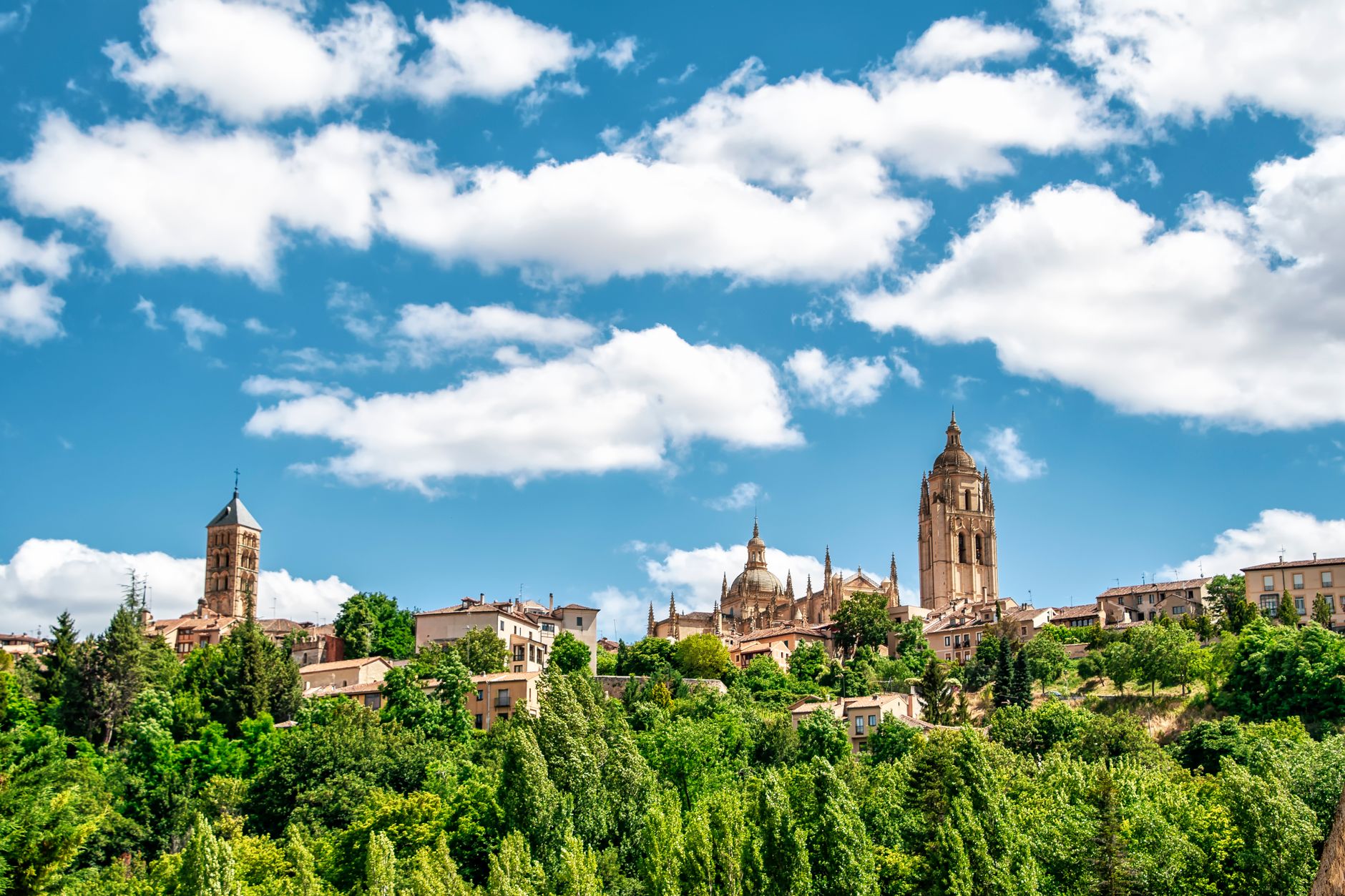
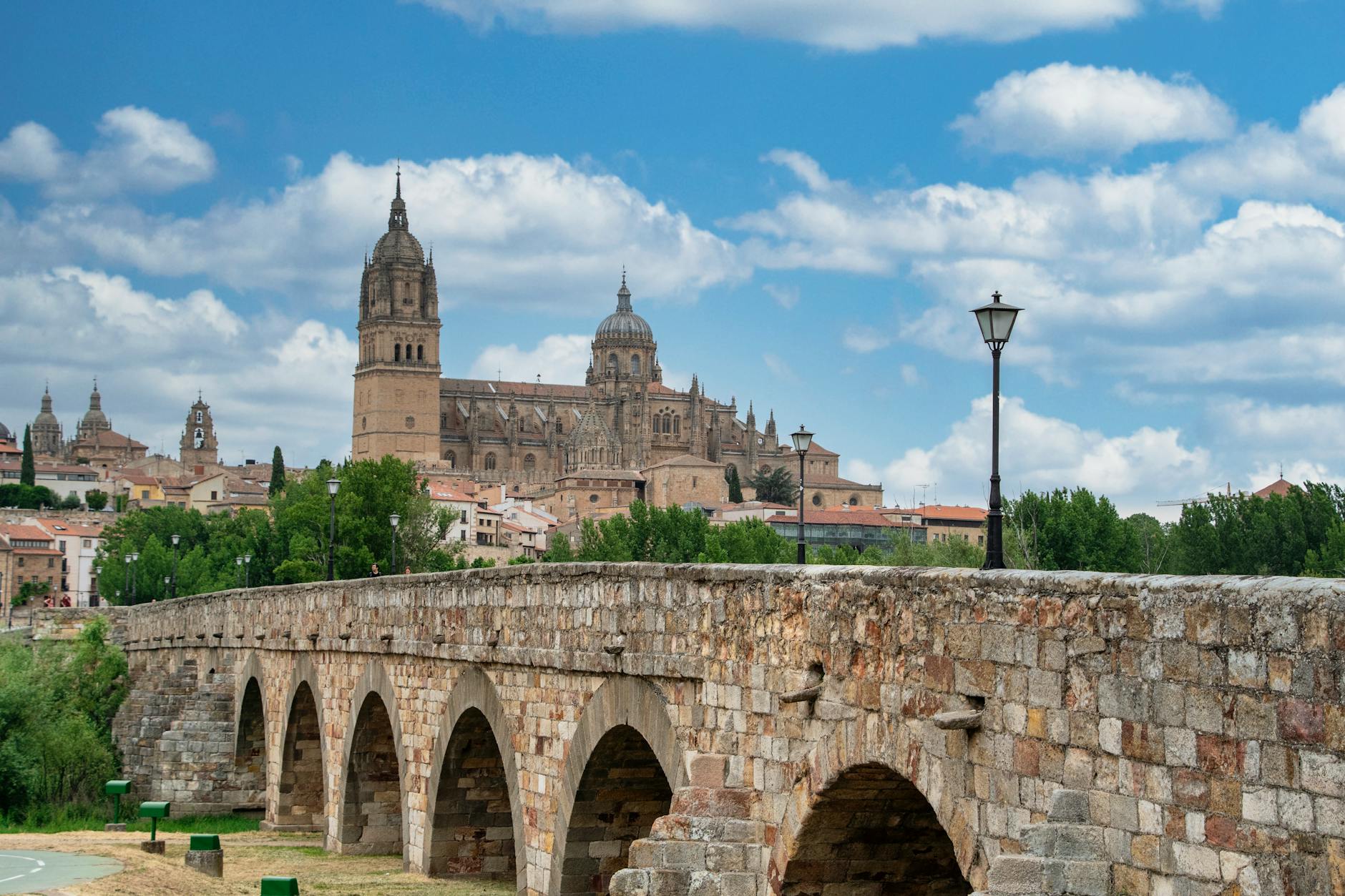
The largest region in Spain, and the one that most rewards a car: a plateau of walled cities, Romanesque churches and vineyards, with Salamanca, León, Burgos and Segovia as four genuine anchors spread across four hundred kilometres. There…
Minimum 5 days · better 8-10 days · deep 2 weeks
Pair It With


In Castilla y León



In Castilla y León





In Castilla y León










Linked from elsewhere
Entries that name this place in their own nearby lists.
Logistics are verified only. We don't publish schedules we haven't confirmed.
Appears In
Ready to build Burgos Cathedral into a trip?
You've found a place worth going. When you're ready to turn discovery into an itinerary, Travel Itinerary Co picks up where the Field Guide leaves off — with your saved places already in hand.
Build this into a tripContinues on Travel Itinerary Co
Spain Field Guide may earn a commission when you book through selected links. Recommendations are editorial and independent of commission.