La Clerecía

Come for the climb rather than the church: the bell tower is the only place to see both cathedrals, the river and the roofs in one turn, and the timed visit is worth the money. The church below takes ten minutes.
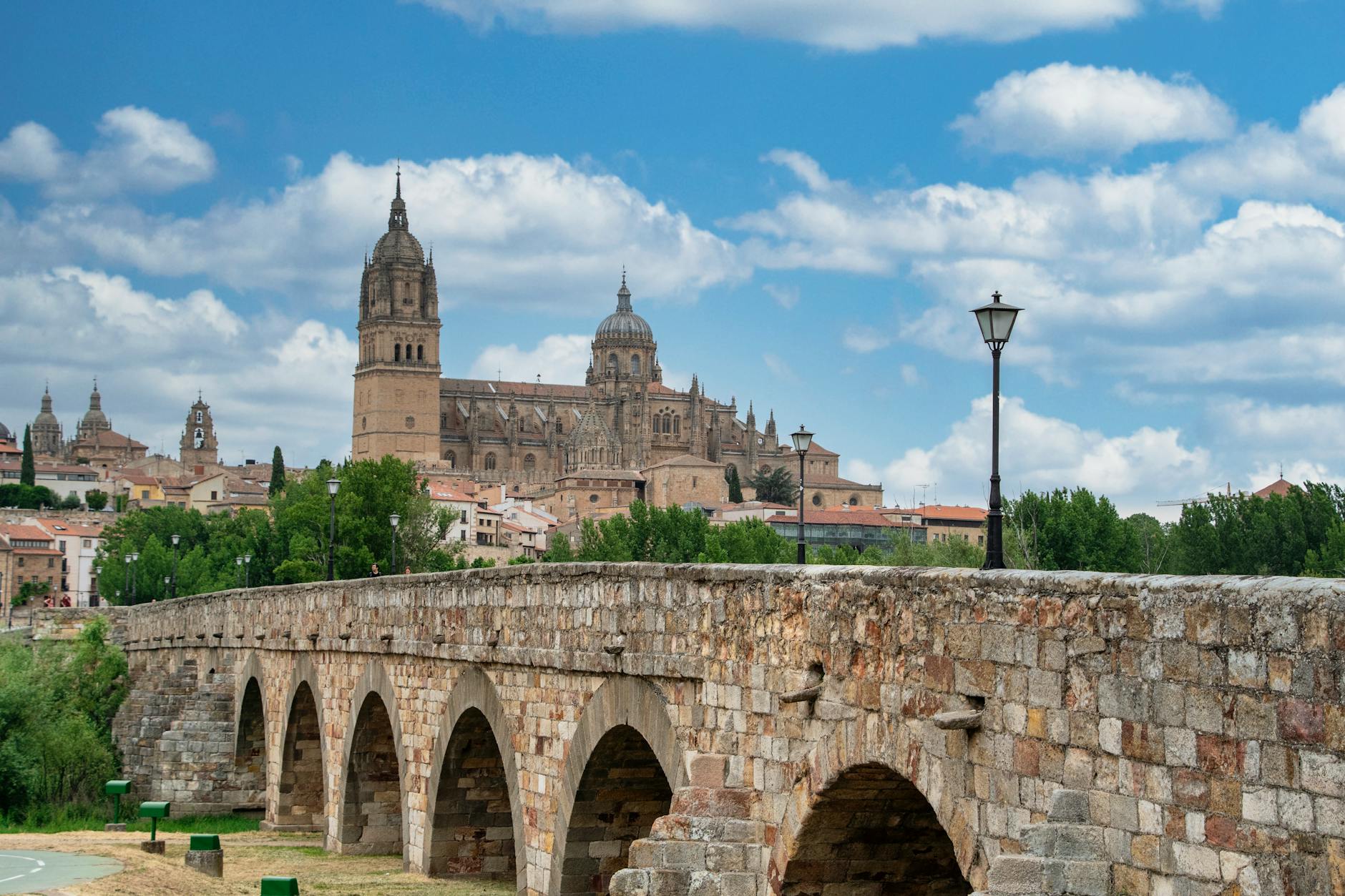
A Baroque Jesuit church beside the Plaza Mayor whose tower carries Salamanca's best rooftop view — both cathedrals, the river and the golden stone all at once.
Plaza Mayor de Salamanca · Casa de las Conchas · Convento de San Esteban
At a Glance
This Jesuit complex commands the skyline with its twin Baroque towers and assertive, formal geometry. A climb to the top requires navigating narrow, winding passages, but the reward is a panoramic view of the honey-colored city rooftops and the distant plains. The air at the summit is usually brisk and clear, offering a perfect vantage point to understand the layout of the university district and the golden glow of the sandstone facades below.
How it got here
Felipe III and Margarita of Austria ordered the construction of the Colegio Real de la Compañía de Jesús in 1617 to anchor Jesuit influence in a university city dominated by Dominican and Augustinian rivalries. Architects Juan Gómez de Mora and Andrés García de Quiñones designed the structure over the course of nearly two centuries, a period that spans the transition from Habsburg austerity to the ornamental excess of the Spanish Baroque. The Jesuits maintained control until their expulsion by Carlos III in 1767, at which point the site passed to the bishopric. Its present name derives from the royal clerecía that took possession after the order departed.
Where it sits
The building dominates the skyline of the university quarter, rising above the narrow streets where students and residents circulate between the Plaza Mayor and the river Tormes. Salamanca rests on a high, arid plateau of the Meseta, a landscape defined by rolling fields of cereal and the granite outcrops that characterize this section of Castilla y León. Winter winds off the Sierra de Francia cut through the sandstone canyons of the city, while summer light catches the golden Villamayor stone of the facades. The pace of the city slows in the heat of July, though the academic calendar dictates the rhythm of the streets.
What to eat and drink
The cuisine of the province relies on the products of the dehesa, the open oak forests where Iberian pigs forage for acorns. Hornazo, a substantial meat pie filled with chorizo, loin, and hard-boiled eggs, sustains the appetites of the region. Local pulses like the lenteja de La Armuña, a small, tender legume, appear in heavy, slow-cooked stews. Farmers in the nearby sierra produce Queso Arribes, a raw goat milk cheese with a sharp finish. Diners pair these meals with the intense, tannic red wines produced from the Rufete grape variety that thrives in the nearby rugged valleys near the Portuguese border.
Castilla y León: the whole region
The largest region in Spain, and the one that most rewards a car: a plateau of walled cities, Romanesque churches and vineyards, with Salamanca, León, Burgos and Segovia as four genuine anchors spread across four hundred kilometres. There…
Minimum 5 days · better 8-10 days · deep 2 weeks
What's Nearby


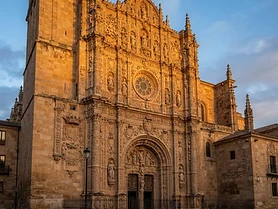
In Castilla y León

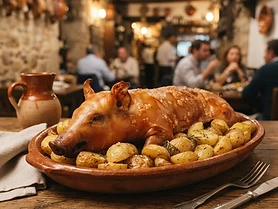


In Castilla y León


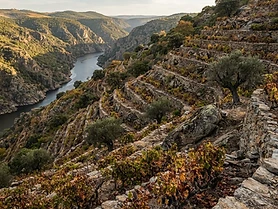


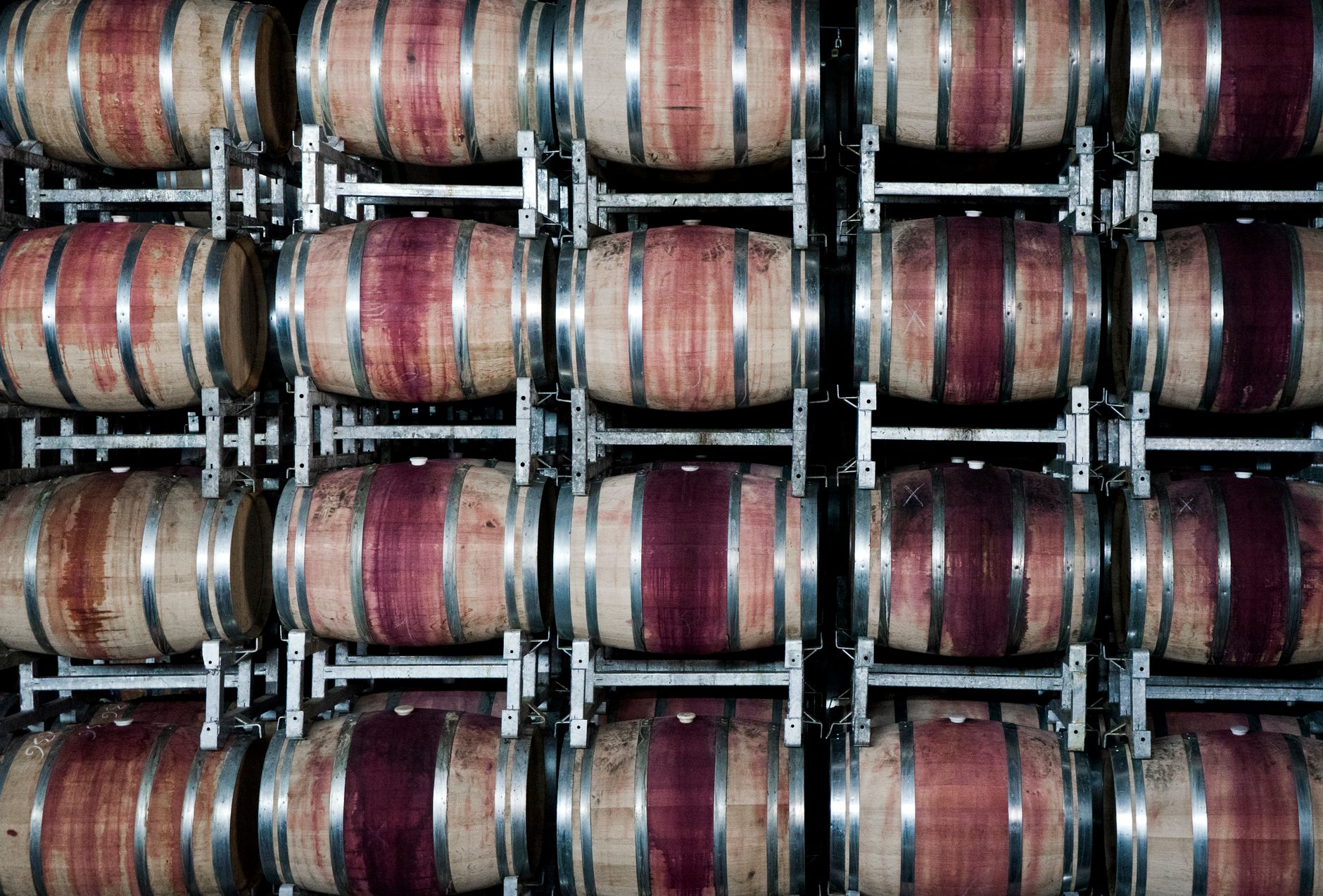

In Castilla y León










Logistics are verified only. We don't publish schedules we haven't confirmed.
Experiences worth booking ahead
Spain Field Guide may earn a commission when you book through selected links. Recommendations are editorial and independent of commission.
Ready to build La Clerecía into a trip?
You've found a place worth going. When you're ready to turn discovery into an itinerary, Travel Itinerary Co picks up where the Field Guide leaves off — with your saved places already in hand.
Build this into a tripContinues on Travel Itinerary Co
Spain Field Guide may earn a commission when you book through selected links. Recommendations are editorial and independent of commission.