Santo Domingo de Silos

Recommended, and the strongest single reason to drive the Arlanza valley. Check office times and dress for a cold church.
A carved cloister worth the trip on its own, and chant sung as part of a day rather than performed.
At a Glance
- — You want a guided tour with commentary
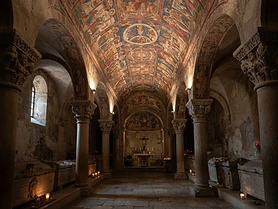
The abbey at Silos is famous for two things that reinforce each other: a Romanesque cloister whose capitals repay an hour of looking, and a community of Benedictine monks whose Gregorian chant is sung daily and open to anyone who turns up. The cloister is among the finest in Spain, with scenes and animals worked into the corners of the arcade. The chant became known through a recording in the 1990s, and the community has never turned the offices into a concert: you sit at the back, listen, and leave when it ends. Check the times before you drive.
How it got here
The monastery follows a tradition of monastic life dating to the early Middle Ages in the Arlanza valley. Count Fernán González and his successors patronized the site, helping to secure its status during the Reconquista. By the eleventh century, the abbey functioned as a center of the Mozarabic liturgy before the community transitioned to the Roman rite. The cloister survives from this era as a record of the stone carvers who worked under the direction of the abbots. Subsequent centuries brought shifts in ecclesiastical politics and monastic reform, yet the monks maintained their presence through rural isolation.
Where it sits
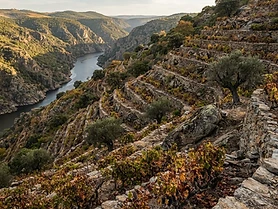
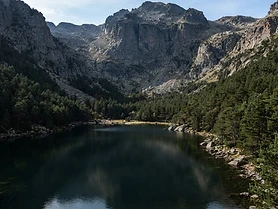
Deep ravines and limestone cliffs define this stretch of the Burgos plateau. The Arlanza river carves through the landscape, creating sheltered valleys where oak and juniper forest thrive against the rugged terrain. Winters bring heavy frost and lingering snow, while summer heat dries the surrounding scrubland. Reaching the monastery requires navigating narrow roads through the sparsely populated comarca of La Demanda. The village stays quiet outside of peak religious days, maintaining a heavy silence that mirrors the atmosphere within the abbey walls.
What to eat and drink
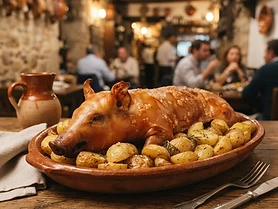
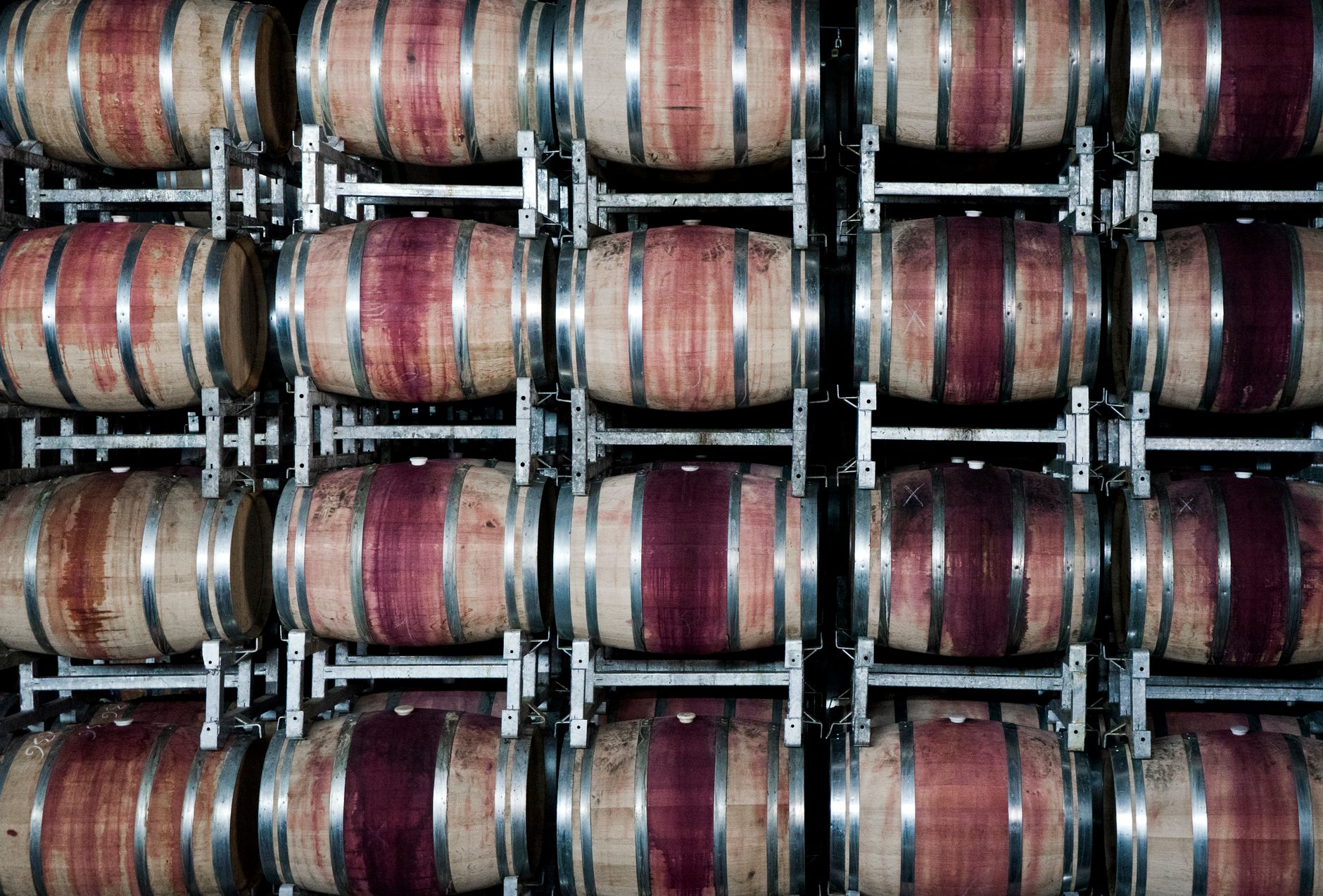
The culinary tradition centers on the produce of the Castilian interior. Morcilla de Burgos, a dark sausage made with rice, onion, and pork blood, defines the local diet. Lechazo asado, suckling lamb roasted in a wood-fired oven until the skin turns brittle and brown, serves as the standard dish for formal meals. Hearty soups prepared with local legumes like the Alubia de Tolosa provide sustenance through the long winters. Diners drink robust red wines from the nearby Ribera del Duero, an appellation known for deep, structured Tempranillo grapes grown in the high altitude vineyards of the province.
Castilla y León: the whole region
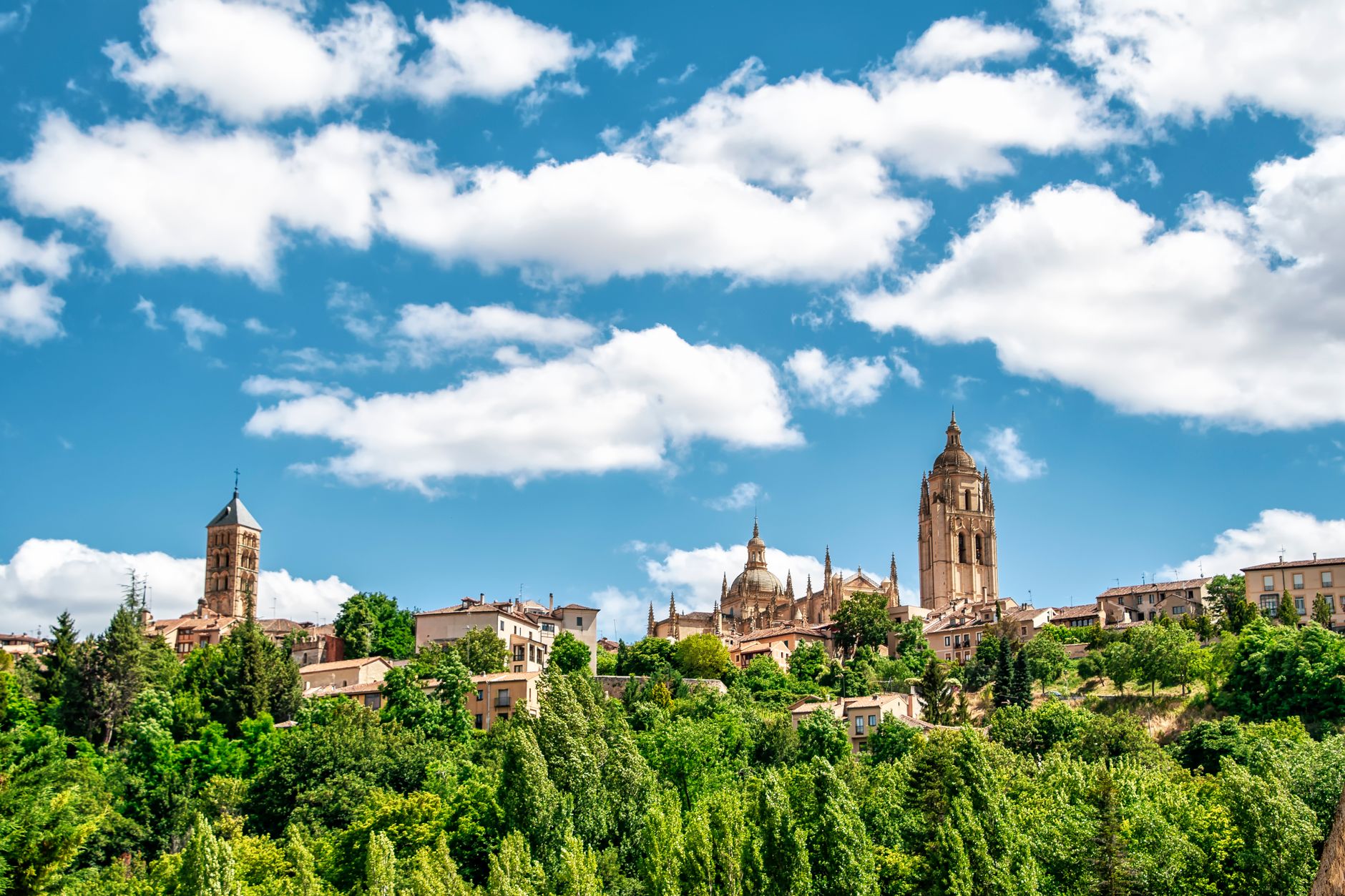
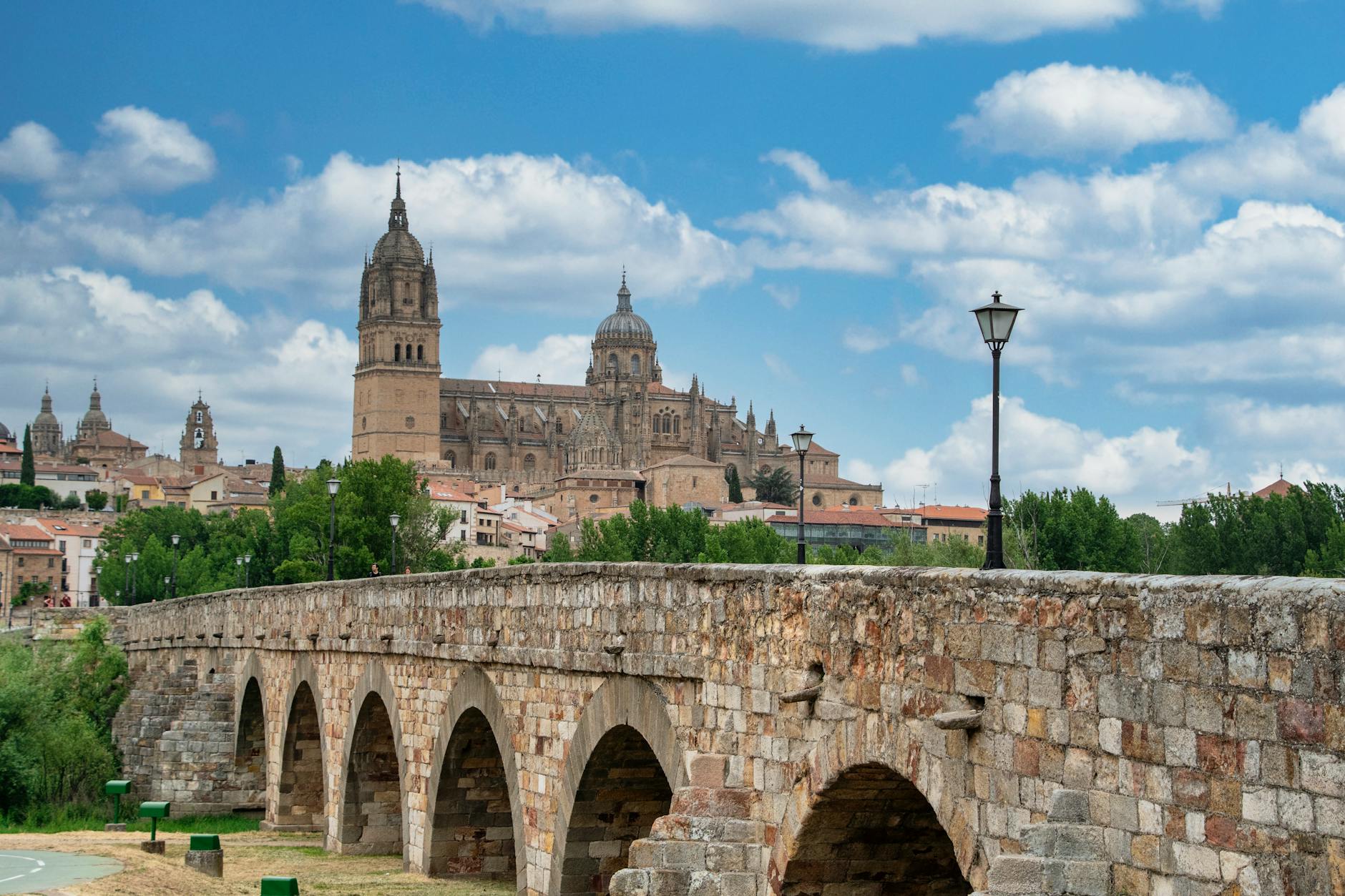
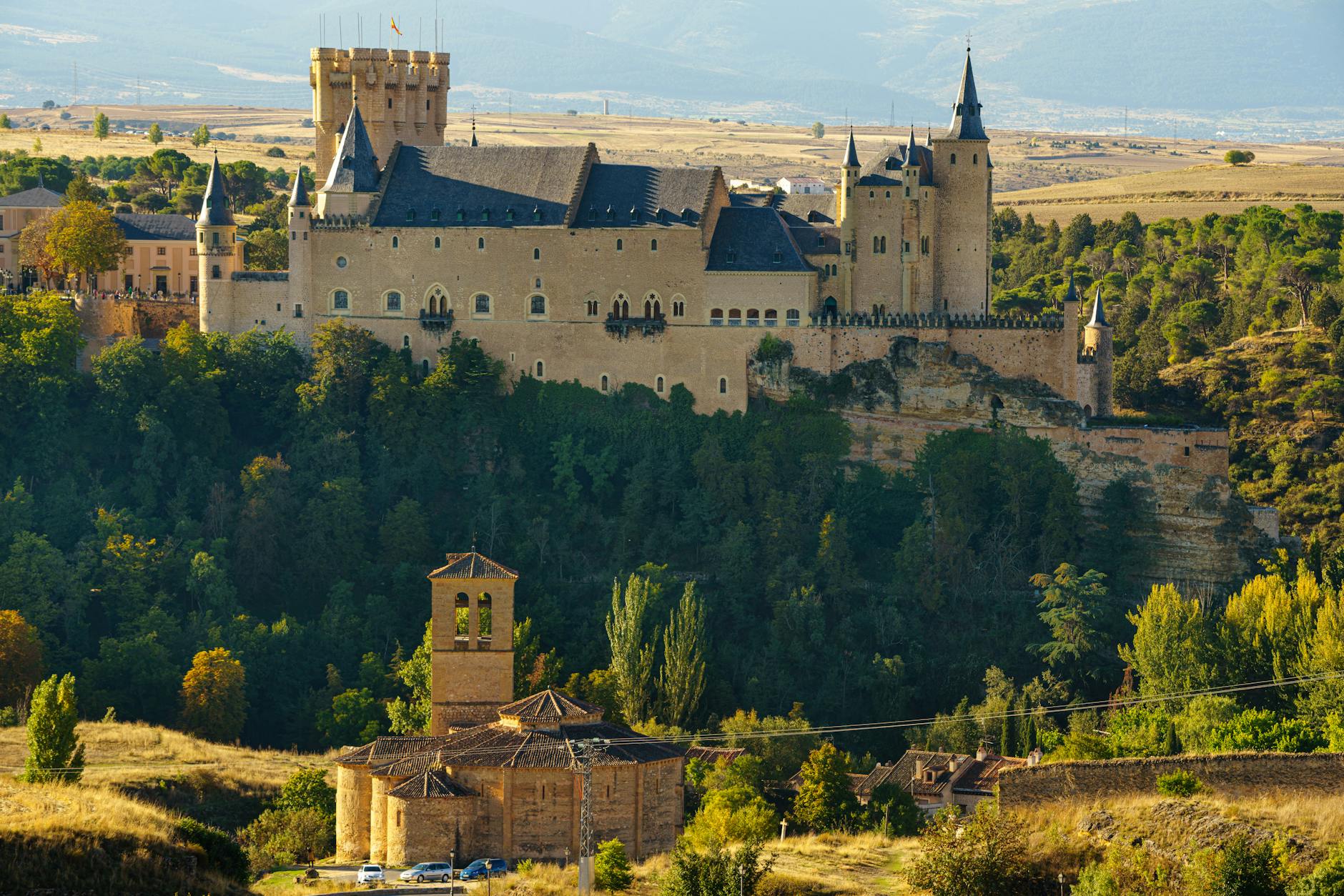
The largest region in Spain, and the one that most rewards a car: a plateau of walled cities, Romanesque churches and vineyards, with Salamanca, León, Burgos and Segovia as four genuine anchors spread across four hundred kilometres. There…
Minimum 5 days · better 8-10 days · deep 2 weeks


In Castilla y León



In Castilla y León





In Castilla y León












Logistics are verified only. We don't publish schedules we haven't confirmed.
Appears In
Ready to build Santo Domingo de Silos into a trip?
You've found a place worth going. When you're ready to turn discovery into an itinerary, Travel Itinerary Co picks up where the Field Guide leaves off — with your saved places already in hand.
Build this into a tripContinues on Travel Itinerary Co
Spain Field Guide may earn a commission when you book through selected links. Recommendations are editorial and independent of commission.