Lerma

Worth the detour and a night. Eat in the plaza, walk the arcades, and expect the town to be yours after eight.
A planned ducal town with a palace, six convents and an arcaded square, none of it crowded.
At a Glance
- — You want a town with nightlife
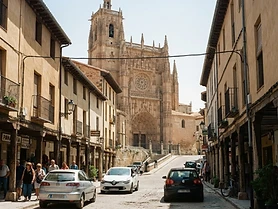
Lerma is the most complete piece of town planning in Castile: a duke bought the town, built a palace, a collegiate church, six convents and an arcaded plaza, and employed the architect who went on to work at El Escorial. The result is a town of uniform stone and brick that has barely changed since the seventeenth century, standing on a hill above the Arlanza valley. It is small, cold in winter and almost entirely unvisited by foreigners. The plaza in the evening, palace lit and nobody about, is the whole point.
How it got here
Francisco de Sandoval y Rojas, first Duke of Lerma and favorite of Felipe III, transformed this settlement into a seat of power during the early seventeenth century. He commissioned Francisco de Mora, architect of El Escorial, to design a unified ensemble of stone and brick. The project encompassed the ducal palace, a collegiate church, and six religious houses connected by passages for courtly convenience. The plaza mayor, vast and austere, served as a stage for royal spectacles and political maneuvering. The death of his influence at court left these stone structures frozen in time, preserving a singular vision of Habsburg architectural ambition intact above the Arlanza river valley.
Where it sits
The town commands a high bluff overlooking the Arlanza valley, surrounded by the open cereal plains of Burgos. Pale stone buildings dominate the ridge, exposed to relentless winds from the north and scorching summer sun. Winter brings freezing temperatures that empty the arcaded streets by dusk. Reach the town from the main road between Burgos and Madrid, though few travelers pause here. The surrounding landscape consists of sweeping agricultural fields, sparse tree cover, and limestone soil typical of the high Castilian plateau. Quiet prevails, broken only by the bells of the collegiate church and the shift of shadows across the deserted plaza.
What to eat and drink
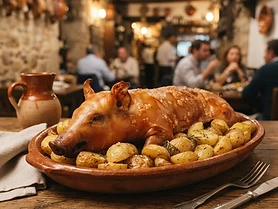
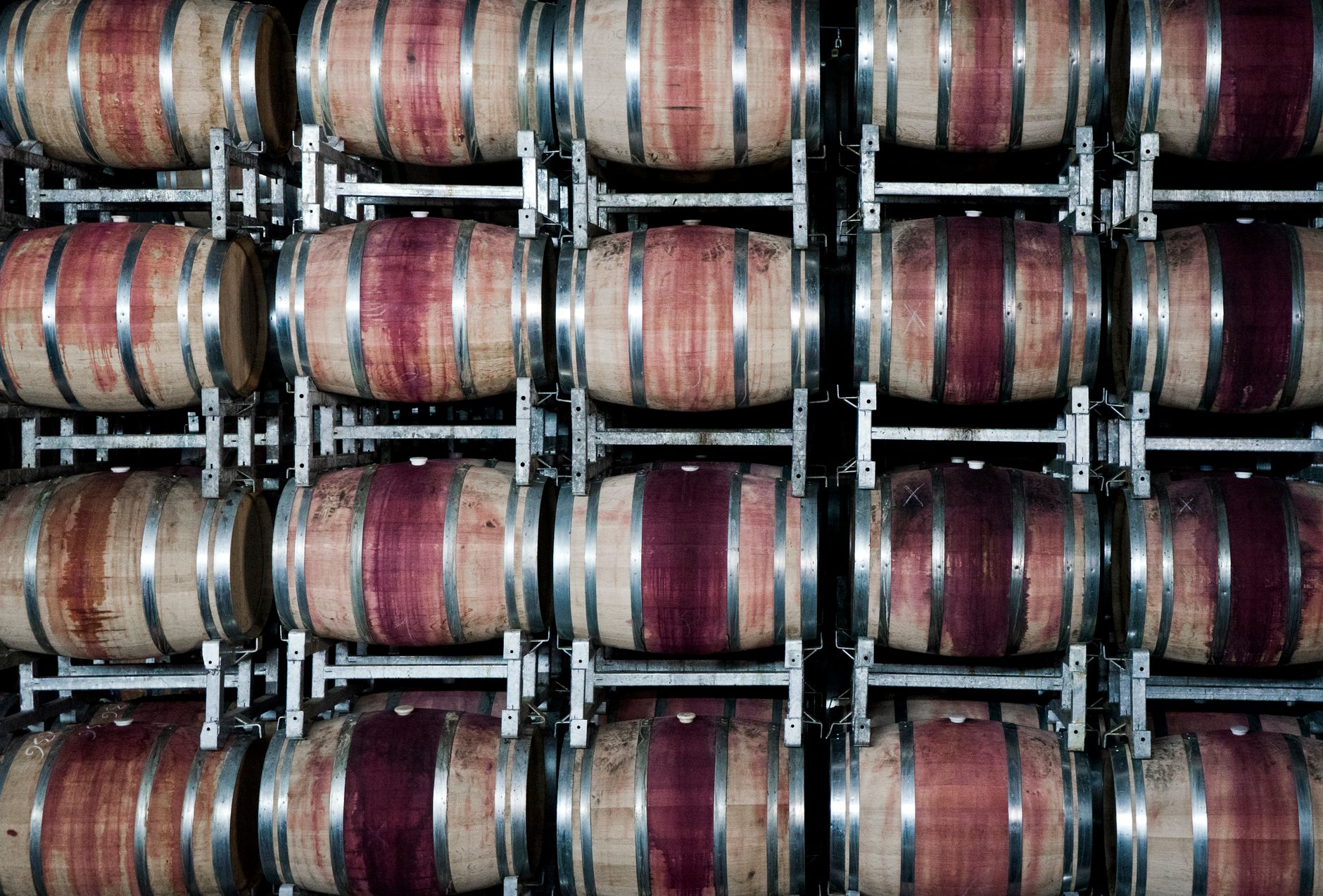
Lechazo asado, milk-fed lamb slow-roasted in a wood-fired clay oven until the skin turns crisp, defines the local table. The province is famous for Morcilla de Burgos, a dark sausage made from pig blood, rice, onions, and lard. Pair these heavy dishes with red wine from the nearby Ribera del Duero, an appellation known for deep, structured bottles produced from Tinta del País grapes. For a simple finish, local bakers produce tortas de aceite, thin, savory biscuits made with olive oil and anise, reflecting the rural traditions of the Castilian countryside.
Castilla y León: the whole region
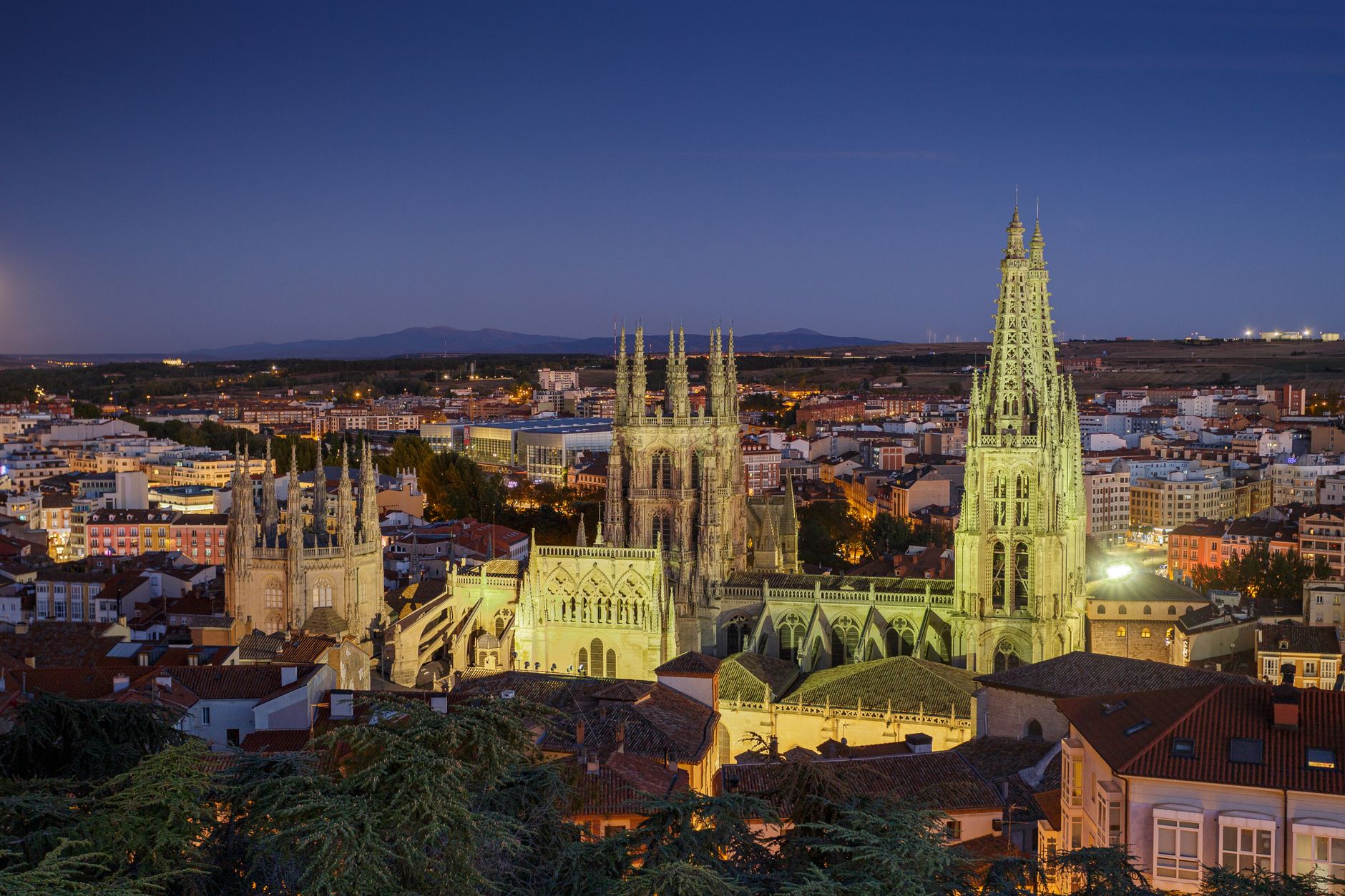
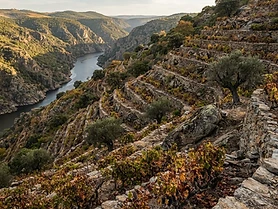
The largest region in Spain, and the one that most rewards a car: a plateau of walled cities, Romanesque churches and vineyards, with Salamanca, León, Burgos and Segovia as four genuine anchors spread across four hundred kilometres. There…
Minimum 5 days · better 8-10 days · deep 2 weeks
What's Nearby


Pair It With

In Castilla y León



In Castilla y León





In Castilla y León












Linked from elsewhere
Entries that name this place in their own nearby lists.

Logistics are verified only. We don't publish schedules we haven't confirmed.
Appears In
Experiences worth booking ahead
Spain Field Guide may earn a commission when you book through selected links. Recommendations are editorial and independent of commission.
Ready to build Lerma into a trip?
You've found a place worth going. When you're ready to turn discovery into an itinerary, Travel Itinerary Co picks up where the Field Guide leaves off — with your saved places already in hand.
Build this into a tripContinues on Travel Itinerary Co
Spain Field Guide may earn a commission when you book through selected links. Recommendations are editorial and independent of commission.