Arribes Wine
Worth an afternoon and a case if you like firm, old-fashioned reds. Skip if you are driving straight through.
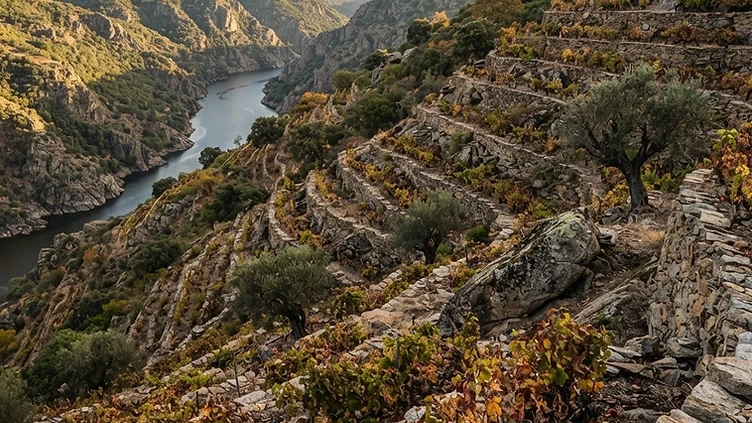
Vines that predate phylloxera, on terraces you would not believe were farmed by hand.
Arribes del Duero · Sierra de Urbión · Aranda de Duero · Sierra de Francia
At a Glance
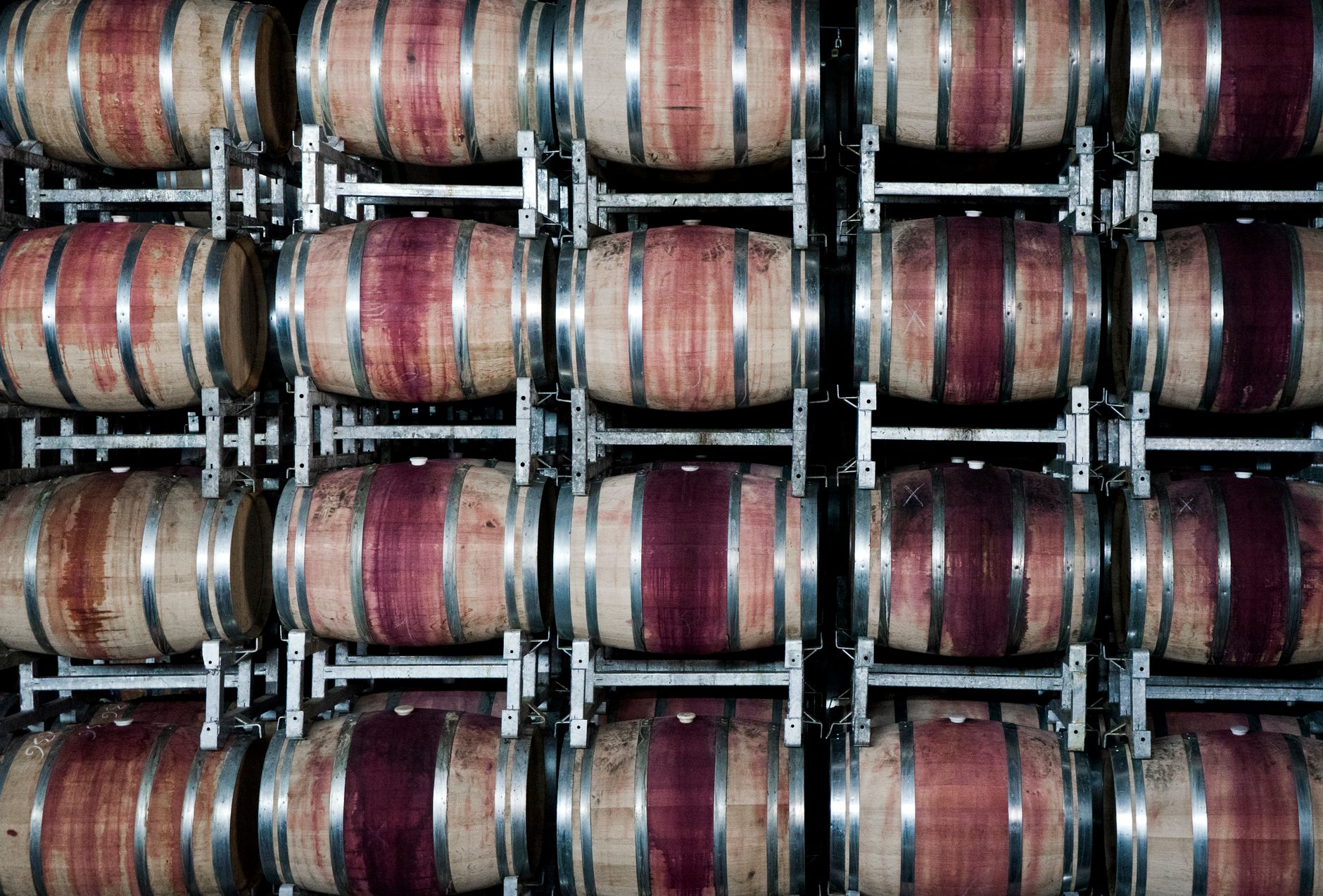
The Arribes denomination is tiny and the vines are unlike anywhere else in Spain: planted on narrow terraces cut into the granite slopes of the gorge, many of them pre-phylloxera and growing on their own roots. Juan García is the local red grape — dark, firm, and low in alcohol by Spanish standards — with Rufete and Tempranillo in the blend. A few small bodegas in Fermoselle and around the park sell direct, and there is a wine museum in the village. Buy a bottle from the producer; this is not a region with a visitor centre.
How it got here
These granite canyons trace the border where the Duero river turns south to slice through the Iberian plateau. The Arribes zone follows the natural rift between the provinces of Zamora and Salamanca. For centuries this frontier acted as a barrier, isolating the villages along the gorge from the broader plains of Castilla y León. Farmers built terraced dry stone walls on the riverbanks to cultivate grapes in a microclimate protected from northern winds. These persistent planting patterns allowed vines to survive phylloxera because the sandy soil discouraged the insect. The resulting isolation preserved older, indigenous grape varieties that define the viticulture here today.
Where it sits
The gorge plunges three hundred meters from the high wheat plains of the plateau to the riverbed. Scrub oak and juniper cling to the vertical granite walls that bake in summer heat and trap humidity during the winter months. Narrow roads wind through the plateau before dropping abruptly into the canyon toward Fermoselle. This environment creates a sharp divide between the flat, wind-swept Meseta and the sheltered, Mediterranean pockets along the water. Visitors arrive by road from Zamora, passing through empty stone hamlets that feel disconnected from the industrial pace of the central Spanish interior.
What to eat and drink
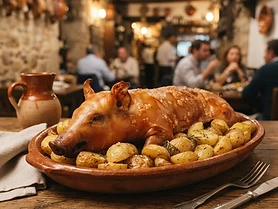
Juan García produces red wines with a distinct, tart profile that reflects the granite soil and slow ripening in the canyon heat. These wines pair with the heavy, protein-rich diet of rural Zamora. Hornazo is the standard local loaf, a thick wheat crust packed with chorizo, ham, and hard-boiled eggs. Queso Arribes, a raw sheep milk cheese from the surrounding grazing lands, provides a sharp contrast to the firm tannins of the local red grapes. Stews featuring chickpeas from nearby Fuentesaúco serve as the foundation for the midday meal when the seasons turn cold.
Castilla y León: the whole region
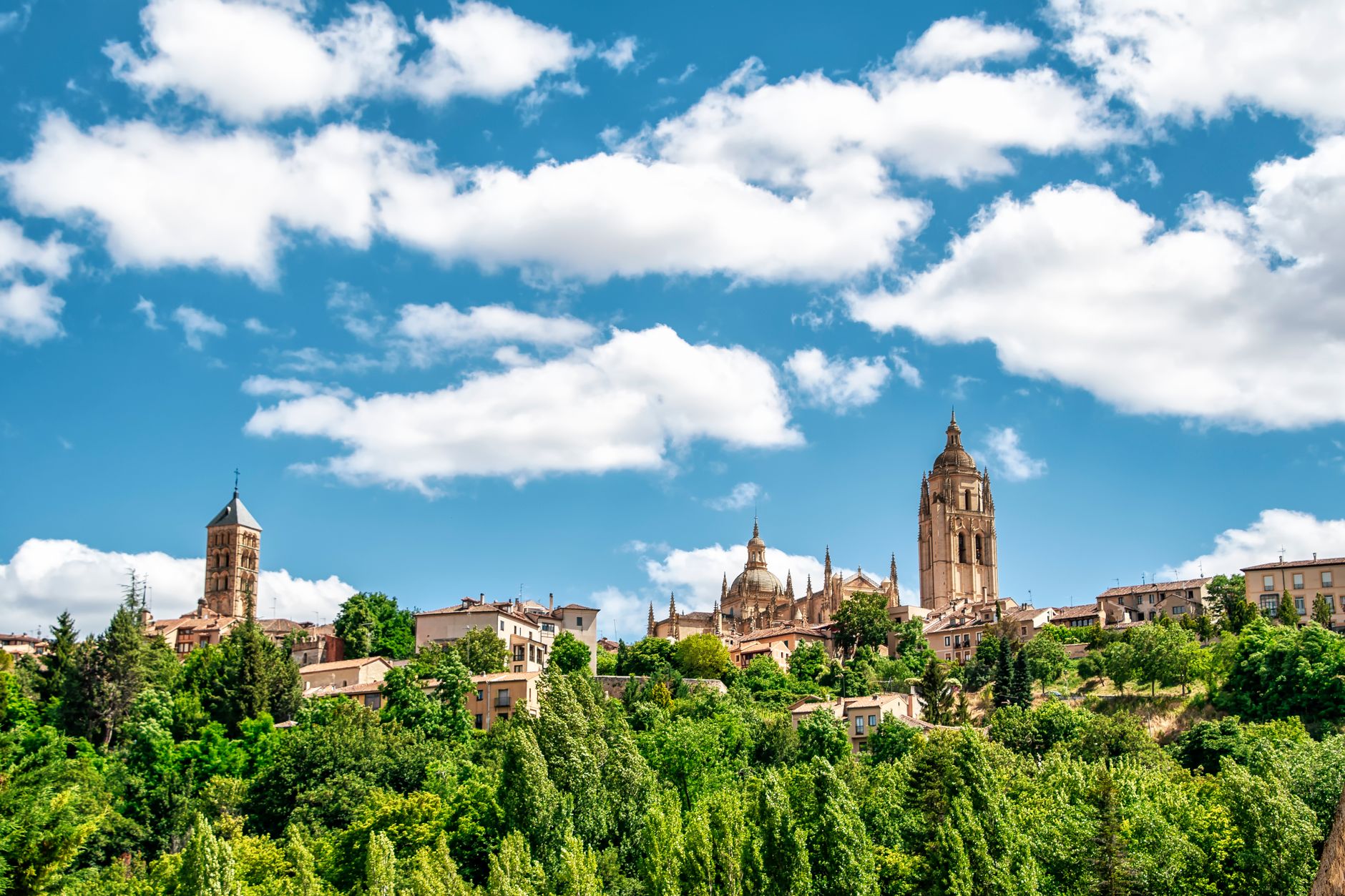
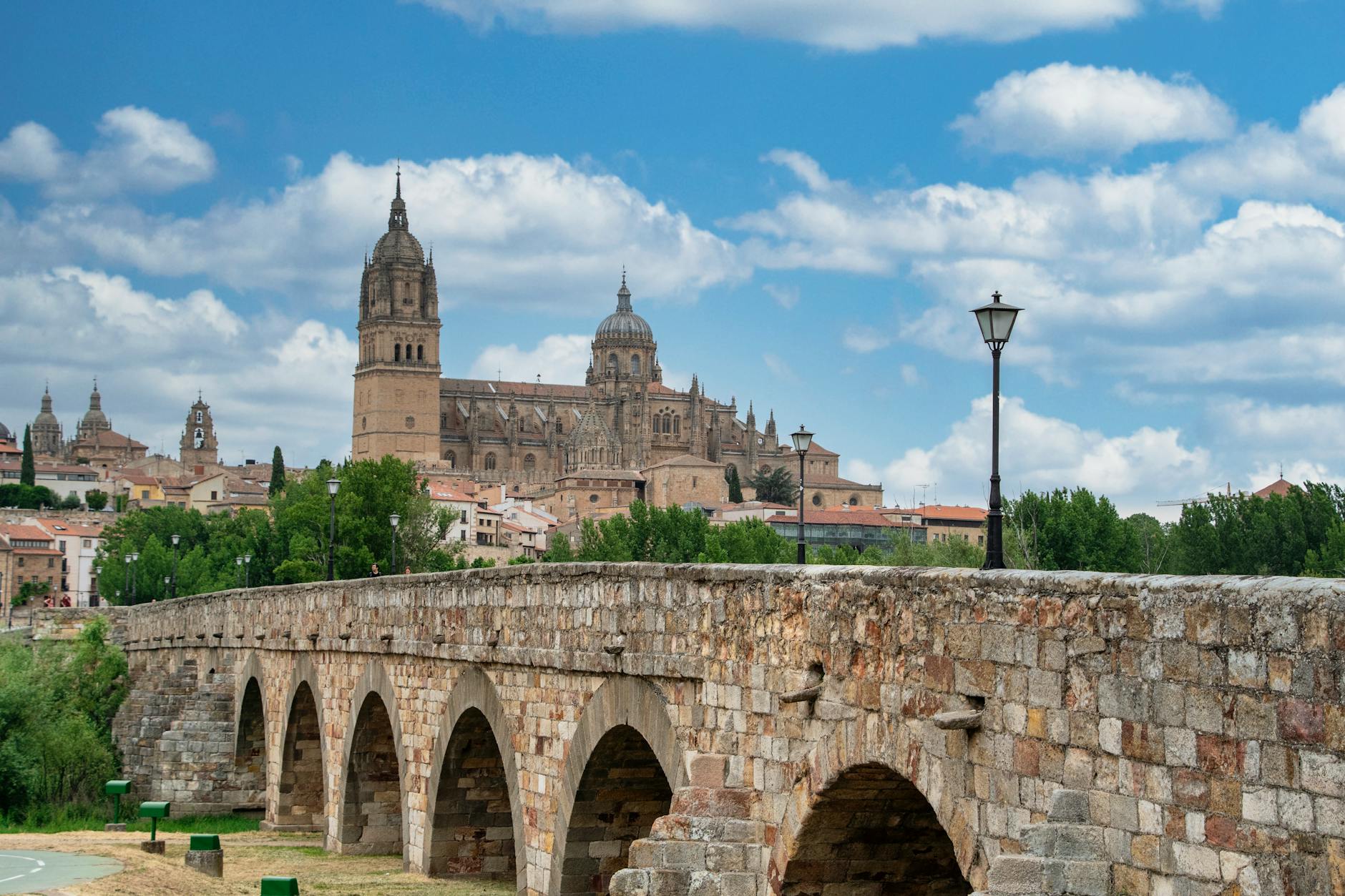
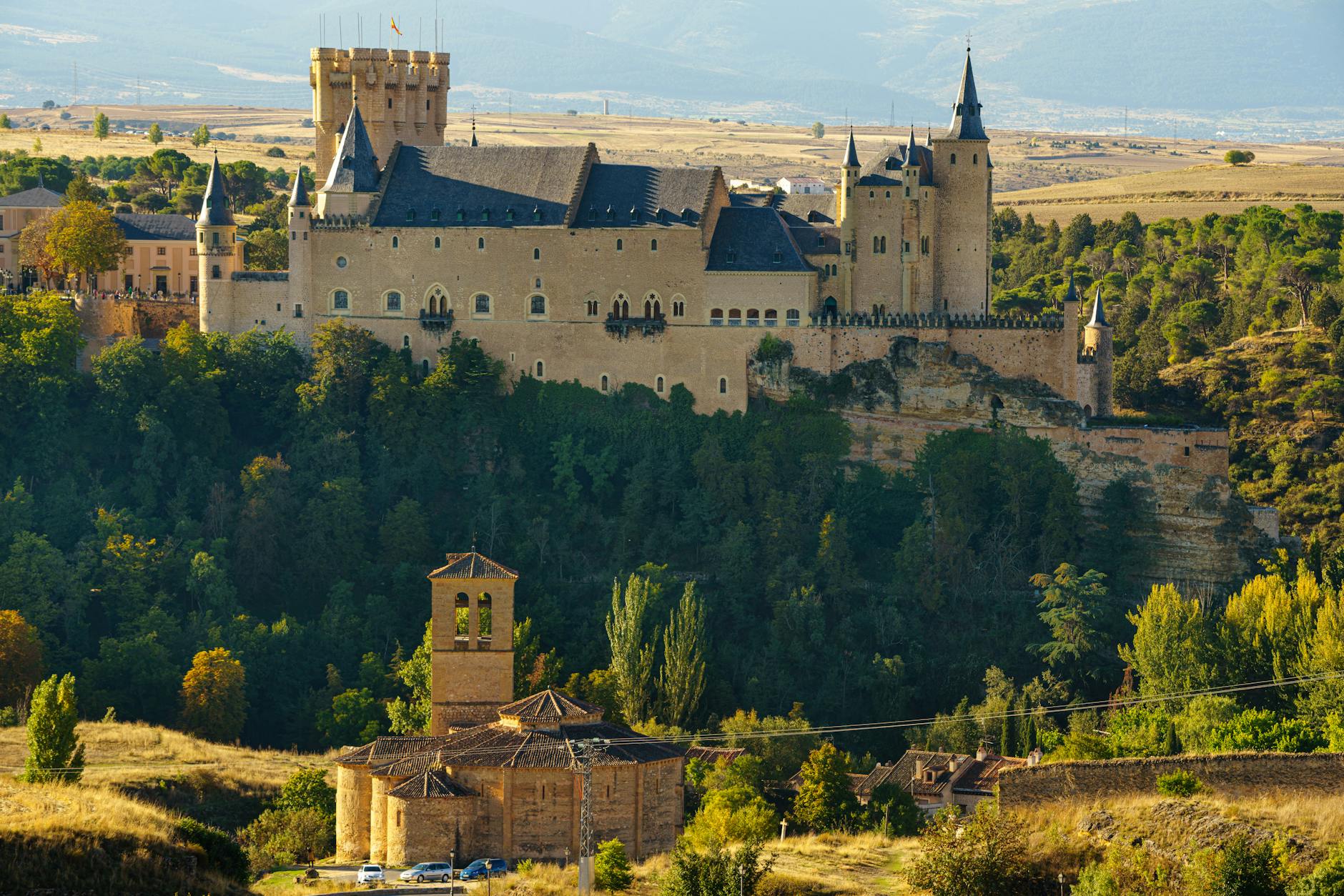
The largest region in Spain, and the one that most rewards a car: a plateau of walled cities, Romanesque churches and vineyards, with Salamanca, León, Burgos and Segovia as four genuine anchors spread across four hundred kilometres. There…
Minimum 5 days · better 8-10 days · deep 2 weeks
In Castilla y León



In Castilla y León



In Castilla y León












Logistics are verified only. We don't publish schedules we haven't confirmed.
Ready to build Arribes Wine into a trip?
You've found a place worth going. When you're ready to turn discovery into an itinerary, Travel Itinerary Co picks up where the Field Guide leaves off — with your saved places already in hand.
Build this into a tripContinues on Travel Itinerary Co
Spain Field Guide may earn a commission when you book through selected links. Recommendations are editorial and independent of commission.