Iglesia de Santa María la Antigua

Ten minutes on a Valladolid walk for the brick tower alone — Romanesque, improbably slim, and unlike anything else in the city. It is a parish rather than a monument, so step in if the doors are open and do not plan around it.
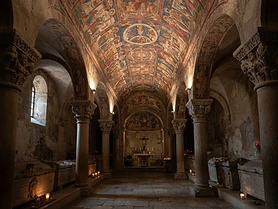
Valladolid's oldest church, whose 13th-century Romanesque-Mudéjar brick tower outlasted everything rebuilt around it — a fragment of the medieval city standing inside the modern one.
At a Glance
Standing as a sturdy sentinel of the Romanesque era, this church’s slender brick tower cuts an archaic silhouette against the modern urban center. The exterior brickwork has a warm, weathered texture that contrasts sharply with the contemporary commercial buildings nearby. It is a quiet survivor, its simple, dignified lines reminding passersby of the city’s medieval foundations while the rest of the plaza moves at a much faster pace.
How it got here
Valladolid rose to political prominence in the eleventh century as a defensive bastion for the Kingdom of León. The church stands on the site of foundations laid before the city became the temporary capital of the Spanish Empire. Its slender brick tower defines the skyline, a hallmark of the Mudéjar style developed by artisans under Christian rule after the reconquest of the Duero valley. The architecture captures the transition of the medieval city from a frontier outpost into a center of ecclesiastical power. While the interior underwent alterations during the Gothic period, the tower endures as the physical record of the architectural synthesis practiced in the twelfth and thirteenth centuries.
Where it sits
The city occupies the flat basin of the Duero river, a dry expanse of cereal plains that shift from scorched brown in the heat of August to bitter gray when winter mists arrive from the meseta. Streets radiate from the Plaza Mayor, where the church holds a central position among modern storefronts and granite paving. Visitors arrive by high-speed rail lines that cut through the surrounding agricultural scrubland. In the summer, the heat off the meseta turns the plaza into a quiet zone during the middle of the day. Wind sweeps across the open landscape throughout the year, cooling the evenings even in midsummer.
What to eat and drink
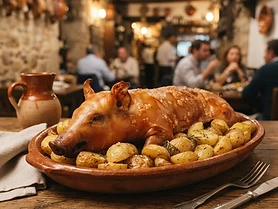
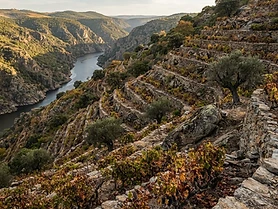
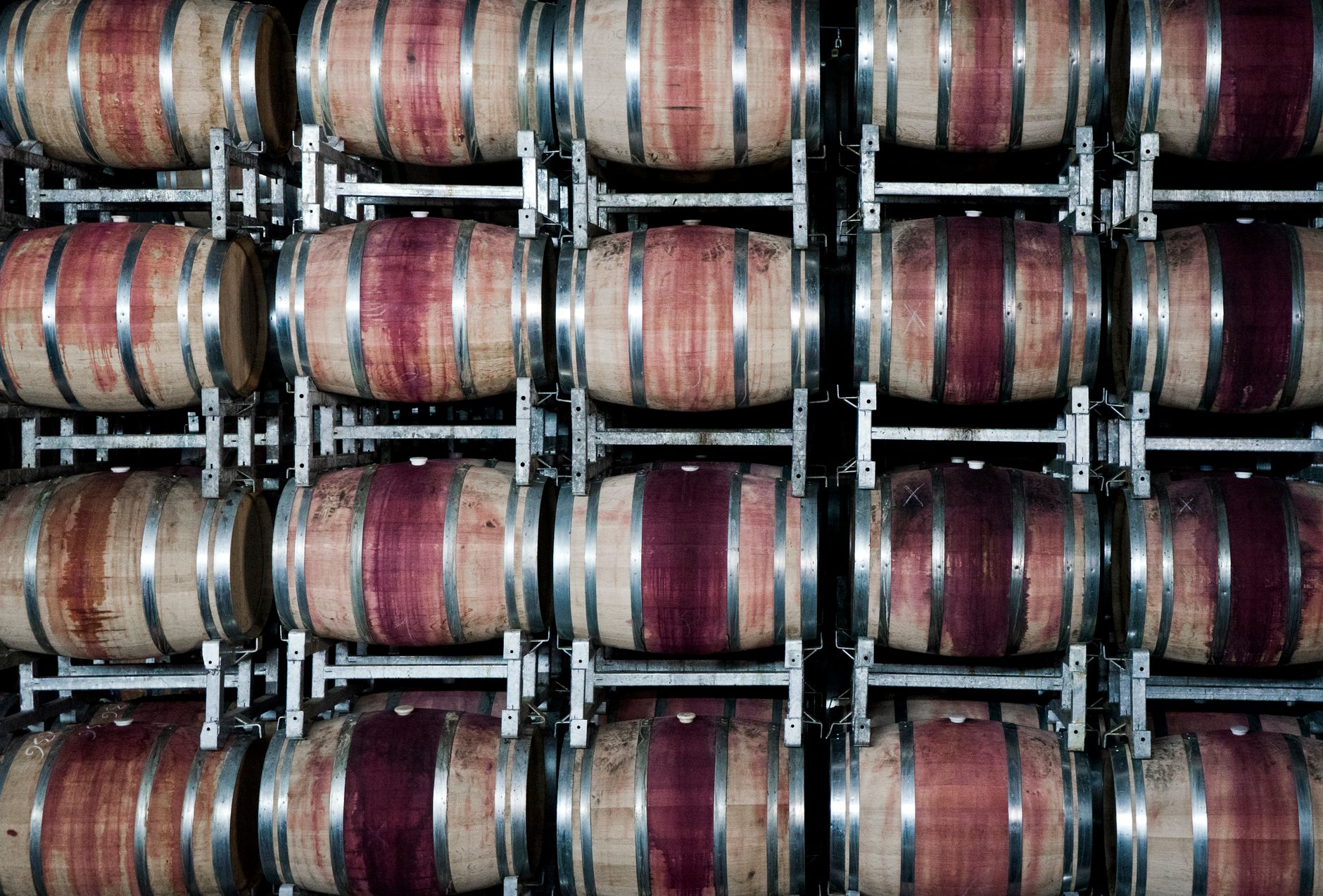
Lechazo asado, suckling lamb rubbed with lard and roasted in wood-fired ovens, defines the local diet. The province leans on the produce of the Tierra de Campos, a wheat-growing landscape that yields hearty soups like sopa de ajo, made with bread, garlic, and paprika. Wine from the nearby Ribera del Duero provides a dark, heavy pairing for the lamb, drawing from the Tempranillo grapes grown in the river valley. When the harvest ends, the local bakeries sell mantecadas, small cakes made with butter and flour that persist as the standard accompaniment to the intense, dark coffee served in the cafes surrounding the church.
Castilla y León: the whole region
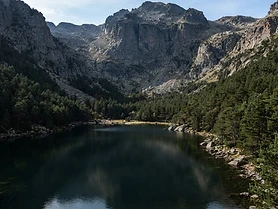
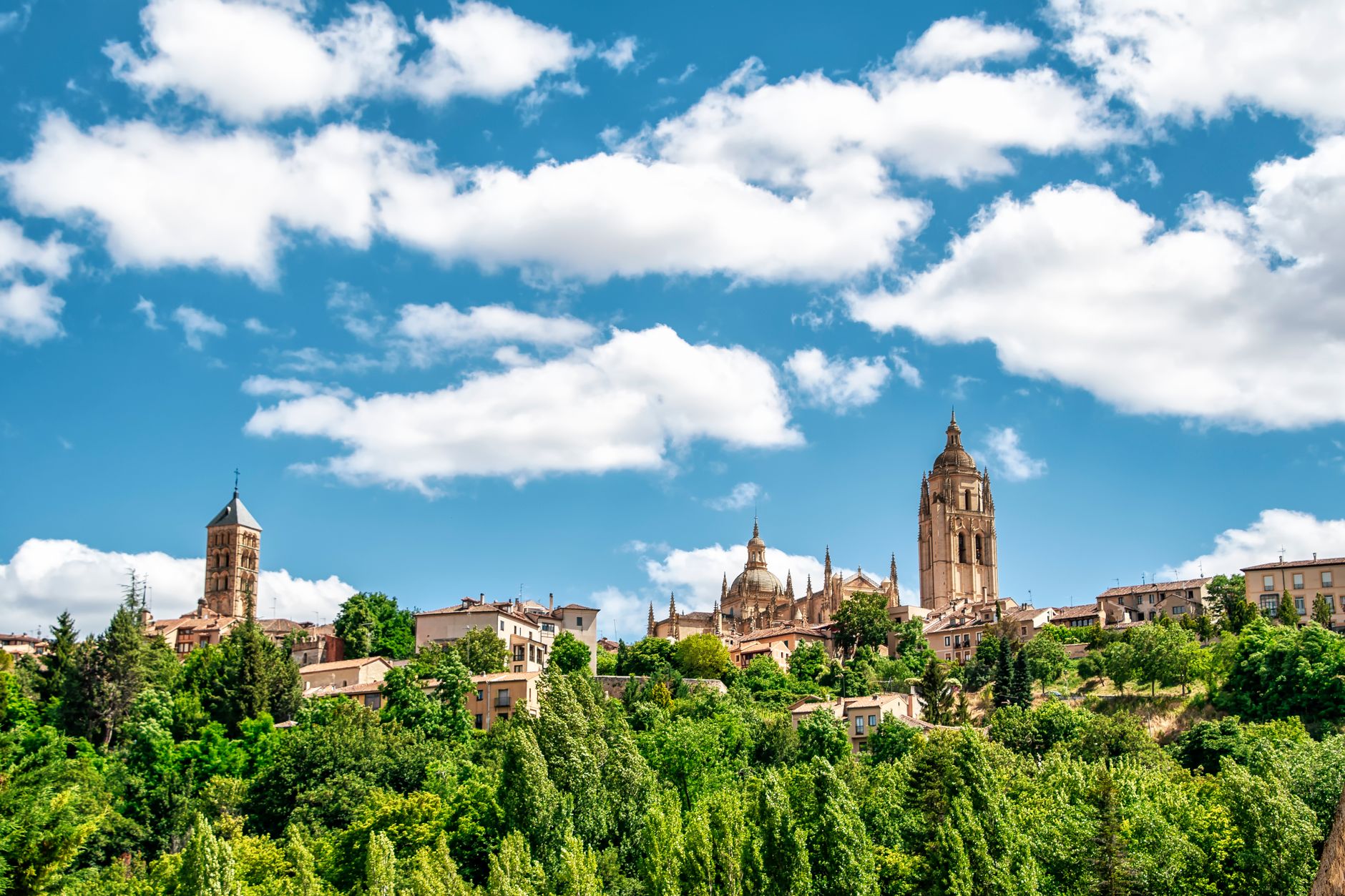
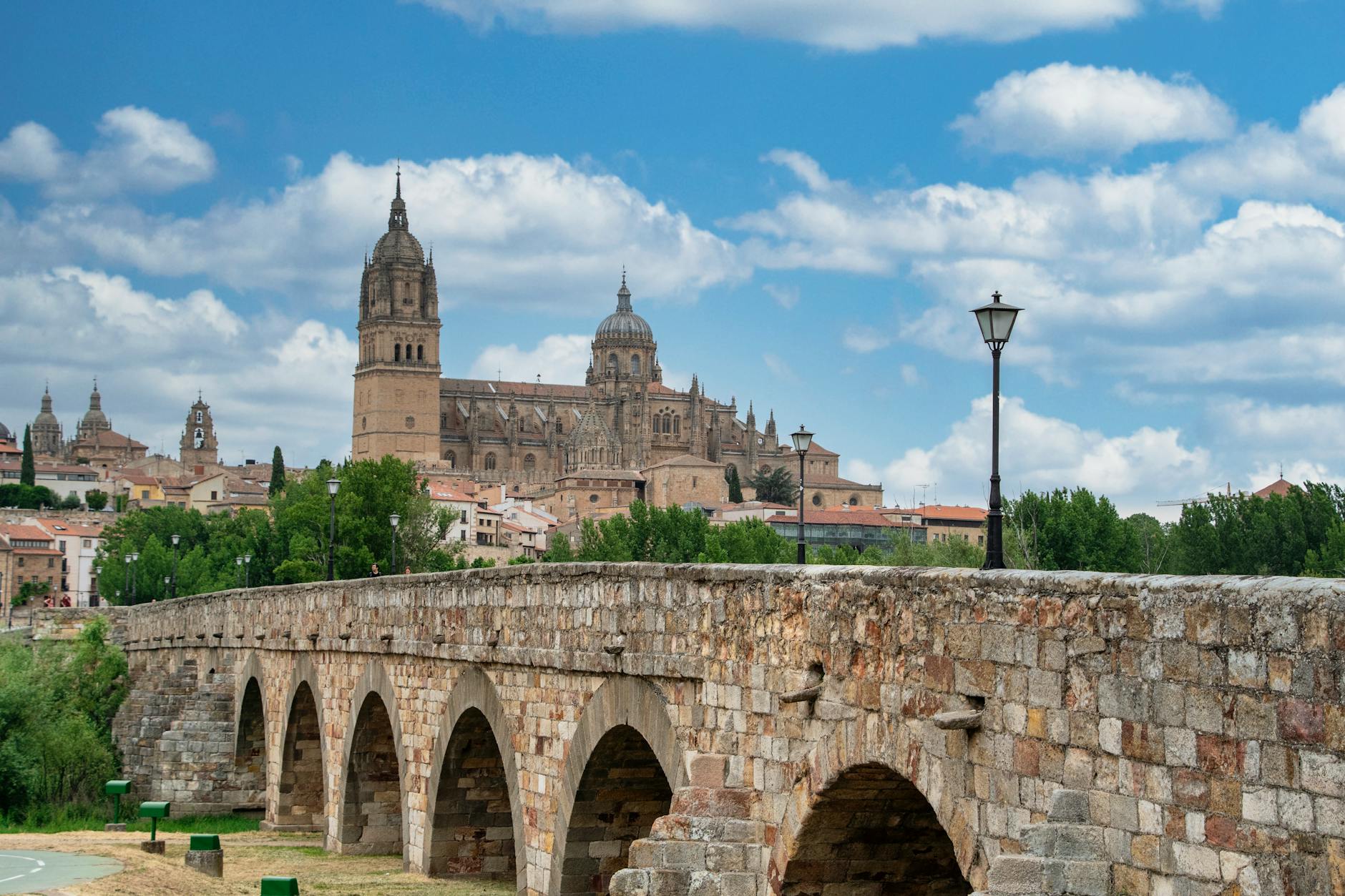
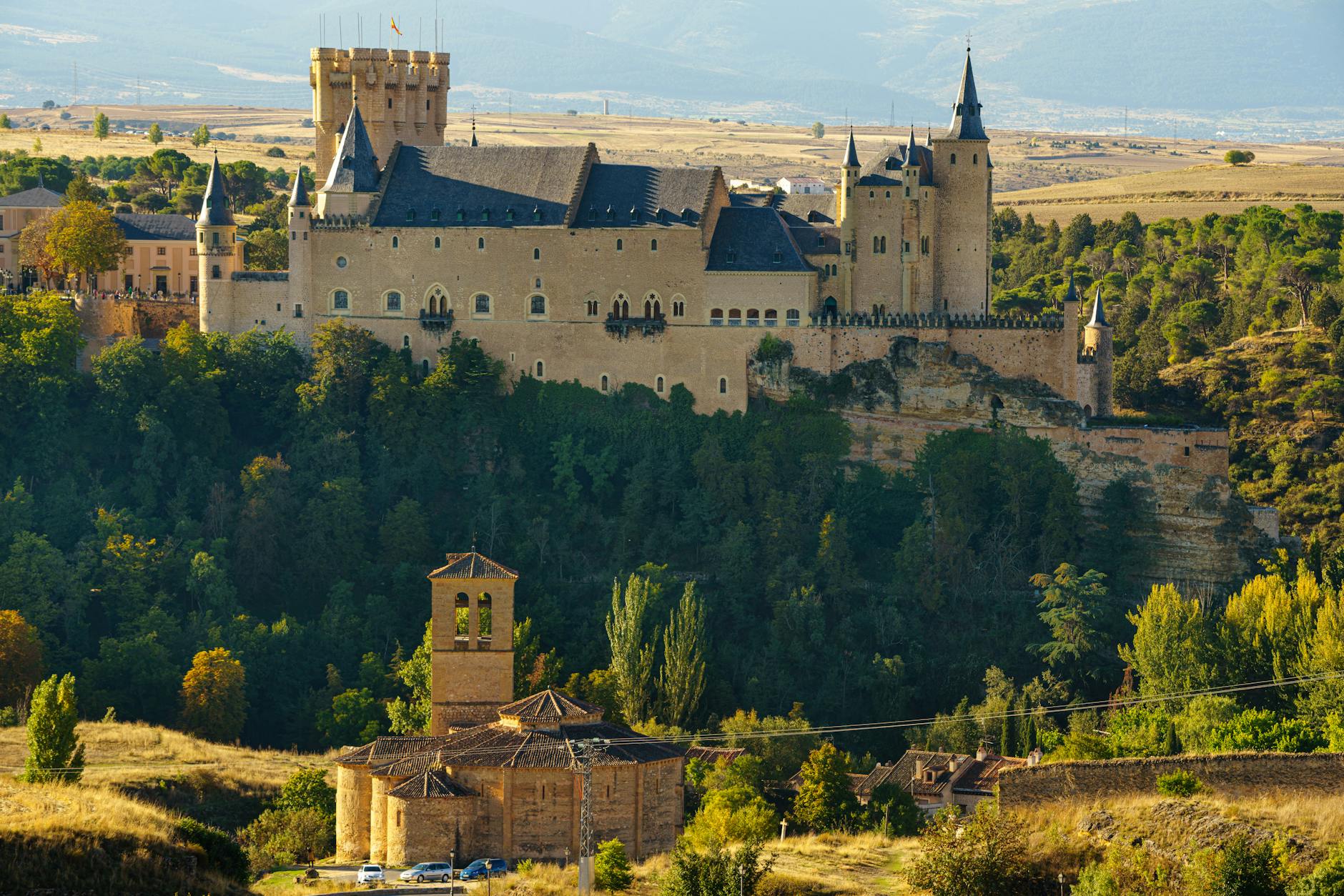
The largest region in Spain, and the one that most rewards a car: a plateau of walled cities, Romanesque churches and vineyards, with Salamanca, León, Burgos and Segovia as four genuine anchors spread across four hundred kilometres. There…
Minimum 5 days · better 8-10 days · deep 2 weeks

In Castilla y León



In Castilla y León





In Castilla y León












Logistics are verified only. We don't publish schedules we haven't confirmed.
Ready to build Iglesia de Santa María la Antigua into a trip?
You've found a place worth going. When you're ready to turn discovery into an itinerary, Travel Itinerary Co picks up where the Field Guide leaves off — with your saved places already in hand.
Build this into a tripContinues on Travel Itinerary Co
Spain Field Guide may earn a commission when you book through selected links. Recommendations are editorial and independent of commission.