Morcilla de Burgos

Buy it from a Burgos market; it should slice cleanly and taste of onion, not just spice.
Burgos' rice-and-blood sausage: pork blood, onion, lard, rice and pimentón, cased and simmered. Eaten fried, in stews, or cold on bread — the most famous morcilla in Spain, defining Castilian charcuterie.
At a Glance
- — You don't eat blood sausage
Widely considered the definitive Spanish blood sausage, this version from Burgos is defined by its generous use of onion and rice, which gives it a crumbly, savory texture. It is seasoned with pimentón and stuffed into casings, then simmered to a dark, complex finish. Whether sliced cold on bread or fried until the edges crisp, it is a piece of charcuterie that speaks to the patience and craft of Castilian kitchens.
How it got here
Castilian kitchens developed this sausage as a product of the cereal harvest and the domestic pig slaughter. The specific combination of rice and onion emerged from the distinct agricultural reality of the Burgos plateau where wheat and barley dominated the fields and vegetable gardens supplied the aromatic base. This preserved meat allowed households to utilize every part of the animal through the winter months. The reliance on rice distinguishes this product from mountain sausages that rely solely on bread or pork fat. This method provided a stable food source for laboring families and solidified the recipe as a cornerstone of provincial culinary identity.
Where it sits
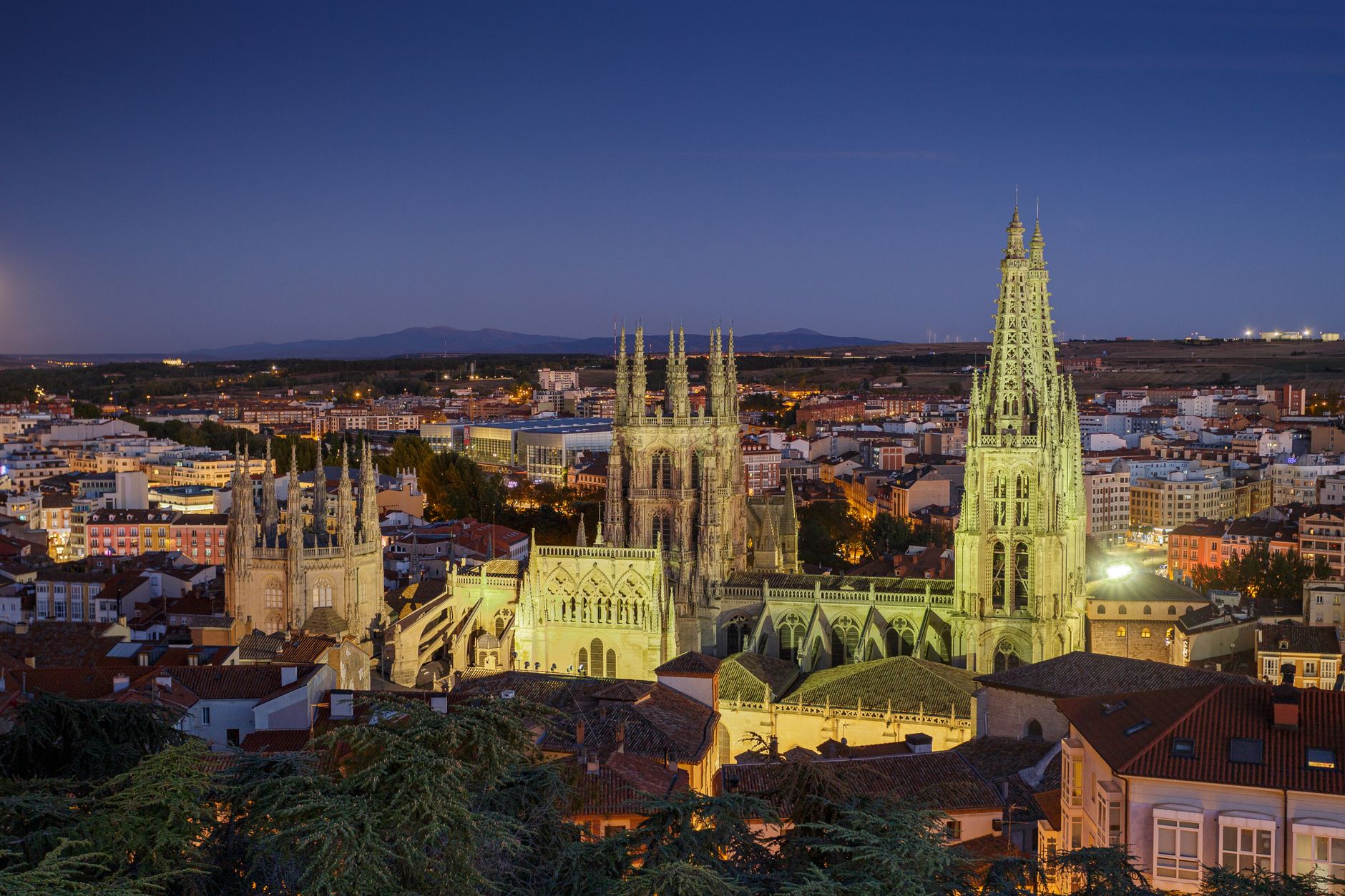
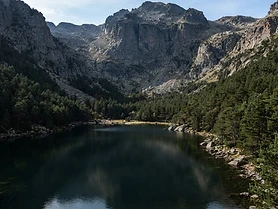
The Burgos plateau stretches across a high, windswept expanse of central Spain. Pale limestone soils and vast cereal fields define the horizon under a thin, clear atmosphere. Winters bring biting winds and heavy frosts that turn the sky a hard grey, while summers hold a dry, intense heat that dissipates quickly once the sun drops. Roads cut through the open plains, connecting stone villages where life follows the rhythm of the harvest and the freezing temperatures of the elevated meseta. It is a landscape of scale and scarcity that mandates hearty, warming food to endure the long months of dormancy.
What to eat and drink
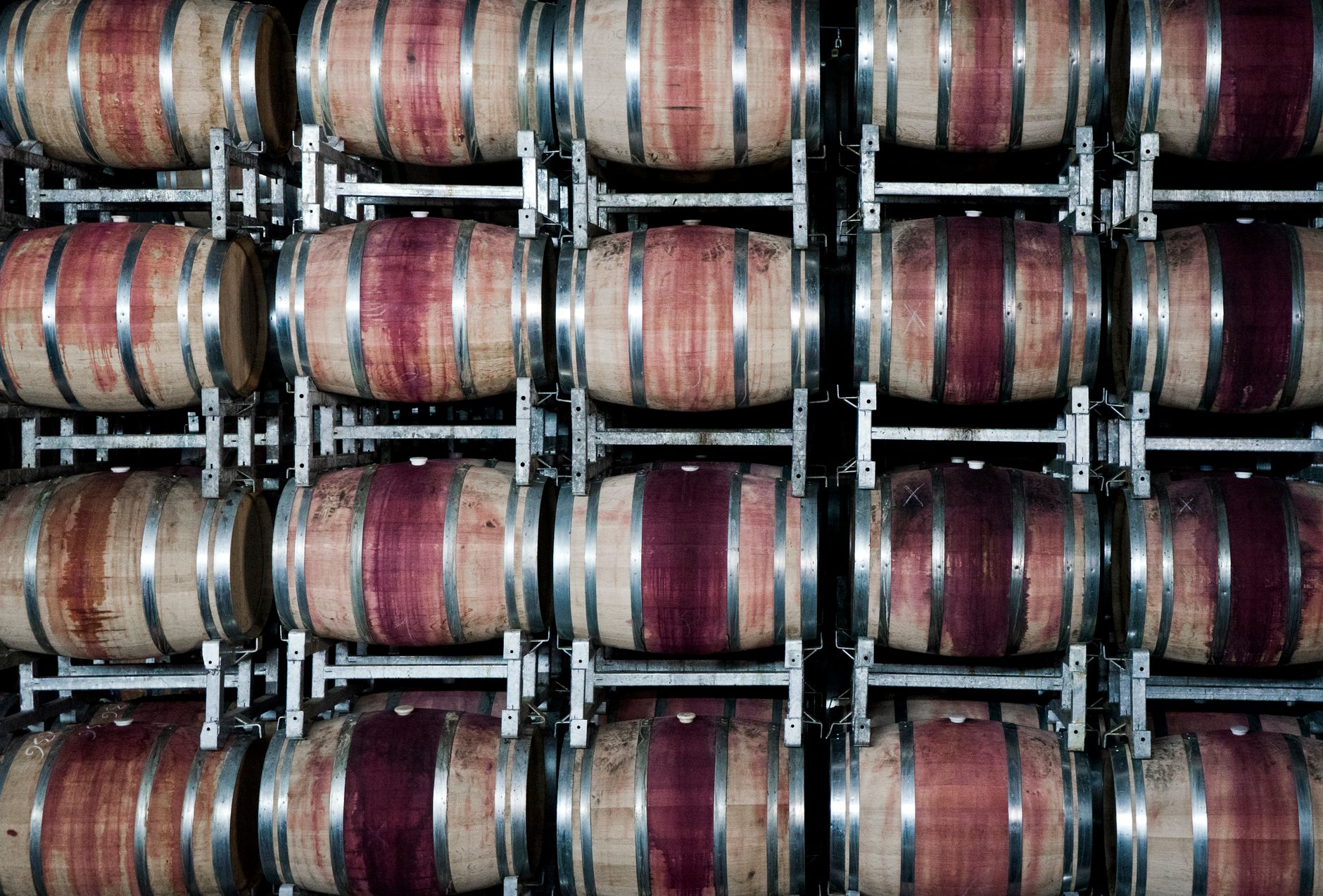
Slices of the sausage fry in olive oil until the rice grains swell and the casing tightens. Serve it alongside a glass of Ribera del Duero, a dark red wine from the nearby valley that provides the tannin necessary to cut through the richness of the blood and animal fat. Pair this with morcilla with roasted piquillo peppers, small charred fruits that bring a sharp acidity. A simple salad of local legumes dressed with olive oil provides the necessary texture to contrast the soft, dense interior of the sausage. Finish the meal with a wedge of aged sheep cheese.
Castilla y León: the whole region
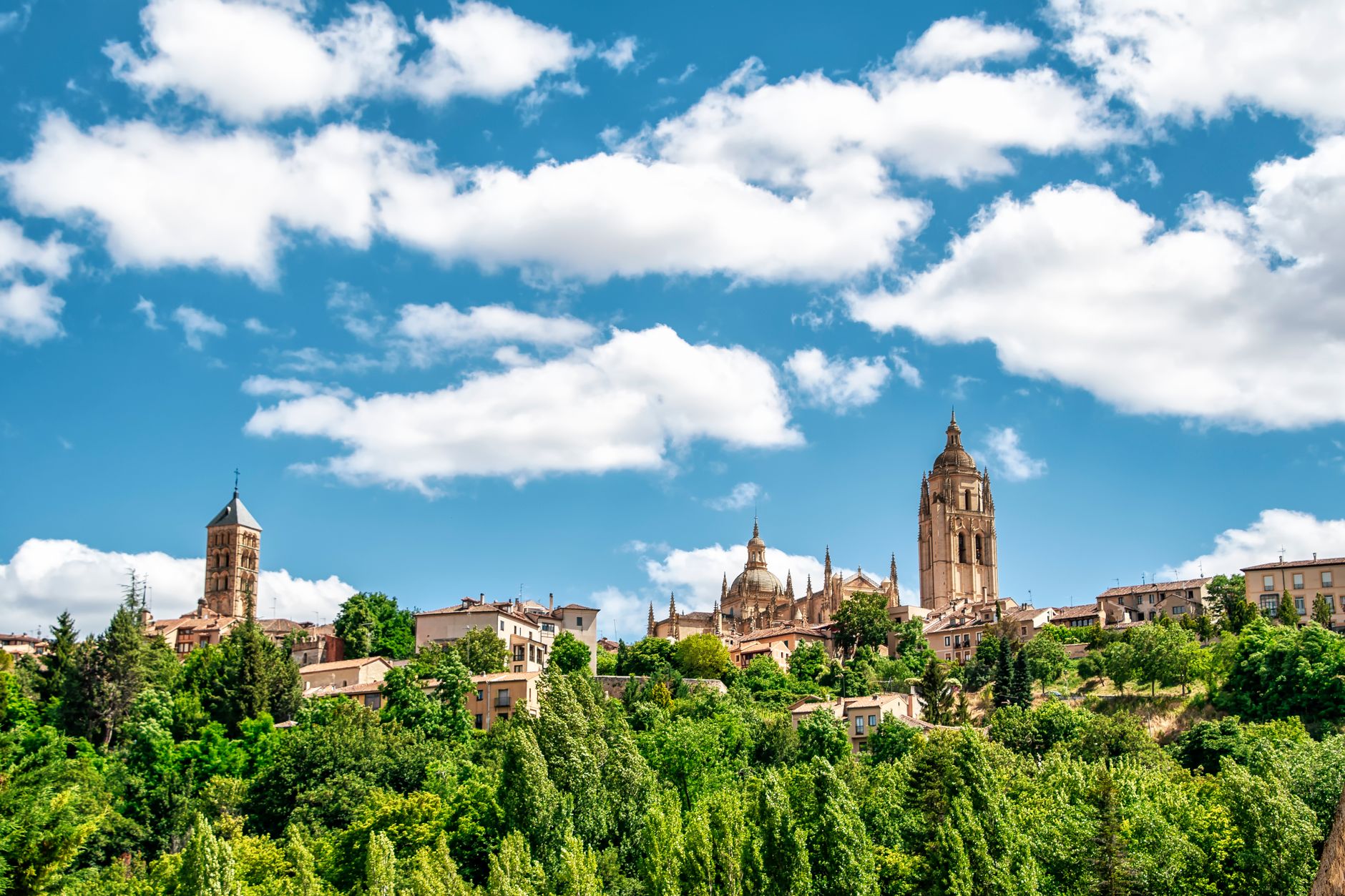
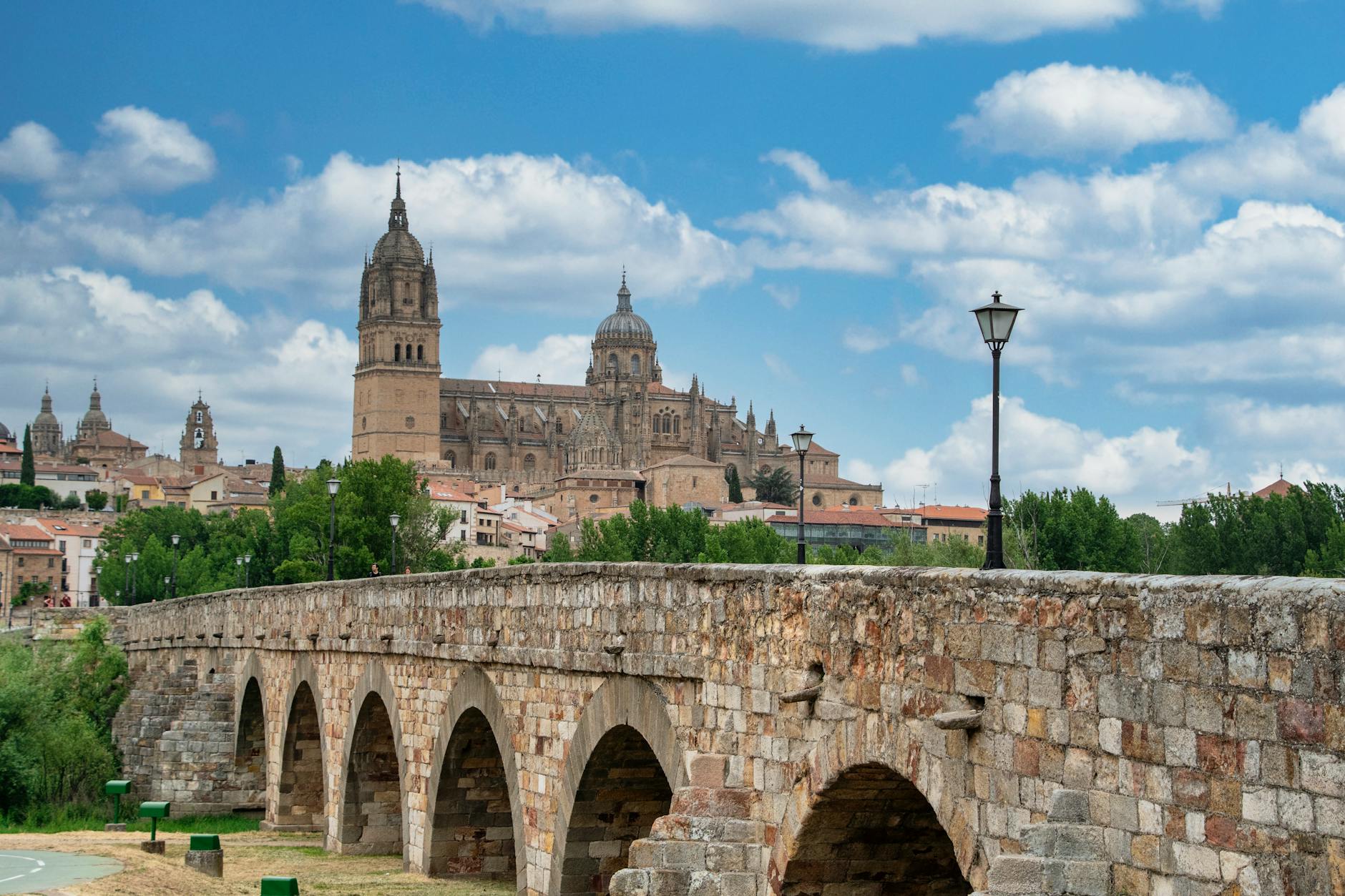
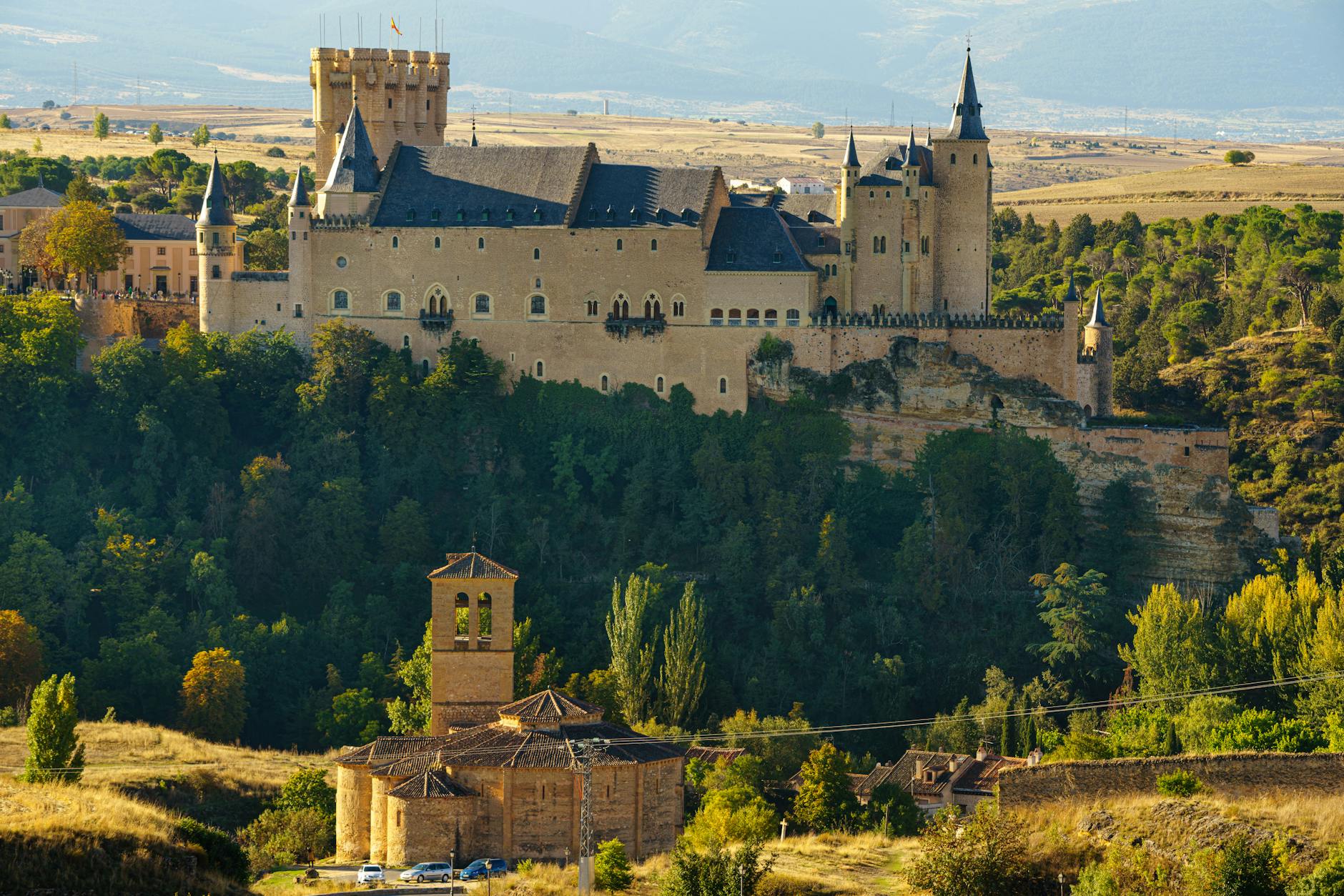
The largest region in Spain, and the one that most rewards a car: a plateau of walled cities, Romanesque churches and vineyards, with Salamanca, León, Burgos and Segovia as four genuine anchors spread across four hundred kilometres. There…
Minimum 5 days · better 8-10 days · deep 2 weeks
What's Nearby

Pair It With


In Castilla y León


In Castilla y León





In Castilla y León











Logistics are verified only. We don't publish schedules we haven't confirmed.
Ready to build Morcilla de Burgos into a trip?
You've found a place worth going. When you're ready to turn discovery into an itinerary, Travel Itinerary Co picks up where the Field Guide leaves off — with your saved places already in hand.
Build this into a tripContinues on Travel Itinerary Co
Spain Field Guide may earn a commission when you book through selected links. Recommendations are editorial and independent of commission.