León

A strong overnight on the Camino or a northern drive. The cathedral glass alone is worth the stop.
A Camino city with the finest stained glass in Spain and a free-tapas tradition that's the real thing.
At a Glance
- — You're not on the Camino Francés or crossing Castilla y León
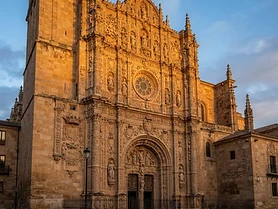
Dominating the local landscape, the city’s cathedral glows with centuries-old stained glass that turns the interior into a kaleidoscope of dancing light. Beyond the stone walls, the streets fill with locals moving between small bars to enjoy a glass of wine and a complimentary plate of cecina or morcilla. It is a place of perpetual movement, where the grandeur of Gothic architecture meets a noisy, democratic culture of drinking and eating.
How it got here
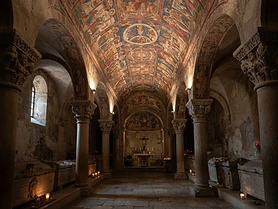
Legio VII Gemina established a permanent camp here in the first century, a tactical anchor that allowed for the exploitation of gold in the surrounding Las Médulas. The city became a core administrative node of the Kingdom of León after the tenth century, functioning as a primary seat of power during the Reconquista. Its stone walls and the royal pantheon at the Basilica of San Isidoro mark the prominence of its medieval monarchs. The shift from a frontier military outpost to a quiet provincial capital left the city with a dense network of Romanesque and Gothic foundations that still anchor the current street plan.
Where it sits
The city occupies a flat basin at the confluence of the Bernesga and Torío rivers, serving as a gateway between the Cantabrian Mountains and the open plains of the Meseta. Summer heat lingers on the limestone facades while winter winds descend from the northern peaks, often coating the cathedral spires in snow. High altitude keeps the evenings sharp even in July. Traffic slows as the city center gives way to the agricultural sweep of the surrounding cereal fields. Reaching this point requires crossing the high plateau that defines the transition from northern mountain passes to the dry Castilian interior.
What to eat and drink
The local diet centers on the products of the mountain pastures and the slaughter of the pig. Cecina, a salted and air-dried beef cured in the cold mountain air, serves as the standard starter. Morcilla, a blood sausage thickened with onions and bread, appears frequently in tapas bars. Diners consume these alongside glasses of red wine produced in the Bierzo area or the nearby Tierra de León. During colder months, sopa de ajo, a broth of garlic, bread, and paprika, remains the primary dish for those coming in from the mountain winds.
Castilla y León: the whole region
The largest region in Spain, and the one that most rewards a car: a plateau of walled cities, Romanesque churches and vineyards, with Salamanca, León, Burgos and Segovia as four genuine anchors spread across four hundred kilometres. There…
Minimum 5 days · better 8-10 days · deep 2 weeks

What's Nearby


Pair It With


In Castilla y León



In Castilla y León




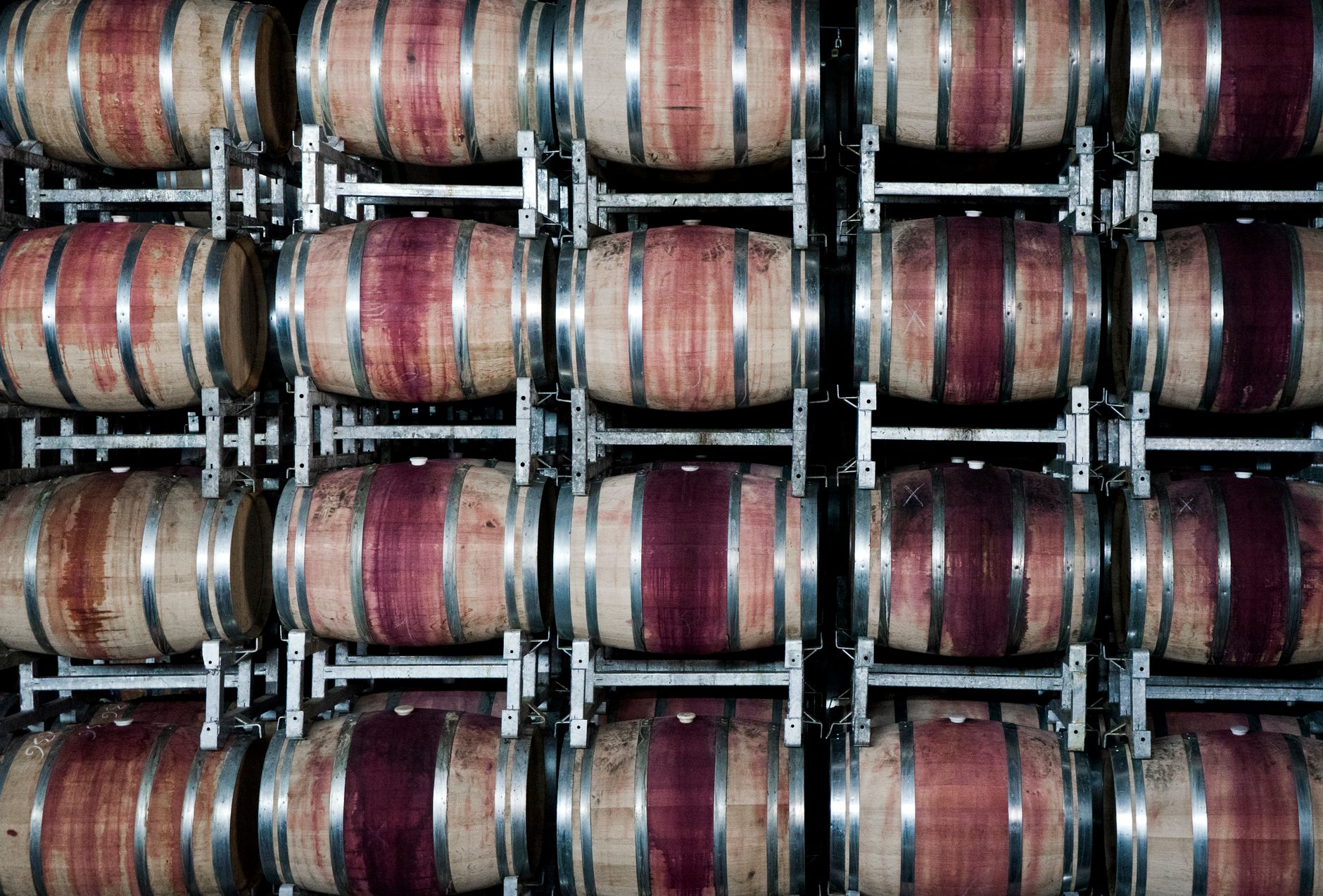

In Castilla y León










Linked from elsewhere
Entries that name this place in their own nearby lists.
Logistics are verified only. We don't publish schedules we haven't confirmed.
Experiences worth booking ahead
Spain Field Guide may earn a commission when you book through selected links. Recommendations are editorial and independent of commission.
Ready to build León into a trip?
You've found a place worth going. When you're ready to turn discovery into an itinerary, Travel Itinerary Co picks up where the Field Guide leaves off — with your saved places already in hand.
Build this into a tripContinues on Travel Itinerary Co
Spain Field Guide may earn a commission when you book through selected links. Recommendations are editorial and independent of commission.