Casa de las Conchas

A 10-minute stop that's the most photogenic civilian building in Salamanca. Pop into the courtyard; it's a working library.
A 15th-century Gothic palace with 300 carved scallop shells on its facade — a Santiago pilgrim's house, now a public library you can enter free.
Plaza Mayor de Salamanca · Roman Bridge of Salamanca · University of Salamanca
At a Glance
- — You're walking past fast
This Gothic palace is instantly recognizable by the hundreds of stone scallop shells that stud its exterior, a nod to the pilgrim routes that have passed through Salamanca for centuries. The interior courtyard is quiet and cool, now serving as a public library where the sound of turning pages replaces the chatter of the street. It is a beautiful, civilian building that feels grounded in the history of the Santiago road, offering a brief, photogenic pause in the center of the university district.
How it got here
Construction began in the late fifteenth century under the orders of Rodrigo Arias de Maldonado, a knight of the Order of Santiago. The choice of the shell as a decorative motif signals the patron's affiliation with that military order, as the scallop serves as the emblem for pilgrims traveling the Camino de Santiago. This palace stands within Salamanca, a city defined by the presence of its university founded in the thirteenth century. The structure occupies a space between the medieval past and the Renaissance growth of the city, surviving the shifts in power that saw the consolidation of the Catholic Monarchs and the subsequent transformation of the Castilian aristocracy.
Where it sits
Salamanca spreads across the banks of the Tormes River on the high plains of the Meseta. The landscape consists of expansive cereal fields and oak-dotted pastures that turn parched and gold under the summer sun. Cold winds sweep across the plateau during winter months, often leaving the limestone facades of the city center quiet under a sharp sky. Access typically involves the train lines or roads connecting the capital of Spain to the western frontier with Portugal. The university population keeps the streets crowded throughout the academic year, though the tempo slows significantly during the heat of August.
What to eat and drink
The cuisine of Salamanca relies on the quality of its cured meats and local harvests. Jamón de Guijuelo, an acorn-fed ham from the nearby sierra, provides the foundation for most meals. Hornazo, a pie filled with pork loin, chorizo, and hard-boiled eggs, appears during spring festivities as a traditional staple. Locals drink the robust red wines produced in the nearby Sierra de Salamanca, often made from the Rufete grape. For dessert, chichas, small bits of pork fried in their own fat, or traditional sweets from local convents complete the cycle of regional produce that defines the table in this province.
Castilla y León: the whole region
The largest region in Spain, and the one that most rewards a car: a plateau of walled cities, Romanesque churches and vineyards, with Salamanca, León, Burgos and Segovia as four genuine anchors spread across four hundred kilometres. There…
Minimum 5 days · better 8-10 days · deep 2 weeks
Pair It With

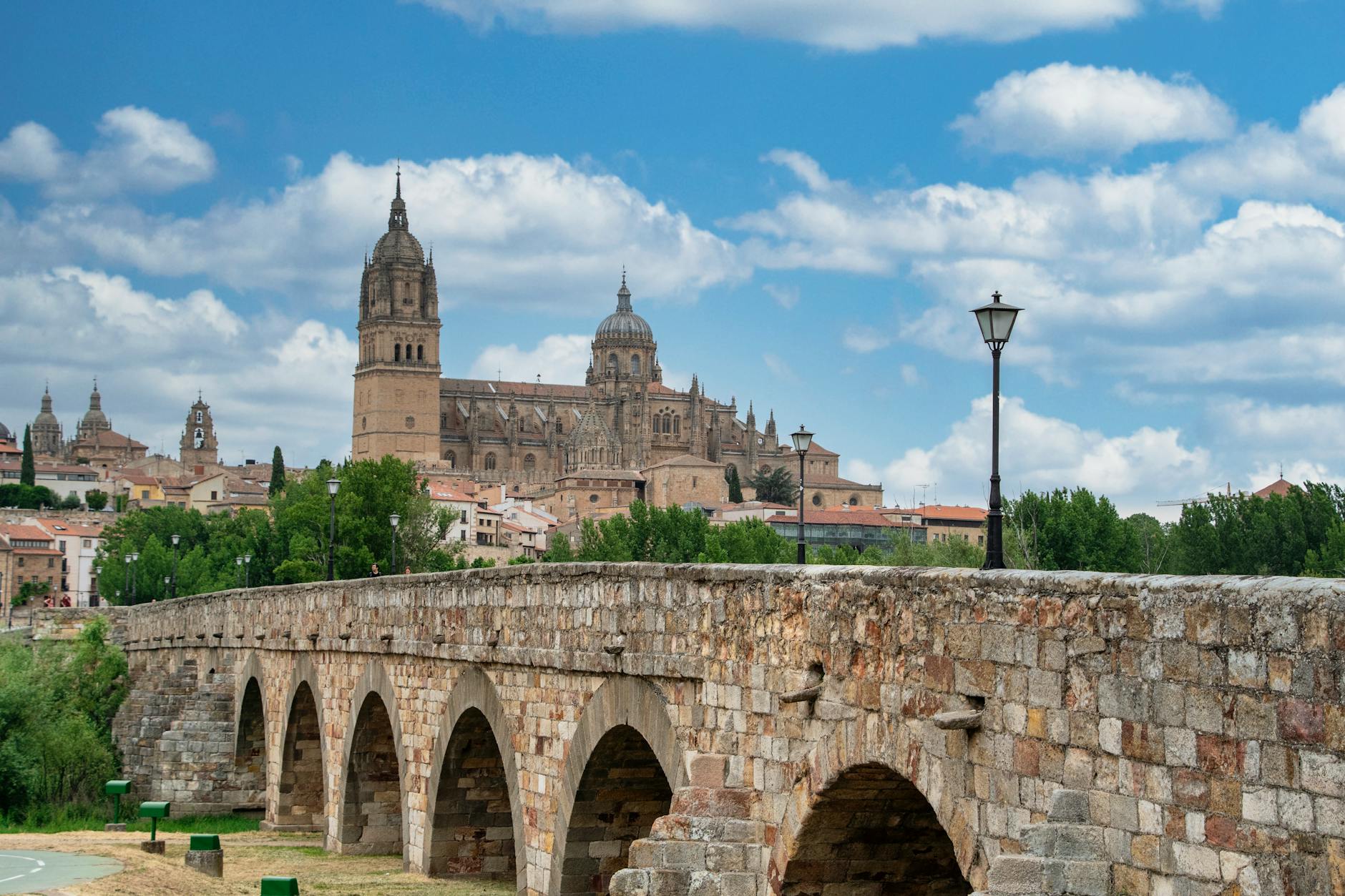

In Castilla y León



In Castilla y León


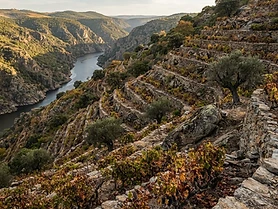


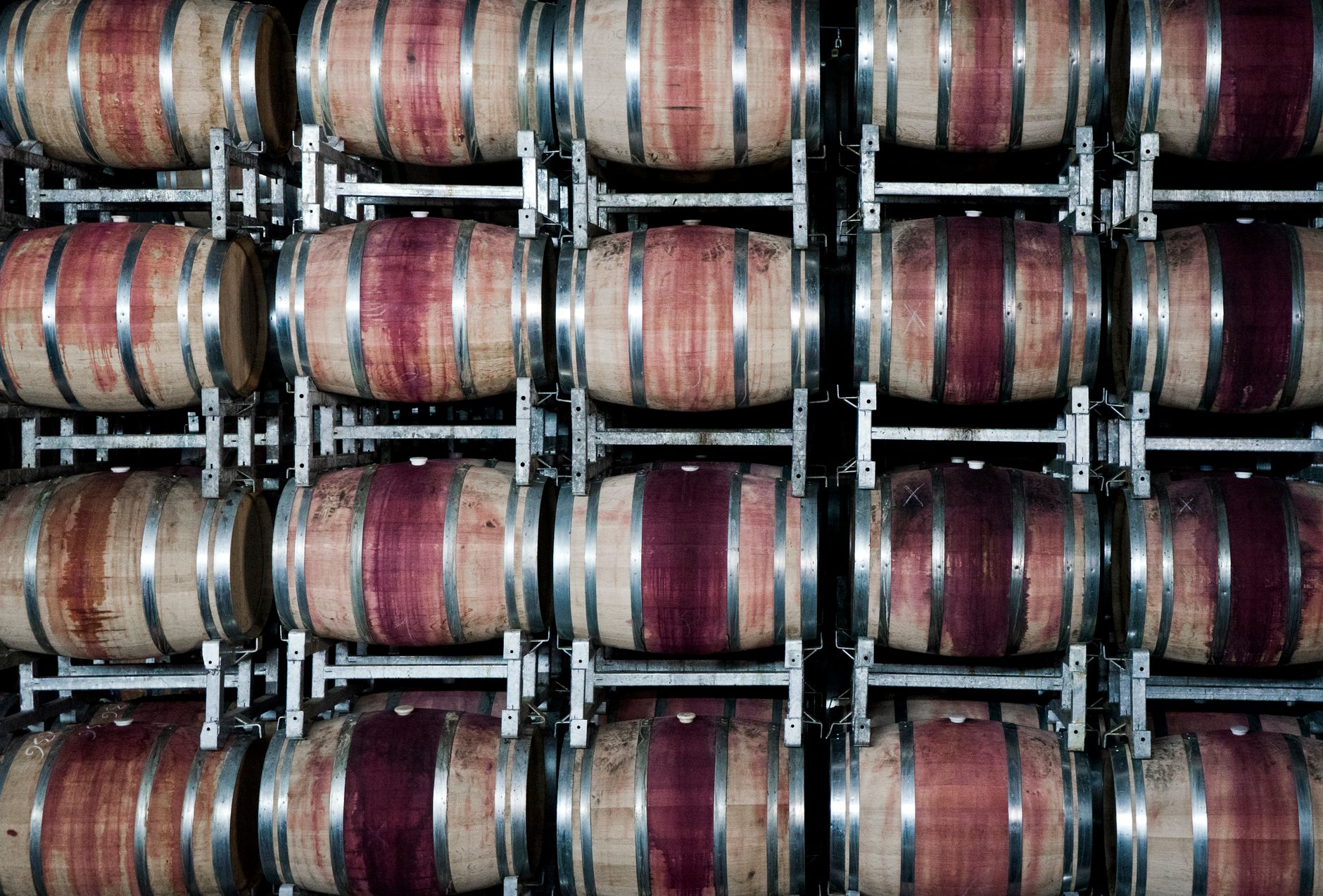

In Castilla y León











Linked from elsewhere
Entries that name this place in their own nearby lists.
Logistics are verified only. We don't publish schedules we haven't confirmed.
Experiences worth booking ahead
- Salamanca Walk - History Tour4.9 (96)2 hrsFrom €26
- Visit to the Ham Factory in Salamanca. Tasting and Masterclass4.9 (89)1.3 hrsFrom €33
- From Madrid: Ávila & Salamanca Guided Tour with Wall & Cathedral4.4 (273)11 hrsFrom €92
- Avila and Salamanca : Magic and Small Group History from Madrid4.4 (83)10 hrsFrom €149
Spain Field Guide may earn a commission when you book through selected links. Recommendations are editorial and independent of commission.
Ready to build Casa de las Conchas into a trip?
You've found a place worth going. When you're ready to turn discovery into an itinerary, Travel Itinerary Co picks up where the Field Guide leaves off — with your saved places already in hand.
Build this into a tripContinues on Travel Itinerary Co
Spain Field Guide may earn a commission when you book through selected links. Recommendations are editorial and independent of commission.