Rueda

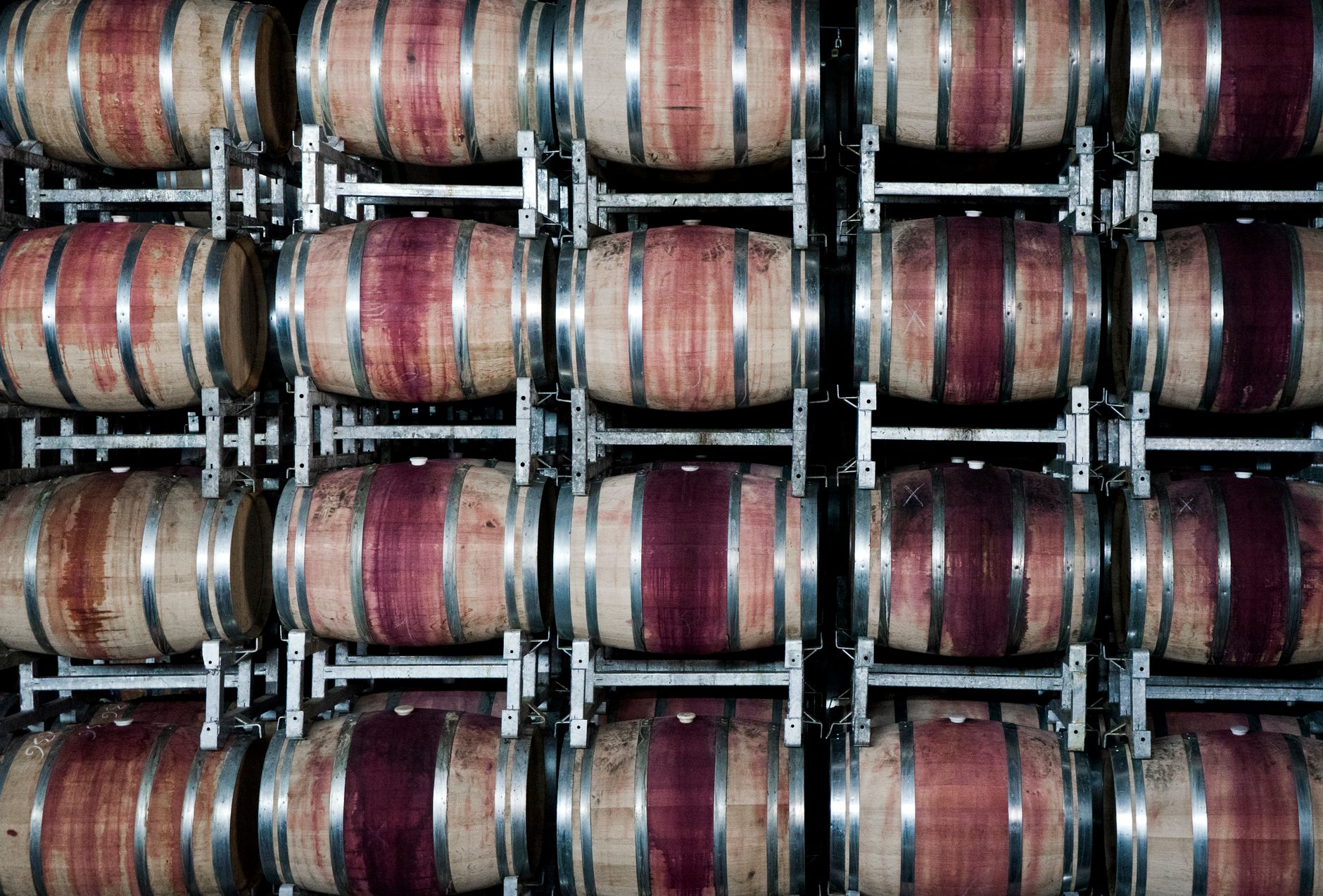
A worthwhile day from Valladolid or Segovia if you're a white-wine lover. The old bush-vine Verdejos (Sanz, Beltrán) are the move.
Castilla y León's white-wine region — Verdejo, the crisp, slightly bitter white that's Spain's best-value everyday wine. The D.O. that proved Spain can do white.
At a Glance
- — You only drink red — Rueda is white
In the arid landscape of Castilla y León, this region has carved out a reputation for Verdejo—a crisp, high-value white wine that has become the standard-bearer for daily drinking in Spain. The old bush vines, baked by the sun and cooled by the high-altitude nights, produce a complex, slightly bitter, and citrus-forward character that defies the region's harsh climate. A visit to the local bodegas offers a look at a D.O. that successfully proved Spain could produce whites as compelling and consistent as its world-famous reds.
How it got here
Winemaking traces back to the eleventh century when King Alfonso VI granted land to Mozarabic settlers who brought new viticultural techniques to the Duero valley. The Verdejo grape thrived in the stony soil and established a distinct identity for local production during the Middle Ages. Centuries later the nineteenth century phylloxera outbreak decimated vines across Europe but the sandy alluvial soils of Rueda protected the native rootstocks. This historical resilience allows current vintners to cultivate old bush vines that define the contemporary character of the D.O. established in 1980. The persistence of these ancient planting methods links the modern commercial success of the region directly to medieval agricultural foundations.
Where it sits
The terrain consists of high plains sweeping toward the Duero river. Limestone and gravel define the soil composition while the elevation keeps summer nights cold despite fierce daytime heat. Flat horizons stretch across the landscape with vineyards partitioned by low stone walls or exposed wire trellises. Access usually comes by road from Valladolid or Medina del Campo. Winter frosts settle deep into the sediment and summer growth depends on the extreme diurnal shift between intense sunlight and chilly night air. The atmosphere stays quiet during most months except for the harvest season when movement and labor fill the otherwise still expanse.
What to eat and drink
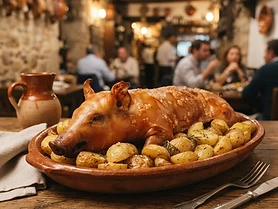
Verdejo provides the backbone of local consumption. These white wines carry high acidity and herbal notes that cut through the richness of regional staples. Suckling pig, cochinillo asado, remains the primary dish, slow roasted until the skin crisps under wood-fired heat. Menestra de verduras, a vegetable stew utilizing the produce of the wider Castilian plains, provides a lighter alternative. For dessert, mantecados or almond-based pastries from nearby convents pair with the region's white wines. Local bakeries produce hard crust breads intended to soak up meat drippings and heavy gravies common to the traditional rural kitchen.
Castilla y León: the whole region
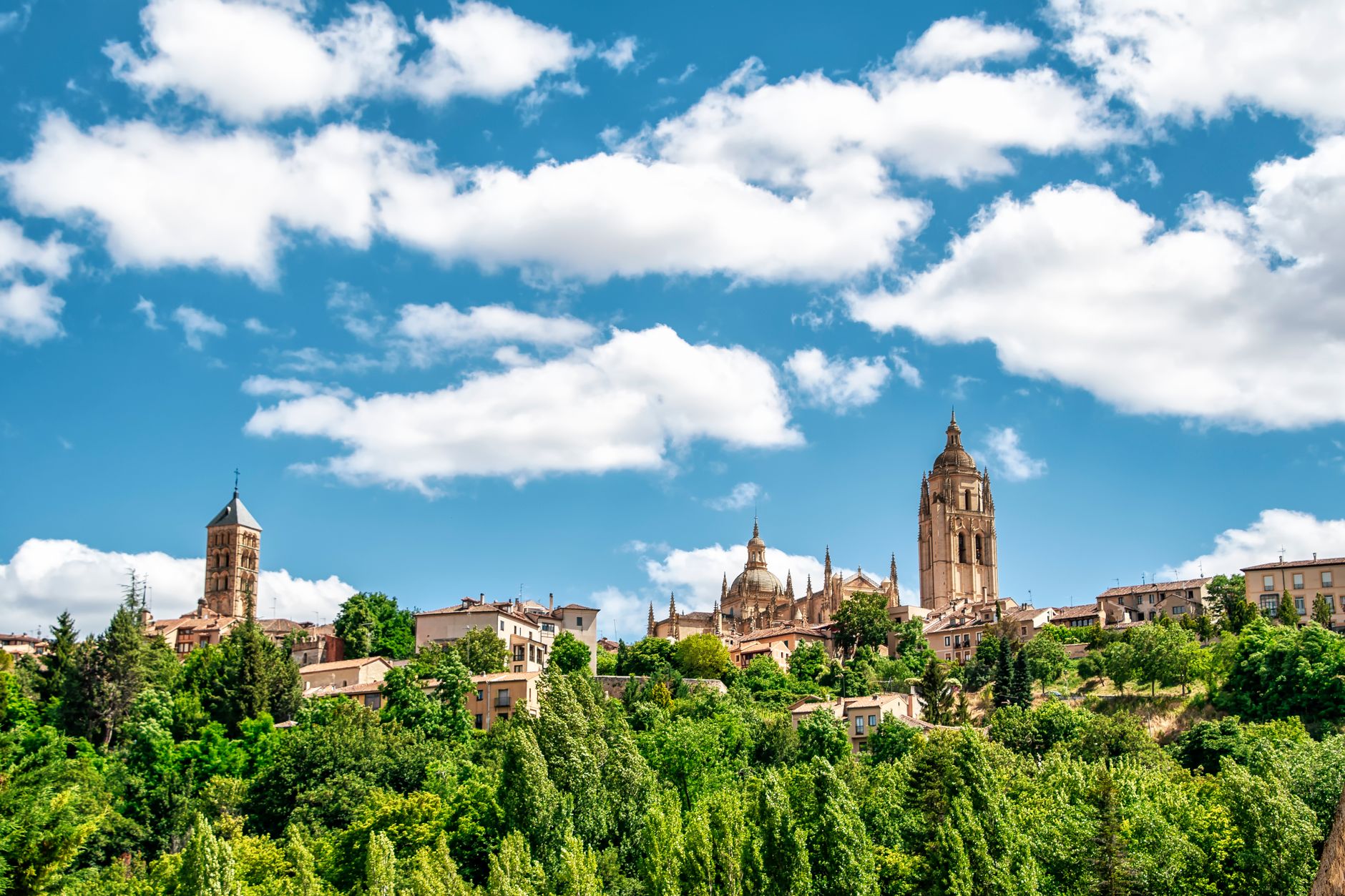
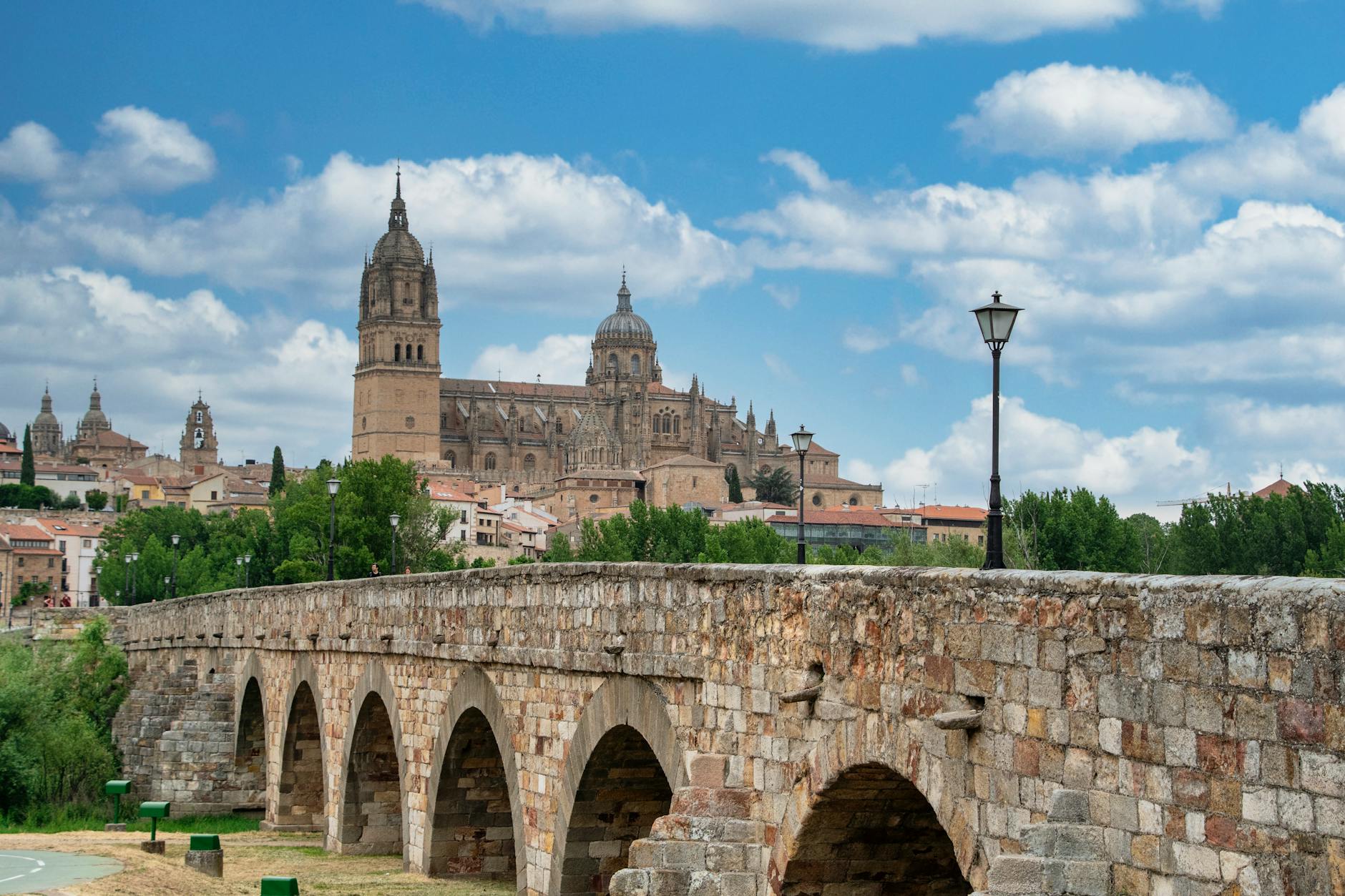
The largest region in Spain, and the one that most rewards a car: a plateau of walled cities, Romanesque churches and vineyards, with Salamanca, León, Burgos and Segovia as four genuine anchors spread across four hundred kilometres. There…
Minimum 5 days · better 8-10 days · deep 2 weeks

Pair It With

In Castilla y León



In Castilla y León





In Castilla y León












Linked from elsewhere
Entries that name this place in their own nearby lists.
Logistics are verified only. We don't publish schedules we haven't confirmed.
Ready to build Rueda into a trip?
You've found a place worth going. When you're ready to turn discovery into an itinerary, Travel Itinerary Co picks up where the Field Guide leaves off — with your saved places already in hand.
Build this into a tripContinues on Travel Itinerary Co
Spain Field Guide may earn a commission when you book through selected links. Recommendations are editorial and independent of commission.