Atapuerca Archaeological Site

For anyone interested in prehistory. The visitor center (sierra de Atapuerca) explains it well; the actual caves need a guided tour booked ahead.
The site of Europe's oldest hominid remains — 1.2 million years. The cave system that rewrote the story of human settlement in Europe, near Burgos.
At a Glance
- — You don't care about human evolution
This cluster of limestone caves near Burgos contains the oldest hominid remains in Europe, dating back over a million years and fundamentally rewriting our understanding of human prehistory. While the actual cave system is protected and requires a guided tour booked well in advance, the onsite visitor center provides a comprehensive and accessible overview of the discoveries. It is a necessary pilgrimage for those curious about the deep, ancestral timeline of the continent and the early humans who first wandered the Iberian landscape.
How it got here
These limestone outcrops near the Sierra de Atapuerca yielded bone fragments that shifted the timeline of human arrival in Europe. Excavations at the Gran Dolina and Sima de los Huesos sites recovered hominid fossils spanning hundreds of millennia. These discoveries track the evolution of early populations through the middle and lower Pleistocene epochs. The site provides a physical record of the first hominids to navigate the Iberian Peninsula long before the rise of recognizable human cultures. The research conducted here clarifies the development of prehistoric technology and biology. It connects the deep geological past of the province of Burgos to the broader emergence of human life across the Mediterranean landmass.
Where it sits
The site sits in the province of Burgos within the autonomous community of Castilla y León. Limestone hills rise abruptly from the plateau, carved by the river Arlanzón into deep corridors that sheltered prehistoric groups. Scrub oak and cereal crops dominate the surrounding plains, a landscape that turns brown under the harsh Castilian sun in summer and freezes beneath heavy frost in winter. The proximity to the city of Burgos creates a steady flow of researchers and travelers to the village of Ibeas de Juarros. Cold winds sweep across the open karst terrain throughout the year.
What to eat and drink
Castilian kitchens in this province center on wood-fired roasts and hearty grains. Morcilla de Burgos, a dark sausage made from pig blood, rice, onion, and spices, defines the local appetizer menu. Roast suckling lamb, or lechazo asado, arrives with crisp skin and tender meat after long sessions in an earthen oven. Soups thickened with bread and garlic, known as sopa castellana, provide heat during the long winters. Diners pair these heavy plates with red wines from the nearby Ribera del Duero, where high altitude and limestone soil produce bold vintages of the tempranillo grape.
Castilla y León: the whole region
The largest region in Spain, and the one that most rewards a car: a plateau of walled cities, Romanesque churches and vineyards, with Salamanca, León, Burgos and Segovia as four genuine anchors spread across four hundred kilometres. There…
Minimum 5 days · better 8-10 days · deep 2 weeks
Pair It With


In Castilla y León



In Castilla y León





In Castilla y León


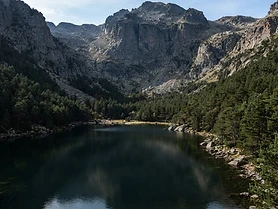

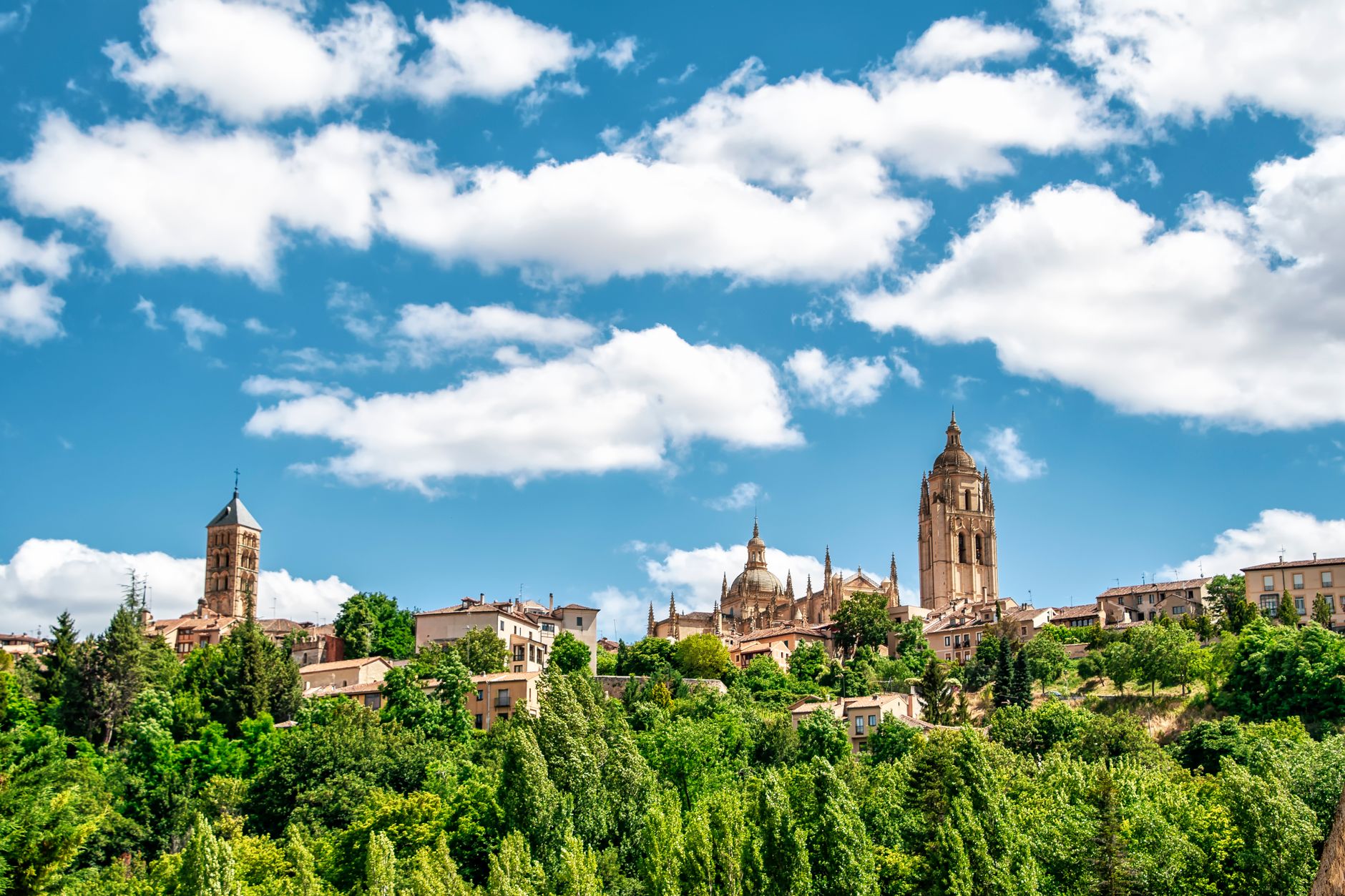

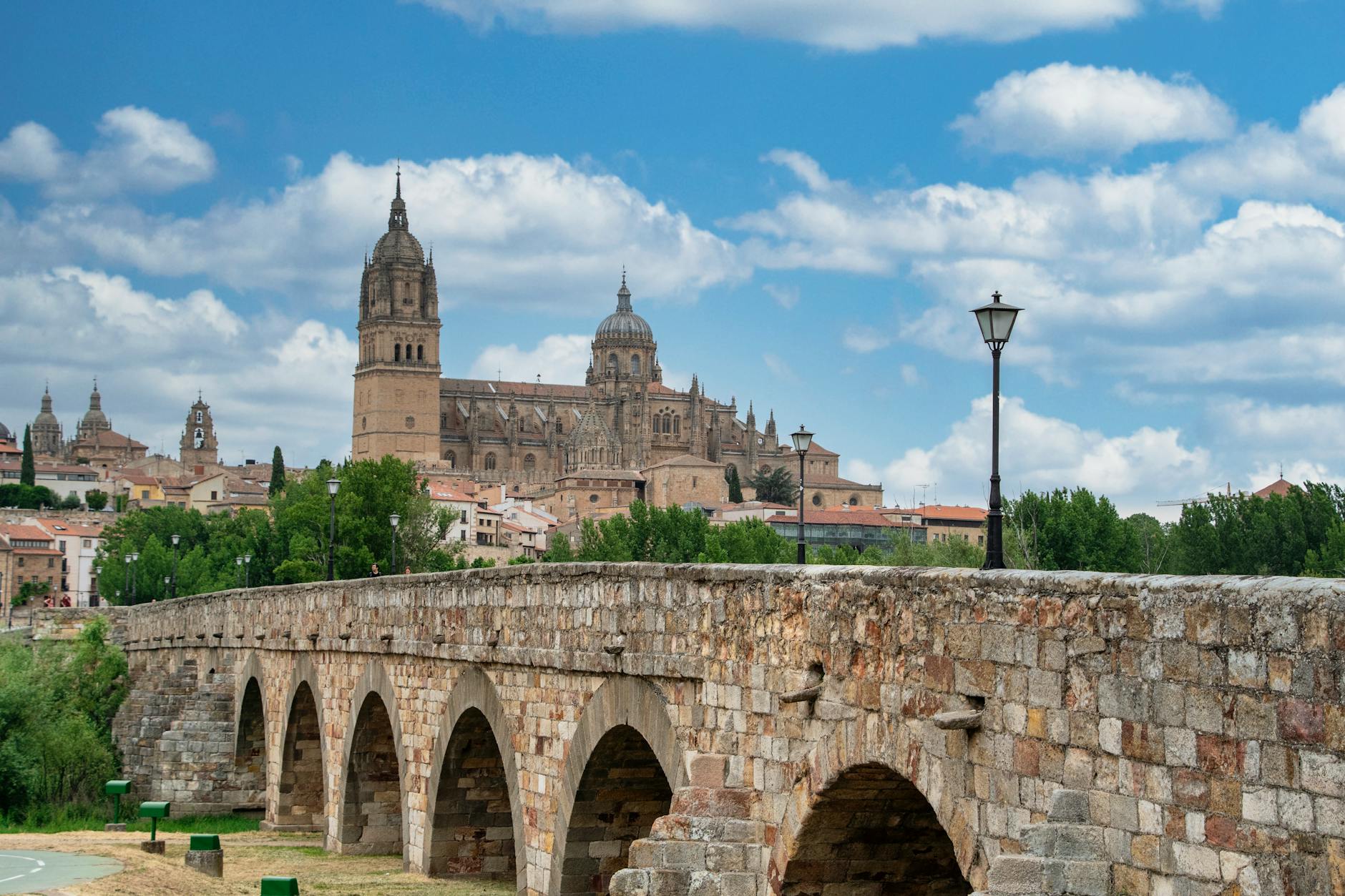






Linked from elsewhere
Entries that name this place in their own nearby lists.

Logistics are verified only. We don't publish schedules we haven't confirmed.
Ready to build Atapuerca Archaeological Site into a trip?
You've found a place worth going. When you're ready to turn discovery into an itinerary, Travel Itinerary Co picks up where the Field Guide leaves off — with your saved places already in hand.
Build this into a tripContinues on Travel Itinerary Co
Spain Field Guide may earn a commission when you book through selected links. Recommendations are editorial and independent of commission.