Catedral de Zamora

A quiet, worthwhile stop for its odd Byzantine-influenced dome, though not a destination unto itself.
The scaly stone dome over the crossing is unlike anything else in Spain, and the choir stalls inside have some wonderfully profane misericord carvings.
At a Glance
- — seeking a grand Gothic space
- — tight on a one-day itinerary
A distinctive, scaly stone dome sits atop this 12th-century Romanesque structure, a rare design feature heavily influenced by Byzantine styles. Inside, the atmosphere is somber and cool, featuring choir stalls carved with irreverent, profane scenes that reward a careful look. It is a quiet destination for those who appreciate architectural oddities and the patient, heavy grace of early medieval masonry.
How it got here
Construction began in 1151 under the patronage of Alfonso VII and concluded in 1174 during the reign of Fernando II of León. The master builders executed a plan centered on the crossing, topped by a dome scaled with stone tiles, a design that points to intense contact with Mediterranean trade routes and Byzantine models. Zamora served as a fortified frontier against the Almoravids and Almohads during the Reconquista, and the heavy masonry of the cathedral provided both spiritual center and refuge. By the time Gothic architects added the cloisters and the south gate, the cathedral occupied the highest point overlooking the Douro River, a position that dictated the strategic layout of the surrounding medieval walls.
Where it sits
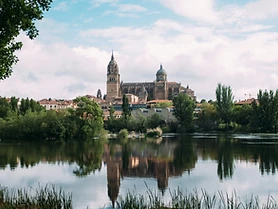
The cathedral stands on a promontory above the Douro River, where the flat, cereal-growing plains of the Tierra del Pan meet the river valley. The landscape dries to a pale ochre by midsummer and remains exposed to persistent winds from the north. The city layout follows the slope of the hill, with narrow, steep streets winding upward toward the fortress and the cathedral. Summers bring intense heat to the valley, while winters settle into a dense, grey fog. The pace remains measured, lacking the crowds found in larger cities, and visitors arrive primarily by crossing the river bridges on foot.
What to eat and drink
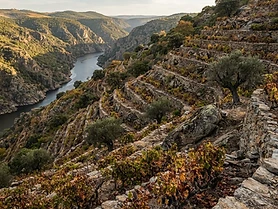
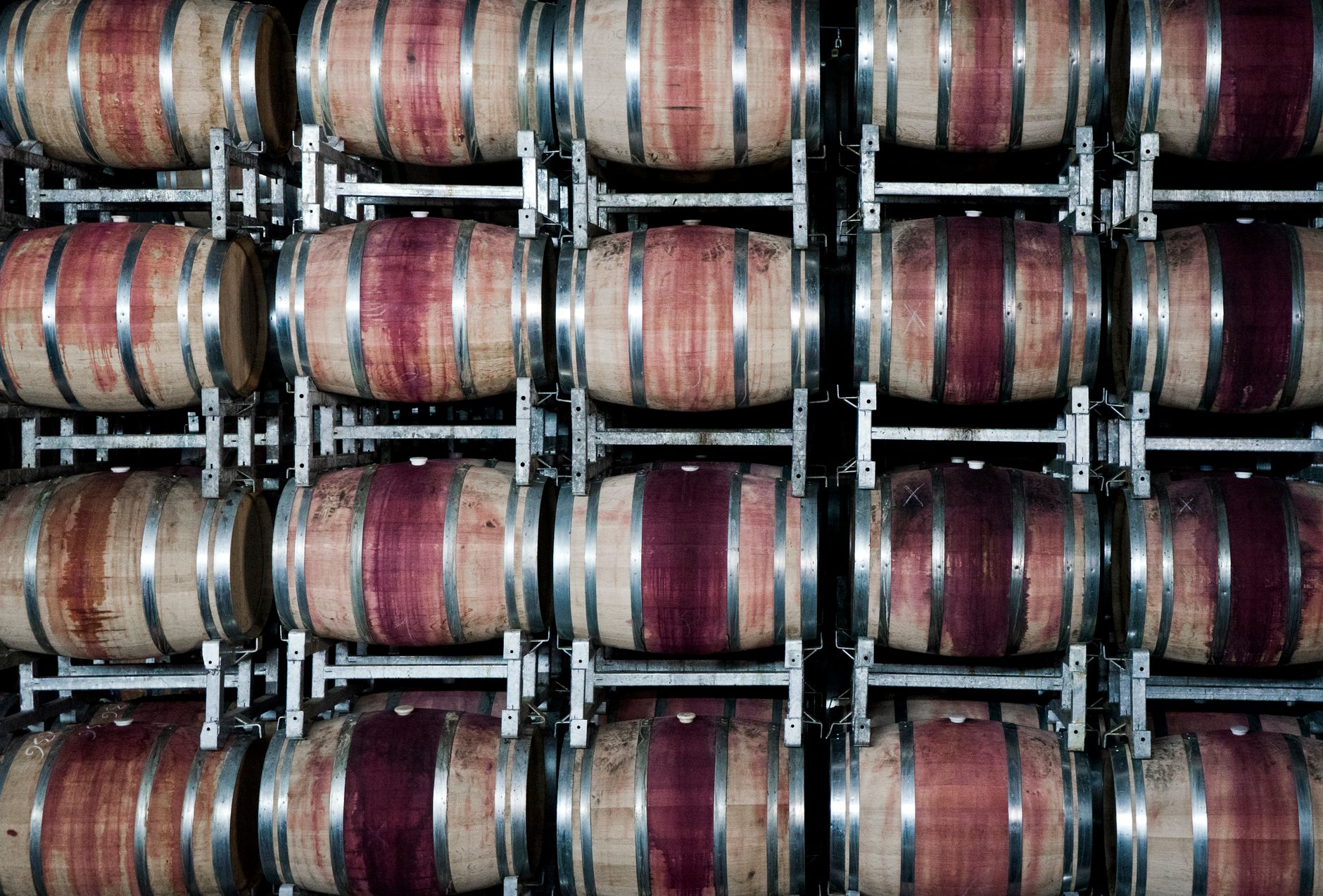
The cuisine of Zamora centers on the products of the surrounding countryside and the riverside gardens. Ternera de Aliste, beef from local cattle breeds, appears grilled or in stews throughout the city. Beans from Sanabria, often prepared as habones with chorizo or pork fat, provide a dense, earth-bound meal. Bacalao a la trancapecho, a salted cod dish thickened with breadcrumbs and peppers, reflects the importance of river trade. Drink local Toro wines, deep red and tannic, which thrive in the high, sun-baked vineyards nearby. Finish with rebojos, small almond-based sweets, often found in local bakeries.
Castilla y León: the whole region
The largest region in Spain, and the one that most rewards a car: a plateau of walled cities, Romanesque churches and vineyards, with Salamanca, León, Burgos and Segovia as four genuine anchors spread across four hundred kilometres. There…
Minimum 5 days · better 8-10 days · deep 2 weeks

Pair It With

In Castilla y León



In Castilla y León





In Castilla y León











Logistics are verified only. We don't publish schedules we haven't confirmed.
Appears In
Ready to build Catedral de Zamora into a trip?
You've found a place worth going. When you're ready to turn discovery into an itinerary, Travel Itinerary Co picks up where the Field Guide leaves off — with your saved places already in hand.
Build this into a tripContinues on Travel Itinerary Co
Spain Field Guide may earn a commission when you book through selected links. Recommendations are editorial and independent of commission.