Lechazo Asado

Eat it in a Segovia or Aranda asador, at lunch, in a wood-fired clay oven. The only side should be a salad.
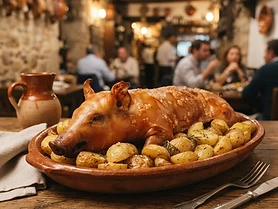
Castilla y León's milk-fed lamb roast: whole baby lamb rubbed with lard and salt, slow-roasted in a clay dish in a wood oven until the skin crackles and the meat collapses. The regional twin of Segovia's cochinillo.
At a Glance
- — You don't eat baby lamb
Slow-roasted baby lamb is the culinary heartbeat of Castilla y León, prepared in clay dishes inside wood-fired ovens until the skin crackles like glass. The meat is so tender it falls away from the bone with the touch of a fork, requiring nothing more than salt and the heat of the hearth. It is best eaten at a long lunch in Segovia, accompanied only by a simple green salad to cut through the richness.
How it got here
Castilla y León formed the core of the medieval Kingdom of Castile. The diet of the central plateau developed around the transhumance of Merino sheep, a practice organized by the Mesta guild which controlled vast migratory routes across the Iberian Peninsula. Shepherds relied on milk-fed lambs that were not yet weaned, ensuring the survival of the flocks for wool production while providing a source of protein. This necessity forged a culinary tradition centered on the oven. The roasting of young lamb became the primary method for processing these animals, turning a byproduct of the wool economy into the essential dish of Castilian rural life.
Where it sits
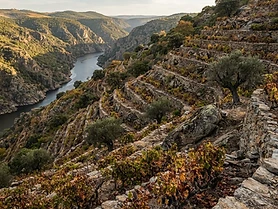
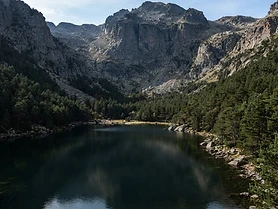
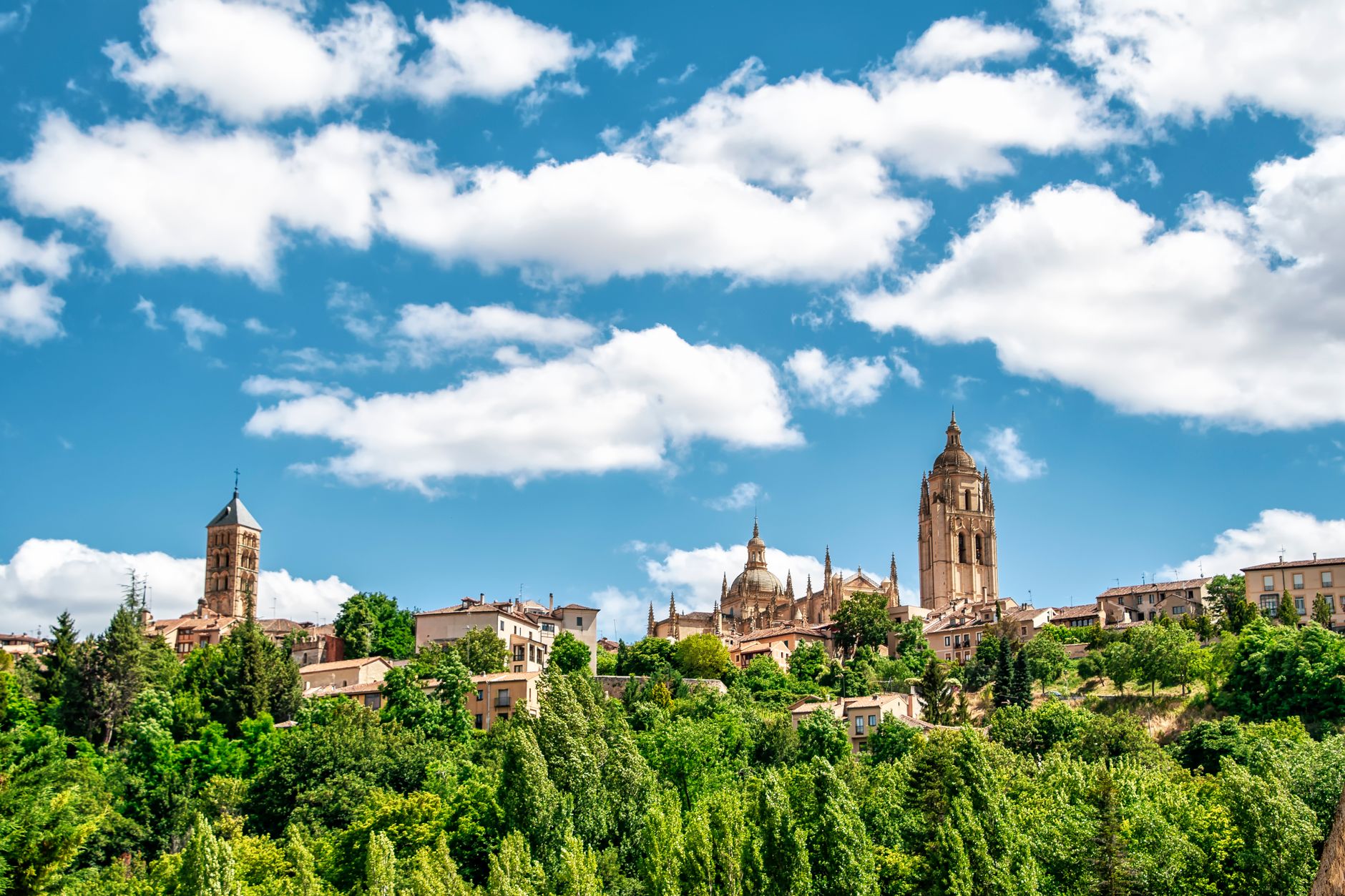
The landscape consists of high, arid plains broken by river valleys and limestone outcrops. Winters bring sharp frost and biting winds that sweep across the open scrubland, while summer heat dries the earth to a pale gold. Towns gather near water sources, often dominated by massive masonry churches and defensive walls constructed from local stone. Access relies on a network of secondary roads that cross the plateau. Travelers find that the isolation of the landscape preserves an atmosphere of stillness, particularly during the dormant months when activity contracts toward the warmth of indoor hearths.
What to eat and drink
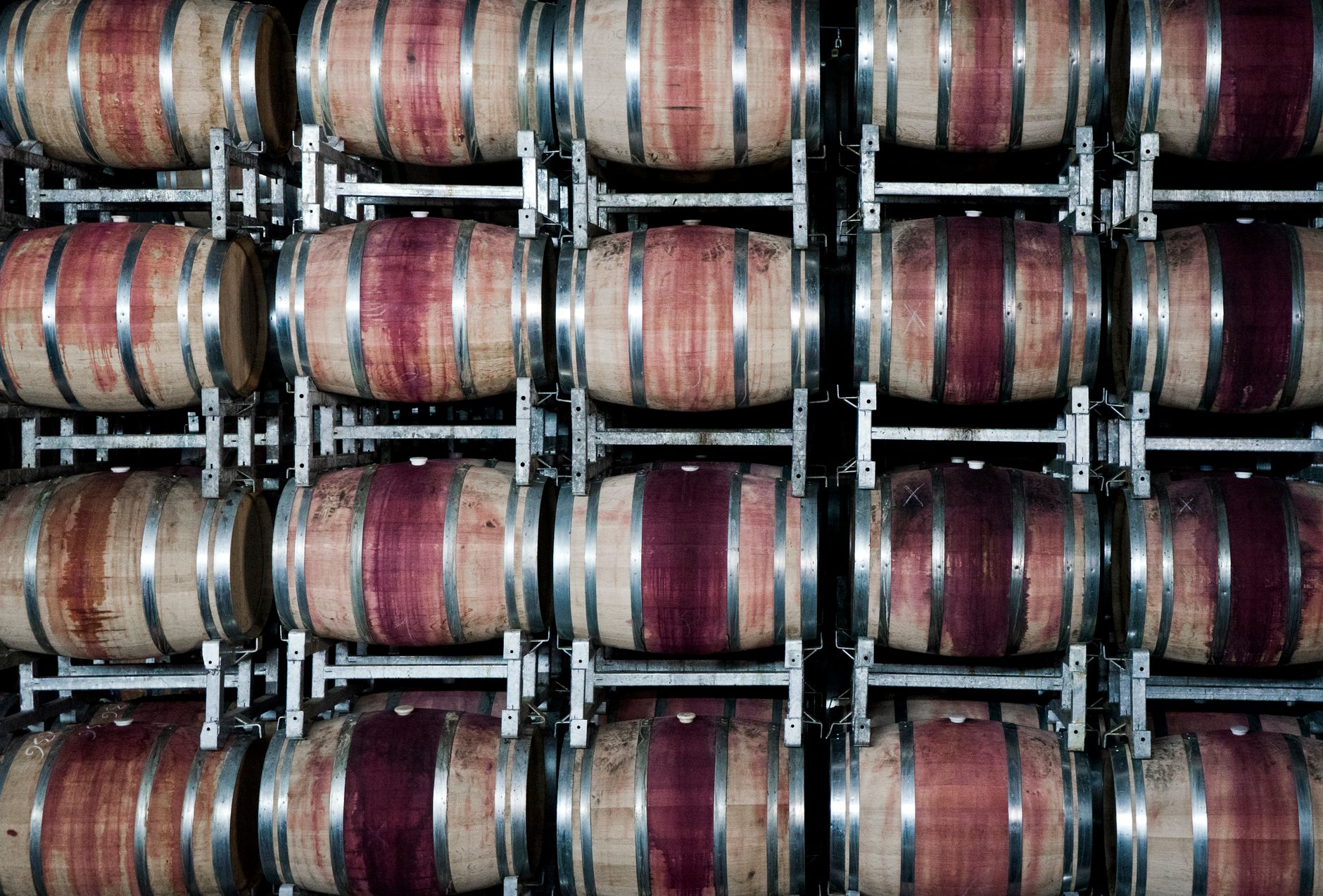
Lechazo asado, milk-fed lamb roasted in clay dishes until the skin turns brittle, defines the meal. It requires only salt and the heat of wood fires. Diners follow the meat with a crisp salad of lettuce and onion to balance the fat. Local red wine, particularly those made from Tempranillo grapes in the Ribera del Duero, provides the necessary structure to stand against the intensity of the lamb. Morcilla de Burgos, a dark sausage of rice and pigs blood, often appears as a starter, along with thin slices of bread soaked in the pan juices of the roast.
Castilla y León: the whole region
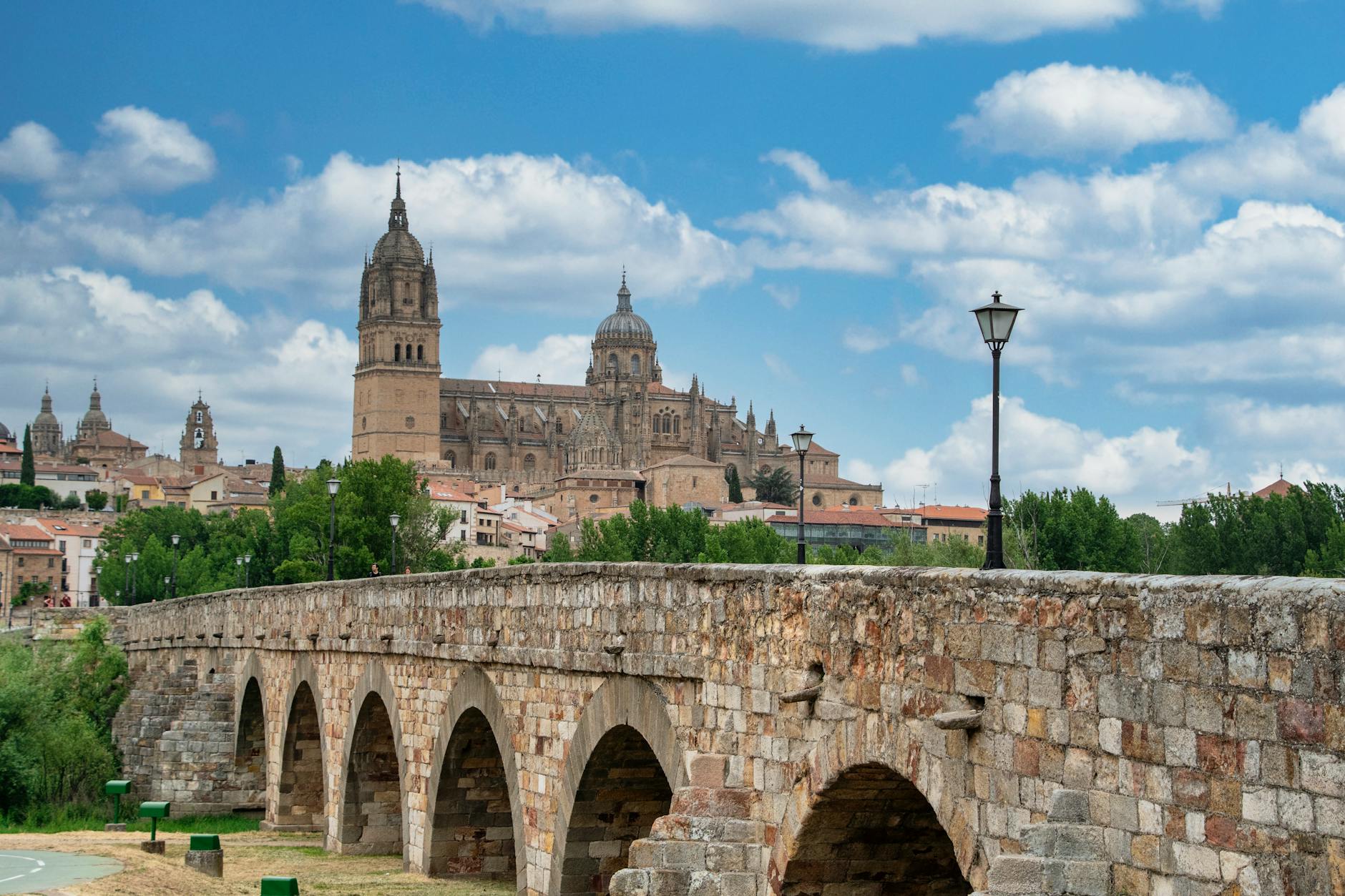
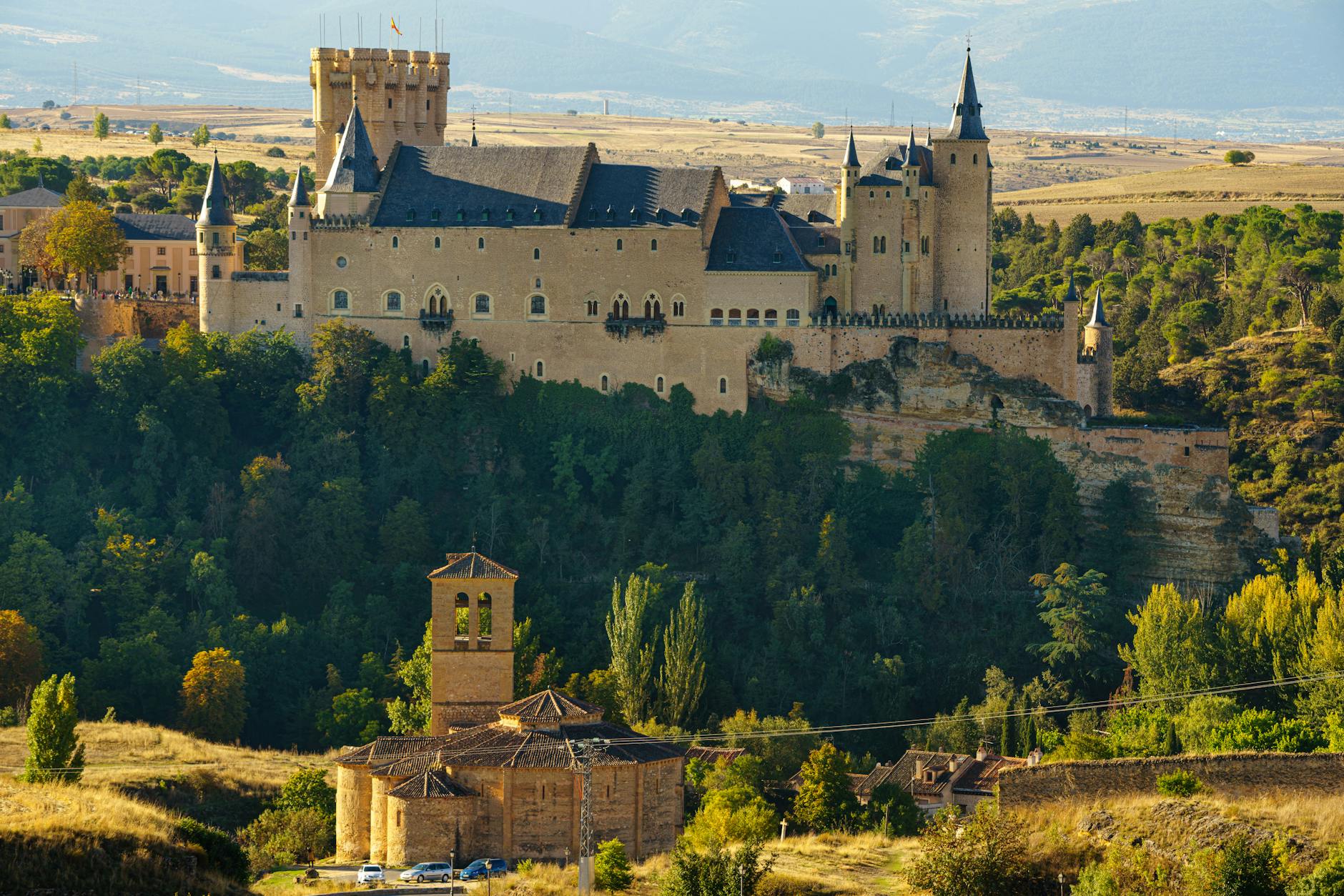
The largest region in Spain, and the one that most rewards a car: a plateau of walled cities, Romanesque churches and vineyards, with Salamanca, León, Burgos and Segovia as four genuine anchors spread across four hundred kilometres. There…
Minimum 5 days · better 8-10 days · deep 2 weeks
What's Nearby

Pair It With

In Castilla y León


In Castilla y León





In Castilla y León












Logistics are verified only. We don't publish schedules we haven't confirmed.
Ready to build Lechazo Asado into a trip?
You've found a place worth going. When you're ready to turn discovery into an itinerary, Travel Itinerary Co picks up where the Field Guide leaves off — with your saved places already in hand.
Build this into a tripContinues on Travel Itinerary Co
Spain Field Guide may earn a commission when you book through selected links. Recommendations are editorial and independent of commission.