Arribes del Duero
Two days if you are already driving between Zamora and Salamanca, and worth it for the wine alone. Summer afternoons are punishing; go in spring or autumn.
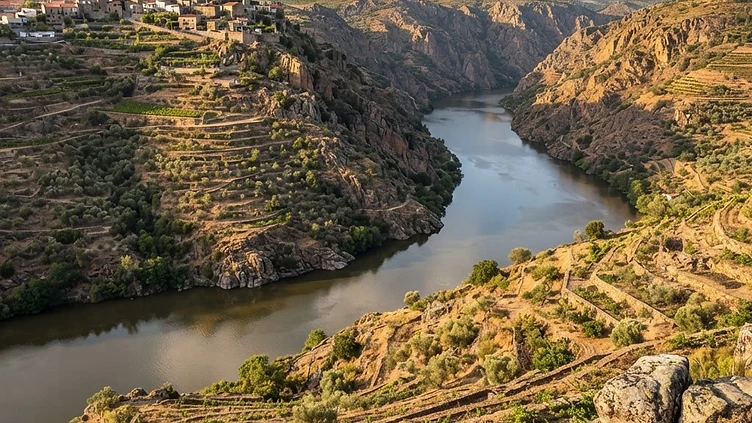
A river canyon you drive along the edge of, with vineyards that predate the vine plague and villages that look out, not in.
At a Glance
- — You want hotels and restaurants at every stop — this is working village Spain.
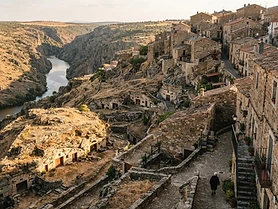
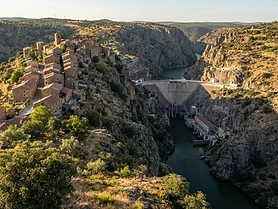
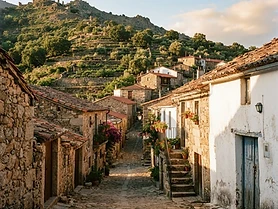
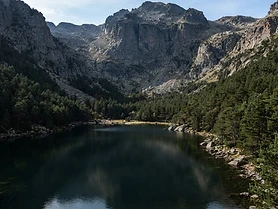
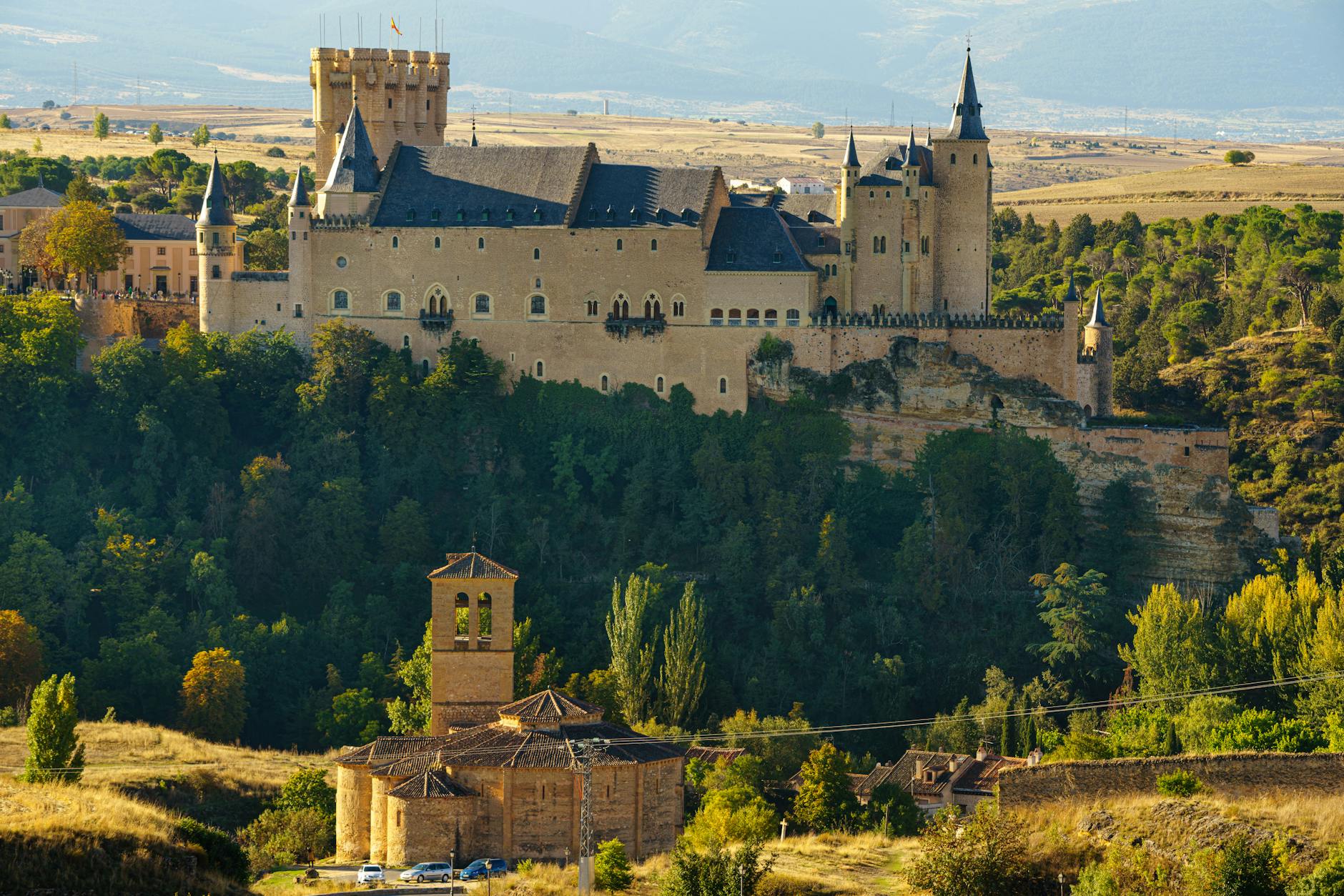
The Duero turns into a canyon at the Portuguese border: close to a hundred kilometres of granite walls, terraced slopes and villages built on top of the gorge rather than inside it. Fermoselle sits over the water on the Zamora side; Aldeadávila stands above the dam that made this the deepest stretch of the river in Spain. The farming is old and steep — olives, almonds and vines that survived phylloxera on their own roots, now bottled as the Arribes denomination. The roads along the rim are slow and mostly empty, and one boat runs from Fermoselle into the gorge, which is the only way to understand its scale. Hot, dry and quiet, at its best in October when the vines turn.
How it got here
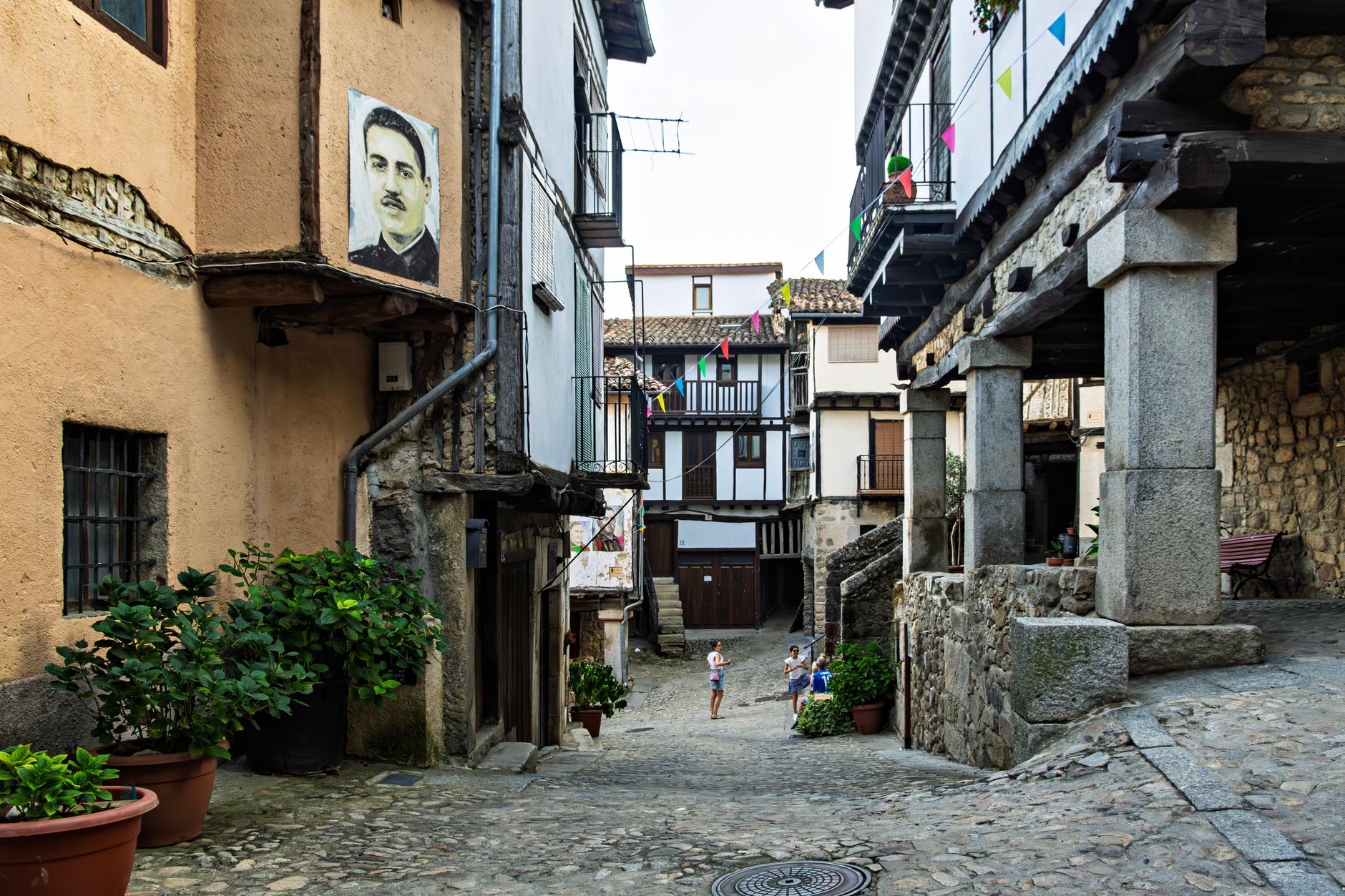
The border between Spain and Portugal follows the Duero as it cuts through the granite of the Meseta. This frontier zone acted as a defensive boundary for the Kingdom of León against the south. Fortified settlements grew on the heights to guard the river crossings and the limited land for agriculture. The architecture in these villages uses the local granite for everything from house walls to wine presses. The isolation of these border communities allowed traditional viticulture to endure on small, terraced plots. These systems survived the phylloxera blight that decimated other European vineyards, preserving ancestral grape varieties that now define the local wine production.
Where it sits
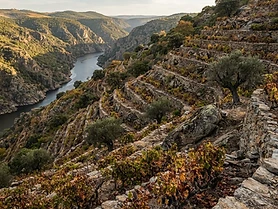
The Duero forms a canyon along the Portuguese border where the plateau drops toward the river. This landscape creates a microclimate distinct from the high plains of Zamora. The slopes are terraced for agriculture while the tops of the gorge hold the villages. Roads wind along the rim through open country where almond and olive trees grow among the rock. Summers bring heat that radiates off the granite walls. In autumn the foliage on the steep vineyard terraces changes color against the dark stone. This part of the province stays quiet throughout the year as the river defines the movement through the terrain.
What to eat and drink
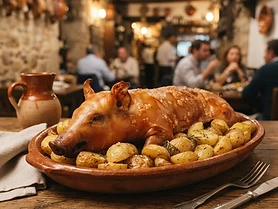
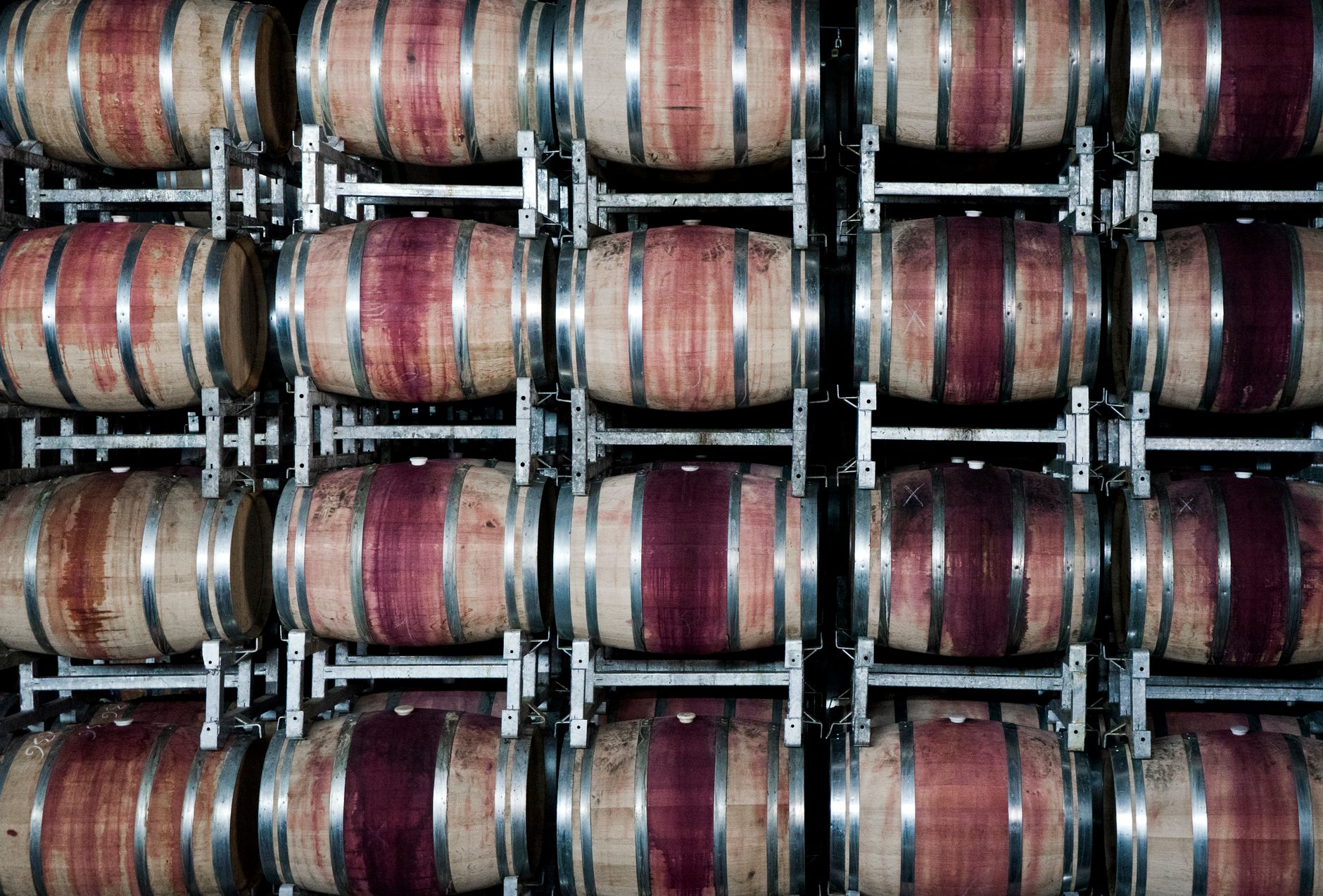
The cuisine relies on the produce of the riverside terraces and the surrounding upland farms. Hornazo is the standard regional pie, a crust filled with chorizo, ham, and hard-boiled eggs. The local wine, bottled under the Arribes designation, comes from small parcels of old vines that produce reds with a distinct minerality. Almonds form the base of many regional sweets, including traditional pastries prepared in the village bakeries. Roasted meats, particularly lamb and pork, form the foundation of the main courses prepared in the kitchens of the gorge villages.
Castilla y León: the whole region
The largest region in Spain, and the one that most rewards a car: a plateau of walled cities, Romanesque churches and vineyards, with Salamanca, León, Burgos and Segovia as four genuine anchors spread across four hundred kilometres. There…
Minimum 5 days · better 8-10 days · deep 2 weeks
In and around Arribes del Duero



Pair It With

In Castilla y León



In Castilla y León



In Castilla y León












Logistics are verified only. We don't publish schedules we haven't confirmed.
Appears In
Experiences worth booking ahead
- Ribera del Duero Wineries Guided Tour & Wine Tasting from Madrid4.9 (529)11 hrsFrom €185
- Ribera del Duero:4 Wineries, tasting & Lunch included from Madrid4.9 (219)9 hrsFrom €220
- Ribera del Duero Winery Guided Tour and Wine Tasting from Madrid5.0 (113)10 hrsFrom €225
- Visit La Joya Escondida de la Ribera del Duero Winery4.9 (86)2 hrsFrom €25
Spain Field Guide may earn a commission when you book through selected links. Recommendations are editorial and independent of commission.
Ready to build Arribes del Duero into a trip?
You've found a place worth going. When you're ready to turn discovery into an itinerary, Travel Itinerary Co picks up where the Field Guide leaves off — with your saved places already in hand.
Build this into a tripContinues on Travel Itinerary Co
Spain Field Guide may earn a commission when you book through selected links. Recommendations are editorial and independent of commission.