Aldeadávila de la Ribera
A stop of two hours on the way to or from Fermoselle, no more.
The narrowest, most dramatic stretch of the whole canyon.
Arribes del Duero · Sierra de Urbión · Aranda de Duero · Sierra de Francia
At a Glance
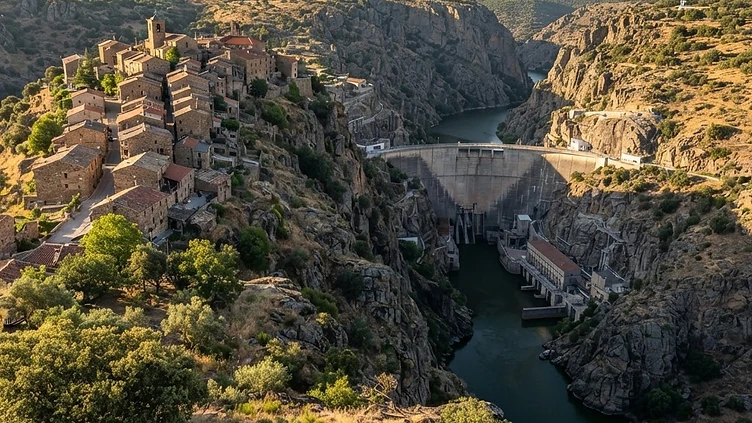
Aldeadávila stands on the Salamanca bank where the Duero cuts its deepest channel, and the dam below it is one of the largest in Spain. The village is small and plain, but the views from the edge are the sharpest in the Arribes: a straight, near-vertical wall of rock with the river at the bottom. Come for the miradores and the road down to the dam, not for the village itself. There is one bar, and it is best combined with the Zamora side rather than treated as a base.
How it got here
The village sits within the Comarca de Vitigudino, a rugged strip of the western borderlands where the Duero defines the frontier between Spain and Portugal. The territory endured centuries of instability during the Reconquista, functioning as a buffer zone between the Christian kingdoms and the Al-Andalus heartlands. Successive waves of resettlement populated these remote granite plains with defensive outposts and small agricultural clusters meant to hold the line. This long history of exposure to the unpredictable river and the political tensions of the border left the village with a plain, utilitarian architecture that prioritizes survival over ornament.
Where it sits
The village perches above a deep tectonic scar where the Duero flows through a sheer granite canyon. The surrounding landscape consists of high, arid plateaus that drop abruptly into the gorge, creating an environment defined by verticality and stone. Winds funnel through the narrow river passage in the winter months, while the summer heat radiates off the canyon walls. Reaching the edge requires navigating the winding roads of the Arribes del Duero, a remote territory that keeps the village isolated from the busier agricultural plains of the Salamanca province.
What to eat and drink
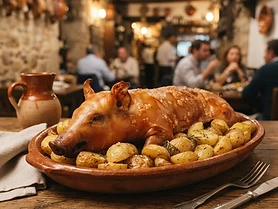
The cuisine follows the traditions of the Salamanca countryside, centering on the products of small-scale livestock farming and the local olive harvest. Hornazo, a dense pie stuffed with hard-boiled eggs, chorizo, and loin, provides the sustenance necessary for the hard work of the terrain. The area produces its own olive oil, pressed from trees that grow in the protected microclimate of the canyon slopes. Meals finish with the local cheeses made from ewe milk, which carry the sharp and salty character of the sparse, rocky grazing lands found throughout the province.
Castilla y León: the whole region
The largest region in Spain, and the one that most rewards a car: a plateau of walled cities, Romanesque churches and vineyards, with Salamanca, León, Burgos and Segovia as four genuine anchors spread across four hundred kilometres. There…
Minimum 5 days · better 8-10 days · deep 2 weeks
In Castilla y León



In Castilla y León





In Castilla y León








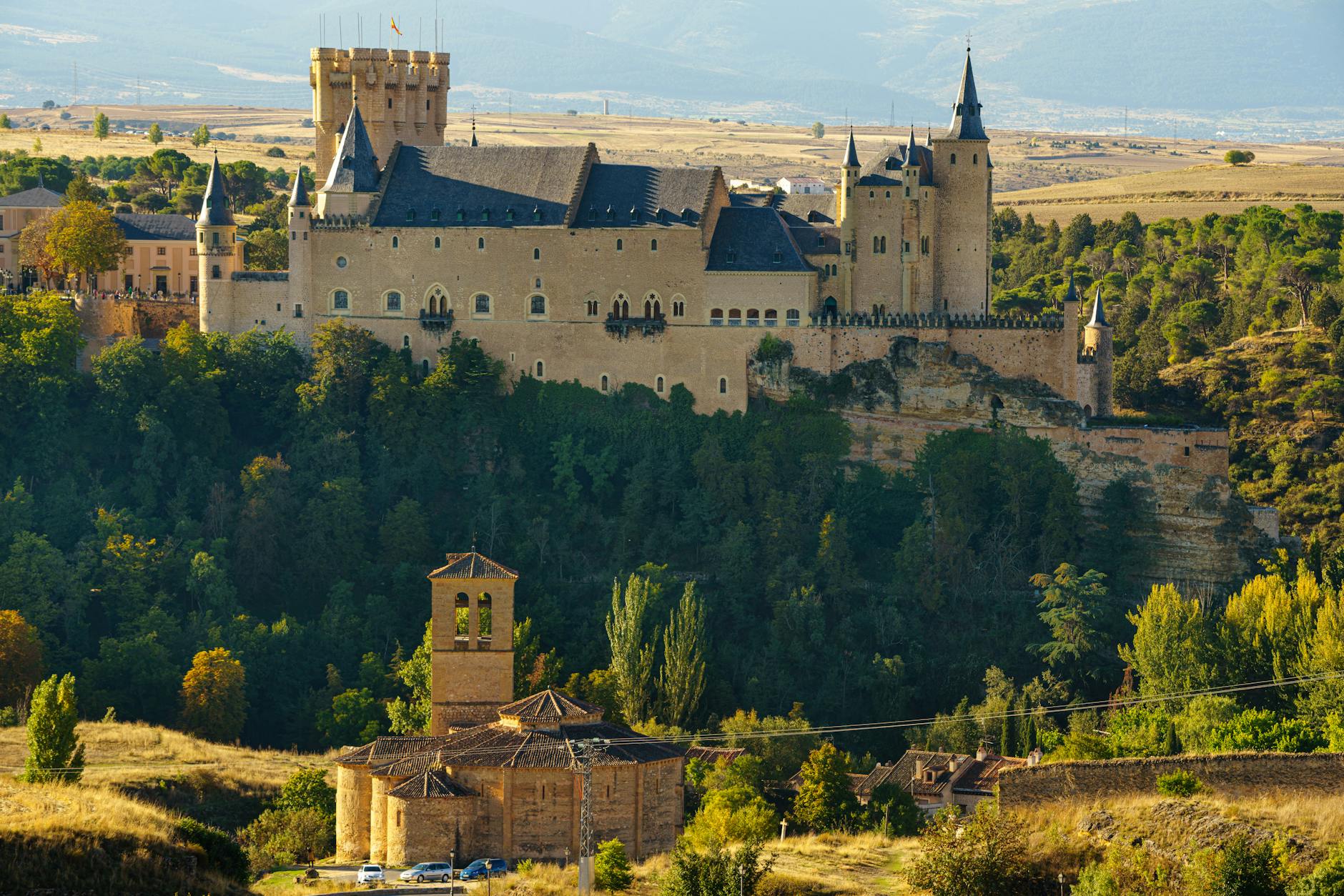




Other Quick Stop in Castilla y León


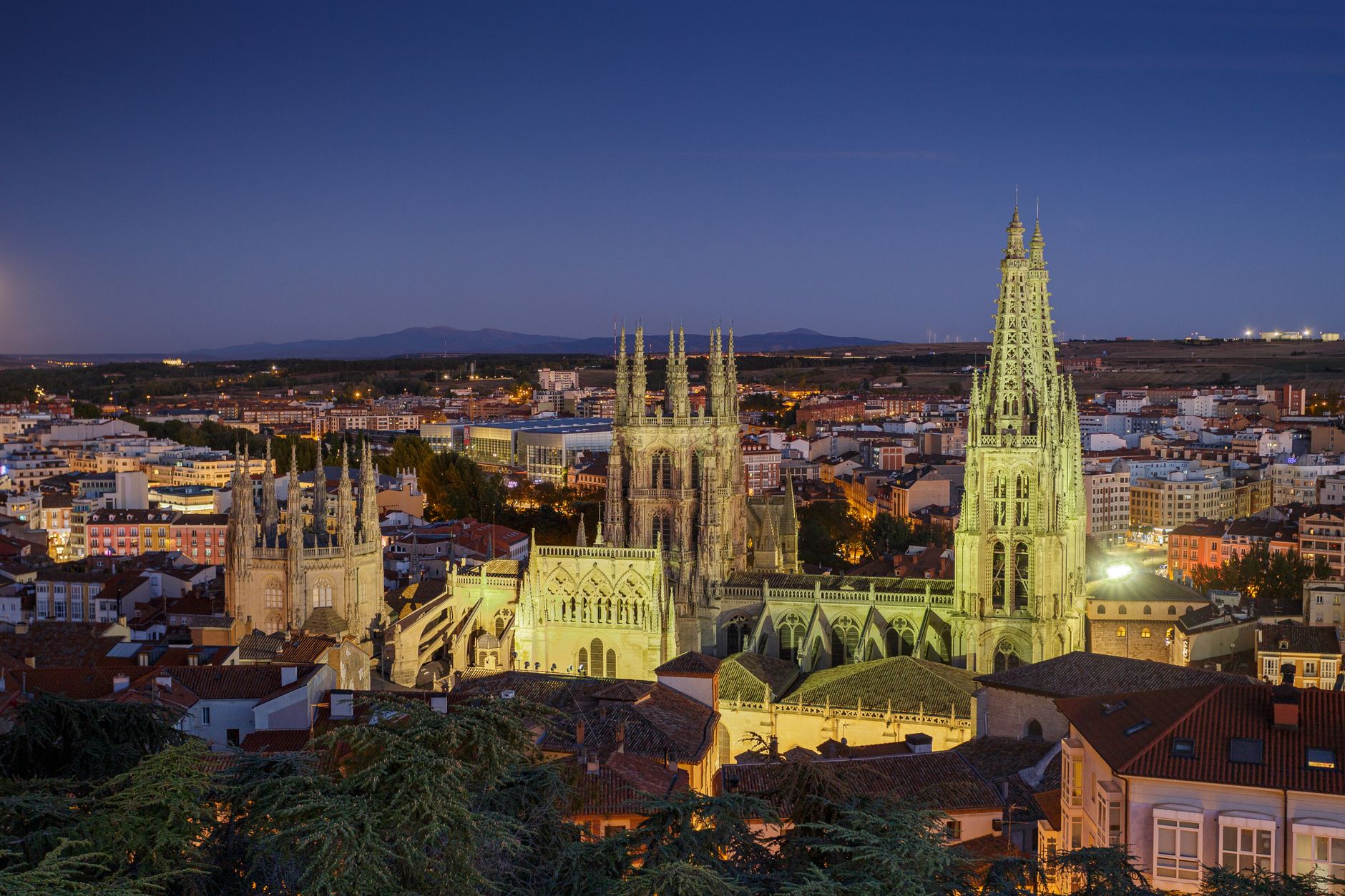




Logistics are verified only. We don't publish schedules we haven't confirmed.
Experiences worth booking ahead
- Ribera del Duero Wineries Guided Tour & Wine Tasting from Madrid4.9 (529)11 hrsFrom €185
- Avila & Segovia Tour with Tickets to Monuments from Madrid4.8 (12,138)9 hrsFrom €79
- Ribera del Duero:4 Wineries, tasting & Lunch included from Madrid4.9 (219)9 hrsFrom €220
- Bilbao Highlights 3-hour E-Bike tour: Small Group or Private Tour4.8 (249)3 hrsFrom €49
Spain Field Guide may earn a commission when you book through selected links. Recommendations are editorial and independent of commission.
Ready to build Aldeadávila de la Ribera into a trip?
You've found a place worth going. When you're ready to turn discovery into an itinerary, Travel Itinerary Co picks up where the Field Guide leaves off — with your saved places already in hand.
Build this into a tripContinues on Travel Itinerary Co
Spain Field Guide may earn a commission when you book through selected links. Recommendations are editorial and independent of commission.