Urueña

A two-hour stop, and a good one if you like old books. Do not build a day around it.
Intact walls, a handful of bookshops, and a village that has not been prettified for anyone.
At a Glance
- — You want to fill a full day
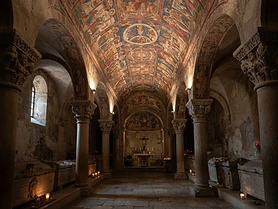
Urueña has a complete medieval wall, about two hundred residents and more bookshops than bars: the village was designated a book town, and secondhand dealers and small publishers now occupy the stone houses inside the gates. There is also a museum of rural life and a Romanesque church standing outside the walls in the fields. It is a pleasant, slightly improbable place, an hour from Valladolid across open country, with almost nowhere to stay apart from a couple of rural houses. Come for the wall, the books and the quiet.
How it got here
Castilla y León formed the core of the medieval kingdoms that led the Reconquista, and Urueña held a strategic defensive position overlooking the plains of Tierra de Campos. The stone walls ringing the village date to the twelfth and thirteenth centuries, a period when the border between the Christian north and the Muslim south shifted through these lands. The structure of the town mirrors the defensive priorities of the era, where solid stone and enclosed spaces provided security for the frontier settlements. Today the village serves as the first Villa del Libro in Spain, a title that acknowledges its transition from a military outpost into a quiet center for antique and specialized bookstores.
Where it sits
The village stands on a limestone ridge rising sharply above the flat expanse of the Tierra de Campos. From the walls the view extends over thousands of hectares of grain fields that turn golden in July and remain stark and empty through the winter months. Winds sweep across this open plateau, cooling the air even during intense summer afternoons. Reaching the village requires driving across the quiet roads of Valladolid province, where villages appear as solitary clusters of stone amidst the wide, featureless cereal landscape. Silence prevails here outside of the occasional weekend gathering of visitors browsing the books.
What to eat and drink
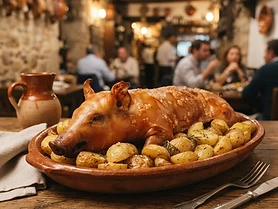
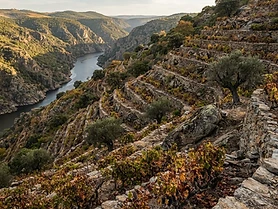
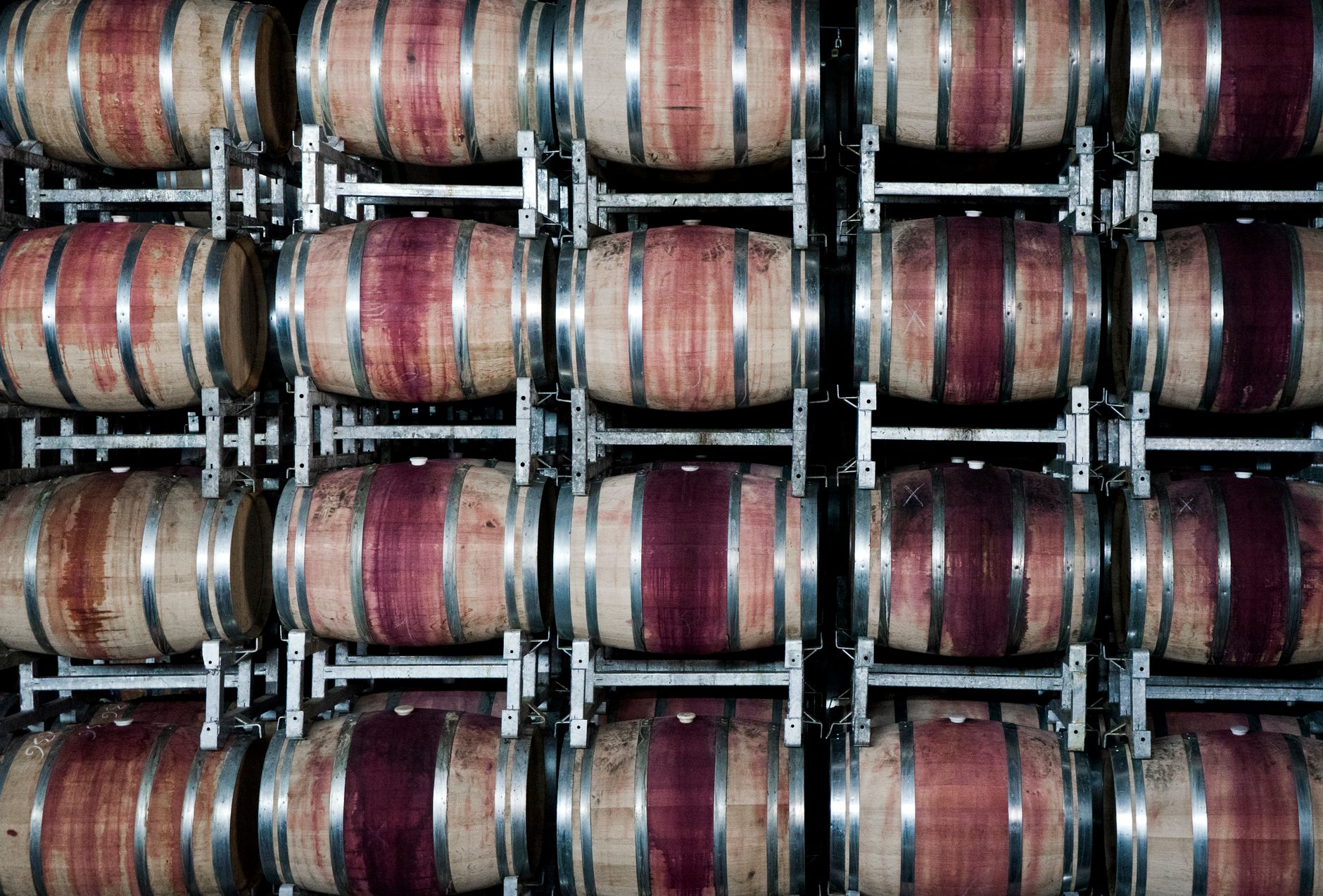
Castilian food follows the cycles of the grain plains and the herds that graze the fallow fields. Lechazo asado, milk-fed lamb roasted in a wood-fired oven until the skin turns crisp, stands as the essential dish of the province. Sopa de ajo, a broth thickened with bread, garlic, and paprika, carries the influence of local pastoral traditions. Diners pair these heavy dishes with bold red wines produced in the nearby Ribera del Duero vineyards. These wines rely on the Tempranillo grape, which thrives in the extreme climate of the plateau, developing intense color and structure over long, sun-drenched growing seasons.
Castilla y León: the whole region
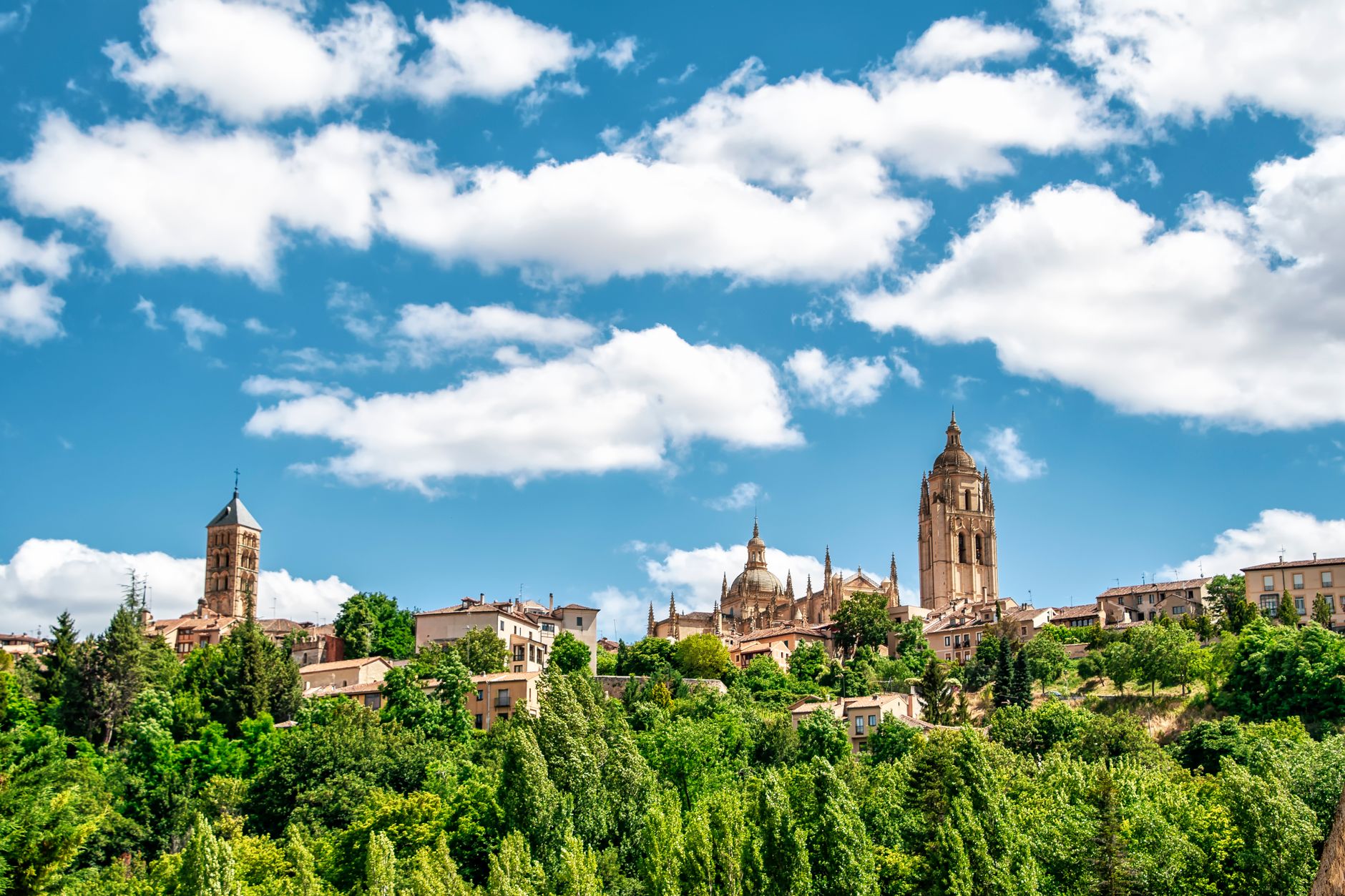
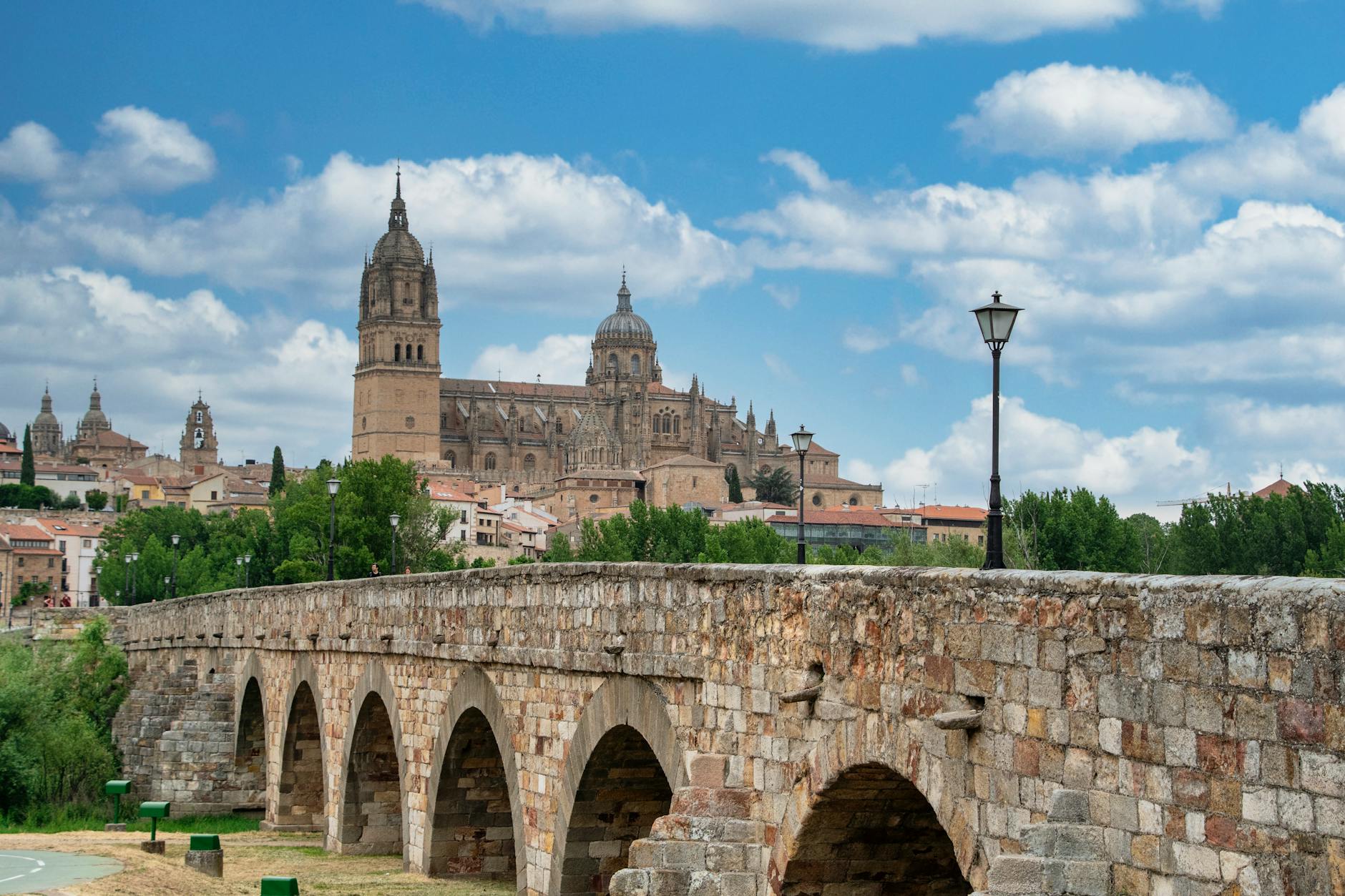
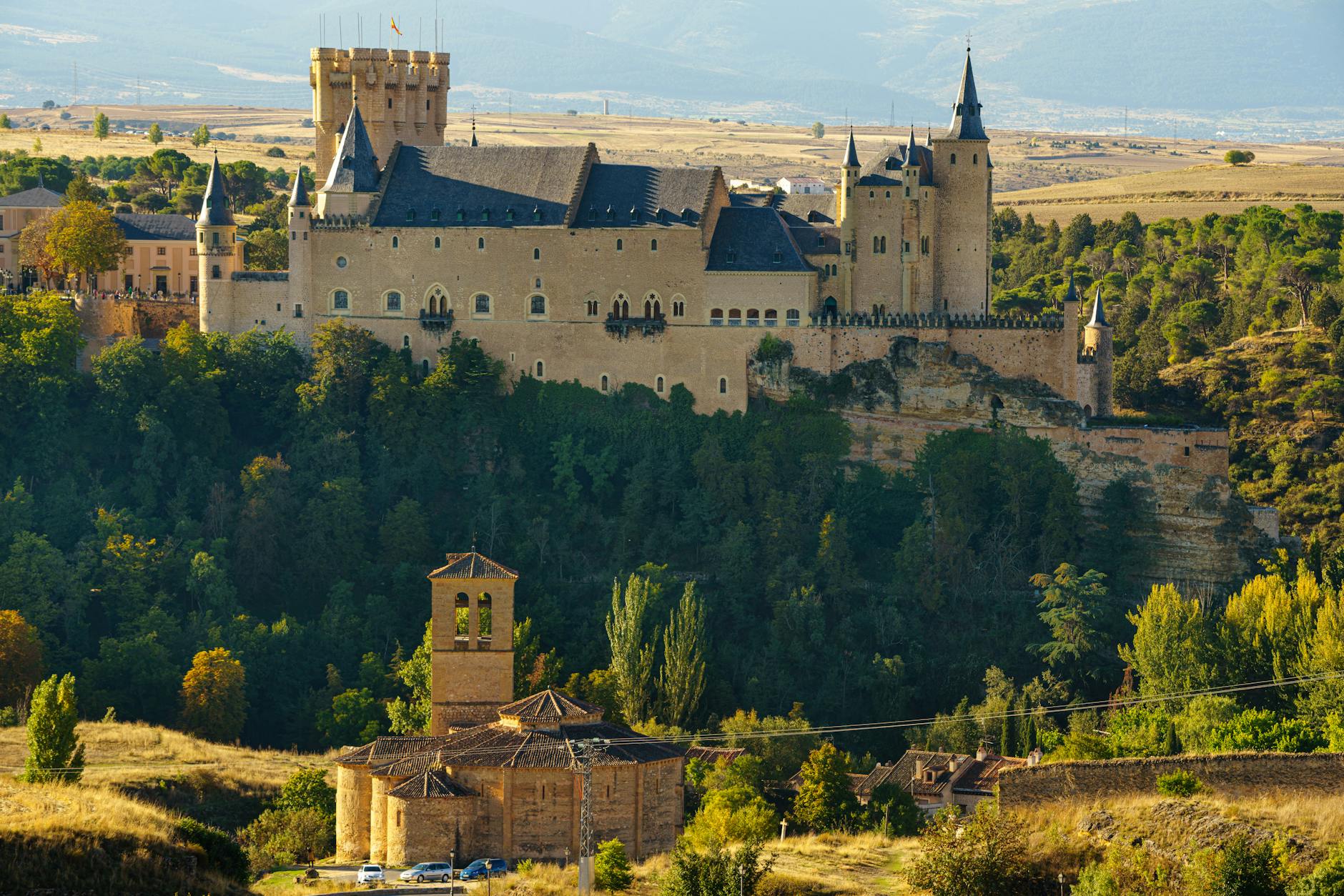
The largest region in Spain, and the one that most rewards a car: a plateau of walled cities, Romanesque churches and vineyards, with Salamanca, León, Burgos and Segovia as four genuine anchors spread across four hundred kilometres. There…
Minimum 5 days · better 8-10 days · deep 2 weeks


In Castilla y León



In Castilla y León





In Castilla y León












Logistics are verified only. We don't publish schedules we haven't confirmed.
Appears In
Experiences worth booking ahead
Spain Field Guide may earn a commission when you book through selected links. Recommendations are editorial and independent of commission.
Ready to build Urueña into a trip?
You've found a place worth going. When you're ready to turn discovery into an itinerary, Travel Itinerary Co picks up where the Field Guide leaves off — with your saved places already in hand.
Build this into a tripContinues on Travel Itinerary Co
Spain Field Guide may earn a commission when you book through selected links. Recommendations are editorial and independent of commission.