Frómista

A small town that packs a massive architectural punch for those who appreciate design.
It is widely considered to have one of the most perfectly preserved and beautiful Romanesque churches on the entire route.
At a Glance
- — you are not interested in stone churches
Small and focused, this town is primarily known for the Church of San Martín, a near-perfect specimen of Romanesque symmetry and restraint. The golden-hued stone of the building glows against the open, flat expanse of the surrounding fields, standing as a solitary architectural jewel. It is a place that demands a slower pace, rewarding those who take the time to inspect the rhythmic arches and precise stonework of one of the finest churches on the route.
How it got here
Castilian chronicles link the town to the growth of the Camino de Santiago, which transformed modest settlements into vital stops during the eleventh century. The counts of Castile endowed the Benedictine monastery of San Martín in 1066 to anchor the faith along the pilgrimage route. While the monastery buildings perished, the church held its ground as a physical testament to the wealth and architectural focus of the era. The wider Tierra de Campos landscape shaped these foundations, relying on the cereal trade that defined the economic rhythm of Palencia for centuries.
Where it sits
The town sits on the vast, flat plateau of the Tierra de Campos, where the sky dominates the horizon and the wind sweeps across endless fields of wheat. Trees thin out to make room for expansive irrigation ditches and the steady flow of the Canal de Castilla. Summer heat bakes the pale, dry earth, while winters bring biting frosts from the Meseta. It is a quiet place that relies on the steady pace of the pilgrims moving toward the west, standing as a waypoint between the larger provincial hubs.
What to eat and drink
The local kitchen relies on the heavy, hearty ingredients of Palencia. Sopa castellana, a thick broth of bread, garlic, and paprika topped with a poached egg, provides necessary warmth after hours in the field. Roasted lechazo, milk-fed lamb cooked in wood-fired ovens, defines the seasonal celebrations. For dessert, the local monks perfected the pastel de San Martín, a small puff pastry filled with cream or chocolate. Red wines from the nearby Ribera del Pisuerga provide the primary accompaniment, matching the intensity of the roasted meats served in the village dining rooms.
Castilla y León: the whole region
The largest region in Spain, and the one that most rewards a car: a plateau of walled cities, Romanesque churches and vineyards, with Salamanca, León, Burgos and Segovia as four genuine anchors spread across four hundred kilometres. There…
Minimum 5 days · better 8-10 days · deep 2 weeks
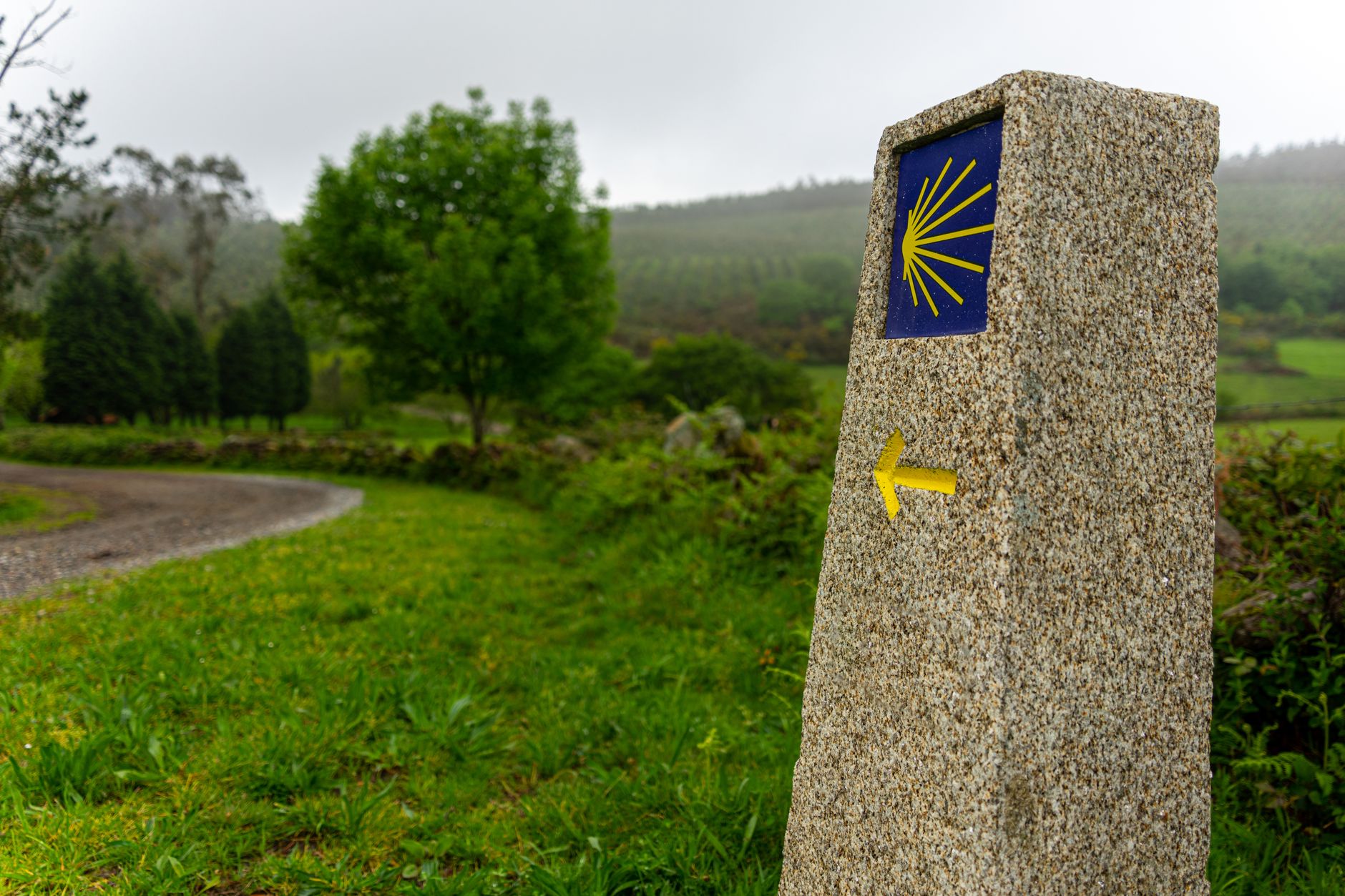
In Castilla y León



In Castilla y León


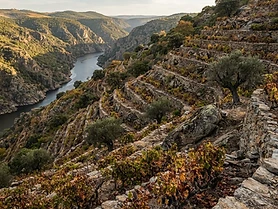


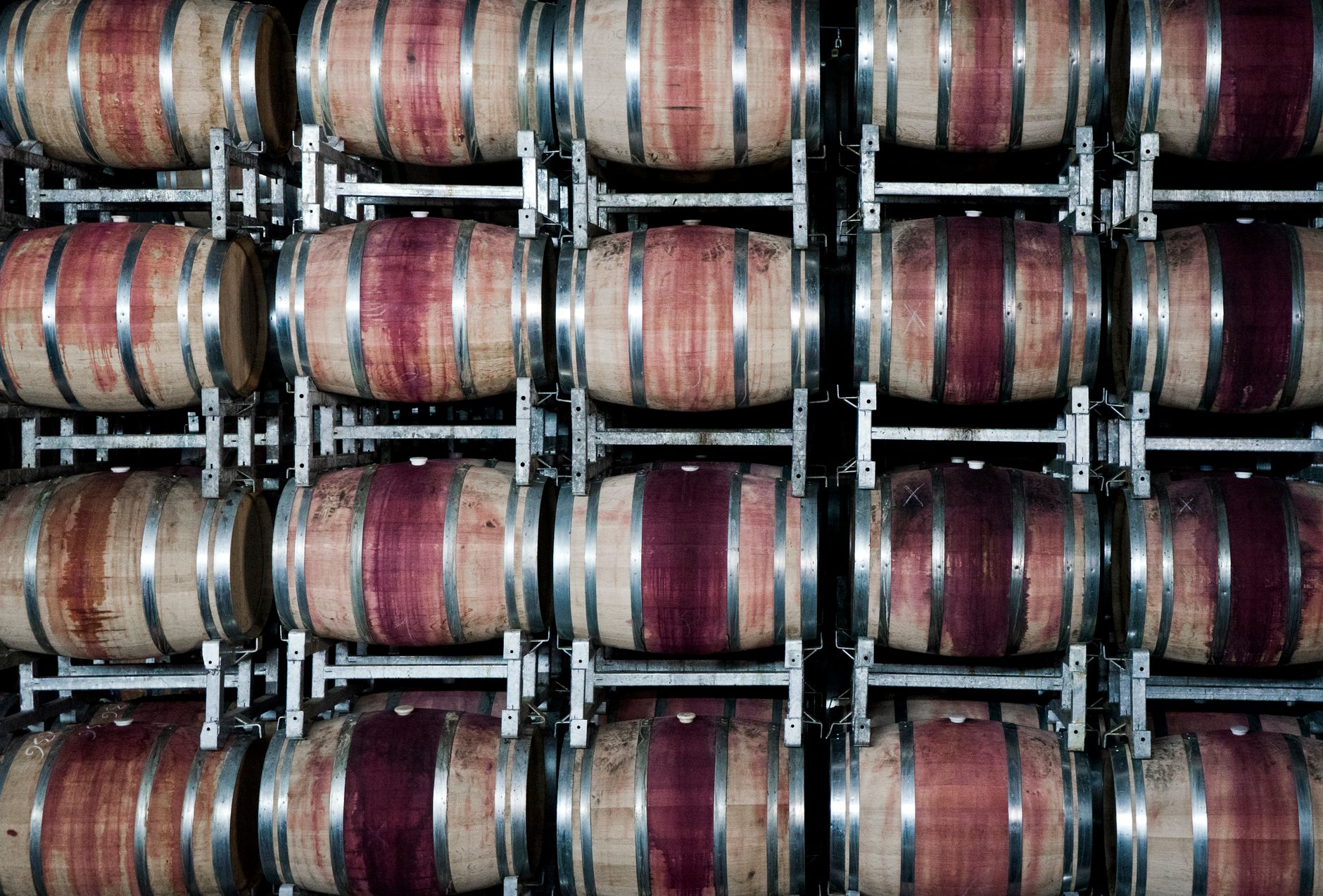

In Castilla y León












Logistics are verified only. We don't publish schedules we haven't confirmed.
Ready to build Frómista into a trip?
You've found a place worth going. When you're ready to turn discovery into an itinerary, Travel Itinerary Co picks up where the Field Guide leaves off — with your saved places already in hand.
Build this into a tripContinues on Travel Itinerary Co
Spain Field Guide may earn a commission when you book through selected links. Recommendations are editorial and independent of commission.