Ujué
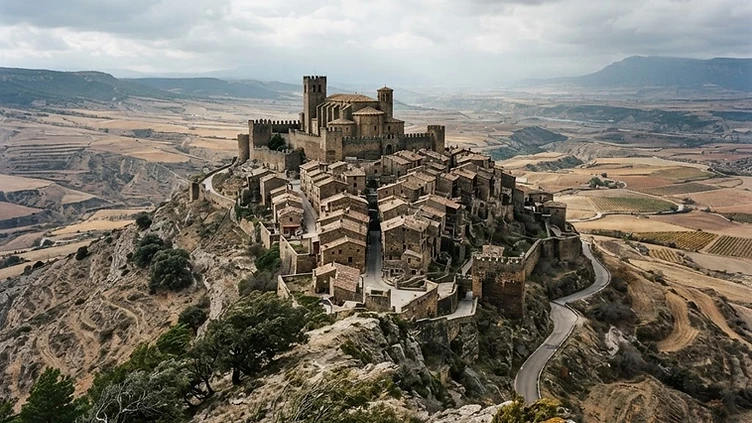
Worth the detour for the drive and the terrace; the interior is modest. Only with a car, and best in February during the almond blossom.
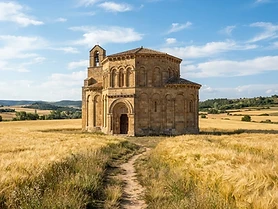
A Romanesque fortress-church on a hill in the middle of nowhere, with one of the widest and emptiest views in Navarra.
At a Glance
Ujué is a single street climbing to a fortified church, Santa María de Ujué, its apse and towers built for defence as much as worship. The village looks over a wide, empty landscape of cereal fields that is white with almond blossom in February. Navarra's kings used it as a stronghold and a shrine, and the terrace outside the church is the whole point of the drive.
How it got here
Kings of Navarra elevated this village in the eleventh century, establishing a strategic military outpost to guard the southern frontier. Sancho Ramírez reinforced the defenses of the Santa María church, turning a Romanesque building into a fortified citadel against incursions. The pilgrimage to the shrine grew in importance as monarchs donated gold and land to the foundation, cementing the village as a royal stronghold. Its tight layout follows the requirements of medieval defensive planning, where narrow alleys restricted movement for attackers and channeled residents into the walled church precinct. The structure holds the heart of Carlos II within its masonry, a final tribute from a monarch who favored this wind-battered height.
Where it sits
The village occupies a limestone ridge above the plains of the Zona Media, a transition zone between the wooded Pyrenean foothills and the Ebro valley. Cereal fields wrap around the base of the hill, creating a palette of ochre and gold that turns sparse during the long droughts of summer. A singular winding road connects the valley floor to the summit, where the air remains thin and temperatures drop rapidly after dark. February transforms the slopes as almond trees break into pale blossom against the grey stone of the village walls, while winter winds scour the empty streets until only the permanent residents remain.
What to eat and drink
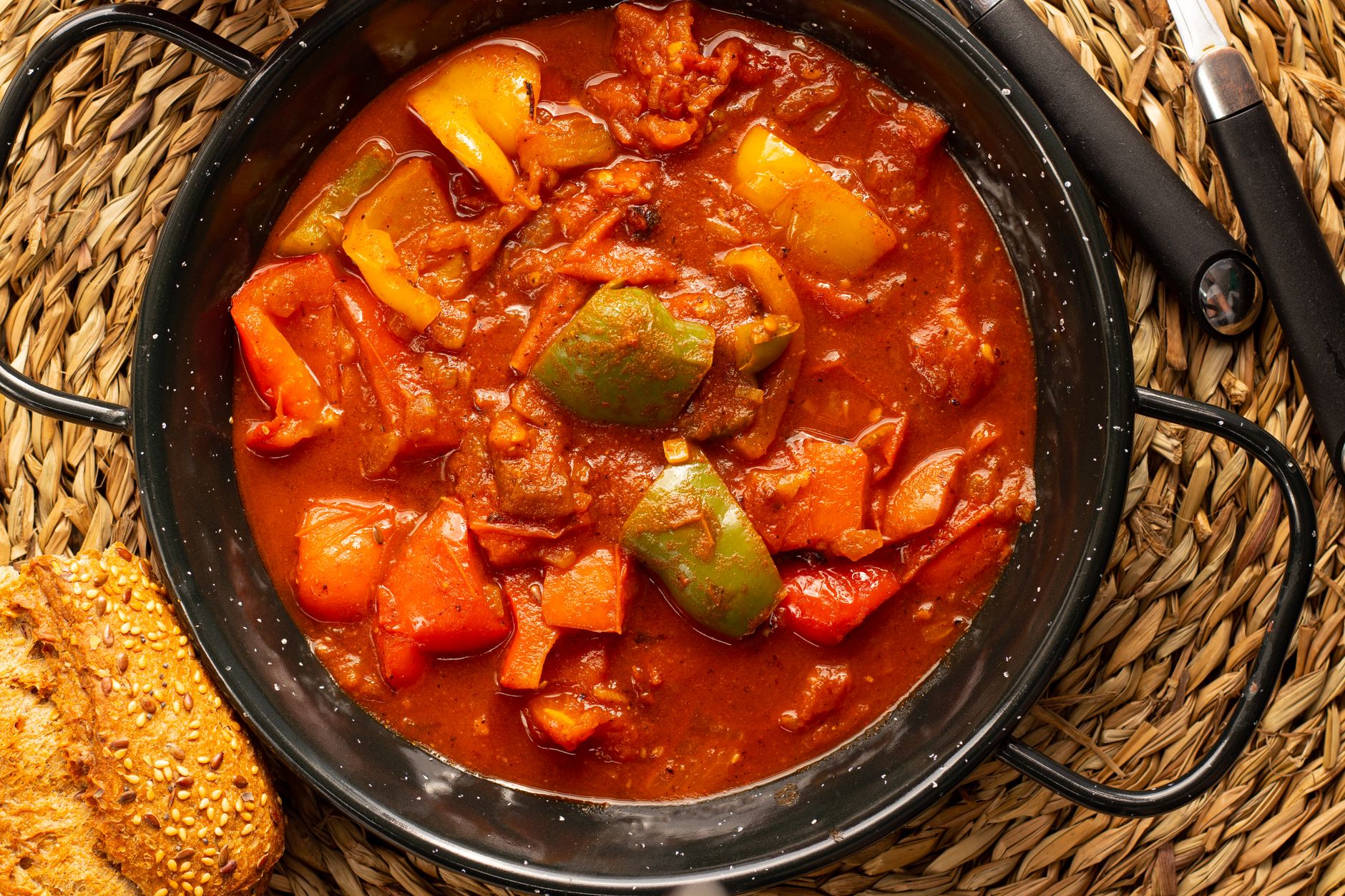
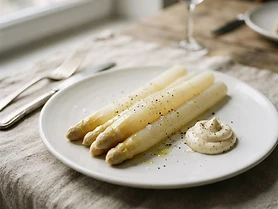
The local cuisine centers on the produce of the Navarran plains and hills. Cordero al chilindrón, a stew of milk-fed lamb cooked with red peppers, onions, and tomatoes, provides the staple protein for the table. Menestra de verduras, a classic composition of seasonal artichokes, asparagus, and peas, relies on the alluvial soil of the nearby riverbanks. For the finish, cuajada remains the traditional choice, a fresh sheep milk curd set in a wooden vessel and served with a drop of honey or sugar. The dry white wines of the region accompany these meals, reflecting the viticulture found across the surrounding valleys.
Navarra: the whole region
A region of contrasts packed into a small space: Pyrenean valleys and Atlantic beech forest in the north, Pamplona in the middle, and the Bardenas Reales — a desert of eroded badlands — in the south-east, which nobody expects at this…
Minimum 3 days · better 5-6 days · deep 8 days
In Navarra


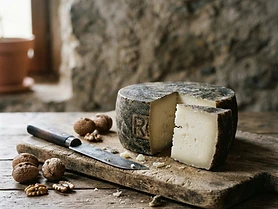


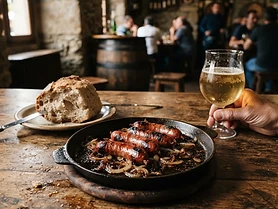

In Navarra
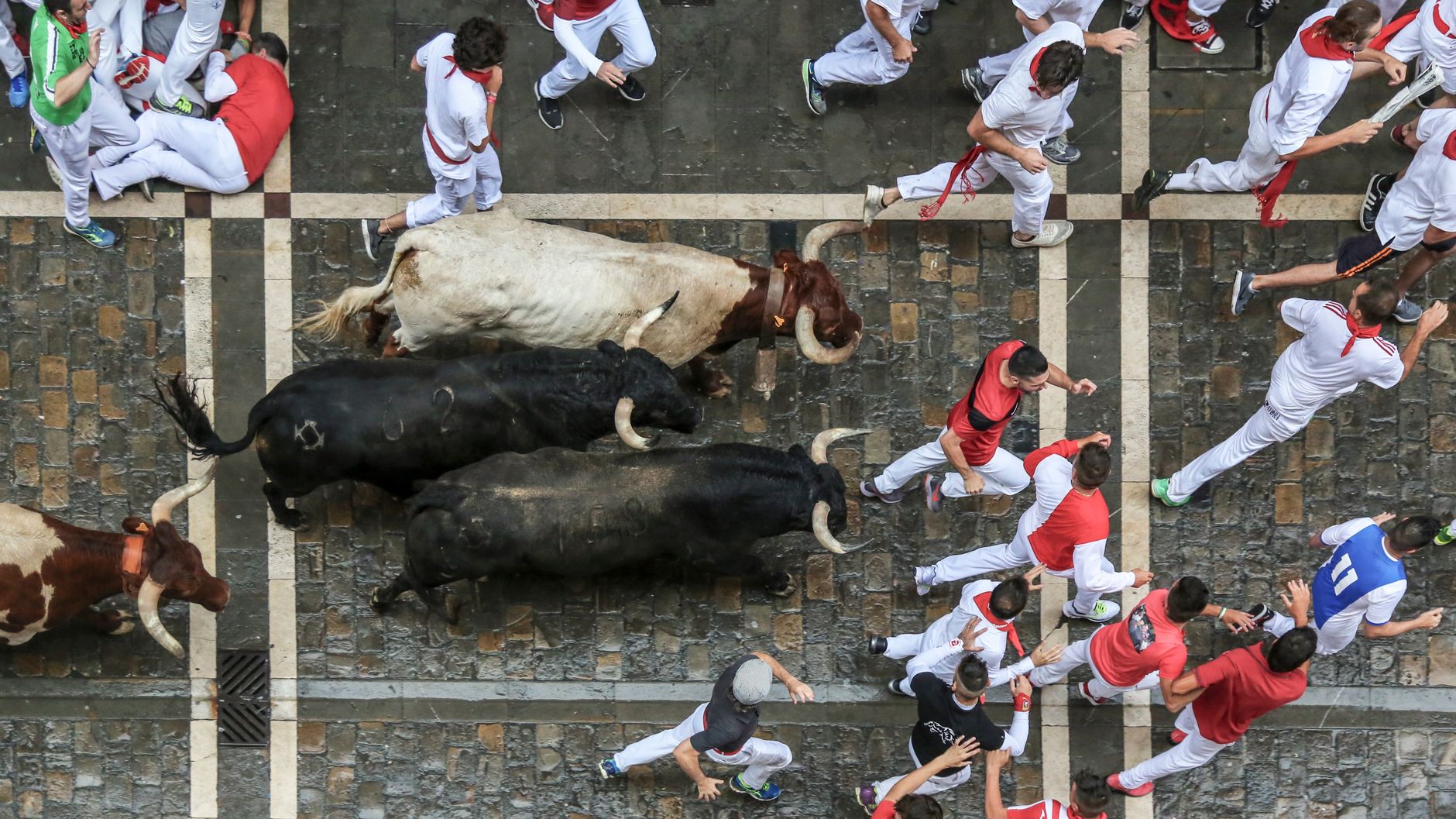
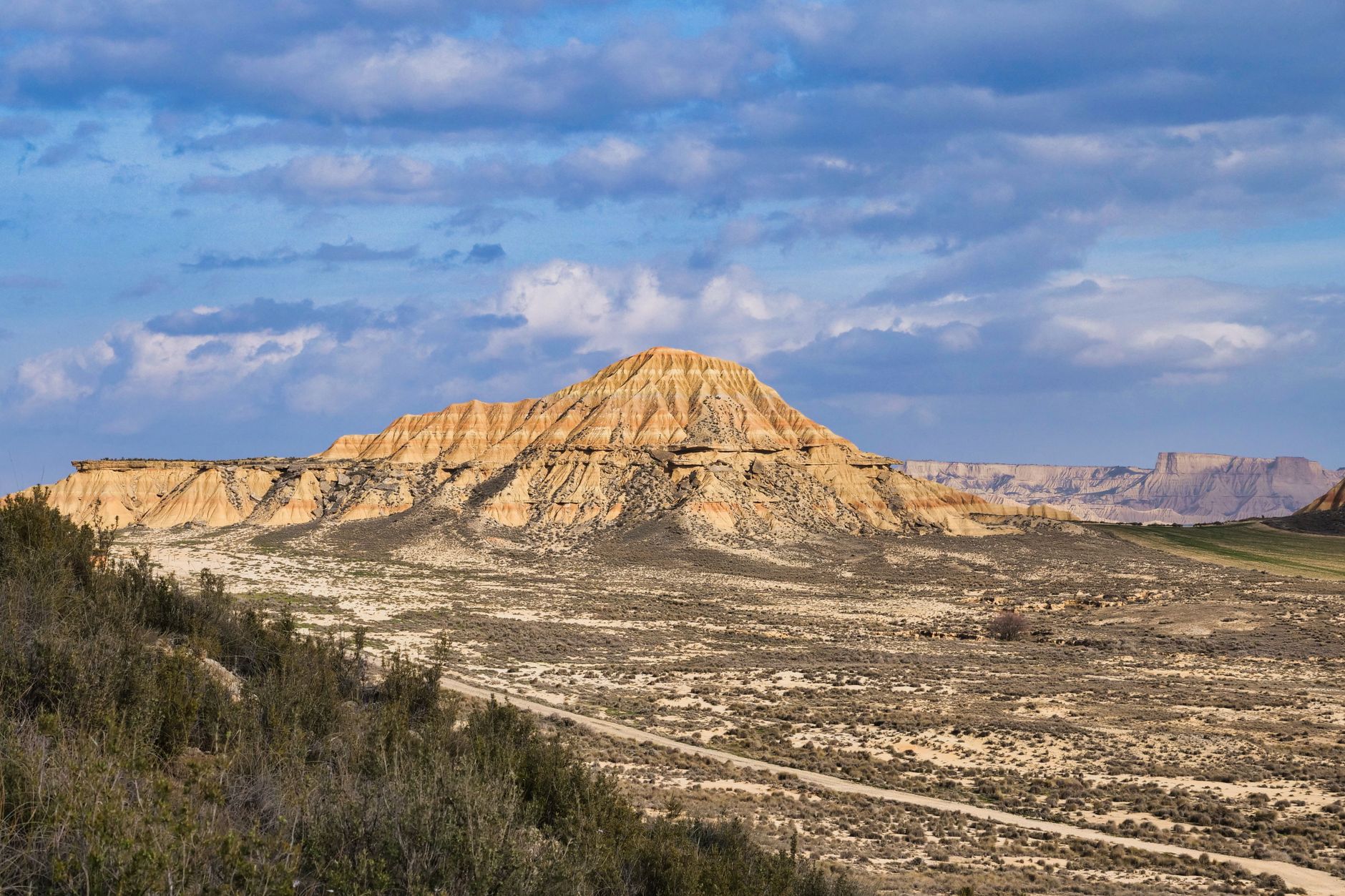








Logistics are verified only. We don't publish schedules we haven't confirmed.
Experiences worth booking ahead
Spain Field Guide may earn a commission when you book through selected links. Recommendations are editorial and independent of commission.
Ready to build Ujué into a trip?
You've found a place worth going. When you're ready to turn discovery into an itinerary, Travel Itinerary Co picks up where the Field Guide leaves off — with your saved places already in hand.
Build this into a tripContinues on Travel Itinerary Co
Spain Field Guide may earn a commission when you book through selected links. Recommendations are editorial and independent of commission.