Olite
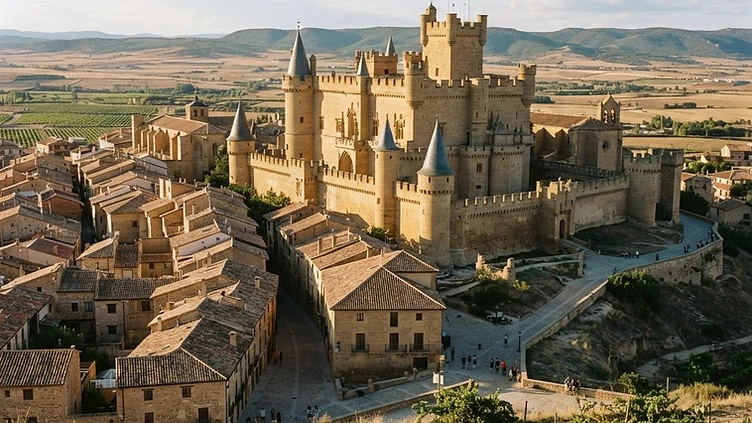
Half a day is right — two hours for the castle, one for the town. Combine it with Ujué or the Bardenas, both within an hour. Skip it if castles leave you cold.
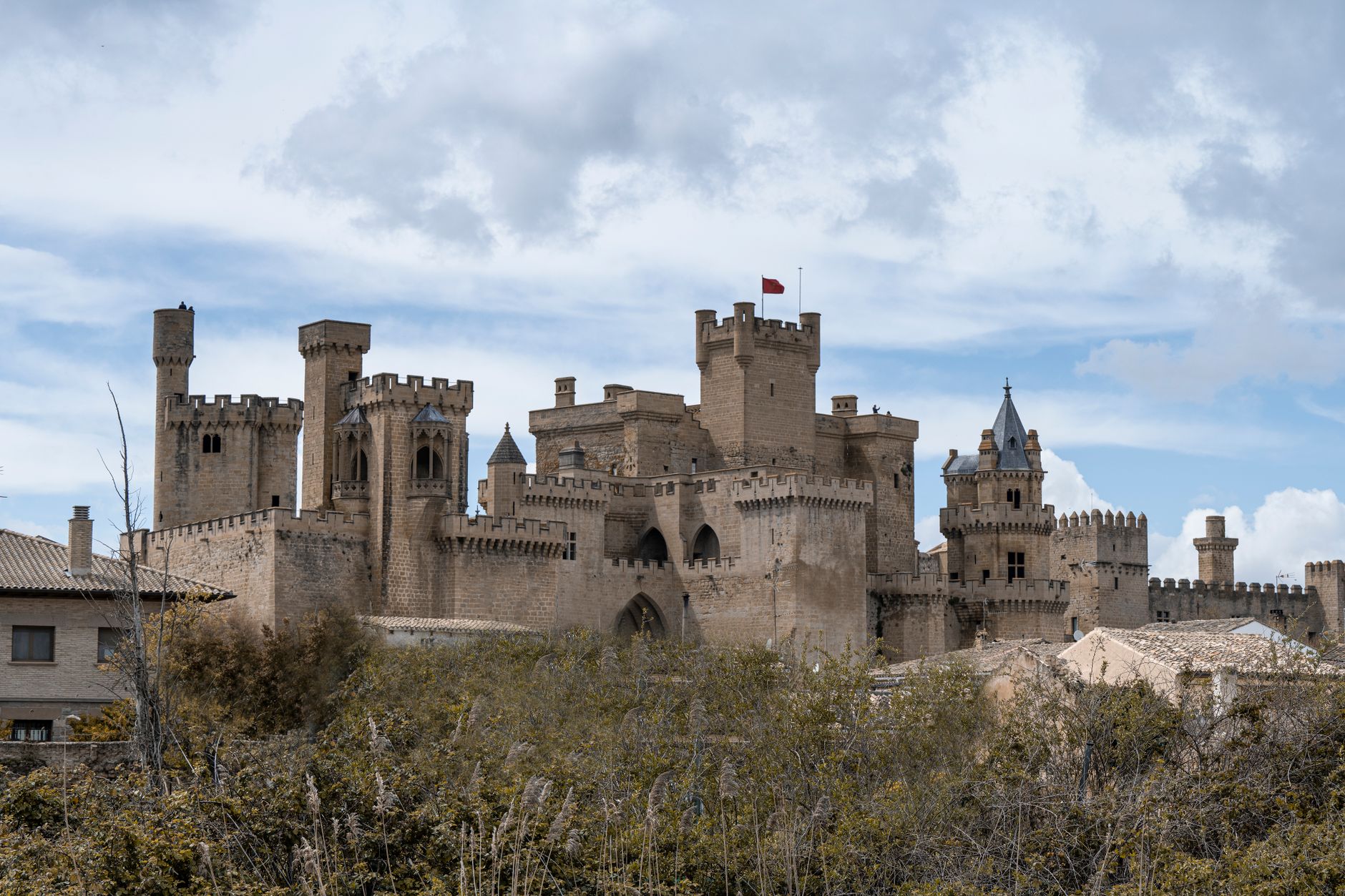
The castle is the reason: a 15th-century royal palace-fortress, one of the strangest in Spain, with the medieval town still wrapped tight around it.
At a Glance
Olite's castle is a hybrid of fortress and palace — towers, hanging gardens and a tower the king kept lions in. The town below is small, red-roofed and entirely walkable, with the church of Santa María and a tangle of medieval streets. It is forty minutes south of Pamplona and makes an easy half day.
How it got here
Kings of Navarra established their court here during the Middle Ages, building a palace that evolved through successive enlargements until the fifteenth century. The defensive walls and the fortress represent the strategic importance of this site during the territorial shifts between the Christian kingdoms and the southern caliphates. After the annexation of the Kingdom of Navarra by Castile in 1512, the structure lost its role as a royal residence. Centuries of neglect followed before large-scale reconstruction efforts began in the early twentieth century to restore the royal silhouette that dominates the skyline today.
Where it sits
The town occupies a transition zone where the Pyrenean foothills fade into the drier, flatter plains of the Ribera. Rolling hills of cereal crops and vineyards define the horizon, marked by the limestone soil characteristic of central Navarra. Cool winds descend from the northern mountains, yet summers bring heat that persists well into the evening. Access remains straightforward via the road corridor connecting Pamplona to the Ebro valley. While visitors arrive in steady numbers during the spring and autumn months, the narrow streets quiet down as the sun drops behind the palace towers.
What to eat and drink
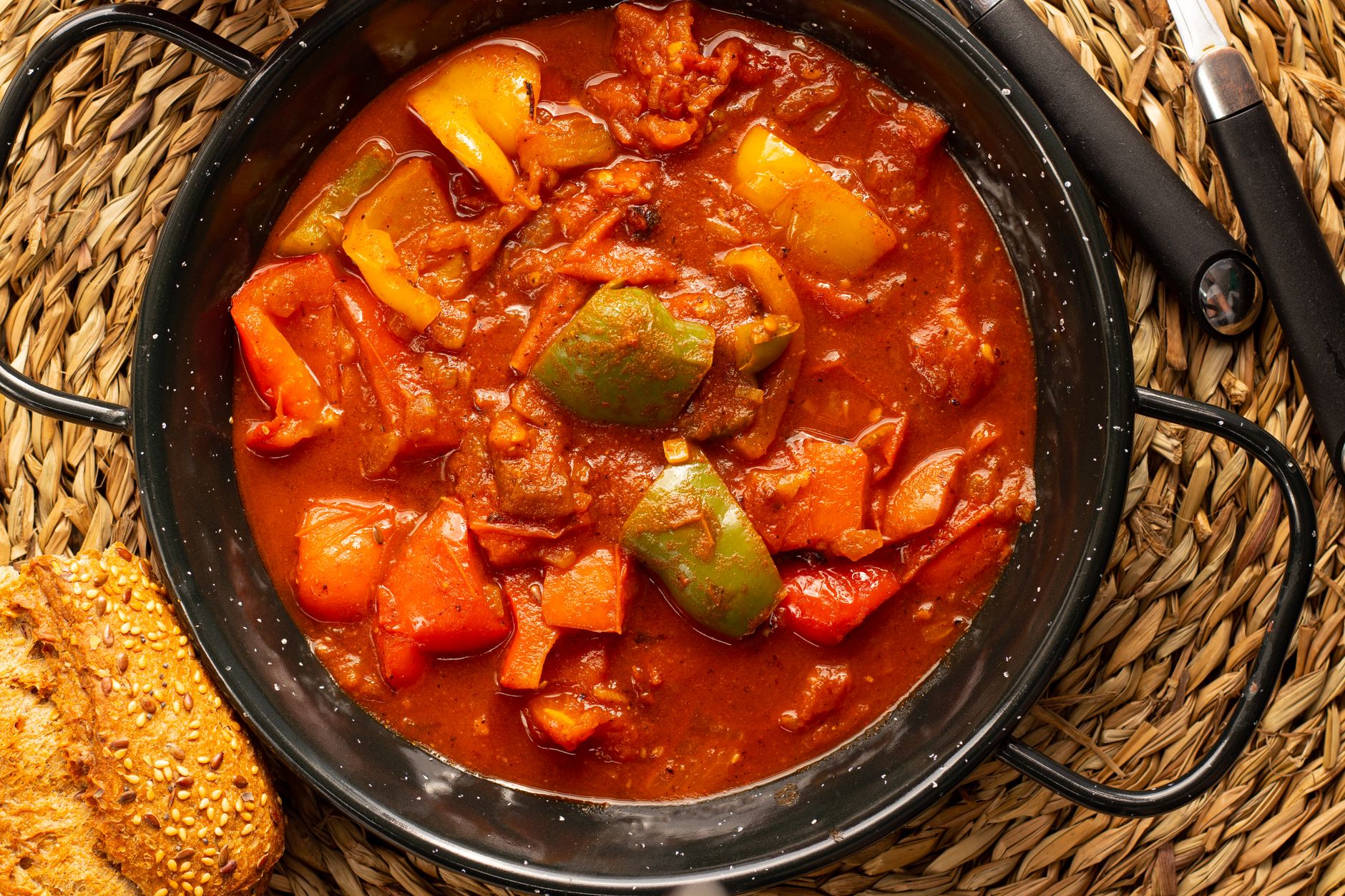
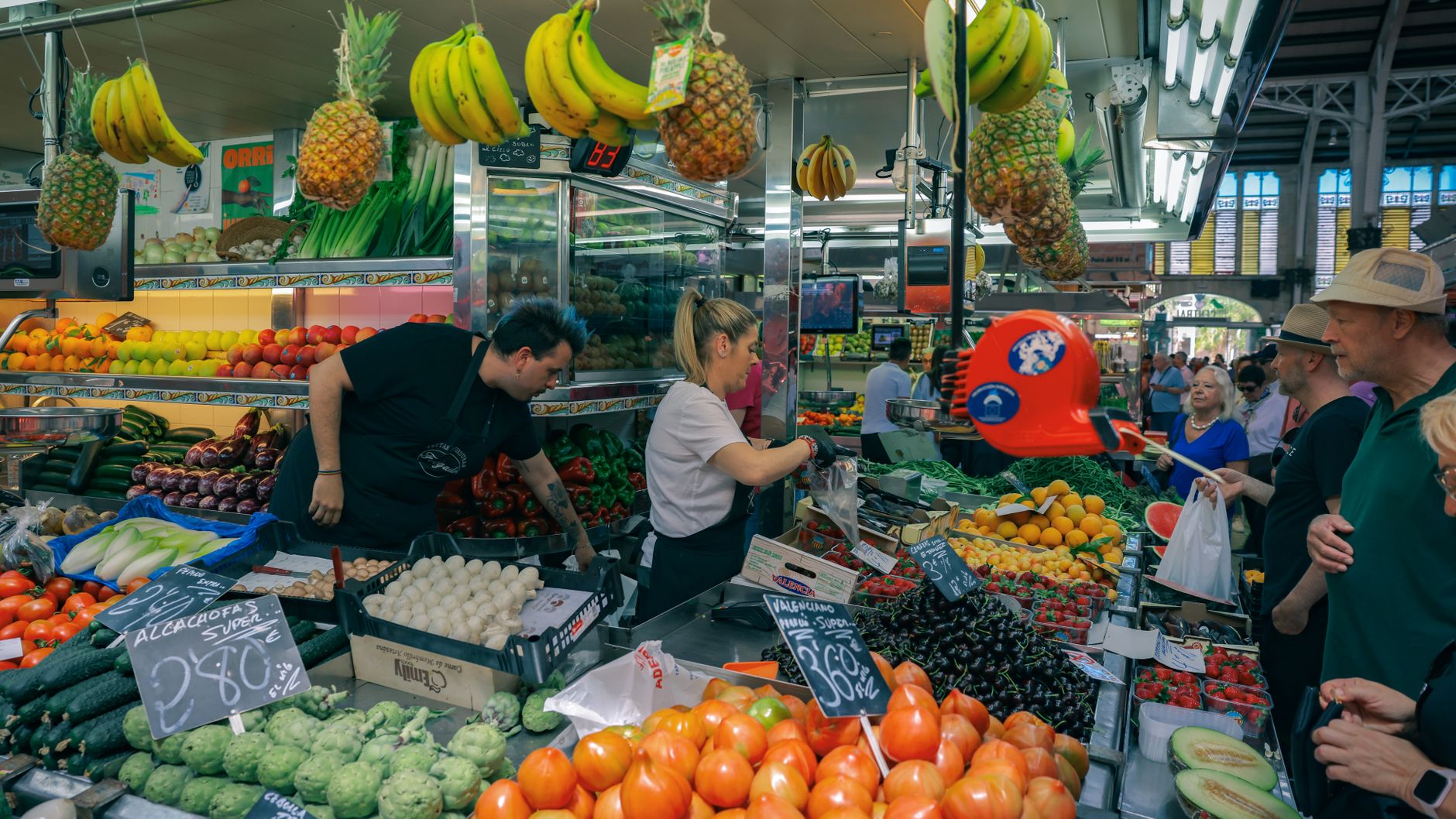
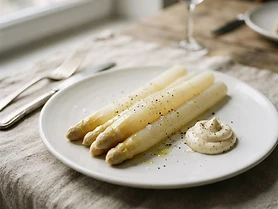
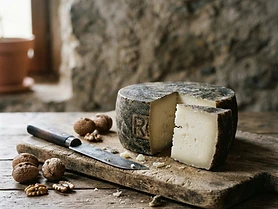
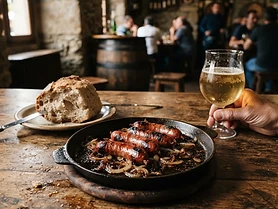
Navarra produces consistent vegetables, with Piquillo peppers from Lodosa and white asparagus forming the base of local meals. Meals often start with menestra, a stew of seasonal spring vegetables harvested from the surrounding gardens. The province produces high-quality wines, particularly rosado made from Garnacha grapes that possess a deep color and dry finish. Roast lamb, locally sourced from mountain flocks, provides a staple dish for winter dining. For dessert, cuajada remains common, a sheep milk curd served with honey and walnuts that speaks to the transhumance traditions of the northern highlands.
Navarra: the whole region
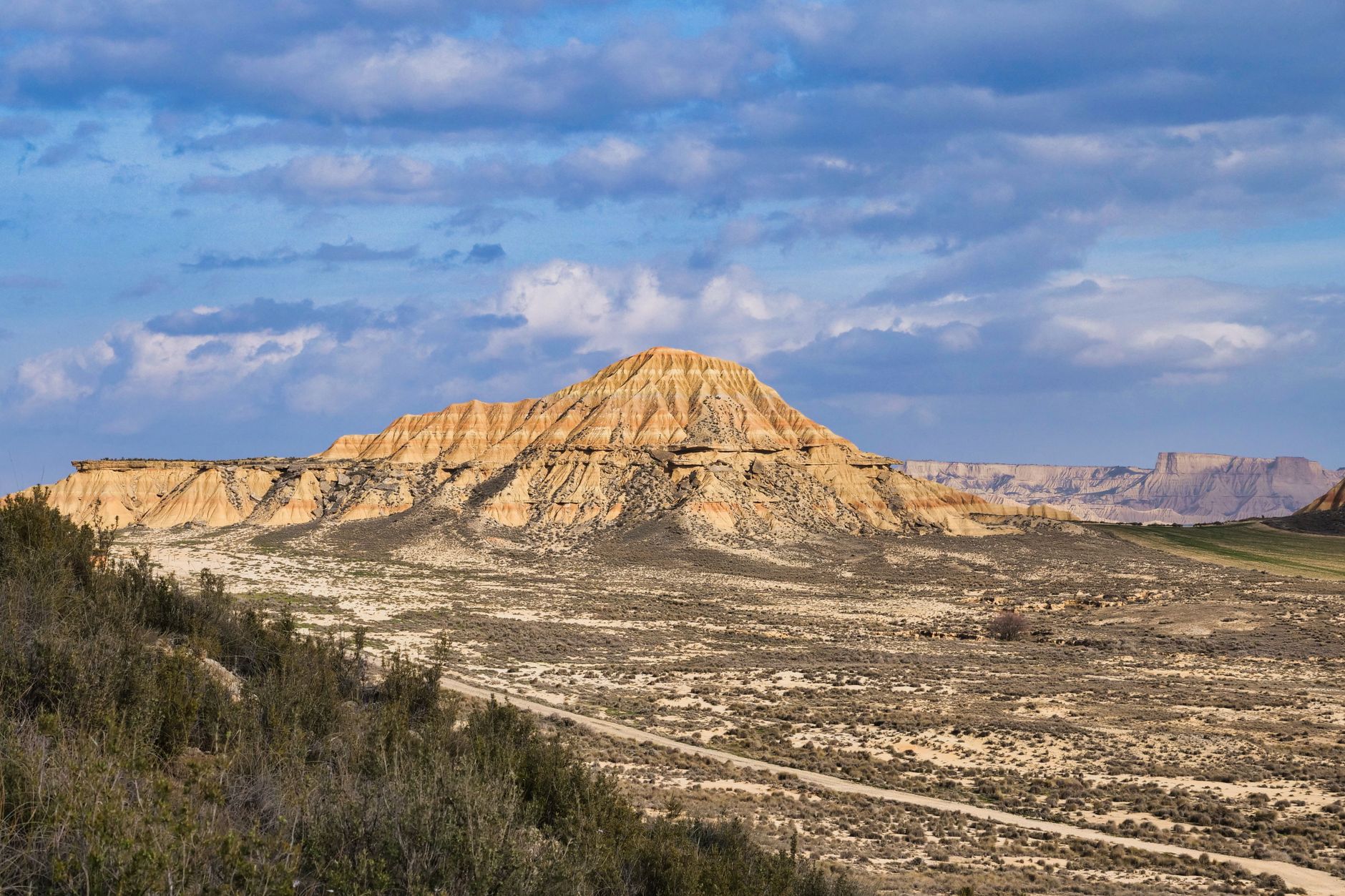
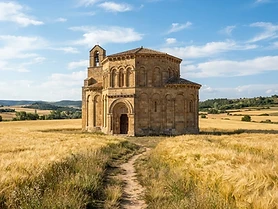
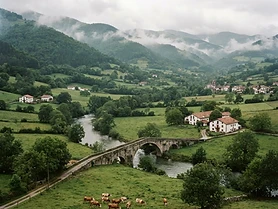
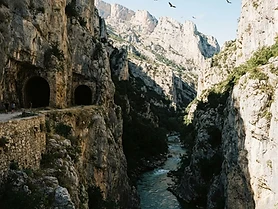
A region of contrasts packed into a small space: Pyrenean valleys and Atlantic beech forest in the north, Pamplona in the middle, and the Bardenas Reales — a desert of eroded badlands — in the south-east, which nobody expects at this…
Minimum 3 days · better 5-6 days · deep 8 days
In Navarra





In Navarra






Logistics are verified only. We don't publish schedules we haven't confirmed.
Experiences worth booking ahead
Spain Field Guide may earn a commission when you book through selected links. Recommendations are editorial and independent of commission.
Ready to build Olite into a trip?
You've found a place worth going. When you're ready to turn discovery into an itinerary, Travel Itinerary Co picks up where the Field Guide leaves off — with your saved places already in hand.
Build this into a tripContinues on Travel Itinerary Co
Spain Field Guide may earn a commission when you book through selected links. Recommendations are editorial and independent of commission.