Monasterio de El Escorial

Worth a special trip — this is one of Spain's essential historic sites, both as royal residence and as a statement of Habsburg power.
The scale and austerity of Philip II's monastery-palace-mausoleum complex is genuinely imposing, and the royal pantheon beneath it is one of the more sobering spaces in the country.
At a Glance
- — short on time
- — seeking a light, quick visit
- — fatigued by large complexes
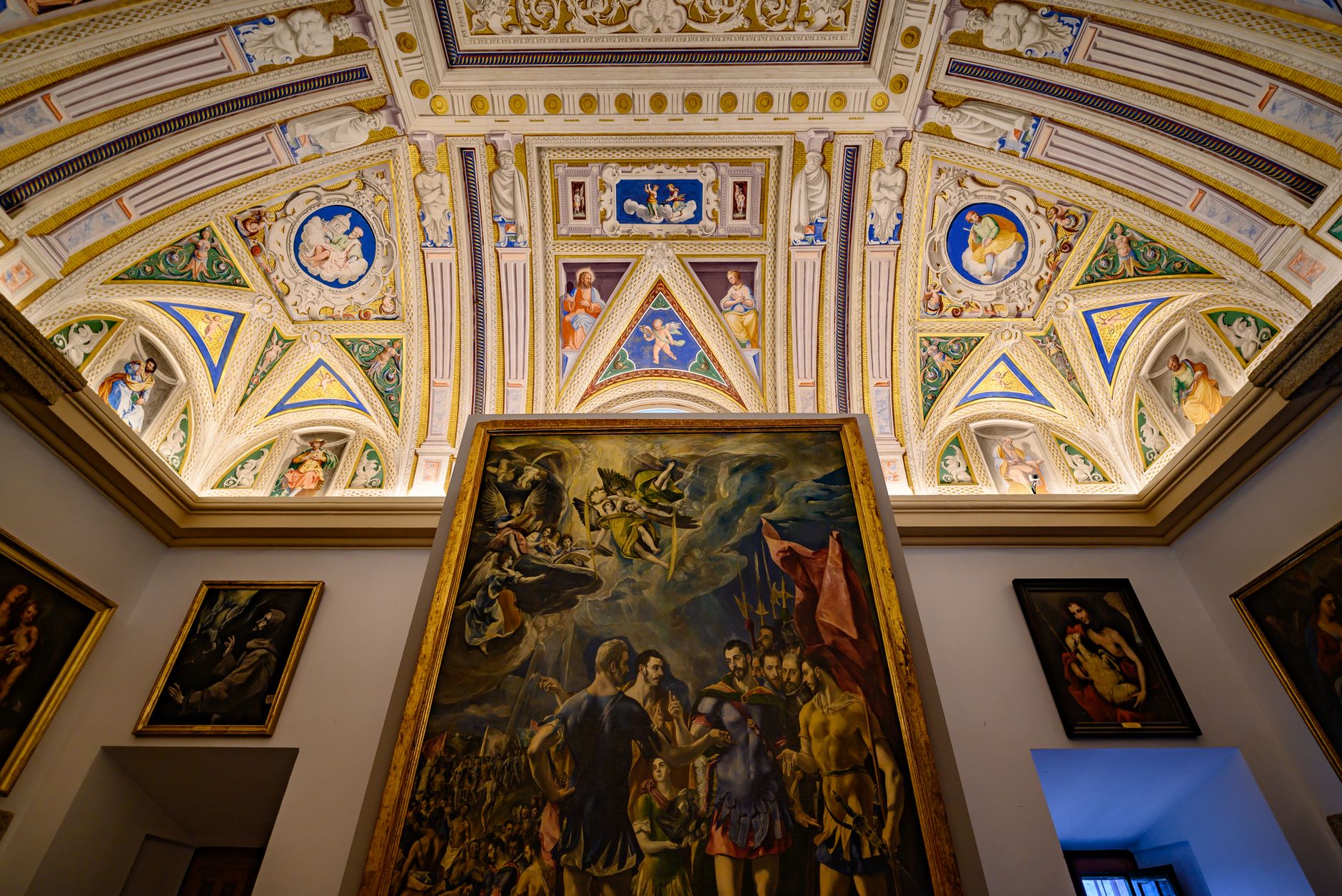
Cold granite walls and a sprawling, austere floor plan mark this 16th-century Habsburg mausoleum, palace, and monastery. Walking through the royal pantheon beneath the main building is a somber experience, as the weight of history and stone presses in from all sides. It is a severe, imposing monument to Philip II that demands a dedicated day trip from the capital to fully grasp its scale.
How it got here
Philip II commissioned the building of this complex in 1563 to commemorate the victory over the French at the Battle of Saint-Quentin. Architects Juan Bautista de Toledo and Juan de Herrera translated the austere Habsburg aesthetic into a grid plan inspired by the grill used in the martyrdom of Saint Lawrence. The structure centralized the administrative power of the Spanish Empire under a single roof. Centuries later, the site holds the remains of most Spanish monarchs within the Panteón de Reyes. This stone complex clarifies the uncompromising piety and rigid bureaucratic control that defined the reign of Philip II.
Where it sits
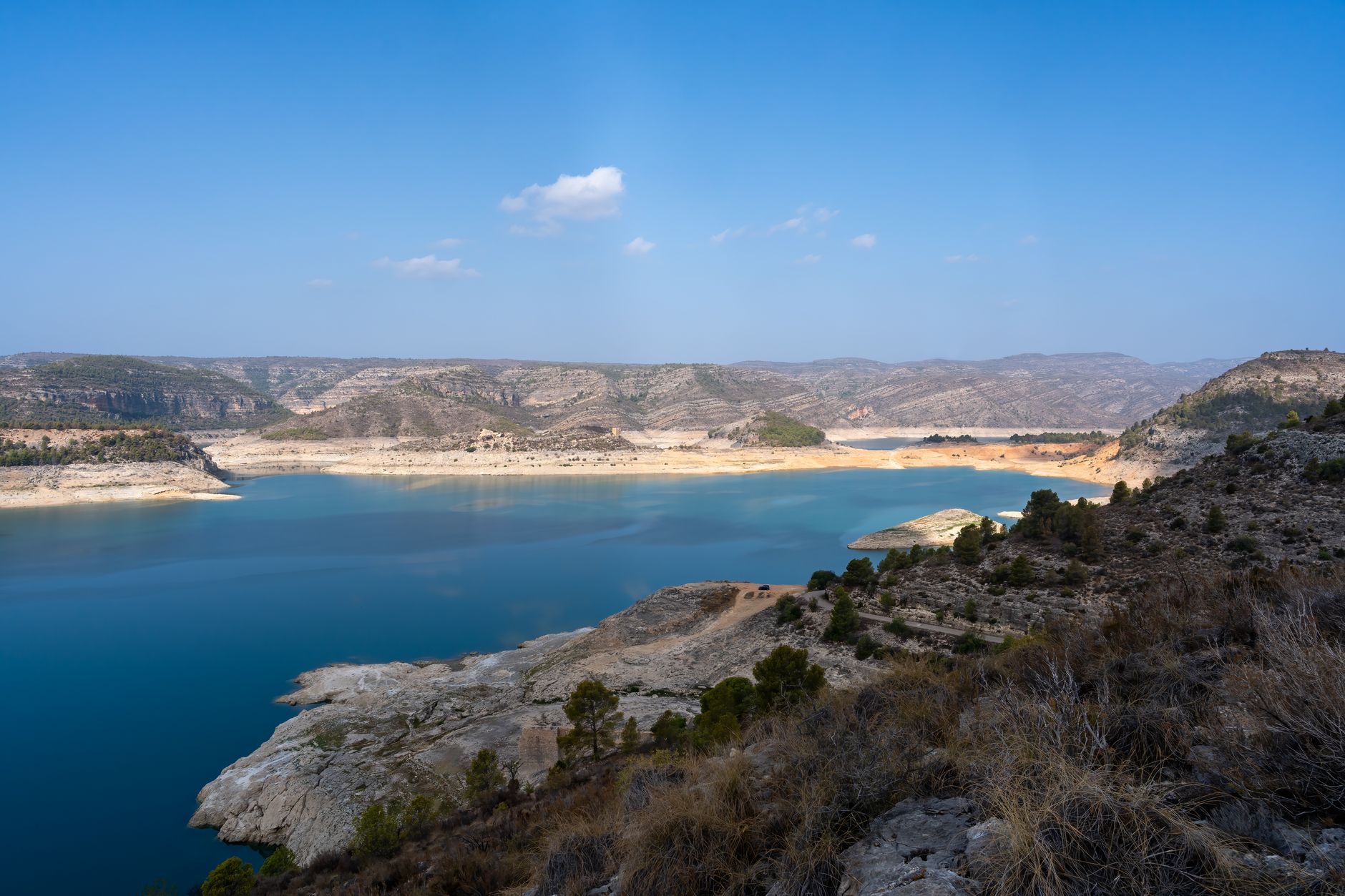
The granite mass sits on the southern slopes of the Sierra de Guadarrama. Oak and chestnut forests cover the surrounding hillsides that separate the arid Castilian plateau from the green valleys of the north. Madrid lies an hour to the southeast by rail. Winter winds sweep down from the snow-dusted peaks of the Guadarrama range to bite at the exposed courtyards. Summer brings dry heat that cools significantly after sunset. Visitors arrive from the capital in steady streams throughout the year but the vast scale of the grounds absorbs the crowds.
What to eat and drink
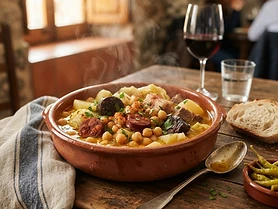
Castilian mountain cooking dominates the kitchen here. The classic plate is roast suckling pig or roast lamb, seasoned simply with salt and cooked until the skin cracks. Chickpea stew, cocido madrileño, appears on menus as a heavy dish of meat and pulses served in distinct stages. Garlic soup with bread and paprika provides warmth against the mountain chill. Local bakeries produce rosquillas, small ring-shaped pastries flavored with anise. A glass of bold red wine from the Vinos de Madrid designation accompanies these meals, sourced from the dry vineyards of the nearby plains.
Madrid: the whole region
Madrid is a province with one great city in it, and that city is worth three or four days on its own: three major museums within a few hundred metres of each other, a working market culture, a nightlife that starts late and does not stop,…
Minimum 3 days · better 5-6 days · deep 8-10 days

Pair It With

In Madrid





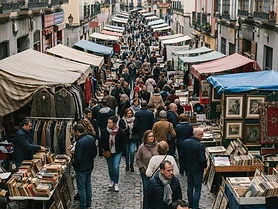

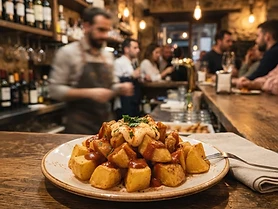

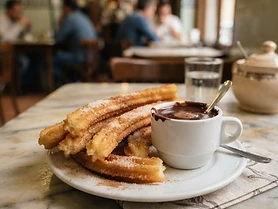



In Madrid















Linked from elsewhere
Entries that name this place in their own nearby lists.

Logistics are verified only. We don't publish schedules we haven't confirmed.
Appears In
Experiences worth booking ahead
- Escorial Monastery and the Valley of the Fallen Tour from Madrid4.8 (3,222)5 hrsFrom €62
- Madrid: Royal Palace Guided Tour with Skip the Line Ticket4.7 (3,207)2 hrsFrom €35
- Private VIP visit El Escorial Palace, Monastery, Villa & Garden5.0 (46)3.5 hrsFrom €140
- From Madrid El Escorial Valle de los Caídos & Segovia Day Trip4.7 (73)10 hrsFrom €69
Spain Field Guide may earn a commission when you book through selected links. Recommendations are editorial and independent of commission.
Ready to build Monasterio de El Escorial into a trip?
You've found a place worth going. When you're ready to turn discovery into an itinerary, Travel Itinerary Co picks up where the Field Guide leaves off — with your saved places already in hand.
Build this into a tripContinues on Travel Itinerary Co
Spain Field Guide may earn a commission when you book through selected links. Recommendations are editorial and independent of commission.