Mercado de Antón Martín
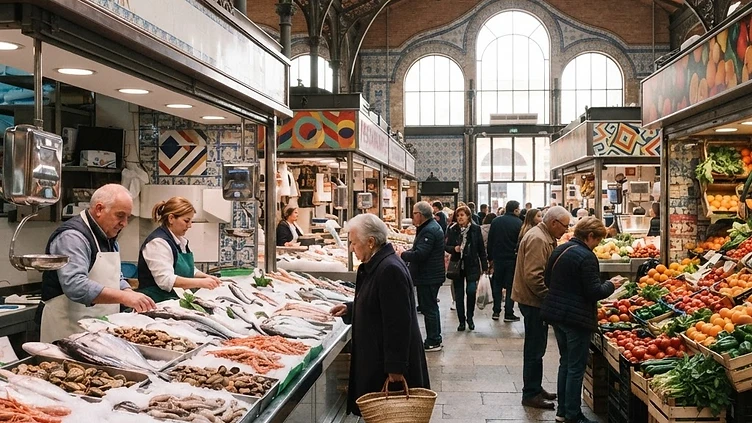
Go in the morning, Monday to Saturday, and eat at the bar. It is not a sight in itself and by afternoon much of it is closed.
Buying what the city eats, with tapas at the counter for breakfast.
At a Glance
- — You want it as an attraction; go to San Miguel for that
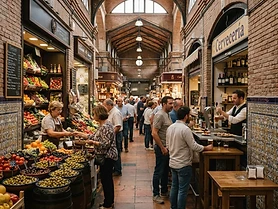
A covered market that still functions as a market rather than a food court: fish, meat, produce and a couple of bars. It is what the San Miguel was before it became an attraction.
How it got here
Madrid expanded rapidly in the mid-twentieth century as the city population surged. Municipal authorities constructed markets like this one to centralize food distribution and replace the informal street vendors that once clogged the city plazas. These structures provided hygienic cold storage and regulated spaces for trade during the transition toward modern consumption habits. While many sister buildings lost their trade to supermarket chains and tourism in the late twentieth century, this hall kept its original purpose. It persists as a functional exchange for the surrounding neighborhood residents rather than shifting into the recreation spaces that transformed other historical markets.
Where it sits
The building sits near the steep slope descending from the city center toward the river valley. The surrounding district holds a dense grid of brick apartment blocks and narrow streets that predate modern vehicular planning. Summer heat radiates from the pavement while winter brings winds funneling down from the central plateau. Commuters arrive via the nearby metro hub or walk from the adjacent working class quarters. The interior remains quiet on weekday mornings and pulses with crowds of neighborhood shoppers during the Saturday morning rush before the midday lull.
What to eat and drink
The produce stalls carry the heavy output of the Castilian plains and the rugged mountains to the north. Look for bacalao, salted cod that requires soaking before use in traditional stews. Stalls display long chains of morcilla, a dark blood sausage packed with onions and rice, alongside wheels of Manchego cheese made from sheep milk. For a snack, find thin slices of jamón ibérico, the dry-cured ham from free-roaming pigs fed on acorns. Drink a glass of vermut de grifo, a fortified wine aromatized with botanicals that the city residents consume before the main afternoon meal.
Madrid: the whole region
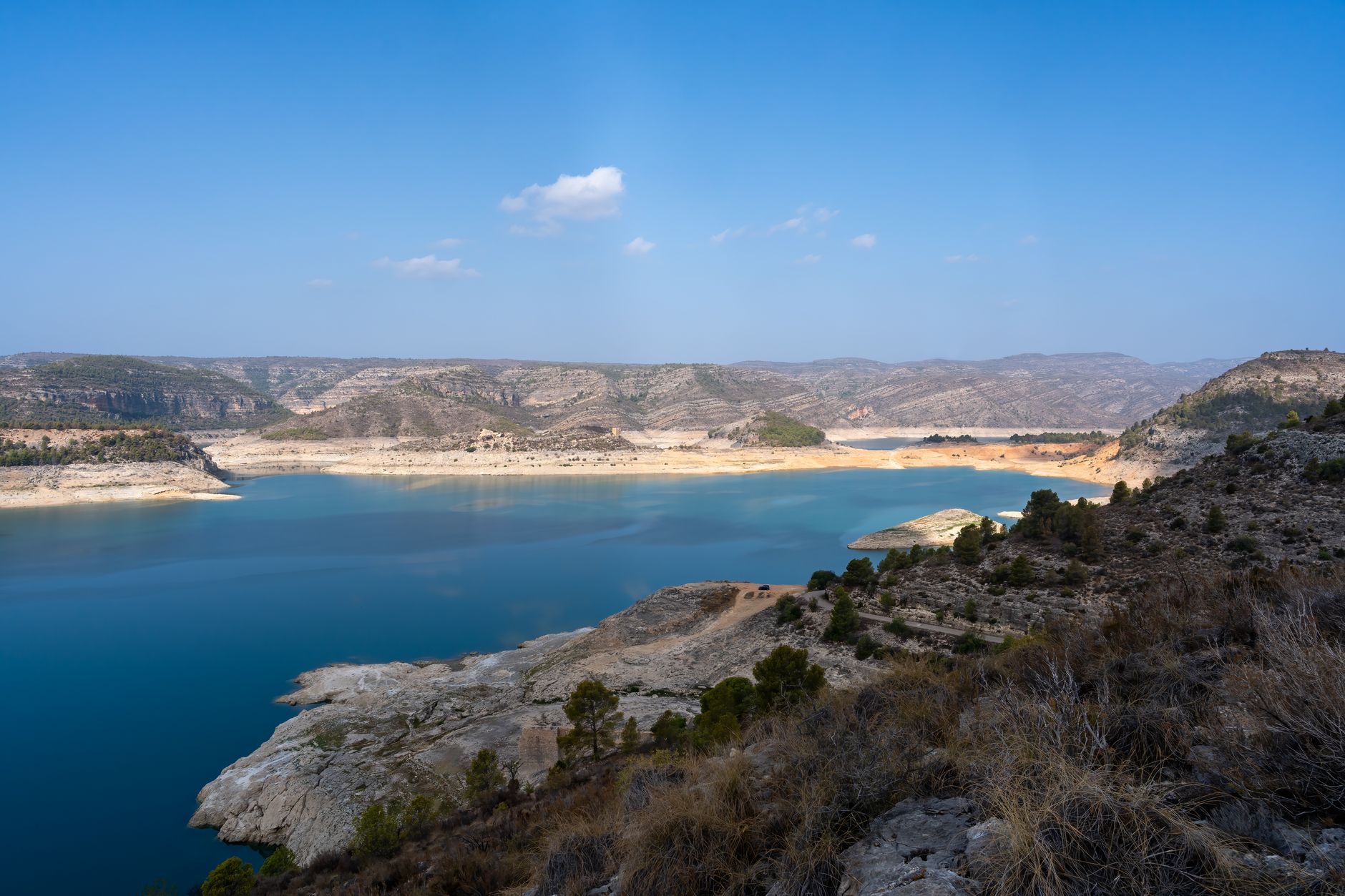
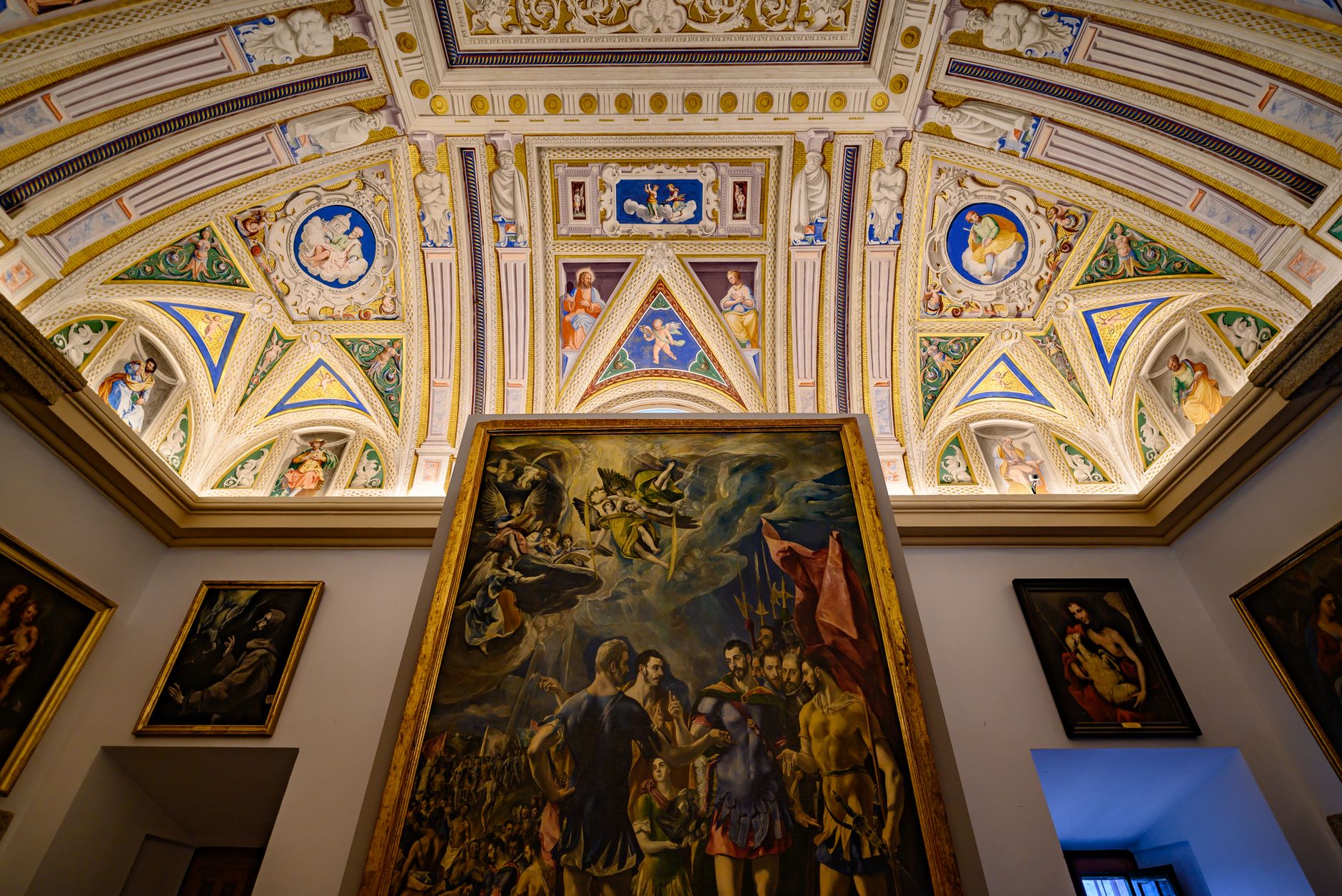
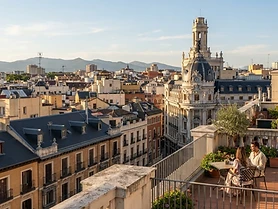
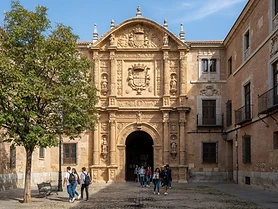
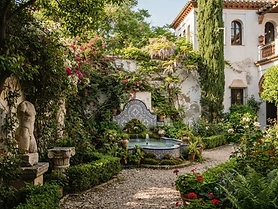
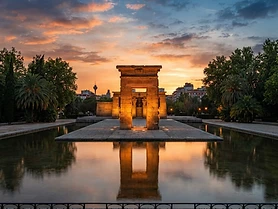
Madrid is a province with one great city in it, and that city is worth three or four days on its own: three major museums within a few hundred metres of each other, a working market culture, a nightlife that starts late and does not stop,…
Minimum 3 days · better 5-6 days · deep 8-10 days


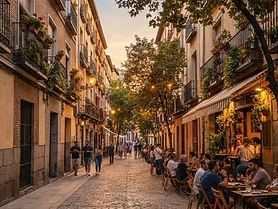
In Madrid

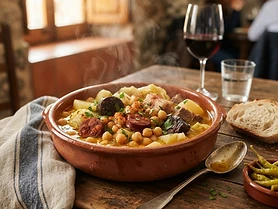

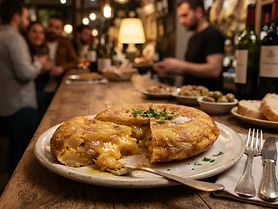


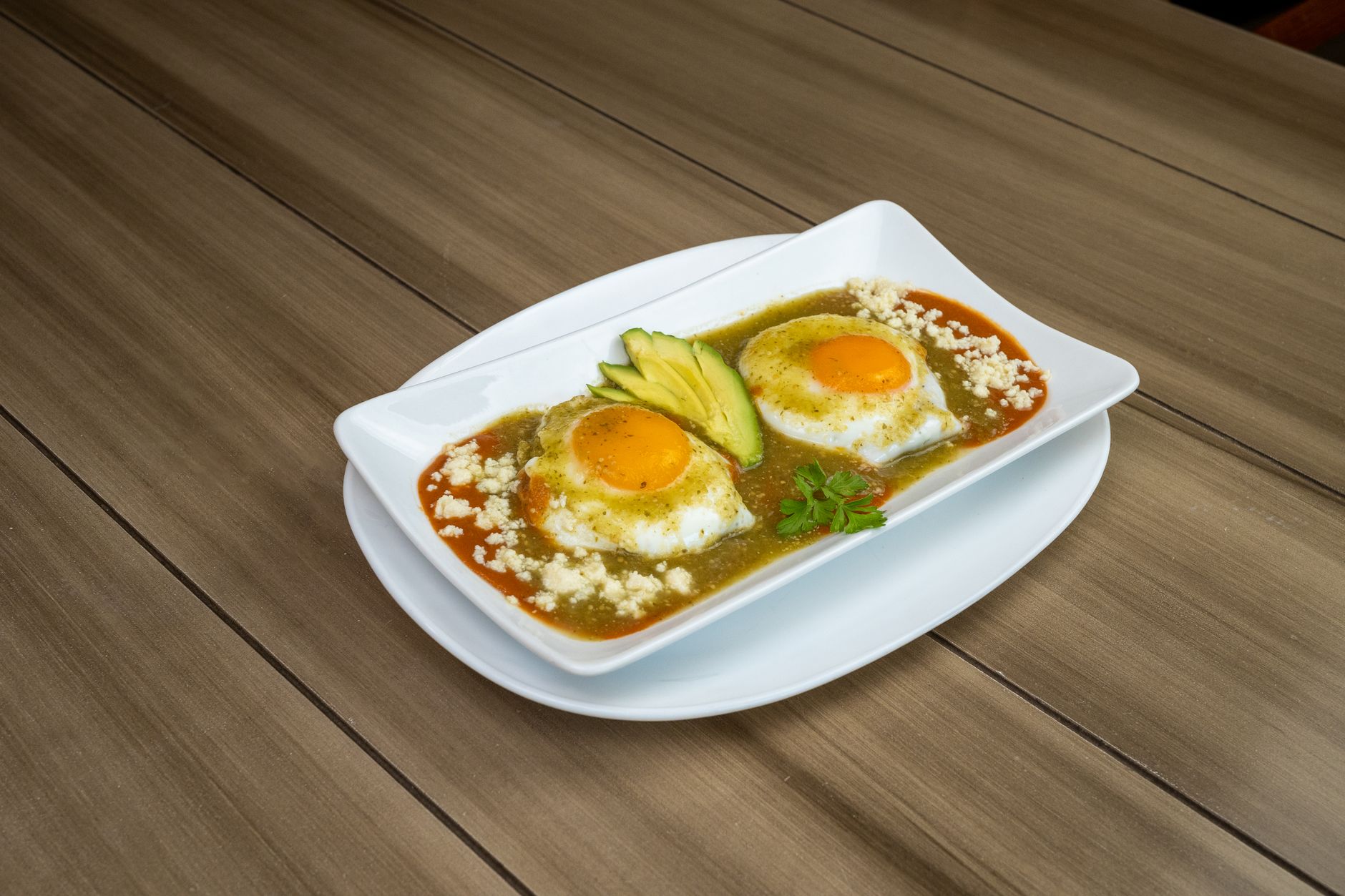
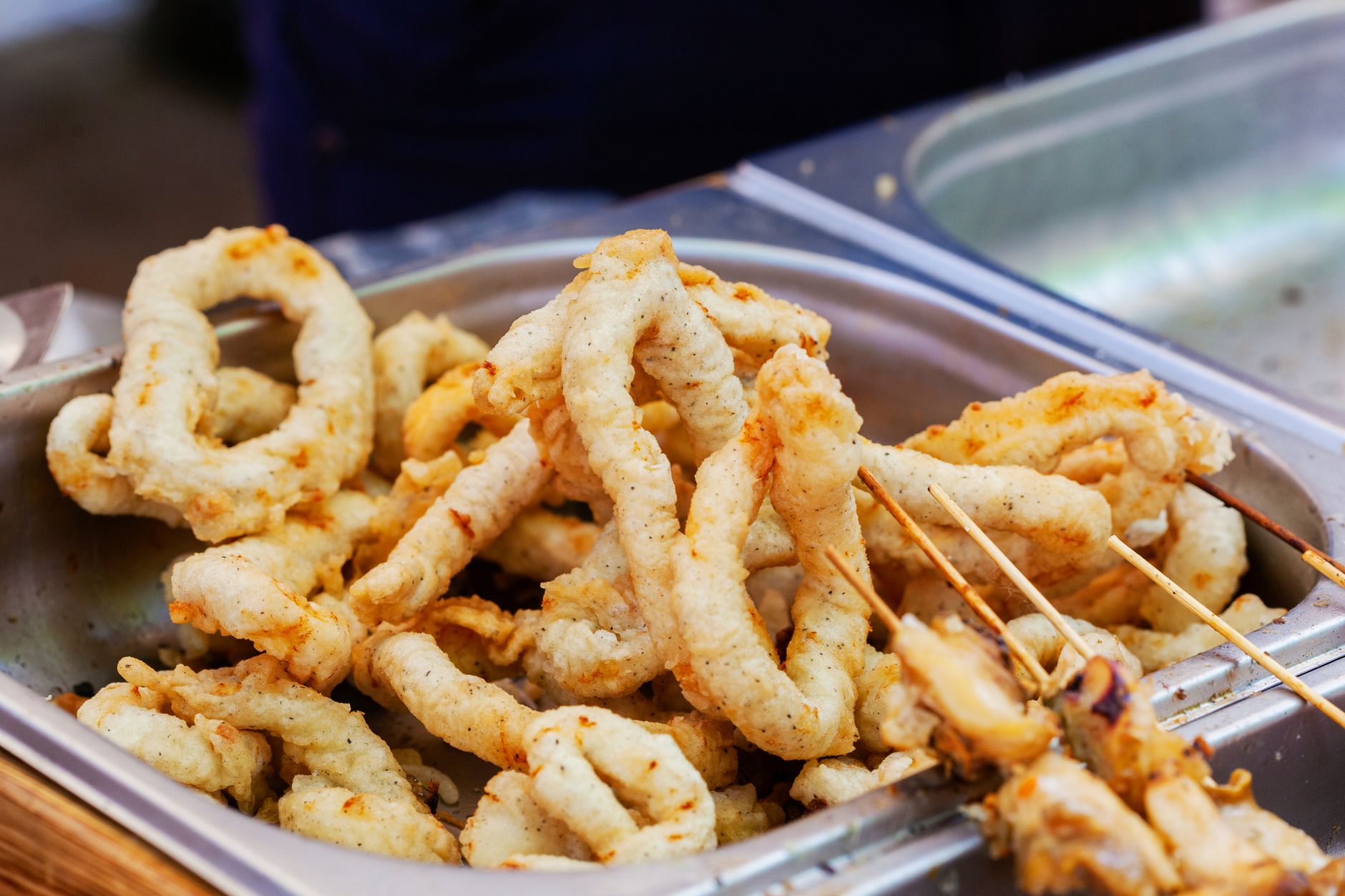





In Madrid
















Logistics are verified only. We don't publish schedules we haven't confirmed.
Cooking classes and food tours worth booking ahead
- 100% Hands-on Cooking Class Paella Tapas Sangria in Madrid5.0 (1,459)4 hrsFrom €85
- Madrid Tapas & Taverns Small Group Food & History Tour4.9 (3,735)From €63
- Madrid: Paella Cooking Class with Bottomless Wine Pairing5.0 (1,095)2.5 hrsFrom €119
- Madrid Tapas & Wine Tasting Food Tour – Small Group Local Bars4.9 (5,507)3 hrsFrom €79
Spain Field Guide may earn a commission when you book through selected links. Recommendations are editorial and independent of commission.
Ready to build Mercado de Antón Martín into a trip?
You've found a place worth going. When you're ready to turn discovery into an itinerary, Travel Itinerary Co picks up where the Field Guide leaves off — with your saved places already in hand.
Build this into a tripContinues on Travel Itinerary Co
Spain Field Guide may earn a commission when you book through selected links. Recommendations are editorial and independent of commission.