Puerta del Sol
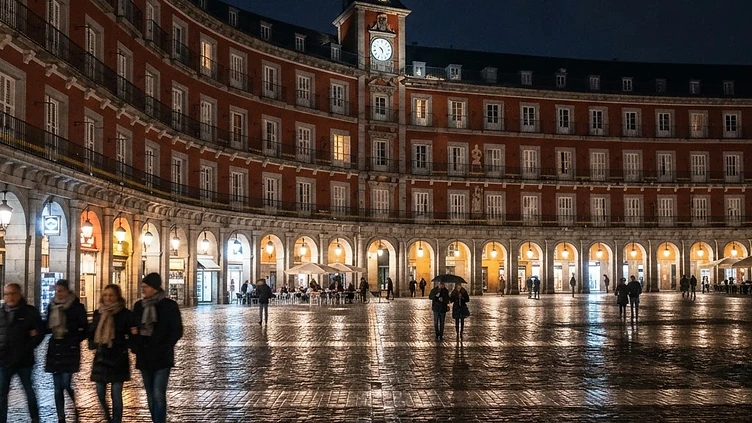
Stop for ten minutes between the Prado and the Plaza Mayor; it is a crossroads rather than a destination. Its edges hold the metro, the shops and the pickpockets.
To stand at the centre of Spain, literally, and watch the city cross it.
At a Glance
- — You want calm; this is the busiest square in Spain
Not pretty and never empty: the square from which Madrid's roads are measured, where the clock is rung on New Year's Eve, and where everybody passes through at some point. The buildings are nineteenth-century and the crowds are constant, which is the trade.
How it got here
The site formed the eastern boundary of the medieval city wall and held one of the gates, the Puerta del Sol, which took its name from a sun emblem carved into the masonry. By the sixteenth century, the growth of the city pushed the gate aside and established this space as a focal point for the radial roads of the Spanish monarchy. The current form dates to the mid-nineteenth century, a period when the government cleared older structures to create a wider plaza for administration and transit. The presence of the Royal Post Office, built under Ferdinand VI, locked the square into the national map as the starting point for the radial network of Spanish highways.
Where it sits
Madrid spreads across the high, dry plateau of the Meseta Central, and this plaza anchors the city center. It connects the winding streets of the older Habsburg quarters to the expansive boulevards of the nineteenth-century expansion. The sun hits the red brick and grey granite of the buildings during the day, while heat radiates from the stone paving throughout the long, arid summer months. People arrive from all directions to move through the transit hub beneath the surface. Winter air brings a sharp cold from the nearby Sierra de Guadarrama mountains, turning the plaza into a brisk passage for those crossing the city.
What to eat and drink
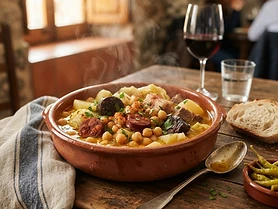
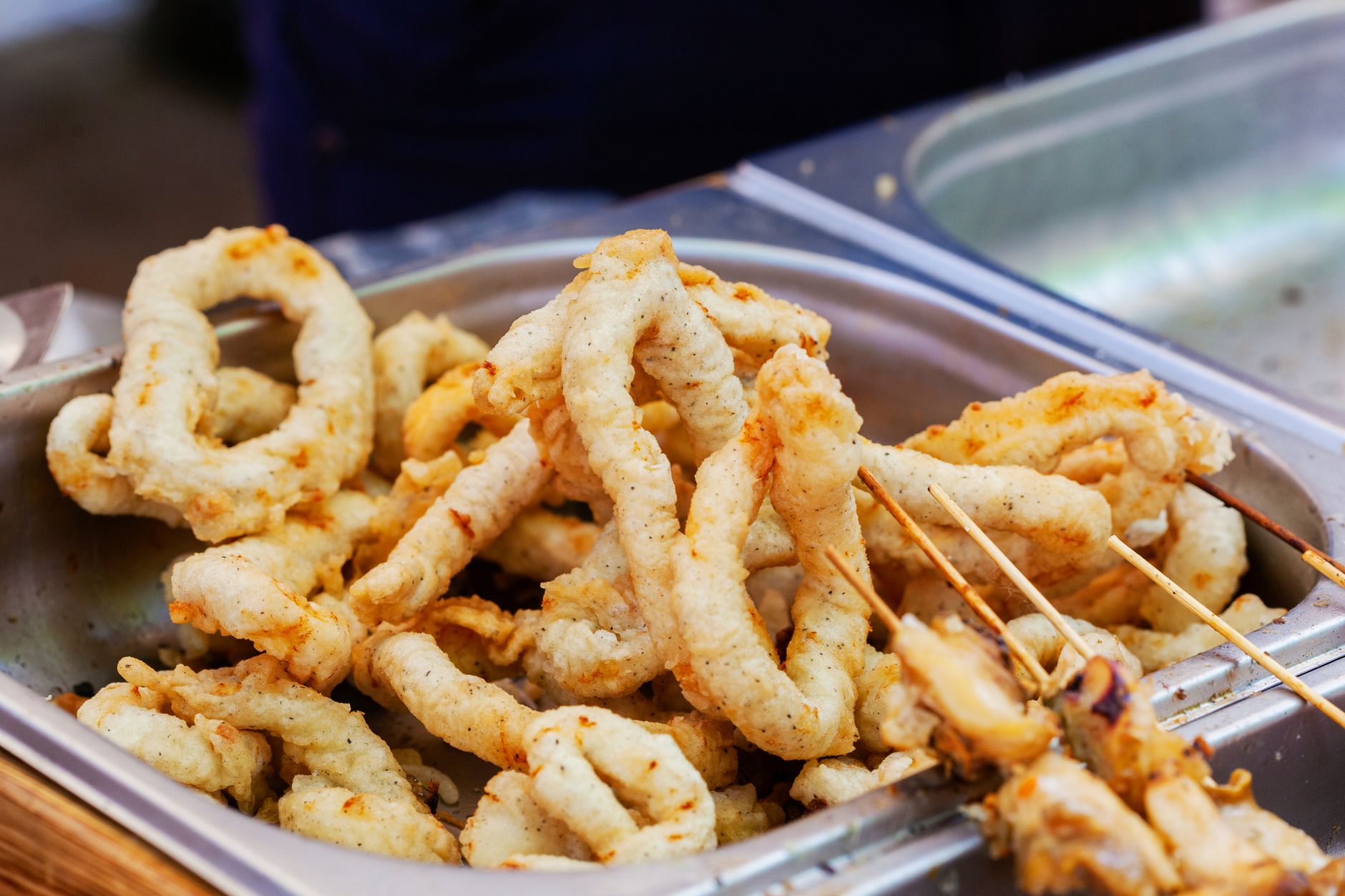
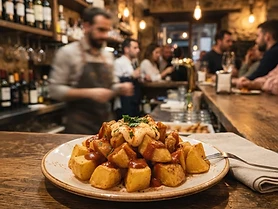
The cuisine here reflects the wider culinary tradition of Madrid, drawing heavily on the products of the surrounding Castilian plains. Cocido madrileño is the definitive local dish, a slow-cooked chickpea stew served in stages with meat, vegetables, and soup. Bocadillo de calamares, a crusty roll stuffed with fried squid and often drizzled with lemon or mayonnaise, provides the standard quick sustenance for those moving through the city center. Traditional establishments pour vermut de grifo, a fortified wine served on tap with a slice of orange and a single olive, to accompany snacks of olives and potato chips before the main midday meal.
Madrid: the whole region
Madrid is a province with one great city in it, and that city is worth three or four days on its own: three major museums within a few hundred metres of each other, a working market culture, a nightlife that starts late and does not stop,…
Minimum 3 days · better 5-6 days · deep 8-10 days

In Madrid










In Madrid














Linked from elsewhere
Entries that name this place in their own nearby lists.
Logistics are verified only. We don't publish schedules we haven't confirmed.
Experiences worth booking ahead
Spain Field Guide may earn a commission when you book through selected links. Recommendations are editorial and independent of commission.
Ready to build Puerta del Sol into a trip?
You've found a place worth going. When you're ready to turn discovery into an itinerary, Travel Itinerary Co picks up where the Field Guide leaves off — with your saved places already in hand.
Build this into a tripContinues on Travel Itinerary Co
Spain Field Guide may earn a commission when you book through selected links. Recommendations are editorial and independent of commission.