Aranjuez
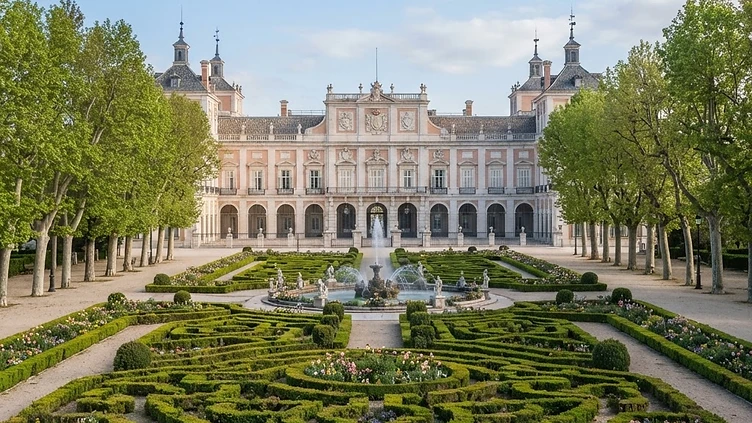
Worth a full day in spring and half a day in autumn. The gardens matter more than the palace interior: walk or cycle the avenues rather than queueing for the state rooms.
The palace gardens, and one of the few genuinely green landscapes in the Madrid region.
At a Glance
- — You want mountains; this is the plain
The Bourbon answer to Versailles, built on the Tagus where the plain turns green: a palace, a town of low white houses, and kilometres of gardens, canals and tree-lined avenues laid out for royal boating parties. Late spring, when the gardens and the strawberry season arrive, is the reason to come; the town goes quiet once the day-trippers leave.
How it got here
The Castilian monarchs favored this site for hunting as early as the fifteenth century, though the current grid of the town stems from the Bourbon dynasty. Philip II ordered the construction of a permanent palace to replace earlier hunting lodges, utilizing the proximity of the Tagus and Jarama rivers for irrigation. Ferdinand VI and Charles III later expanded the town planning, creating the radial avenues and the wide, rectilinear streets designed for the royal court during their stays. The palace served as a primary spring residence for the Spanish crown for two centuries, turning the site into an administrative center and a symbol of enlightenment royal projects.
Where it sits
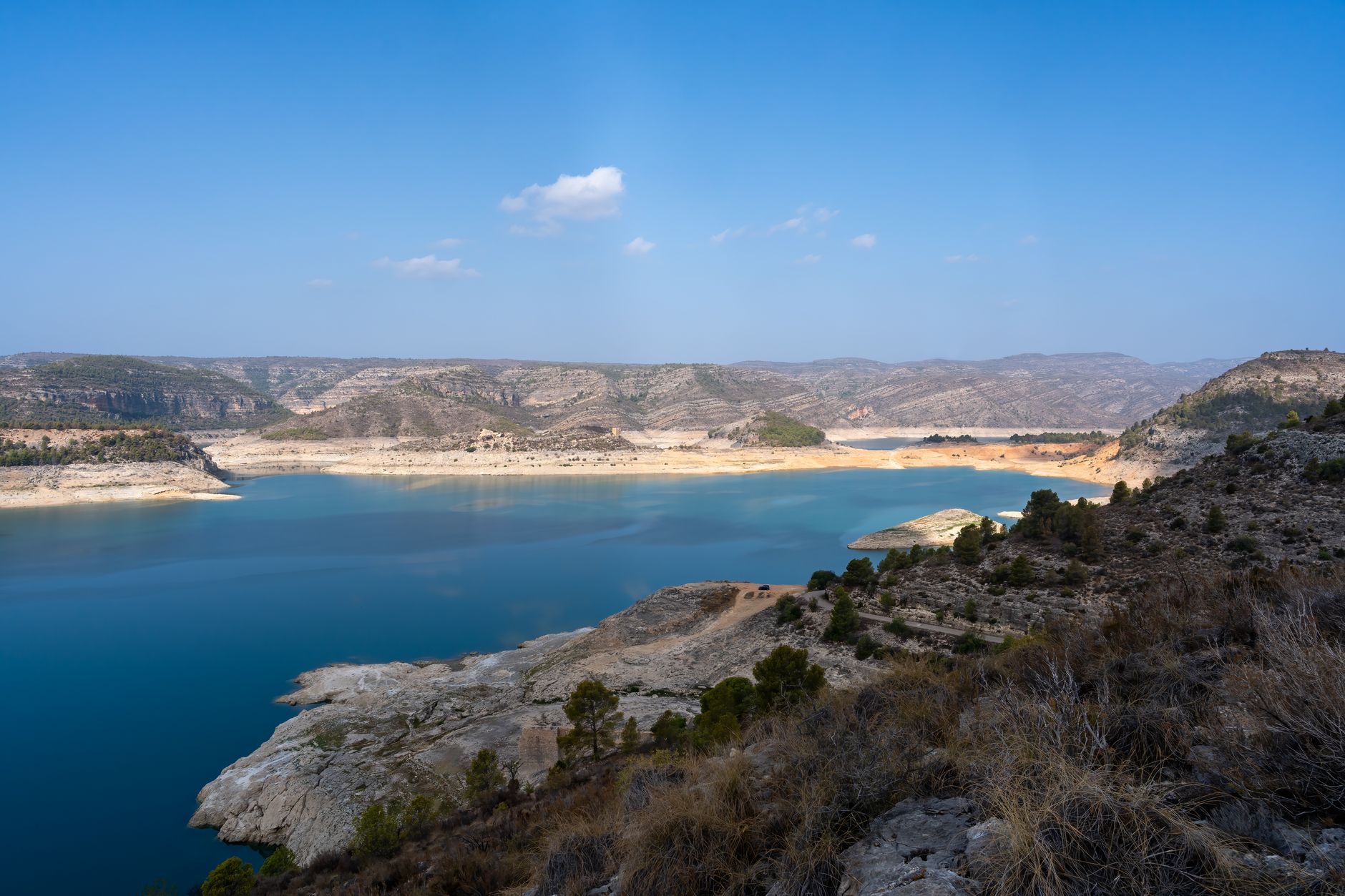
The town occupies a fertile basin where the Tagus creates a green corridor in the otherwise arid plains of the Meseta. Irrigation canals divert river water into the extensive gardens and forest parks that surround the palace complex. Flat, heavy soil supports the plane trees and elms that shade the walkways during the intense summer heat. While the train connects the town to Madrid within an hour, the character changes when the evening train departs and the noise of the day subsides. Winter brings frost to the riverbanks, while the spring pulse of the strawberry harvest marks the traditional opening of the season.
What to eat and drink
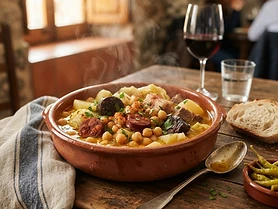
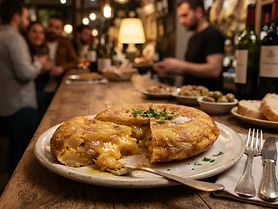
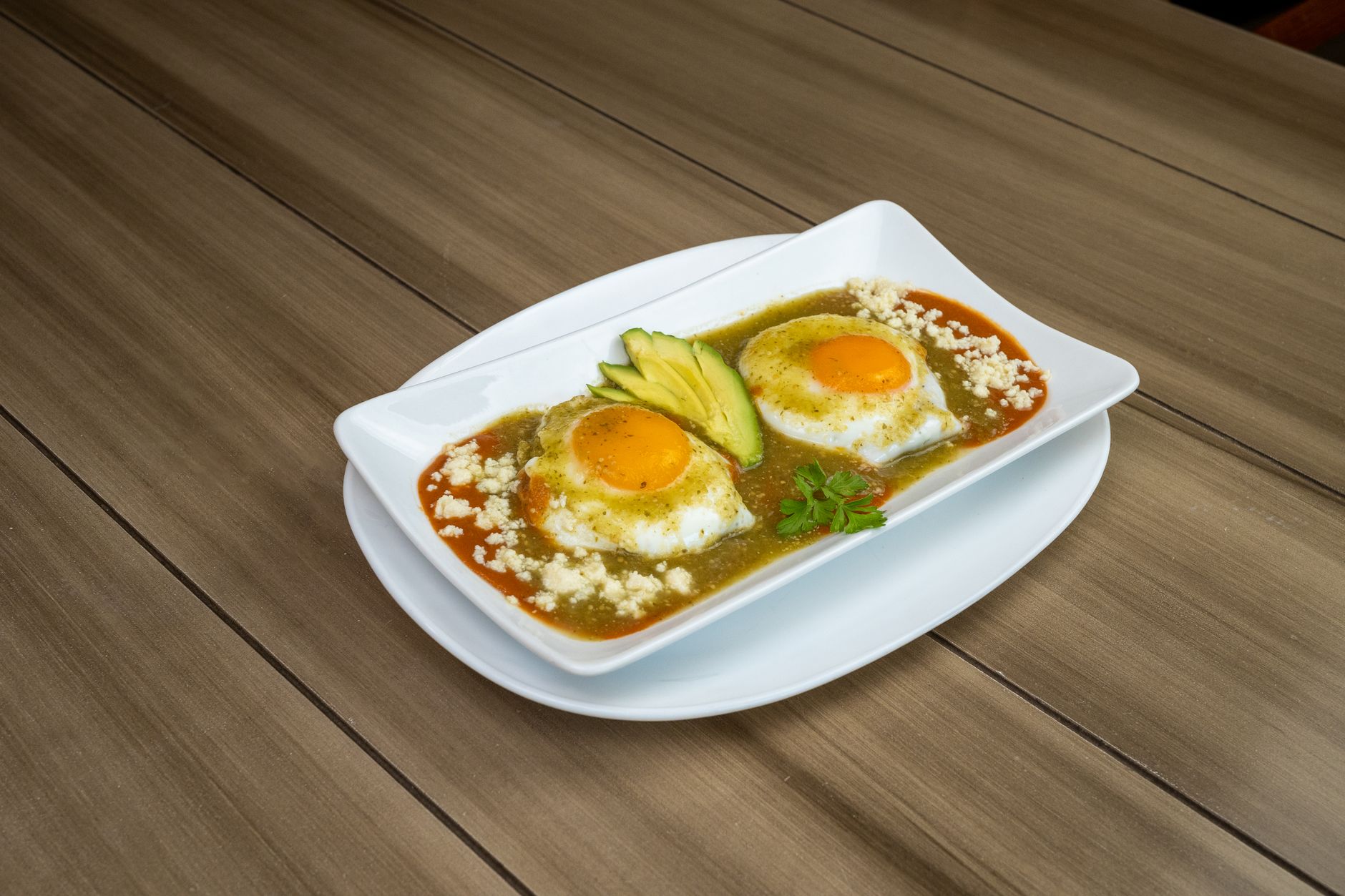
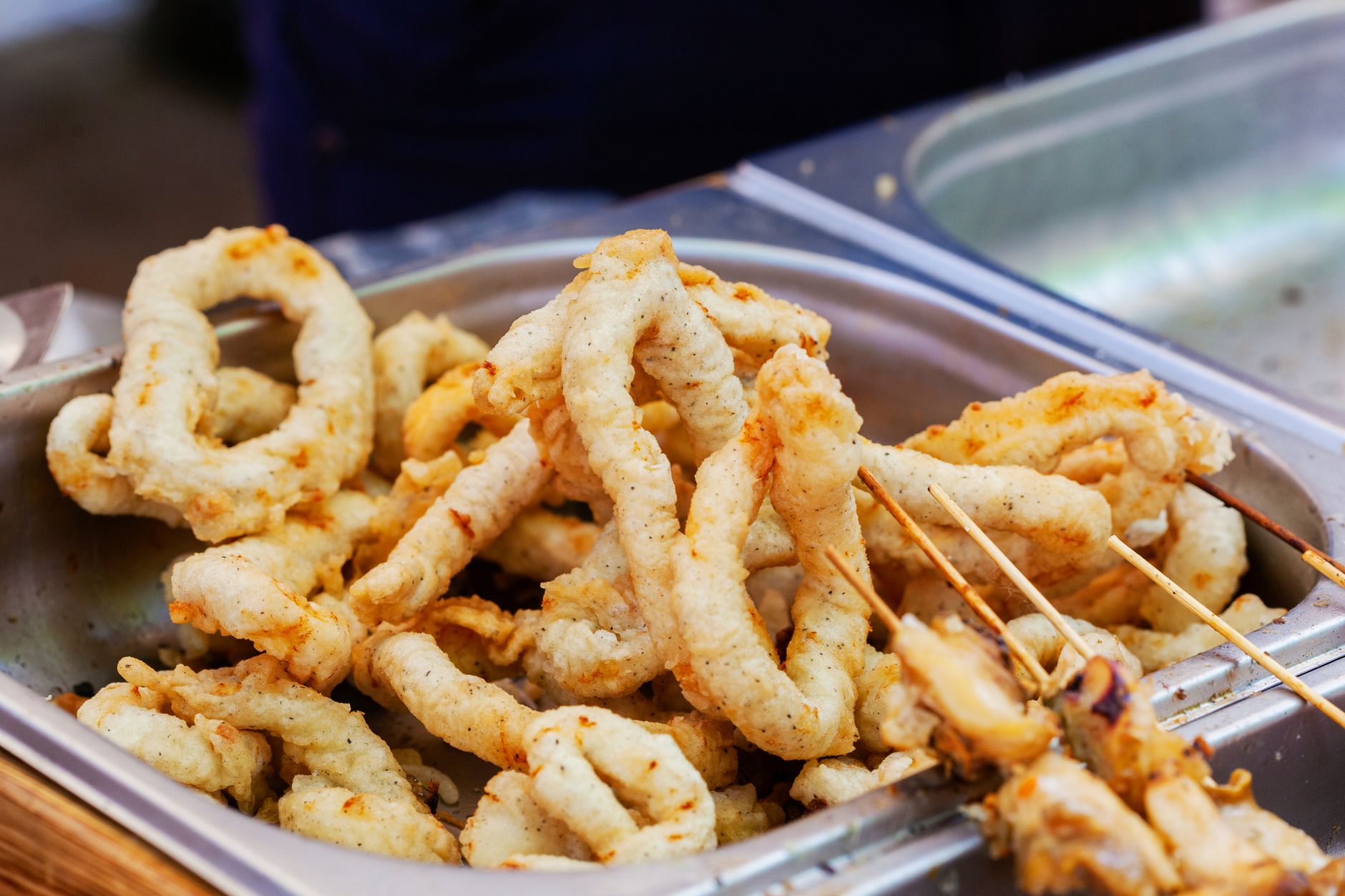
Strawberries are the defining produce, specifically the small, sweet varieties gathered in the nearby fields during the spring months. These are often eaten with whipped cream or simple sugar. The town also relies on the broader culinary traditions of the province of Madrid. Callos a la madrileña, a stew of beef tripe, snout, and chorizo, provides the standard caloric weight of the local diet. Wine from the surrounding Vinos de Madrid designation, particularly the reds from the Arganda subzone, accompanies these plates. During colder months, the kitchen focuses on cocido, a slow-simmered chickpea stew layered with meats, bacon, and local vegetables.
Madrid: the whole region
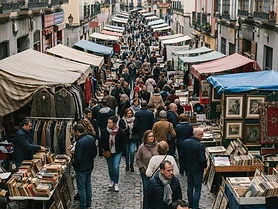
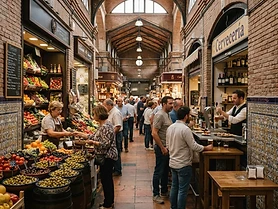
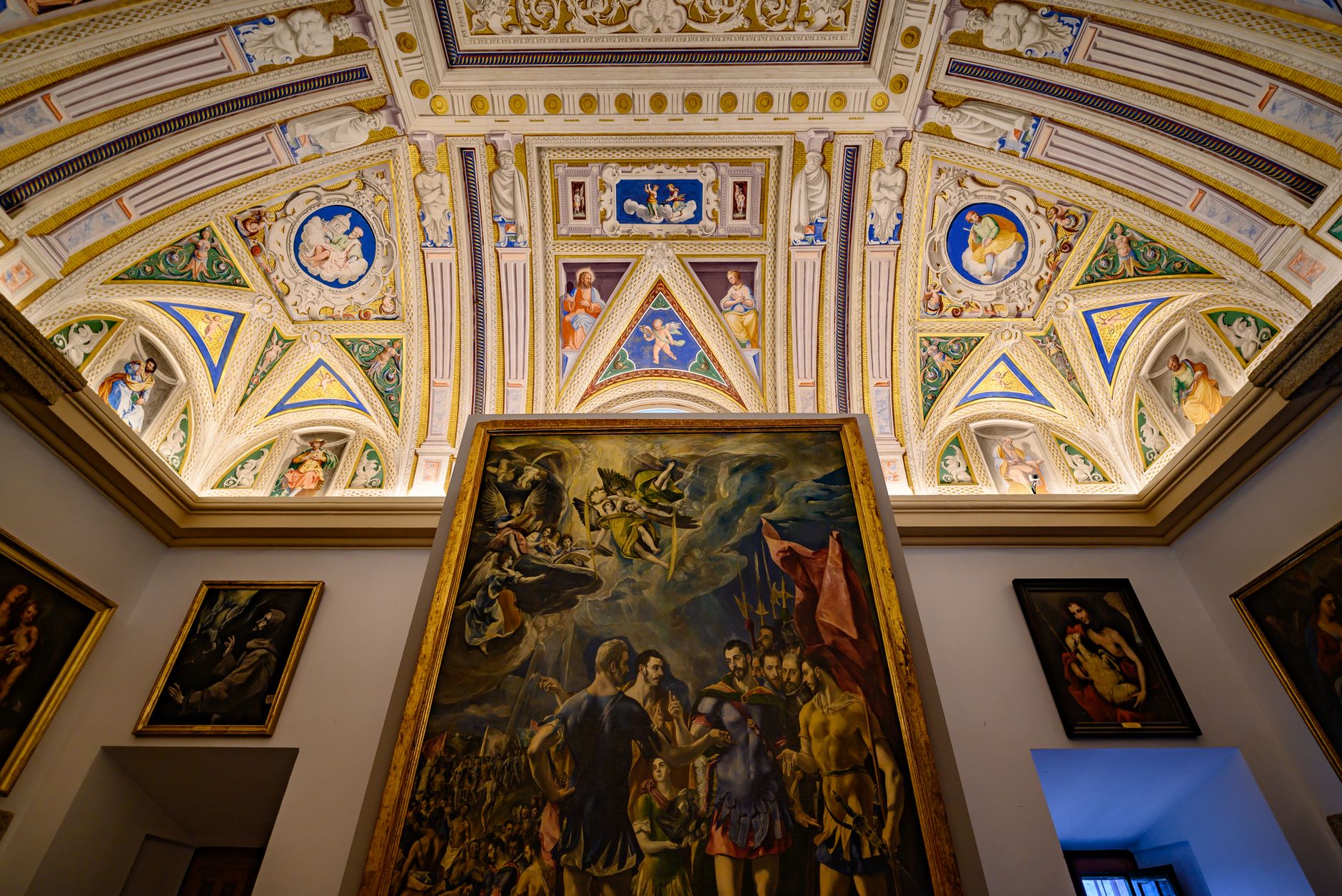
Madrid is a province with one great city in it, and that city is worth three or four days on its own: three major museums within a few hundred metres of each other, a working market culture, a nightlife that starts late and does not stop,…
Minimum 3 days · better 5-6 days · deep 8-10 days


In Madrid










In Madrid















Logistics are verified only. We don't publish schedules we haven't confirmed.
Experiences worth booking ahead
Spain Field Guide may earn a commission when you book through selected links. Recommendations are editorial and independent of commission.
Ready to build Aranjuez into a trip?
You've found a place worth going. When you're ready to turn discovery into an itinerary, Travel Itinerary Co picks up where the Field Guide leaves off — with your saved places already in hand.
Build this into a tripContinues on Travel Itinerary Co
Spain Field Guide may earn a commission when you book through selected links. Recommendations are editorial and independent of commission.