Chinchón
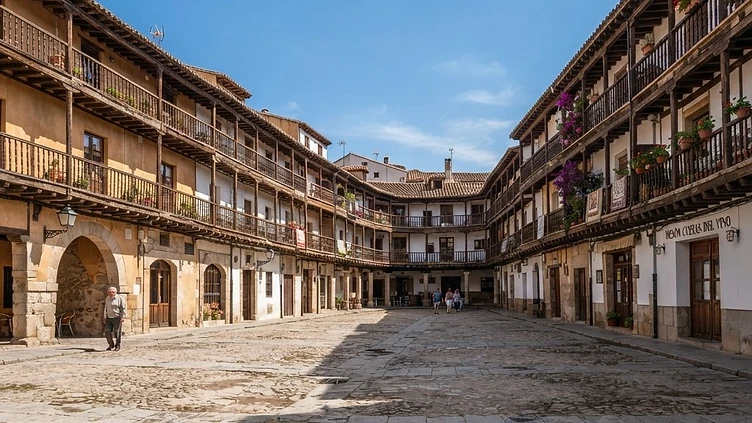
Two hours covers the square and the church, so make it a lunch stop on the way to or from Aranjuez rather than a trip in itself. Sunday is when the square fills and the place makes sense.
The Plaza Mayor, which is unlike any other square in the country, and a long lunch.
At a Glance
- — You want a full day of sightseeing
A village built around one of the strangest squares in Spain: enclosed, sloping, irregular, ringed with half-timbered galleries that serve as bullfighting stands. Chinchon is known for its anise and its garlic, and the country around it is vine and olive rather than the meseta you might expect.
How it got here
The site gained prominence during the Reconquista as part of the lordship of the Segovia council until Alfonso VI granted the territory to the Order of Santiago in the twelfth century. The strategic command of the Tagus valley brought administrative stability to the village through the middle ages. During the seventeenth century the rise of the counts of Chinchón expanded the commercial footprint of the town as local viticulture and distilled spirits gained favor in the nearby royal courts of Madrid. This patronage consolidated the irregular geometry of the main square which evolved from a market space into a permanent bullring for seasonal spectacles.
Where it sits
The village sits on a limestone plateau rising above the Vega del Tajuña where the dry terrain of the southern Madrid province softens into terraced slopes. The surrounding country consists of olive groves and vineyards rather than the harsh plains to the north. Heat lingers in the low stone streets through the summer while winter winds cut through the plaza from the surrounding hills. Visitors arrive via the winding roads from the capital that descend toward the river valley. In the middle of the week the village stays quiet but it fills with crowds when weekend festivals or market days draw people from Madrid.
What to eat and drink
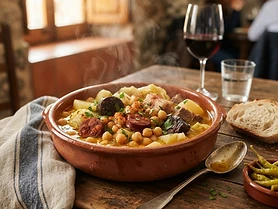
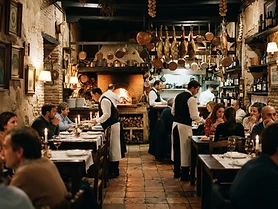
The local output centers on anise spirits and roasted meats. Chinchón aniseed liqueur serves as the traditional digestif and the village produces both sweet and dry varieties. Cooks prepare cordero asado which is suckling lamb roasted in wood-fired ovens until the skin turns crisp. The surrounding soils produce garlic and olive oil that anchor the regional recipes. During the spring months the local kitchens serve ajoarriero chinchonense made from mashed potatoes, cod, garlic, and high quality olive oil. These plates provide the necessary sustenance for the local cycle of harvest and winter labor.
Madrid: the whole region
Madrid is a province with one great city in it, and that city is worth three or four days on its own: three major museums within a few hundred metres of each other, a working market culture, a nightlife that starts late and does not stop,…
Minimum 3 days · better 5-6 days · deep 8-10 days

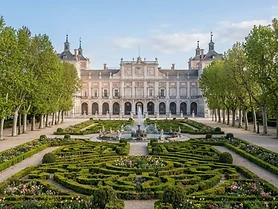
In Madrid


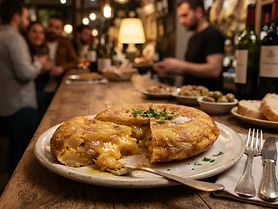





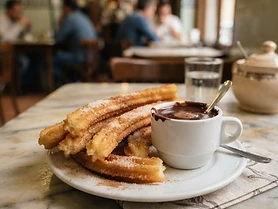

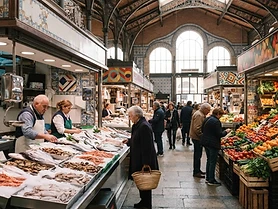
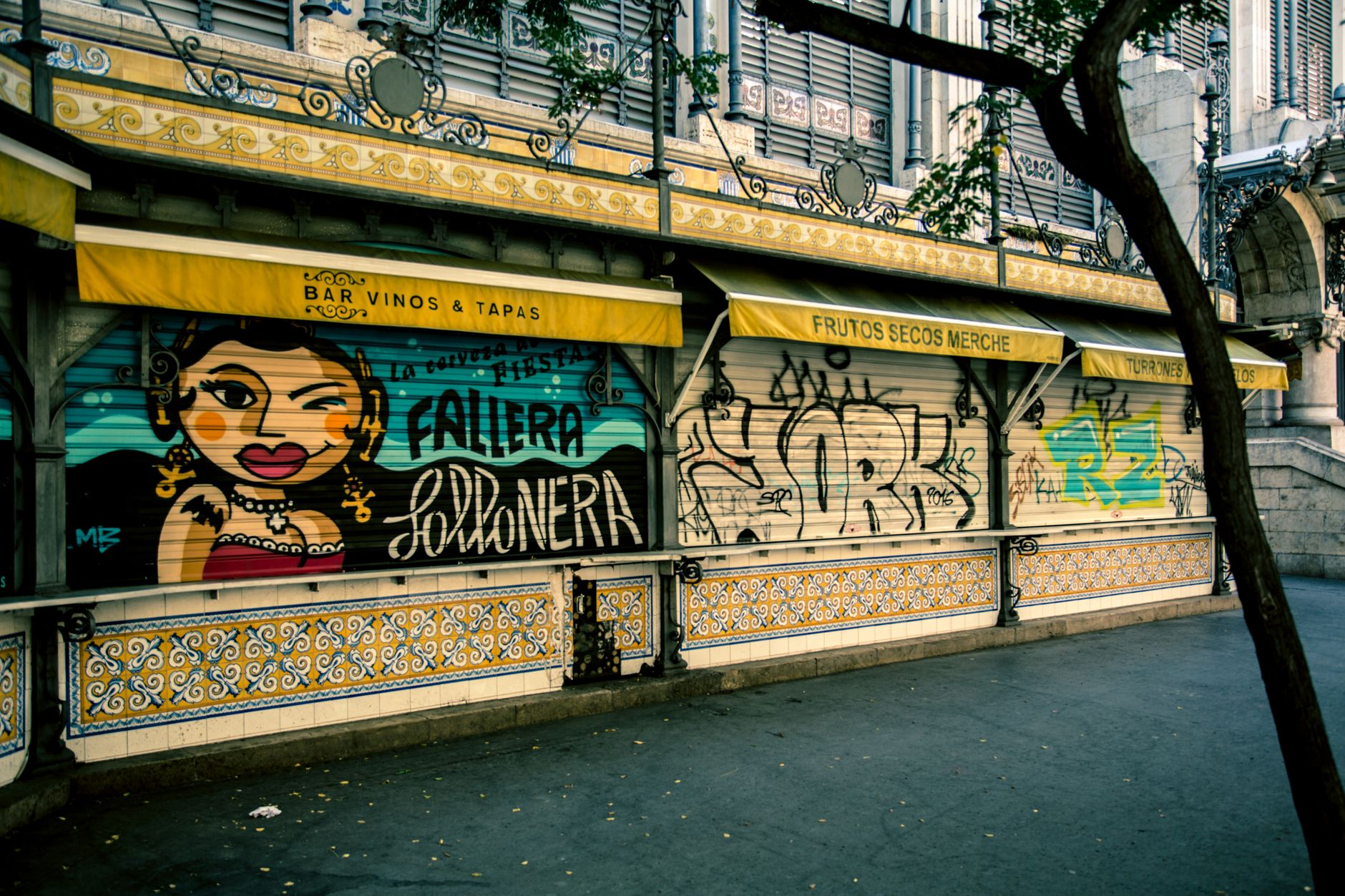

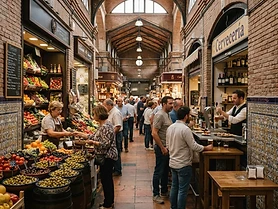

In Madrid











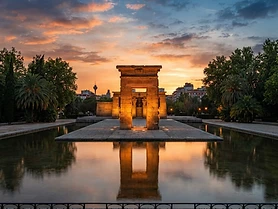


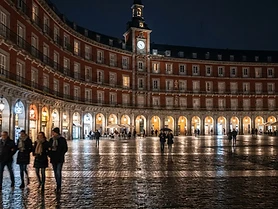

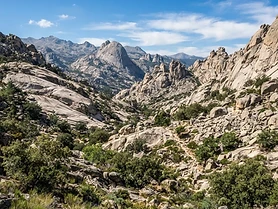

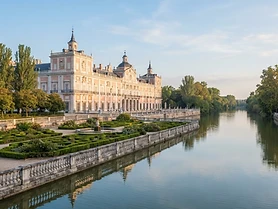
Logistics are verified only. We don't publish schedules we haven't confirmed.
Experiences worth booking ahead
- Day Tour to Chinchón, Aranjuez and Toledo from Madrid4.7 (171)11.5 hrsFrom €69
- From Cusco Chinchero Moray & Salt Mines drop off in Ollantaytambo5.0 (81)9 hrsFrom €31
- Half-Day Tour to 2 Wineries in Madrid and Chinchon Region4.9 (50)6 hrsFrom €160
- Cusco to Ollantaytambo with stops in Chinchero, Maras and Moray4.9 (35)From €101
Spain Field Guide may earn a commission when you book through selected links. Recommendations are editorial and independent of commission.
Ready to build Chinchón into a trip?
You've found a place worth going. When you're ready to turn discovery into an itinerary, Travel Itinerary Co picks up where the Field Guide leaves off — with your saved places already in hand.
Build this into a tripContinues on Travel Itinerary Co
Spain Field Guide may earn a commission when you book through selected links. Recommendations are editorial and independent of commission.