Rascafría
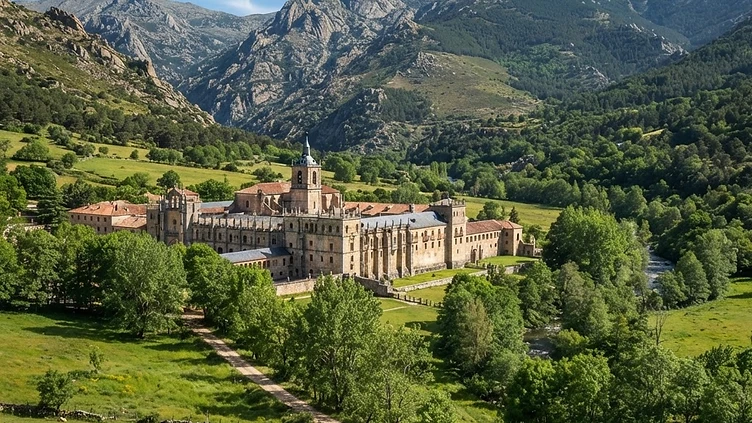
Worth the drive in spring or early summer; on a July weekend the river pools are as crowded as a city beach. Go early, walk the valley, and treat the monastery as the second stop rather than the first.
Green valley, cold river water, and a Carthusian monastery standing in a meadow.
At a Glance
- — You mind driving an hour for a small village
A village at the green head of the Lozoya valley, with the monastery of El Paular at one end and the river running through both. It is the coolest corner of the Madrid region in summer, which is why the swimming spots are busy in August and empty in June.
How it got here
Castilian expansion into the Lozoya valley gained momentum during the thirteenth century as the crown of Castile sought to consolidate control over the Sierra de Guadarrama. The establishment of the Monasterio de Santa María de El Paular in 1390 defined the character of the settlement, as the Carthusian monks managed the surrounding timber forests and sheep pastures for centuries. This monastic governance structured the valley economy until the nineteenth-century disentailment laws broke apart the extensive church holdings. Today the heavy stone walls of the monastery stand as the primary evidence of this period, marking the transition from feudal agricultural land to a site of monastic seclusion.
Where it sits
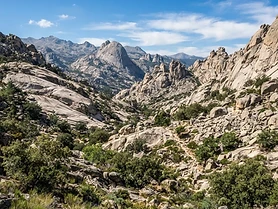
The valley lies between the Peñalara massif and the lower foothills of the central sierra. High mountain peaks trap moisture, feeding the Lozoya river and creating a green corridor that stands in contrast to the arid plains surrounding Madrid. The road climbs through mountain passes to reach the village, where elevation keeps temperatures lower than in the capital. Winters bring snow that often blocks the higher trails, while summer draws people from the city to the cold water of the river pools. The landscape changes from white peaks to spring meadows, leaving the valley quiet through the autumn months.
What to eat and drink
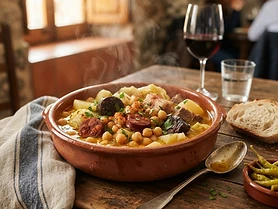
The cuisine follows the traditions of the Madrid mountains where cold winters dictate the use of robust ingredients. Judiones de la Granja, large white beans stewed with chorizo and morcilla, provide the standard dish for the climate. Local butchers prepare carnes rojas from cattle grazed in the mountain pastures, typically cooked over open wood fires to preserve the flavor of the meat. Bakeries provide bollos de aceite, dense breads made with olive oil and anise, which pair with the strong local coffee. Dessert often includes locally gathered honey or fruit preserves made from the orchards that line the valley floor.
Madrid: the whole region
Madrid is a province with one great city in it, and that city is worth three or four days on its own: three major museums within a few hundred metres of each other, a working market culture, a nightlife that starts late and does not stop,…
Minimum 3 days · better 5-6 days · deep 8-10 days


In Madrid




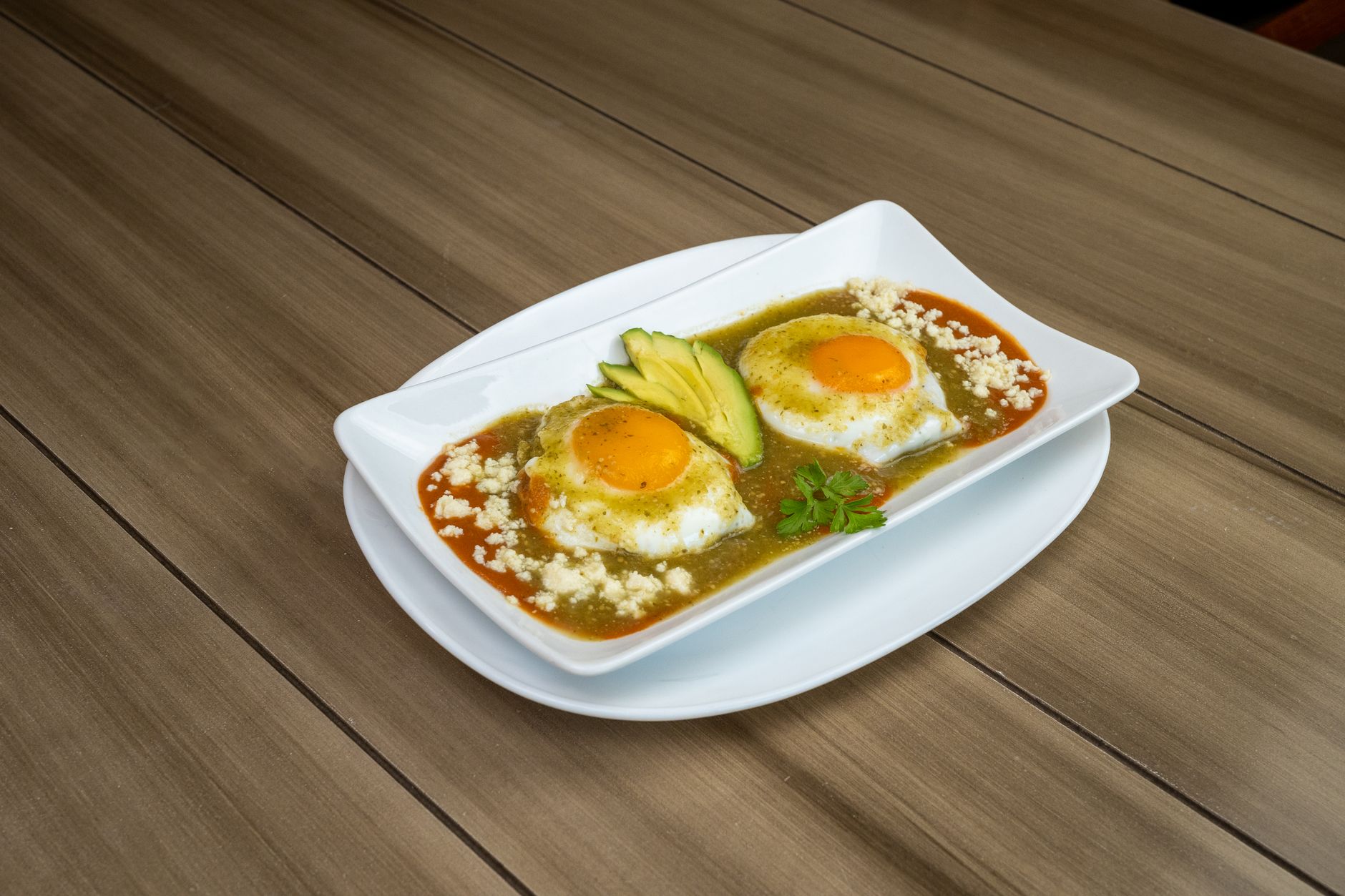
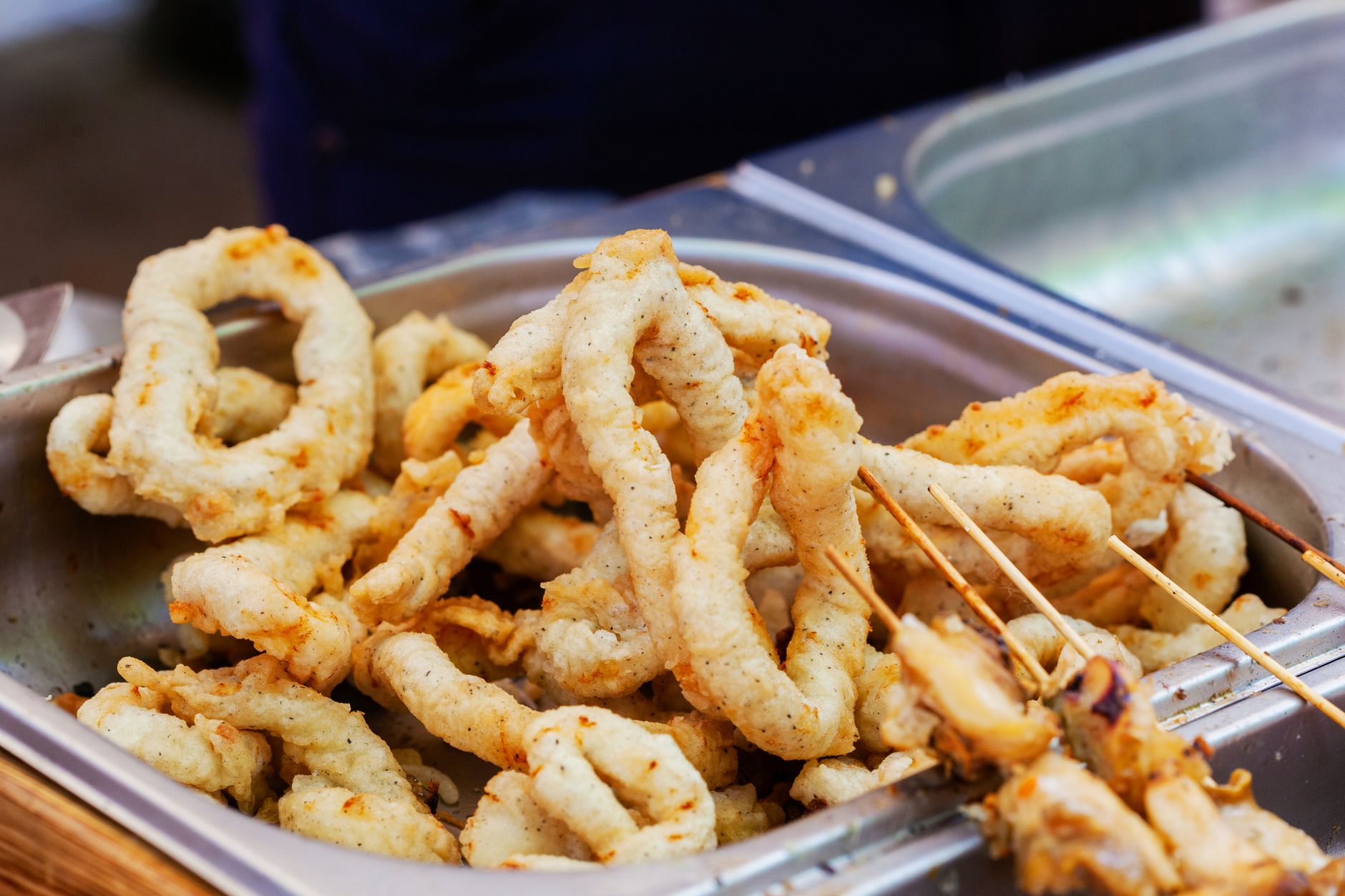



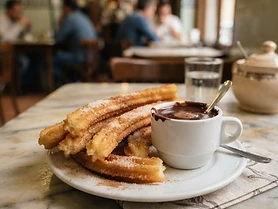

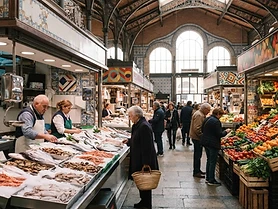
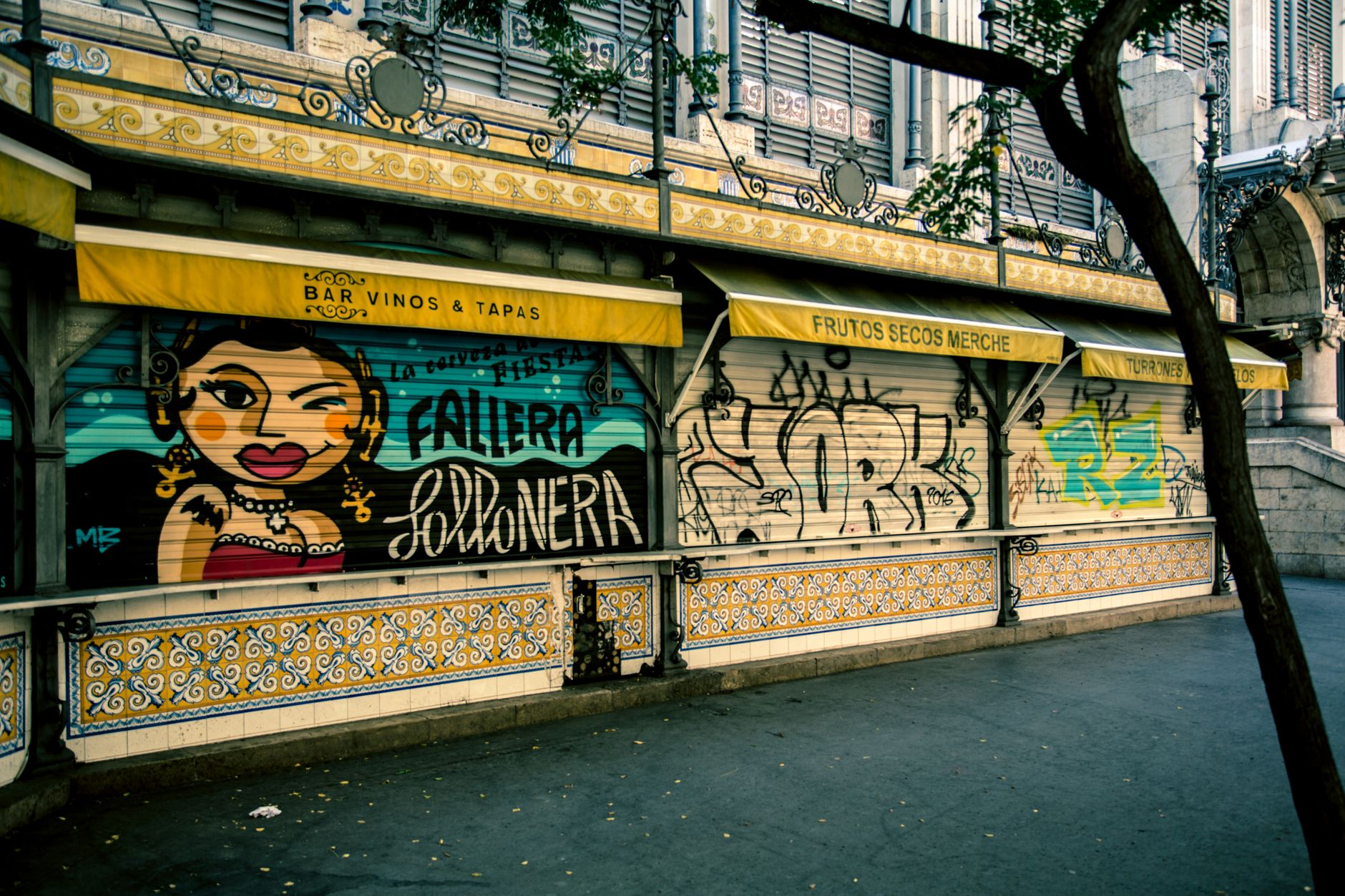

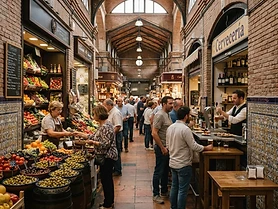

In Madrid











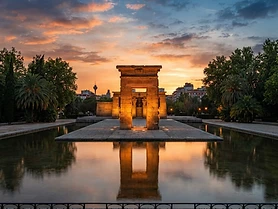


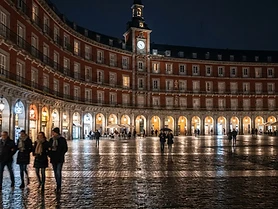

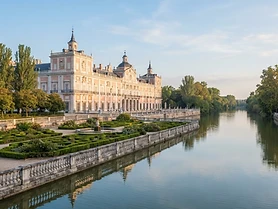
Linked from elsewhere
Entries that name this place in their own nearby lists.

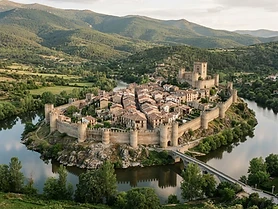
Logistics are verified only. We don't publish schedules we haven't confirmed.
Experiences worth booking ahead
- Avila & Segovia Tour with Tickets to Monuments from Madrid4.8 (12,138)9 hrsFrom €79
- Madrid to Avila & Segovia: Full-Day Highlights Tour4.6 (712)9 hrsFrom €51
- Hot-Air Balloon Ride over Madrid’s Guadarrama Regional Park4.6 (101)From €205
- Segovia and Avila Private Tour with Lunch and Hotel Pick up from Madrid5.0 (40)From €1650
Spain Field Guide may earn a commission when you book through selected links. Recommendations are editorial and independent of commission.
Ready to build Rascafría into a trip?
You've found a place worth going. When you're ready to turn discovery into an itinerary, Travel Itinerary Co picks up where the Field Guide leaves off — with your saved places already in hand.
Build this into a tripContinues on Travel Itinerary Co
Spain Field Guide may earn a commission when you book through selected links. Recommendations are editorial and independent of commission.