Seville
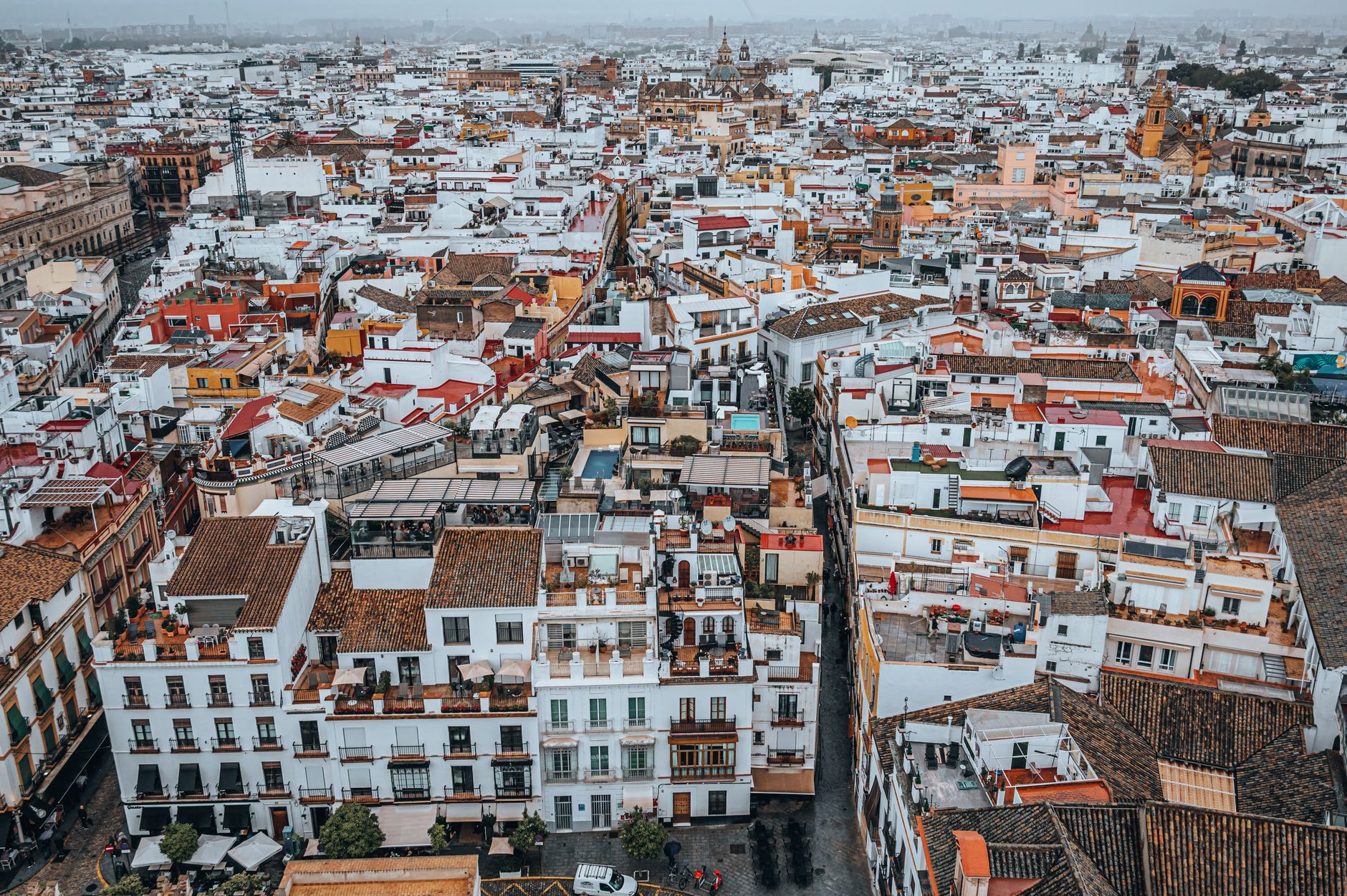
Essential on a first Andalusia trip. Two nights minimum; three if you want a day trip to Córdoba. Go in spring or autumn, not high summer.
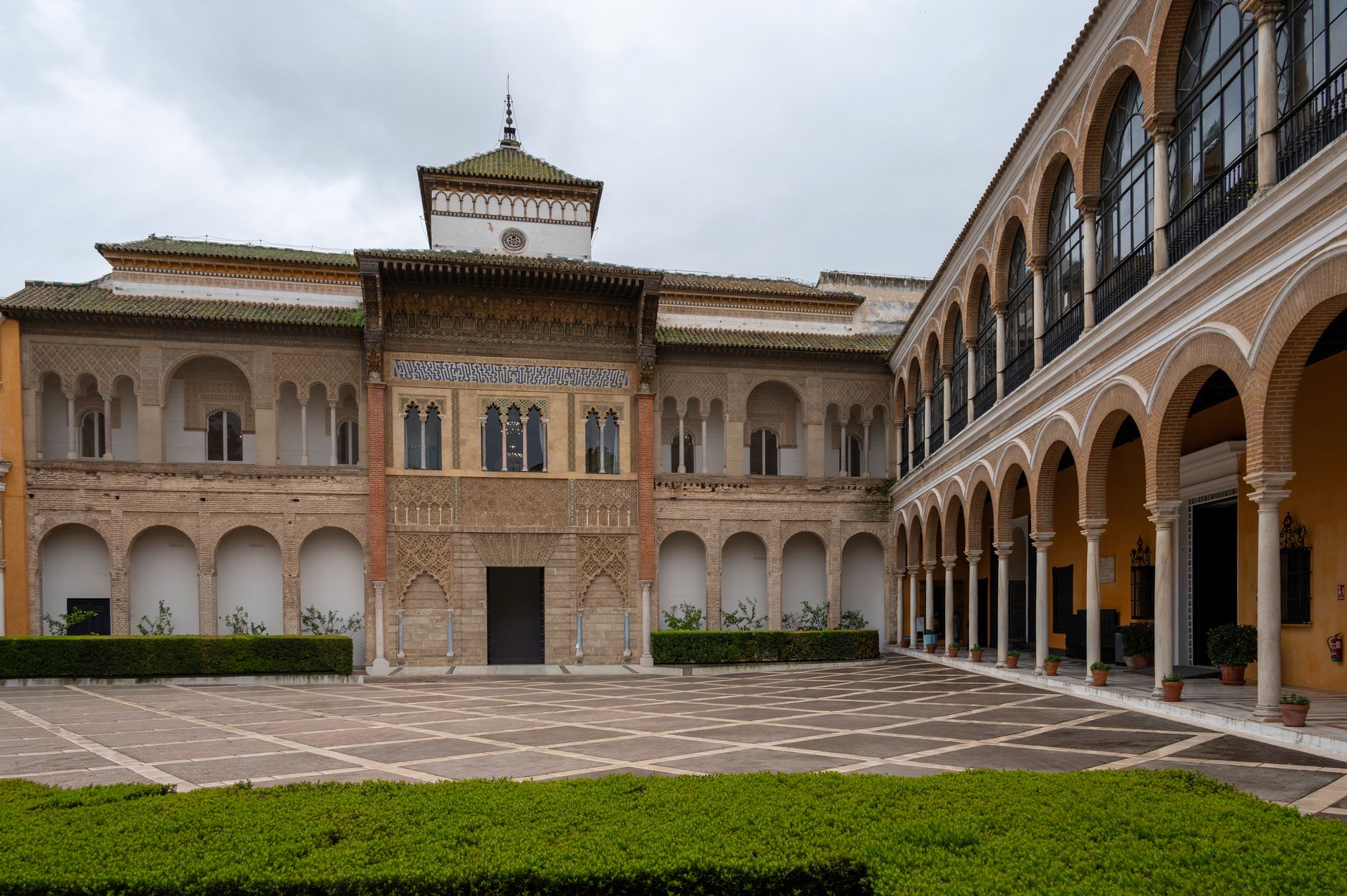
The most atmospheric of Spain's big cities — Moorish palaces, flamenco, and tapas that still feel local. The Alcázar and the cathedral quarter are worth a trip on their own.
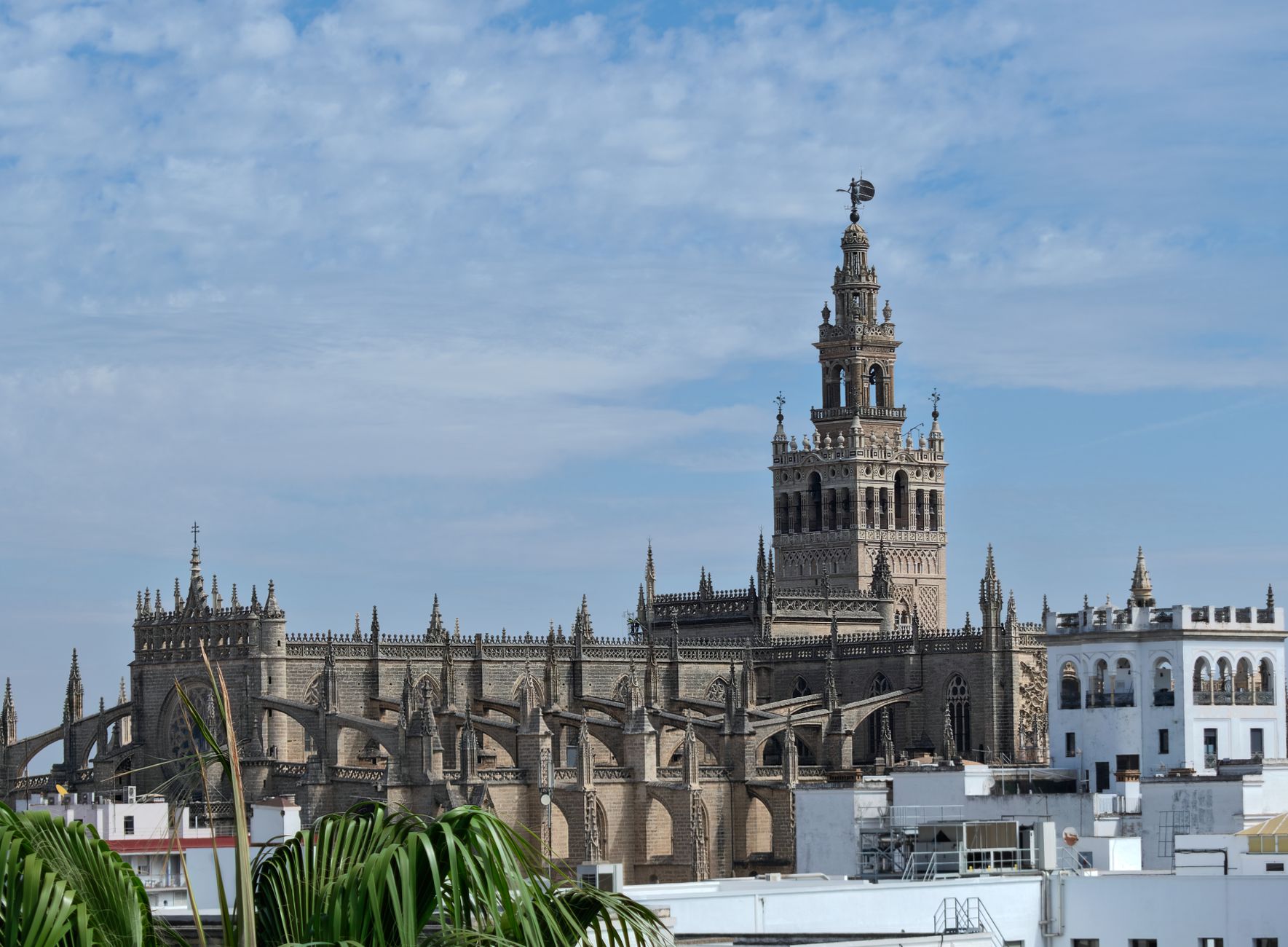
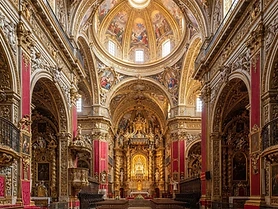
Seville Cathedral & La Giralda · Itálica · Flamenco in Seville · Metropol Parasol
At a Glance
- — You can't handle July–August heat
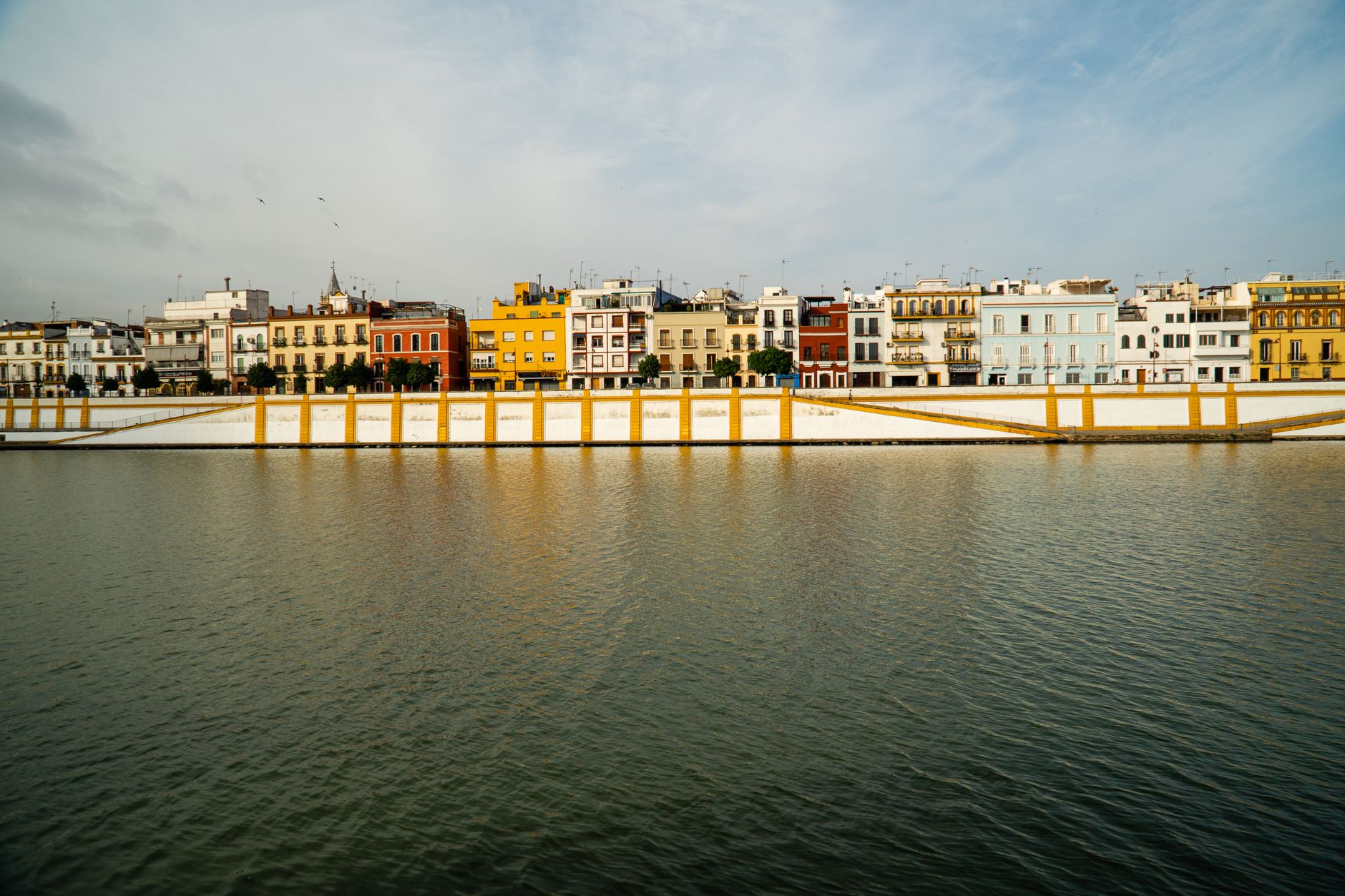
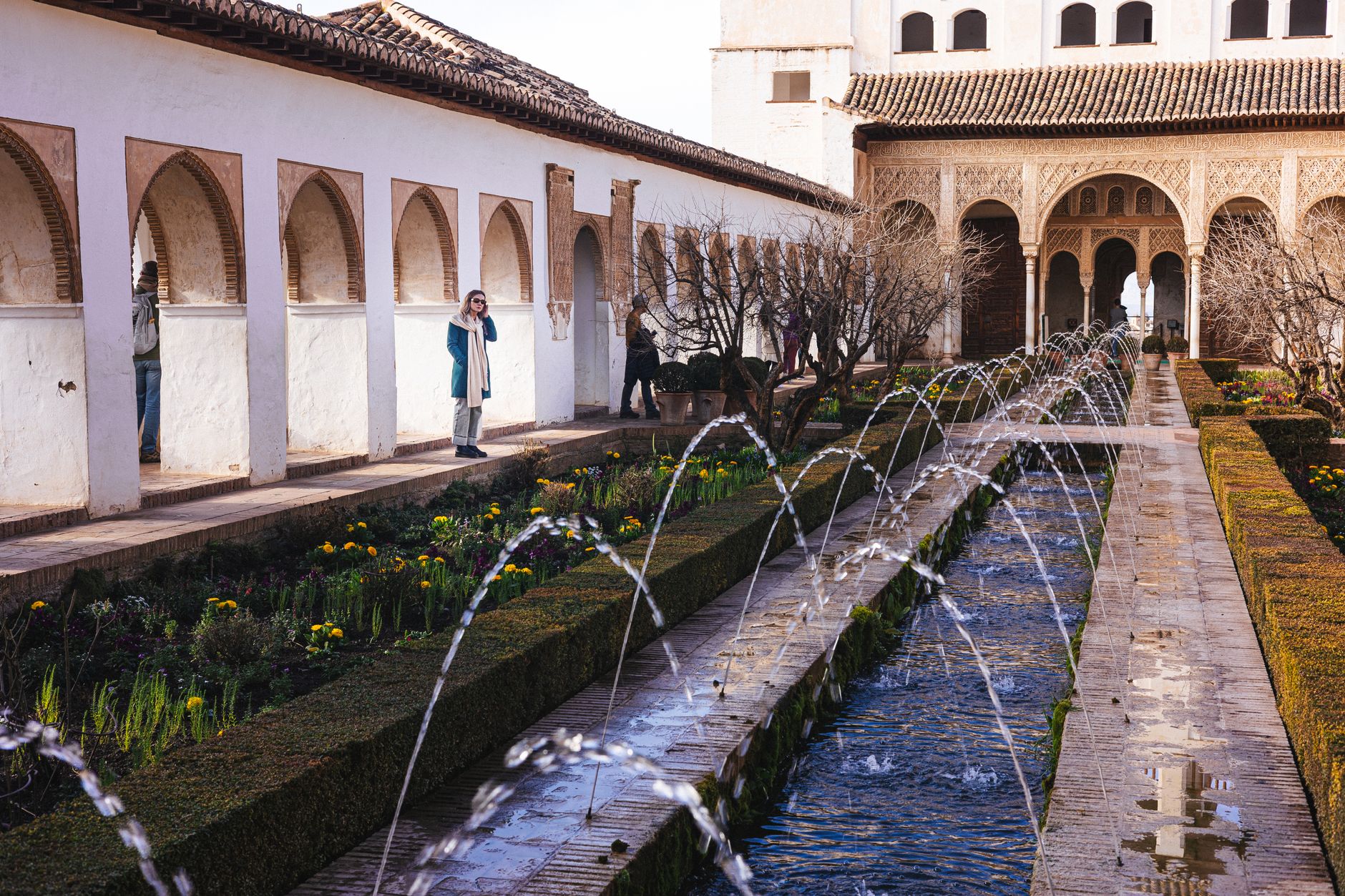
The Alcázar's mudéjar courtyards and the cathedral's Giralda tower anchor the old quarter, but the real texture of the city is in Triana and Santa Cruz, where tapas bars stay busy past midnight and flamenco still happens in rooms built for forty people, not four hundred. Two nights covers the essentials; add a third for a day trip to Córdoba, ninety minutes north by train. The tradeoff is heat — July and August push past 40°C regularly, and the city empties of locals accordingly. Spring and autumn are when Seville actually works, when the orange trees are still fragrant and outdoor tables are bearable past noon. First-time visitors to Andalusia should start here rather than Granada; the Alcázar and cathedral quarter justify a trip on their own.
How it got here
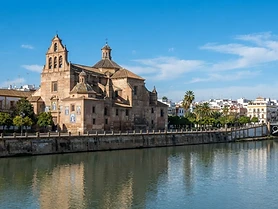
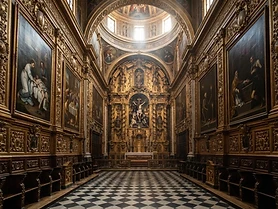
Seville emerged as a significant administrative center under Roman rule as Hispalis, yet its character derives from the Almohad Caliphate. The Almohads constructed the Giralda as a minaret for the Great Mosque in the twelfth century, creating the architectural axis for the later cathedral. Following the Reconquista in 1248, the city became a frequent residence for the Castilian court. During the sixteenth century, the Casa de Contratación monopolized trade with the Americas, funneling immense wealth through the port. This era financed the construction of ornate palaces and the expansion of religious institutions that define the current layout of the historic quarter.
Where it sits
The city sits in the broad, flat valley of the Guadalquivir River, surrounded by the agricultural plains of the Sevillan countryside. The terrain remains low and alluvial, far from the mountain ranges that frame the rest of Andalusia. Summers bring extreme heat that radiates off the stone walls and narrow streets, forcing life to move to the shaded courtyards or the riverbanks after sunset. Rainfall concentrates in the winter months, while the spring brings a brief, lush period where the scent of orange blossoms fills the dense urban core. Trains link the center to the wider rail network through the Santa Justa station.
What to eat and drink
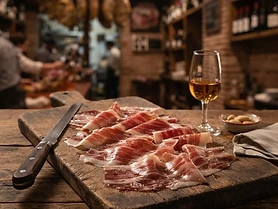
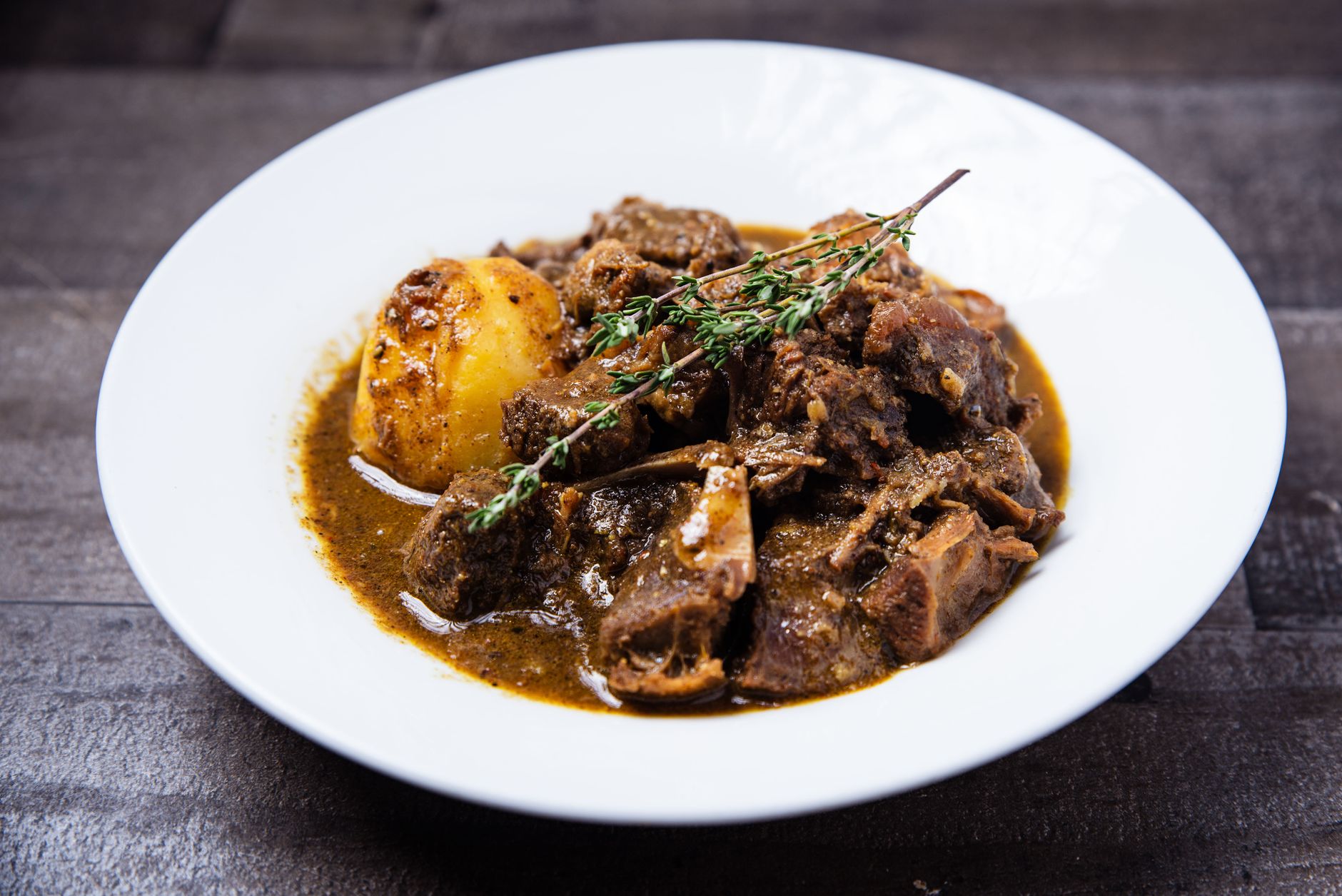
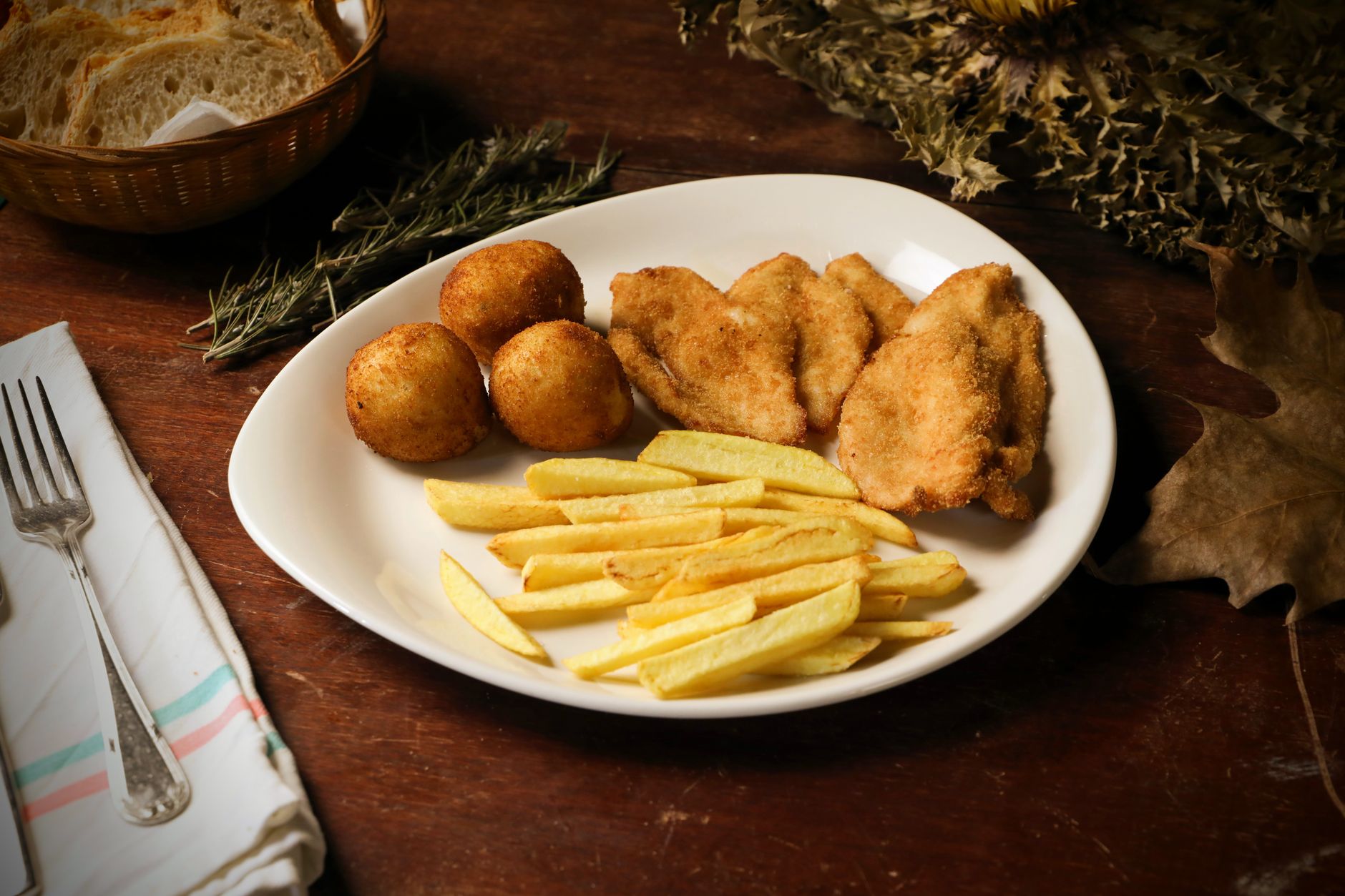
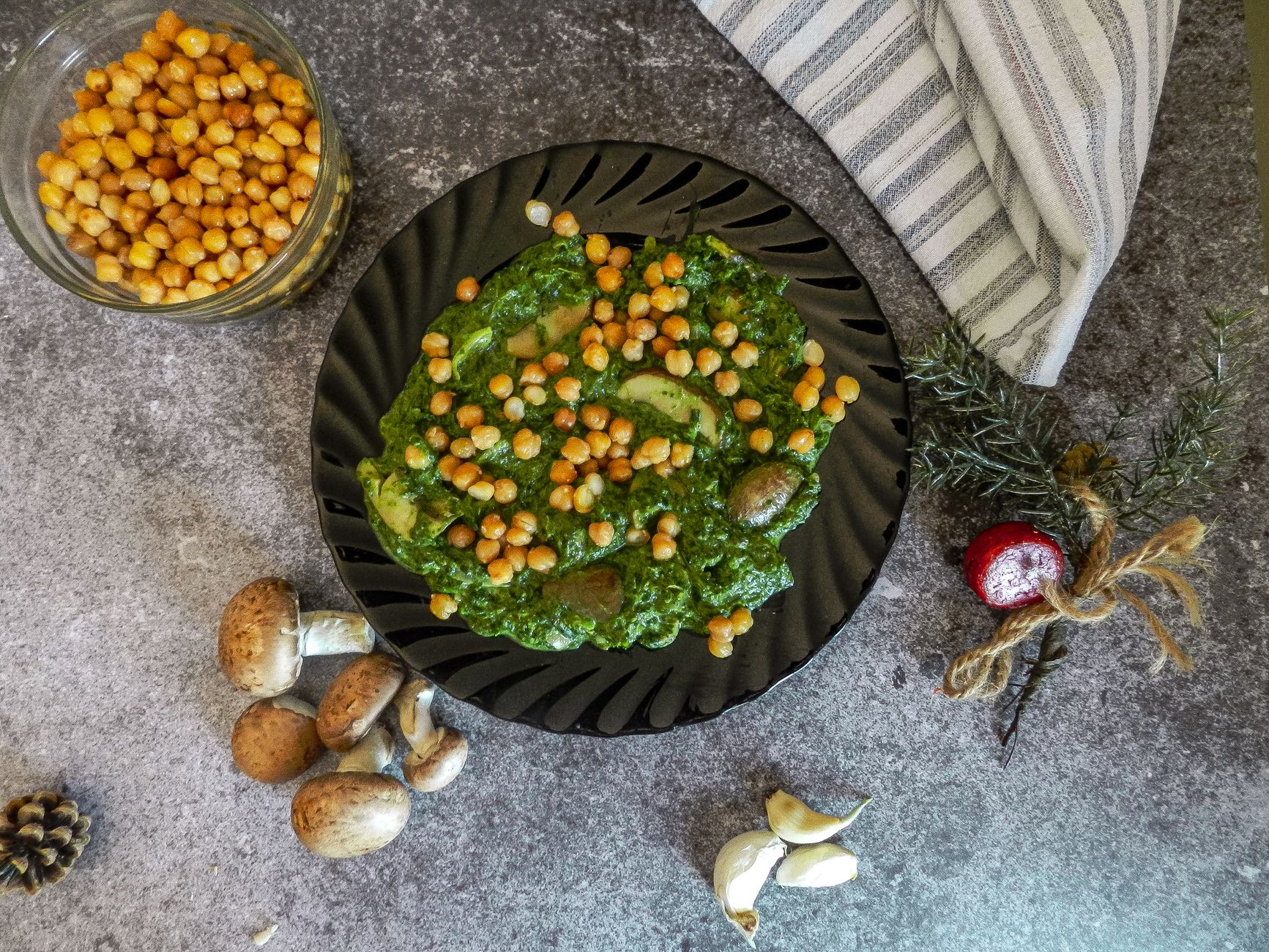
The local diet relies on the produce of the fertile Guadalquivir valley. Espinacas con garbanzos, a legacy of the region's Moorish past, mixes spinach and chickpeas with cumin and fried bread. Fried fish, or pescaíto frito, comes in paper cones from shops across the city, battered and cooked in olive oil from the nearby groves. For meat, rabo de toro, a braised oxtail stew, appears on tables throughout the year. Sherry from the nearby Jerez district accompanies these meals, served in small glasses. This fortified wine provides a sharp, dry counterpoint to the salt and heavy oils common in the local kitchens.
Andalusia: the whole region
The Spain most first-time visitors are picturing: the Alhambra, orange trees, sherry, and a coastline that runs from windsurfing water to resort sprawl. It is also the region people most often ruin by underestimating it. Seville and…
Minimum 5 days · better 8–10 days · deep 2 weeks
In and around Seville







Pair It With

In Andalusia








In Andalusia


In Andalusia










Linked from elsewhere
Entries that name this place in their own nearby lists.
Logistics are verified only. We don't publish schedules we haven't confirmed.
Field Notes
The evening light in the Santa Cruz quarter at 8pm in April — the whole city turns gold. The Alcázar gardens are bigger and quieter than expected.
Excellent value for a major Spanish city. Tapas prices still reasonable if you leave the cathedral strip.
Experiences worth booking ahead
Spain Field Guide may earn a commission when you book through selected links. Recommendations are editorial and independent of commission.
Ready to build Seville into a trip?
You've found a place worth going. When you're ready to turn discovery into an itinerary, Travel Itinerary Co picks up where the Field Guide leaves off — with your saved places already in hand.
Build this into a tripContinues on Travel Itinerary Co
Spain Field Guide may earn a commission when you book through selected links. Recommendations are editorial and independent of commission.