Plaza de Toros de Ronda

Worth it even if you'd never attend a bullfight. The museum is candid about the tradition's history, and the architecture is worth the ticket on its own.
To see the oldest and most photographed bullring in Spain, in a white town on a gorge.
At a Glance
- — You have zero interest in bullfighting history
- — You're not in Ronda
Built in 1785, this is the oldest bullring still in use in Spain, kept that way partly by hosting only one fight a year — the Pedro Romero festival each September — rather than running a full season. The sandstone double-arched colonnade is one of the most photographed structures in Andalusia, and the museum inside is candid about the tradition's history, including the Romero family of Ronda matadors who shaped the modern corrida. Forty-five minutes covers the ring and museum together. This is worth seeing even with no interest in bullfighting and no plan to attend one — the architecture and the clifftop town around it carry the visit. Go while you're already in Ronda for the gorge and the Puente Nuevo; it's not reason enough to detour here on its own.
How it got here
Construction began in 1783 and concluded in 1785. The Real Maestranza de Caballería de Ronda commissioned the structure to replace previous wooden arenas. This project established a permanent home for the equestrian and bullfighting traditions cultivated by the Romero family of Ronda. Pedro Romero developed the modern style of bullfighting on foot here during the eighteenth century. The ring maintains its neoclassical proportions and stone construction today as a symbol of the city military heritage and the evolution of the Spanish corrida. It serves as an archive for the history of the sport, maintaining the specific aesthetic of a permanent site dedicated to the training of horses and bullfighters.
Where it sits
Ronda sits atop a massive limestone outcrop split by the deep Tajo gorge. The town anchors the Serranía de Ronda, a mountain range separating the Mediterranean coast from the plains of the Guadalquivir basin. Winds sweep across the plateau, keeping summer days manageable while winters bring sharp cold and mountain rain. The plaza dominates a flat expanse near the edge of the cliffs. Cobbled streets connect the arena to the rest of the old town. Heavy tourism fills these walkways between spring and autumn, leaving the mornings quiet before day visitors arrive from the coastal resorts.
What to eat and drink
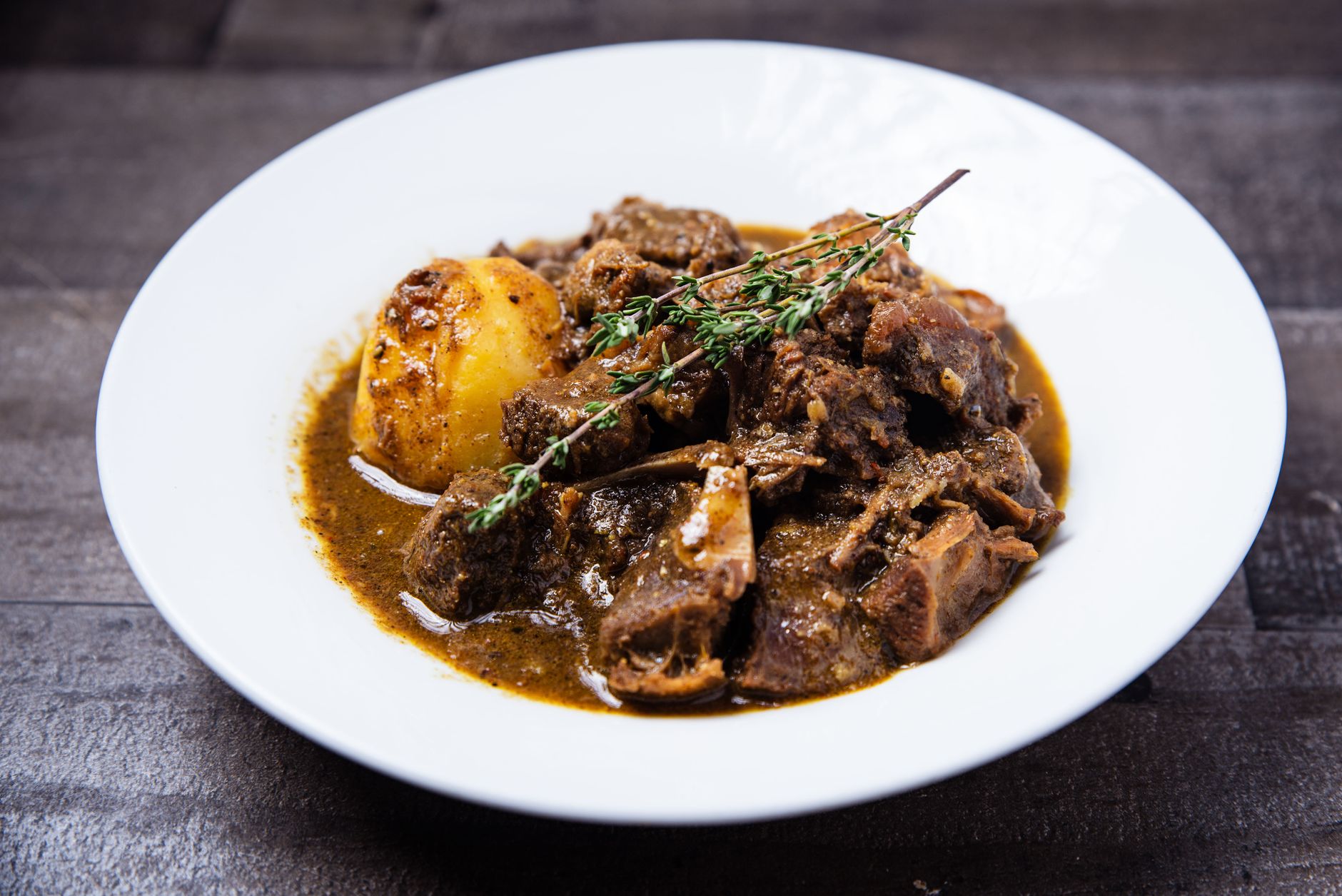
The Serranía de Ronda produces its own distinct cuisine. Order rabo de toro, a braised oxtail stew simmered in red wine and vegetables. The region also specializes in migas, pan-fried breadcrumbs cooked with garlic and chorizo or pork belly. For a simpler bite, look for molletes de Antequera, soft flatbreads toasted with local olive oil and garlic. The nearby vineyards produce Ronda red wine, often made from Tempranillo or Cabernet Sauvignon grapes. Finish a meal with yemas del Tajo, small confections made from egg yolks and sugar that local convents once prepared.
Andalusia: the whole region
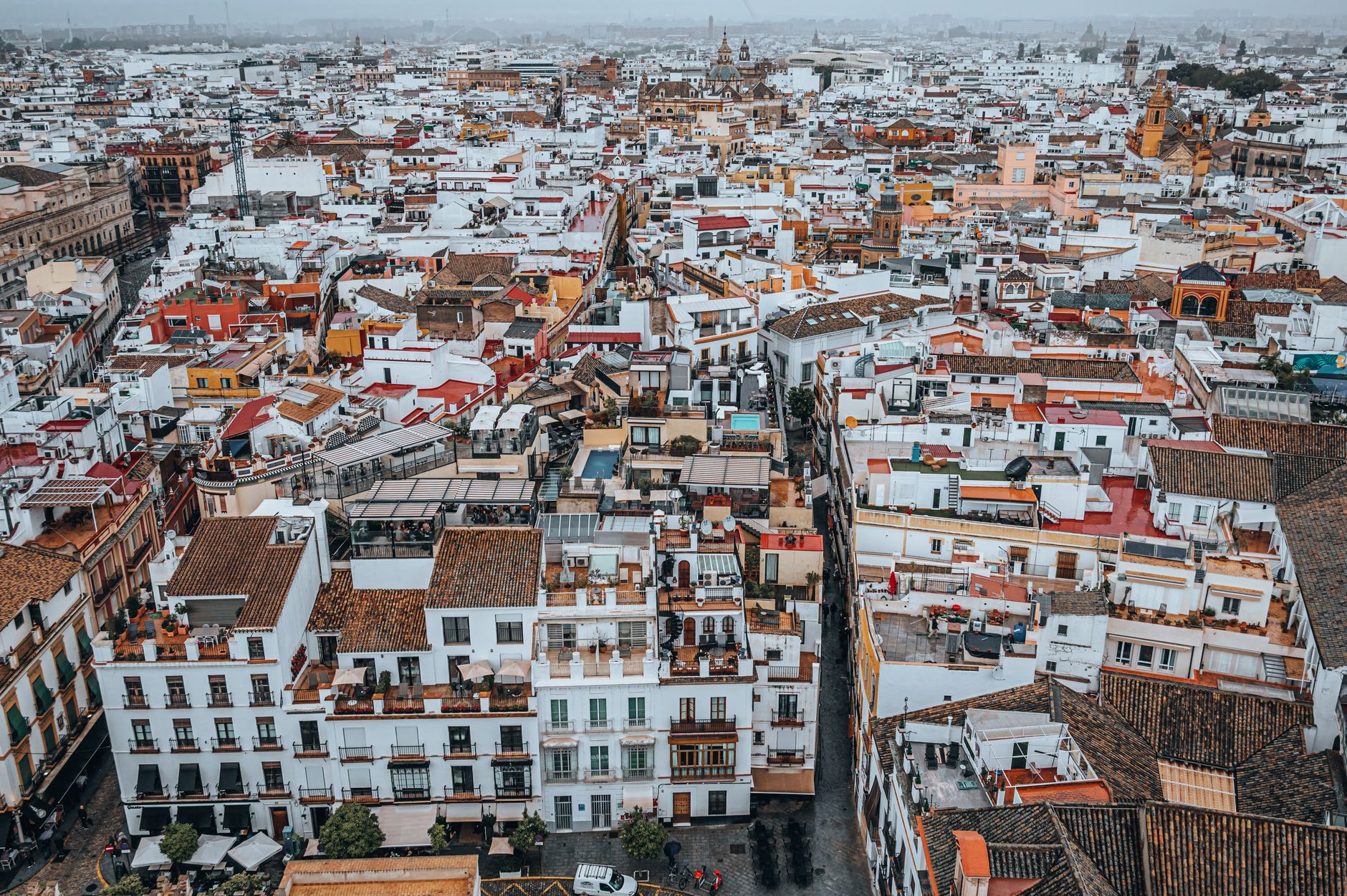
The Spain most first-time visitors are picturing: the Alhambra, orange trees, sherry, and a coastline that runs from windsurfing water to resort sprawl. It is also the region people most often ruin by underestimating it. Seville and…
Minimum 5 days · better 8–10 days · deep 2 weeks
In Andalusia






In Andalusia


In Andalusia
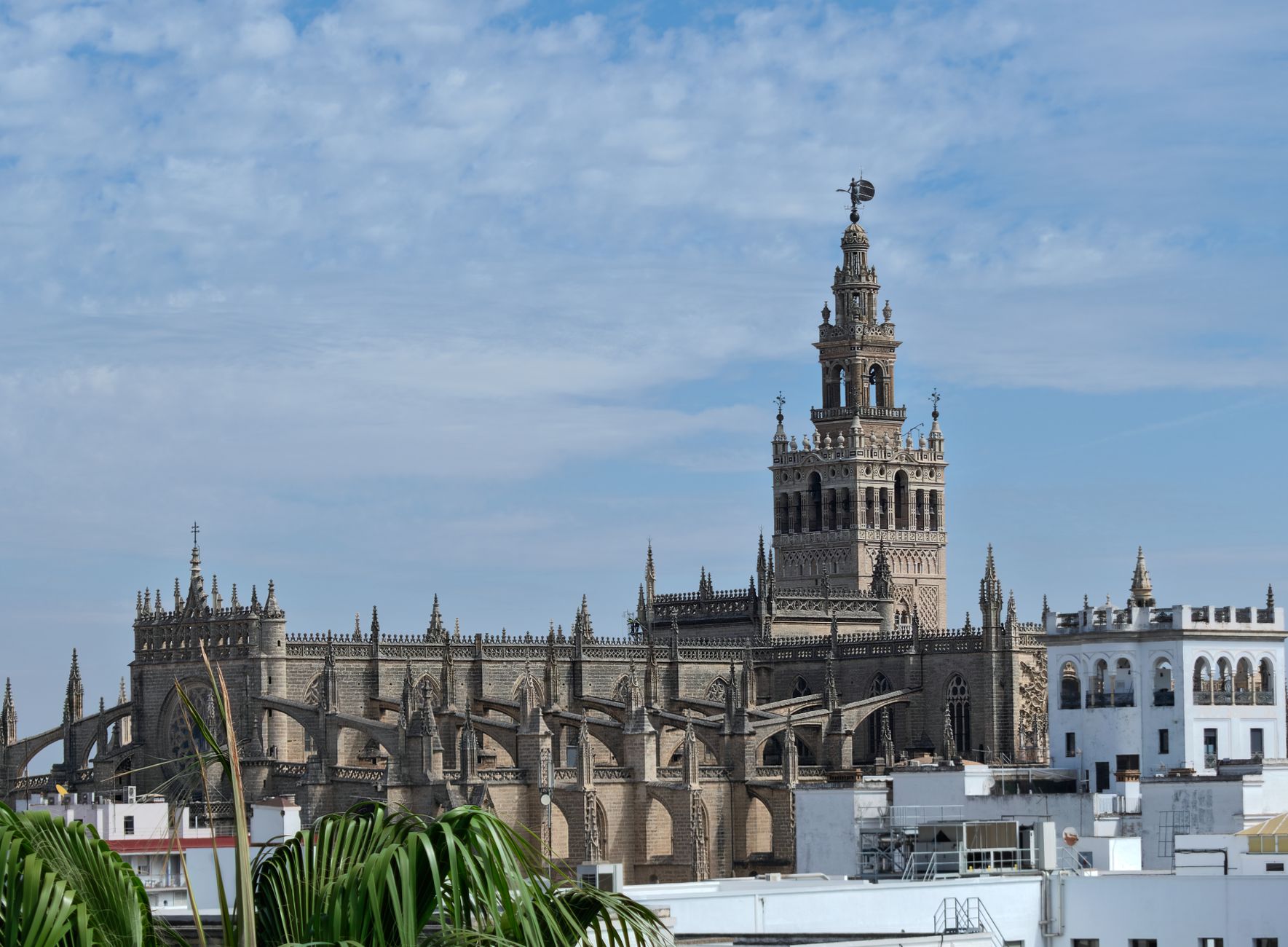


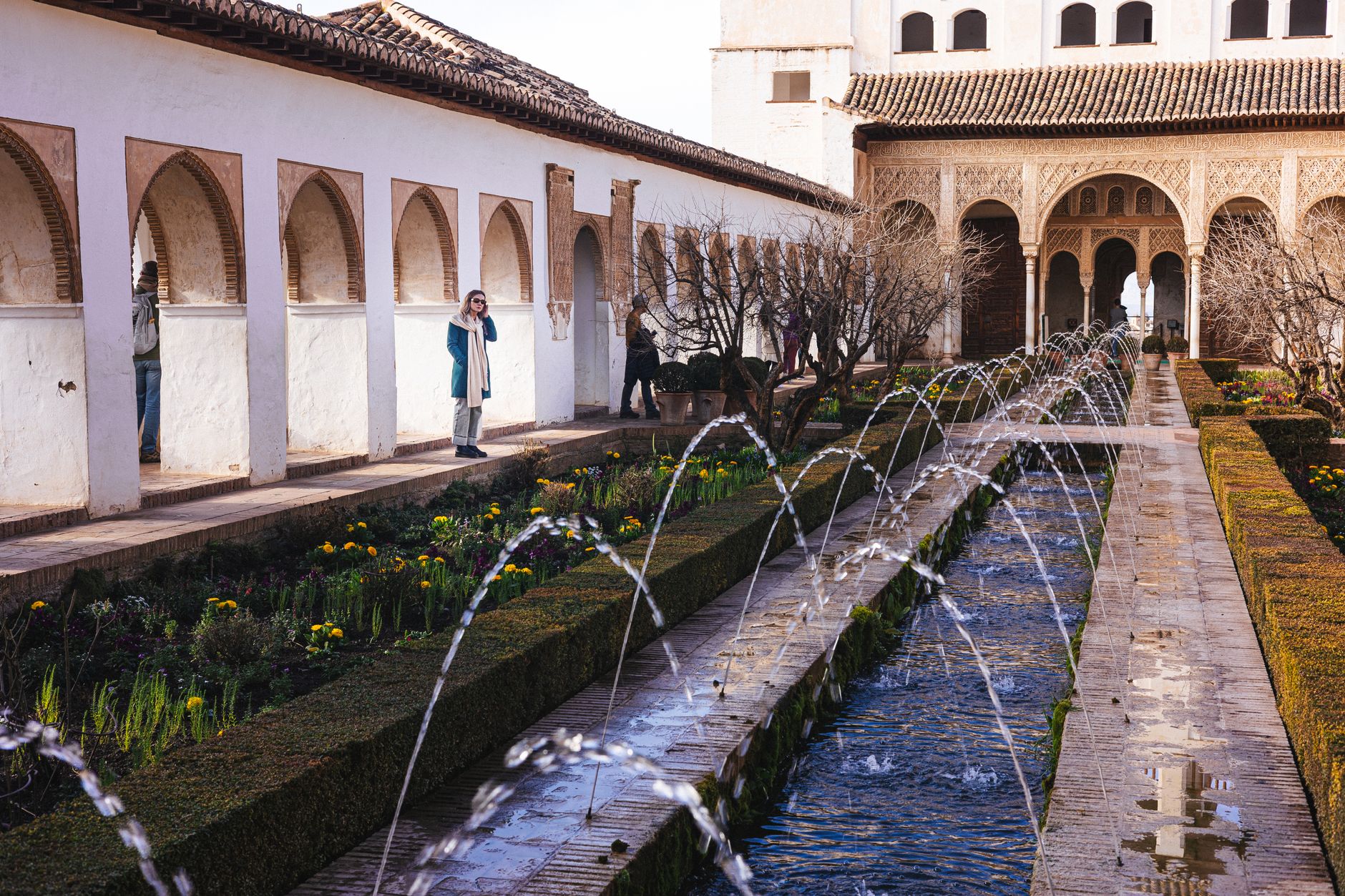
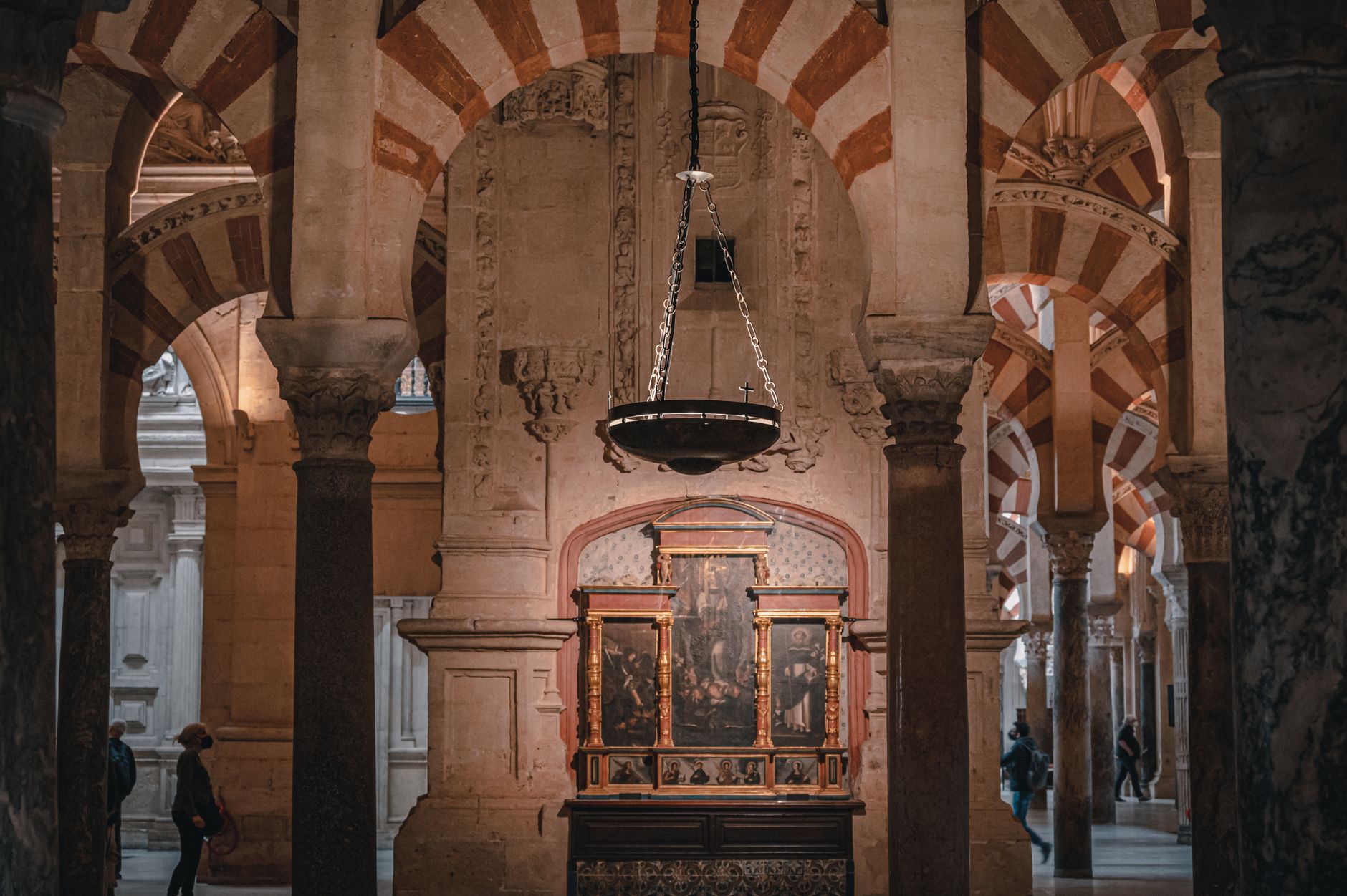
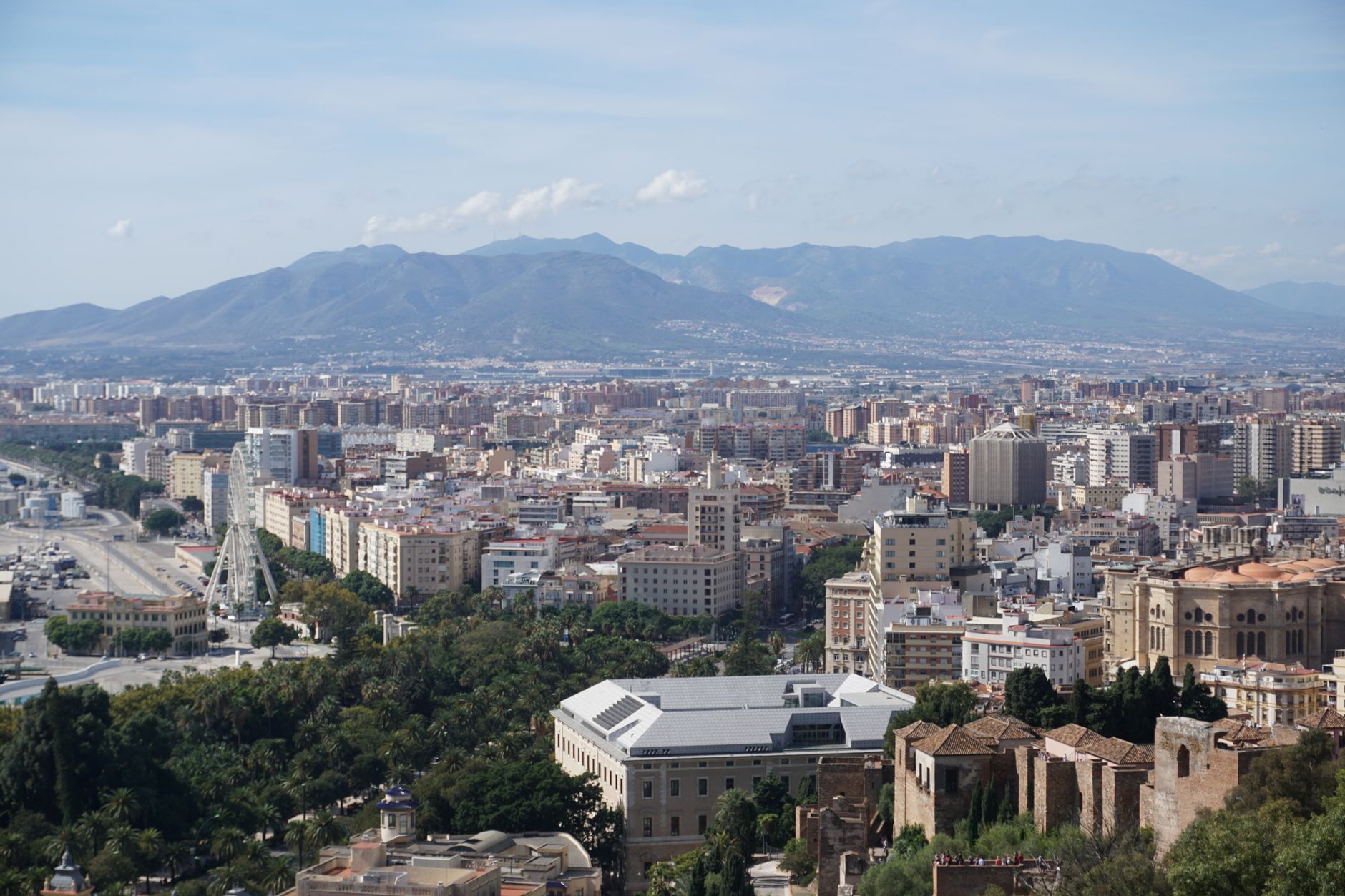












Experiences worth booking ahead
- 3 Cities in One Day: Cordoba, White Village & Ronda from Sevilla4.9 (1,346)13 hrsFrom €104
- Ronda Day Tour and Winery Visits from Marbella4.9 (151)8 hrsFrom €189
- Discover Ronda and Setenil de las Bodegas in a Day from Málaga4.6 (626)From €32
- White Villages and Ronda Day Trip from Seville4.8 (168)From €95
Spain Field Guide may earn a commission when you book through selected links. Recommendations are editorial and independent of commission.
Ready to build Plaza de Toros de Ronda into a trip?
You've found a place worth going. When you're ready to turn discovery into an itinerary, Travel Itinerary Co picks up where the Field Guide leaves off — with your saved places already in hand.
Build this into a tripContinues on Travel Itinerary Co
Spain Field Guide may earn a commission when you book through selected links. Recommendations are editorial and independent of commission.