Flamenco in Seville

Skip the big dinner shows. Go to a peña (Casa de la Memoria, the Museo del Baile Flamenco, or peña Flamenca Torres Macarena) for an unamplified, 90-minute show.
Flamenco in its heartland — Seville is where the art was born, and where the best, smallest, most real shows still happen in peñas and intimate tablaos.
At a Glance
- — You book a dinner-show tourist trap
Skip the dinner-show tablaos clustered near the cathedral — the ticket price buys mediocre food and a performance staged for tour groups, not the real thing. Seville is the art form's birthplace, and the better version happens in small peñas, where there's no amplification and the audience sits close enough to hear the dancer's heels on bare wood. Casa de la Memoria, the Museo del Baile Flamenco, and Peña Flamenca Torres Macarena all run shorter, rawer sessions, usually around 90 minutes, with the focus on the cante and guitar rather than spectacle. Book ahead for the smaller venues; they sell out precisely because they don't scale. This is worth building one evening around, not every night of a Seville trip.
How it got here
Flamenco evolved through the syncretic history of Andalusia as a complex cultural practice rooted in the oral traditions of marginalized groups. It consolidated in urban centers like Seville during the eighteenth and nineteenth centuries, gaining form in private gatherings and later in dedicated cafes cantantes. This art form depends on the interaction between the guitarist, the cantaor, and the dancer within a confined space. Modern peñas preserve the discipline by emphasizing this internal dialogue rather than external staging. The practice functions as a living archive of regional identity, prioritizing the raw delivery of the cante jondo over technical spectacle for large audiences.
Where it sits
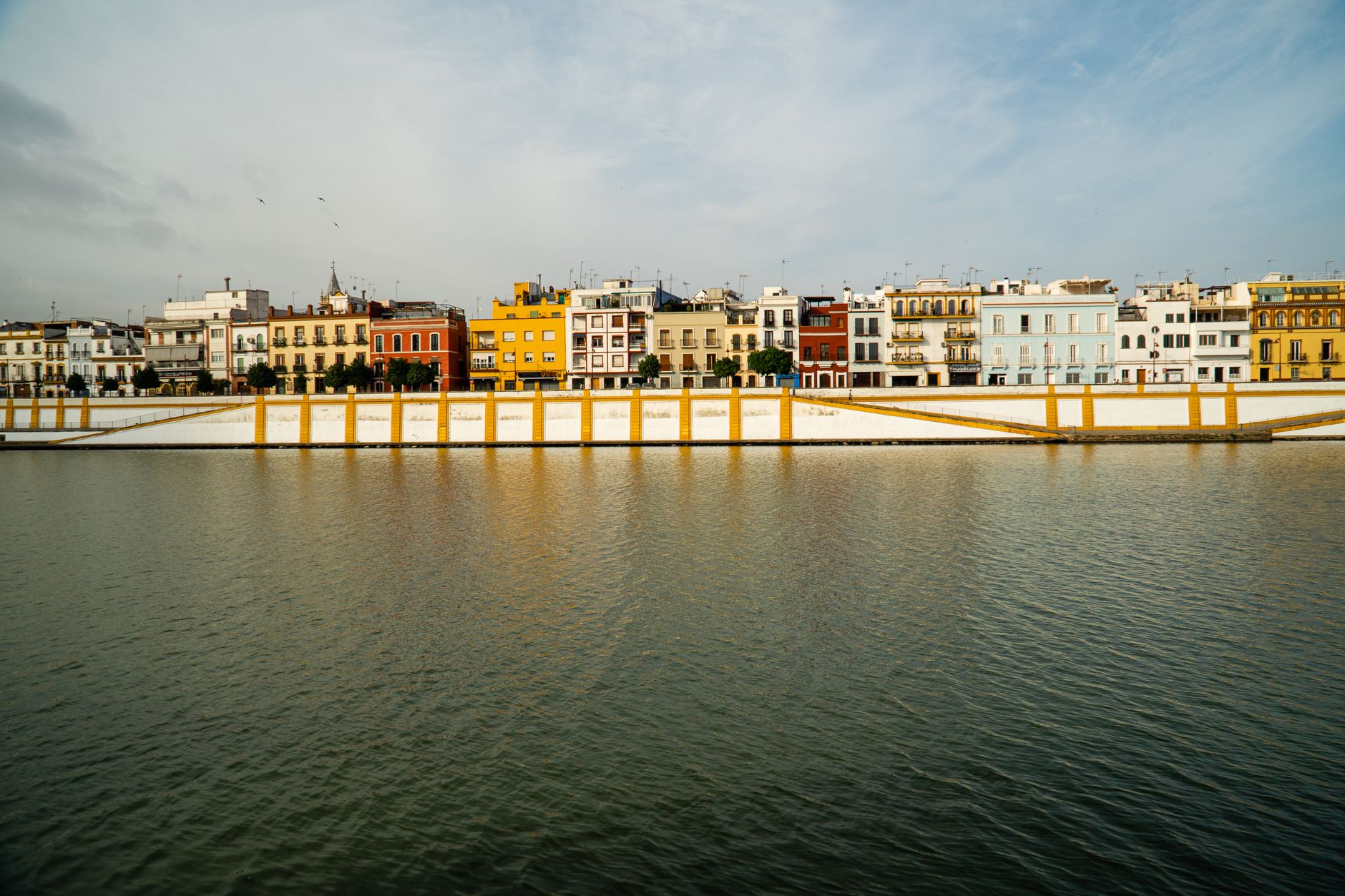
Seville sits on the fertile plain of the Guadalquivir river. The city experiences extreme heat during summer months, which dictates the pace of daily life and keeps the streets quiet until sunset. Narrow alleys of the old quarters provide necessary shade, holding onto the air through the night. The surrounding landscape consists of low-lying farmland and vast olive groves that mark the transition toward the Sierras. Spring arrives early, bringing mild temperatures, while autumn brings humidity from the river. Walking remains the primary way to move between the historic centers where these traditional musical gatherings take place.
What to eat and drink
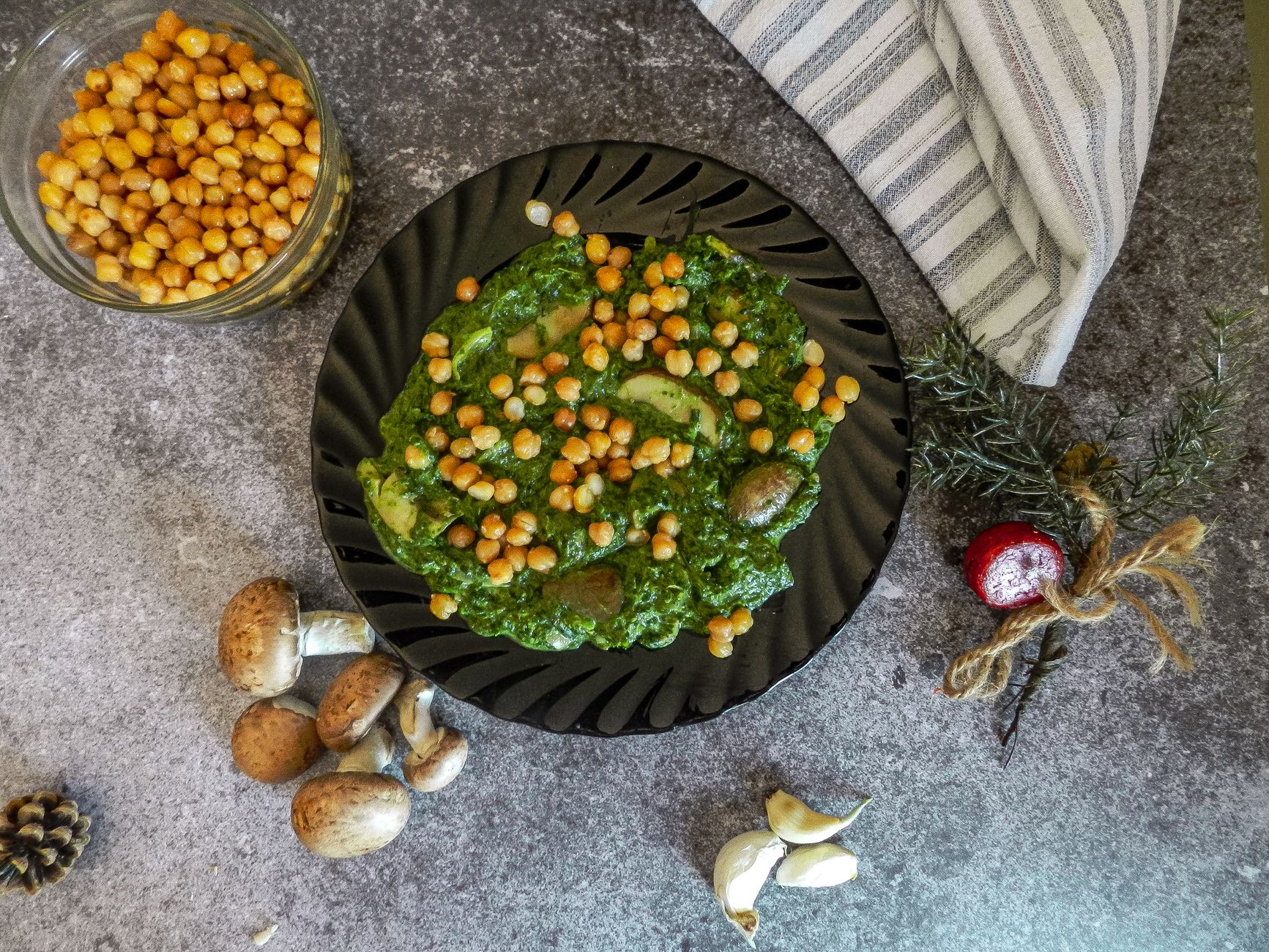
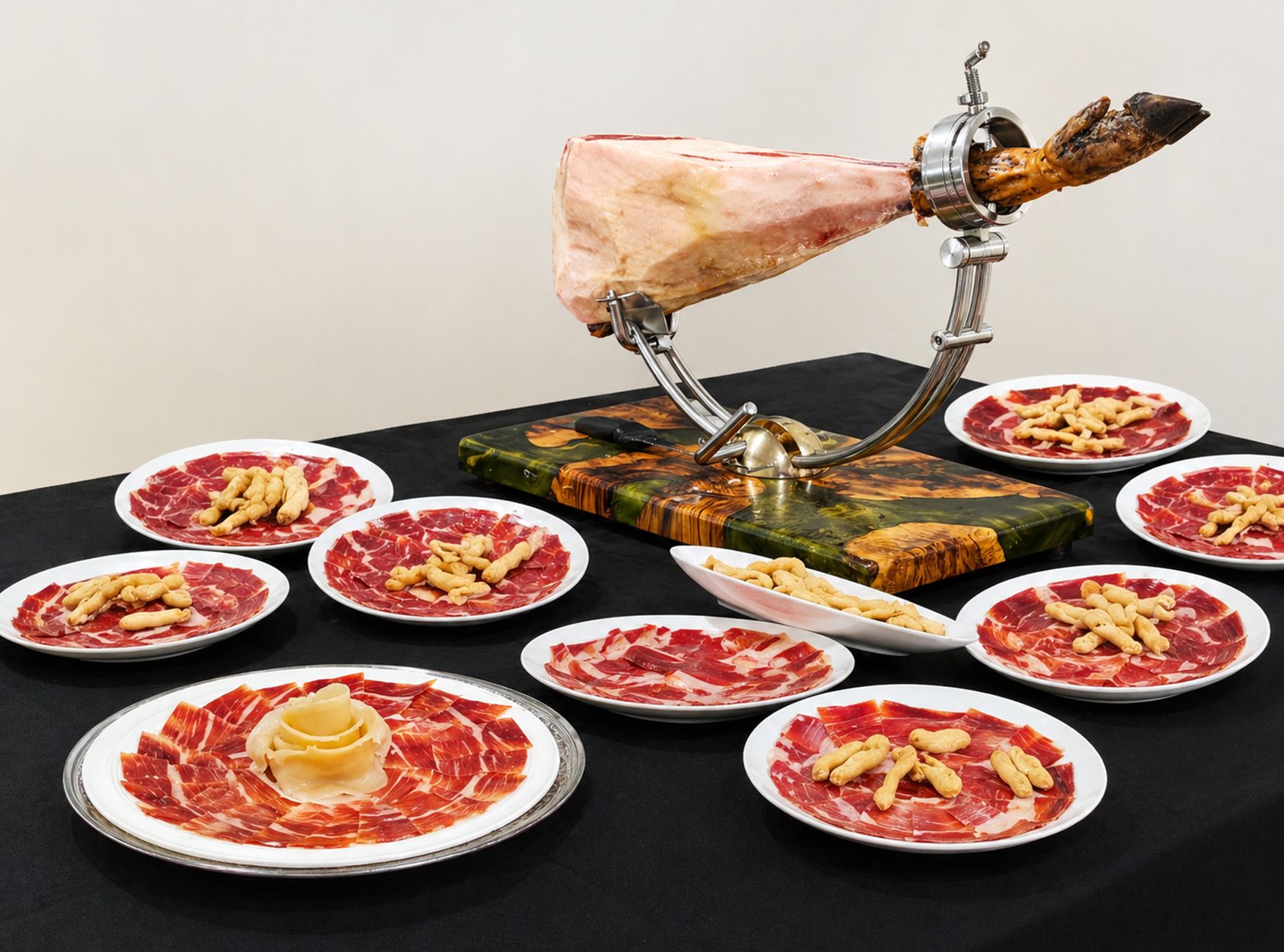
The culinary focus here centers on the tradition of tapeo, small portions shared among friends. Espinacas con garbanzos, a dish of chickpeas and spinach seasoned with cumin and fried bread, echoes the long history of regional flavors. Solomillo al whisky, pork tenderloin prepared with a reduction of garlic, whiskey, and olive oil, ranks as a staple of local taverns. Cold glasses of manzanilla, a dry sherry from the coastal town of Sanlúcar de Barrameda, provide a sharp contrast to the saltiness of local jamón ibérico, cured ham from the black-hoofed pigs raised in the oak woodlands of the neighboring hills.
Andalusia: the whole region
The Spain most first-time visitors are picturing: the Alhambra, orange trees, sherry, and a coastline that runs from windsurfing water to resort sprawl. It is also the region people most often ruin by underestimating it. Seville and…
Minimum 5 days · better 8–10 days · deep 2 weeks
Pair It With

In Andalusia






In Andalusia


In Andalusia













Linked from elsewhere
Entries that name this place in their own nearby lists.
Logistics are verified only. We don't publish schedules we haven't confirmed.
Experiences worth booking ahead
Spain Field Guide may earn a commission when you book through selected links. Recommendations are editorial and independent of commission.
Ready to build Flamenco in Seville into a trip?
You've found a place worth going. When you're ready to turn discovery into an itinerary, Travel Itinerary Co picks up where the Field Guide leaves off — with your saved places already in hand.
Build this into a tripContinues on Travel Itinerary Co
Spain Field Guide may earn a commission when you book through selected links. Recommendations are editorial and independent of commission.