Feria del Caballo (Jerez)

The most underrated of Andalusia's big festivals. If you can't get into Seville's private casetas, come here instead — most are open.
To see Spain's best horses in their native city, with sherry on the side.
At a Glance
- — You're not in Andalusia in early May
- — You want a quiet week
If Seville's April Fair sounds appealing but the private-caseta exclusivity doesn't, Jerez de la Frontera's May horse fair is the fix: same format — striped casetas, sherry, flamenco until late — but most tents are open to anyone who walks in. The Gonzalez Hontoria fairground runs daily parades of Carthusian and Andalusian horses alongside carriage exhibitions, giving the week a focus Seville's fair doesn't really have. Jerez is sherry country, so the tastings here are the genuine article rather than a tourist add-on. Two to three nights in early May is enough, in a city otherwise easy to see in a day or two — treat this as a reason to extend a stay rather than a destination on its own. Families tend to do better here than at Seville's more alcohol-driven fair; the horses give kids something to actually watch.
How it got here
Horse trading has defined Jerez de la Frontera since the thirteenth century when the crown granted the city rights to hold livestock markets. These gatherings transformed over centuries from purely commercial exchanges of mules and horses into social events for landowners and breeders. By the early nineteenth century, these agricultural fairs incorporated local sherry culture and dance, formalizing the current structure. The breed now dominant, the Cartujano, traces its lineage to the nearby Charterhouse of Jerez where monks curated bloodlines for centuries. This legacy persists in the current festival where local breeders parade horses to preserve a tradition once rooted in the city's economic necessity as a regional livestock hub.
Where it sits
The Gonzalez Hontoria fairground occupies the northern edge of the city, a space defined by dusty lanes and dense tree cover that shields visitors from the harsh Andalusian sun. Jerez sits on a rolling landscape of white chalk soil, the albariza, which sustains the surrounding vineyards. Spring rains provide enough moisture to turn the countryside a brilliant green before the summer heat arrives. The city feels crowded during the week of the fair as the influx of visitors from across Cádiz province packs the narrow streets of the old town while the fairground creates a city of canvas tents.
What to eat and drink
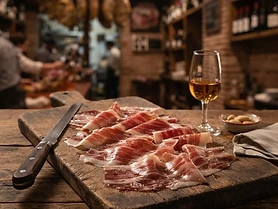
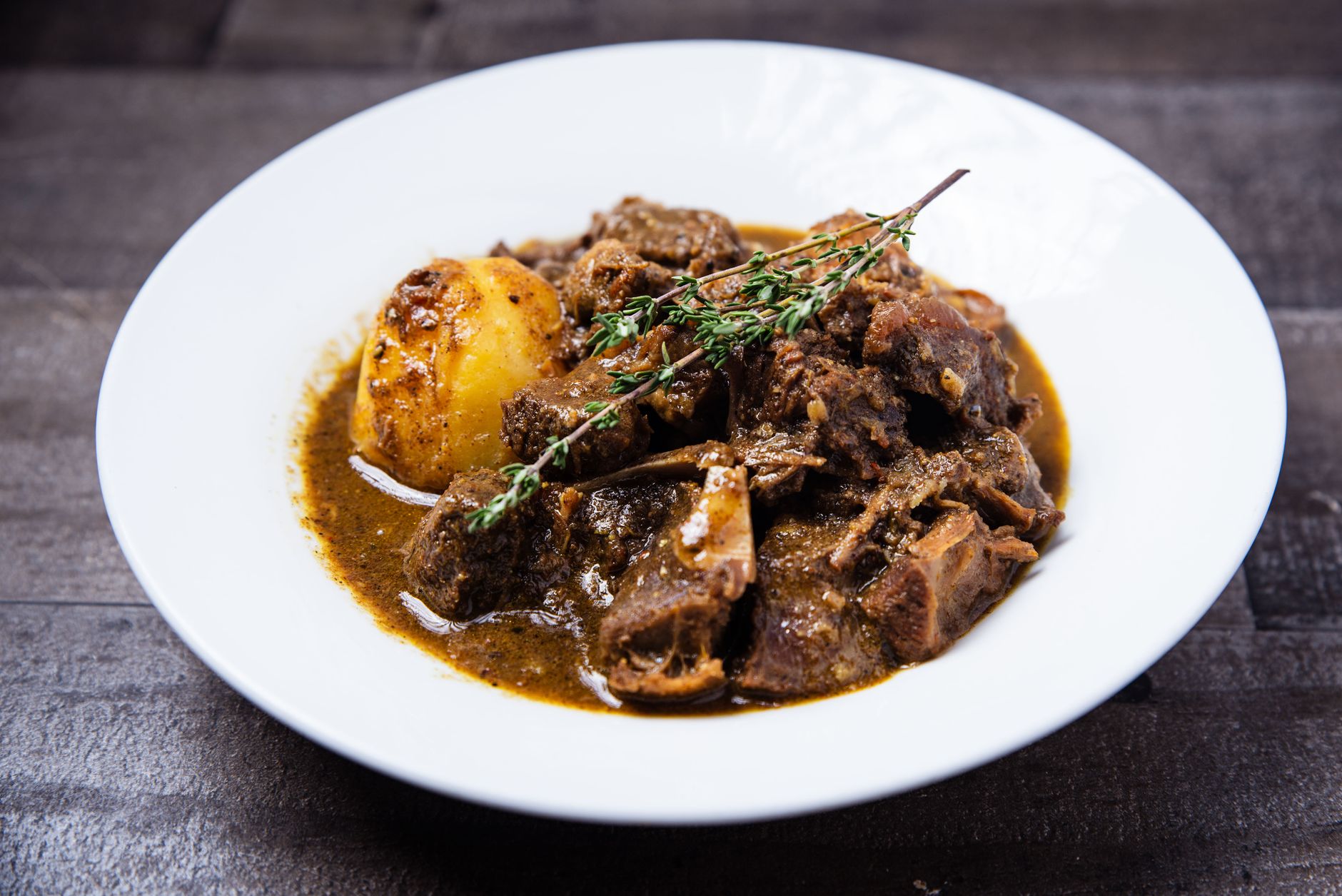
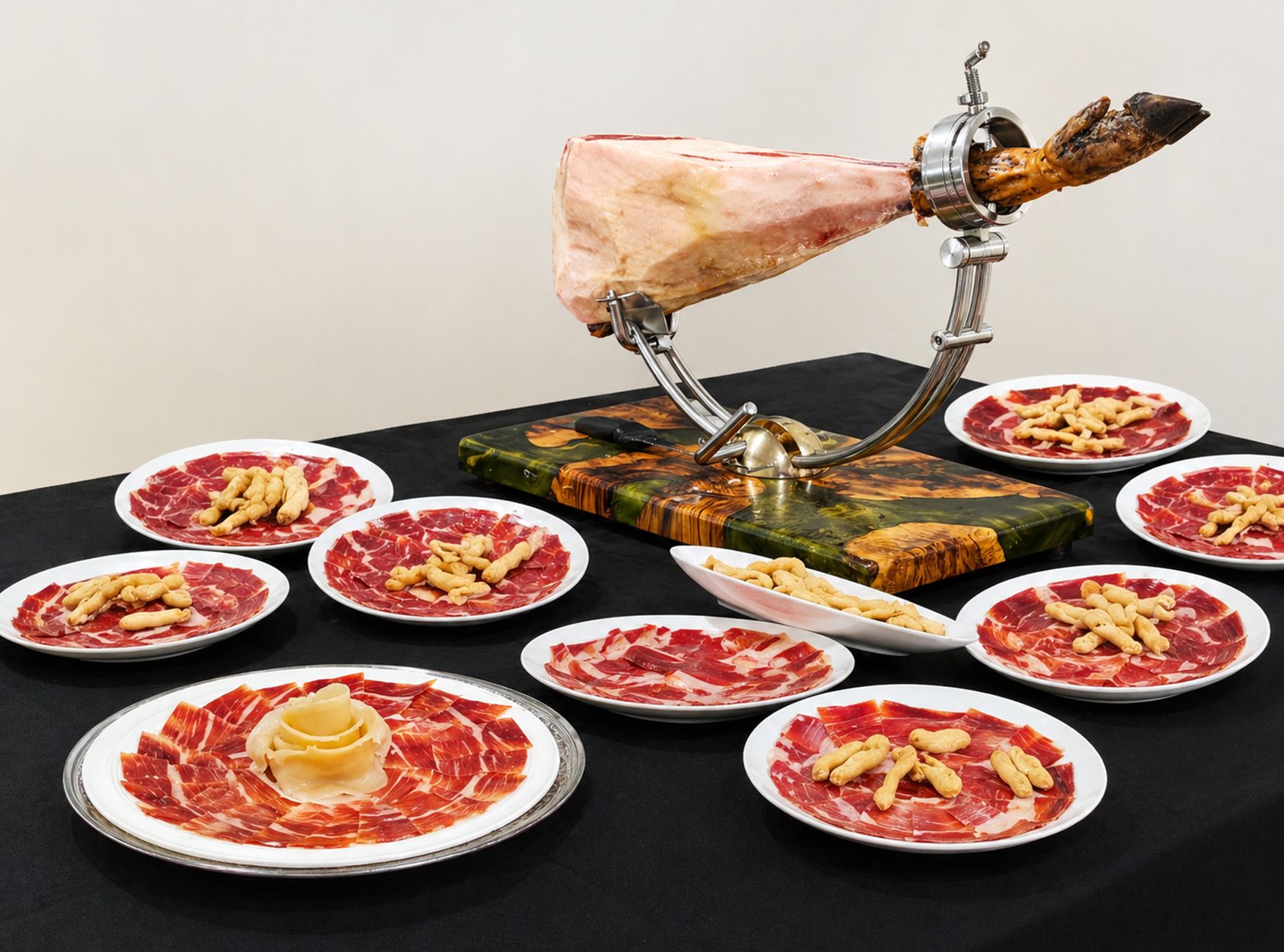
Sherry provides the only logical accompaniment to the week. Fino and manzanilla are served cold, often mixed with soda as rebujito to withstand the heat. Pair these with jamón ibérico, the dry-cured ham from free-range pigs fed on acorns in the nearby dehesas. Tortillitas de camarones, thin and crispy fritters made from chickpea flour and tiny shrimp caught in the tidal waters of the Bay of Cádiz, arrive hot from the fryers. For a more substantial meal, look for rabo de toro, a slow-cooked oxtail stew that draws its depth from the local wine bases.
Andalusia: the whole region
The Spain most first-time visitors are picturing: the Alhambra, orange trees, sherry, and a coastline that runs from windsurfing water to resort sprawl. It is also the region people most often ruin by underestimating it. Seville and…
Minimum 5 days · better 8–10 days · deep 2 weeks
What's Nearby
Pair It With


In Andalusia






In Andalusia


In Andalusia














Ready to build Feria del Caballo (Jerez) into a trip?
You've found a place worth going. When you're ready to turn discovery into an itinerary, Travel Itinerary Co picks up where the Field Guide leaves off — with your saved places already in hand.
Build this into a tripContinues on Travel Itinerary Co
Spain Field Guide may earn a commission when you book through selected links. Recommendations are editorial and independent of commission.