Olive Country: Jaén

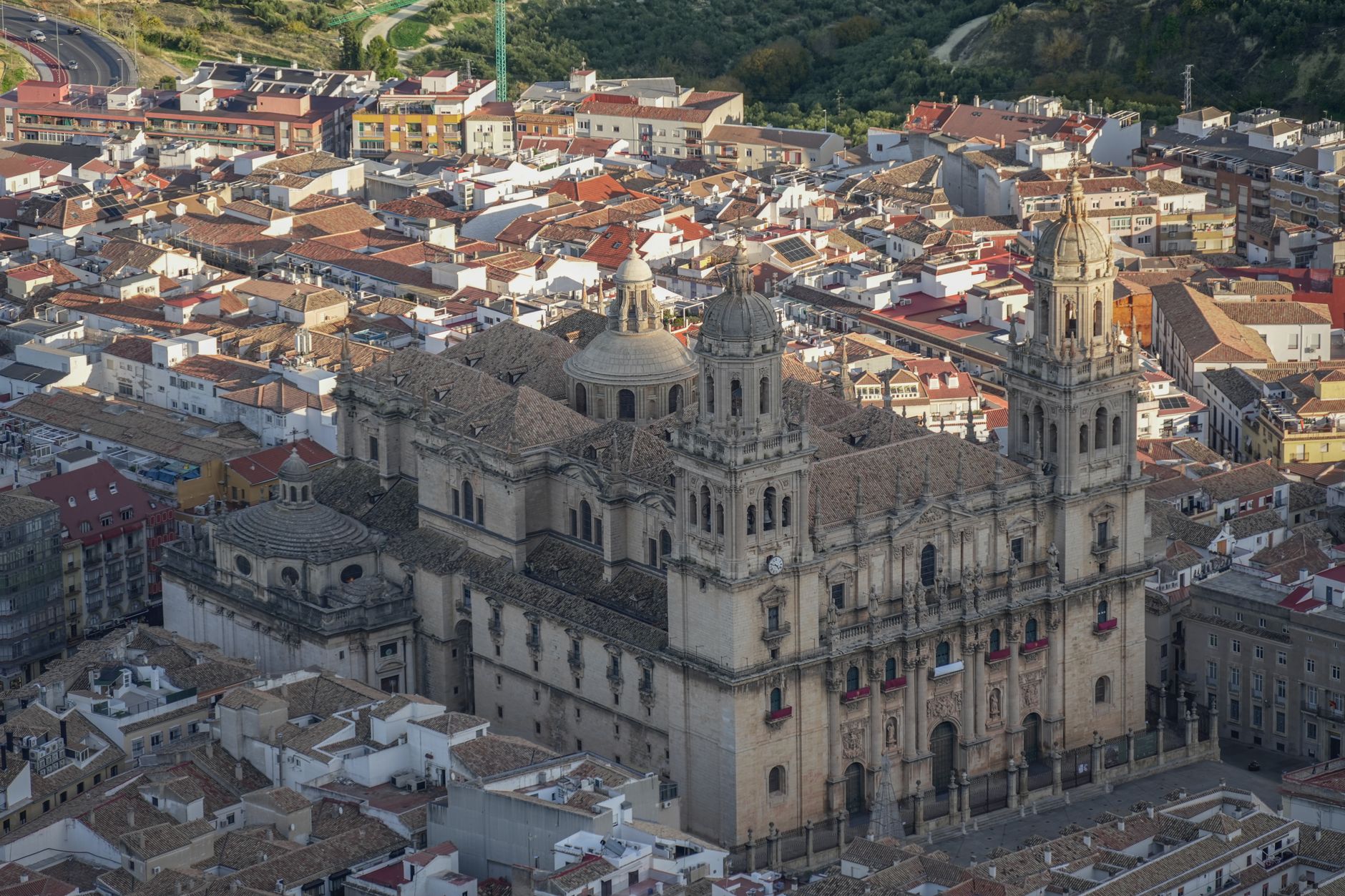
Worth two days, mostly as driving: Jaén city, Úbeda and Baeza, the Cazorla mountains and the groves in between. Not a place for ticking off sights.
To understand that Spanish olive oil is an industry and a landscape before it is a bottle on a shelf.
Jaén · Úbeda · Sierras de Cazorla, Segura y Las Villas · Baeza
Olive Oil from Jaén (Aceite de Oliva Virgen Extra) · Pipirrana
At a Glance
- — You want beaches or big cities
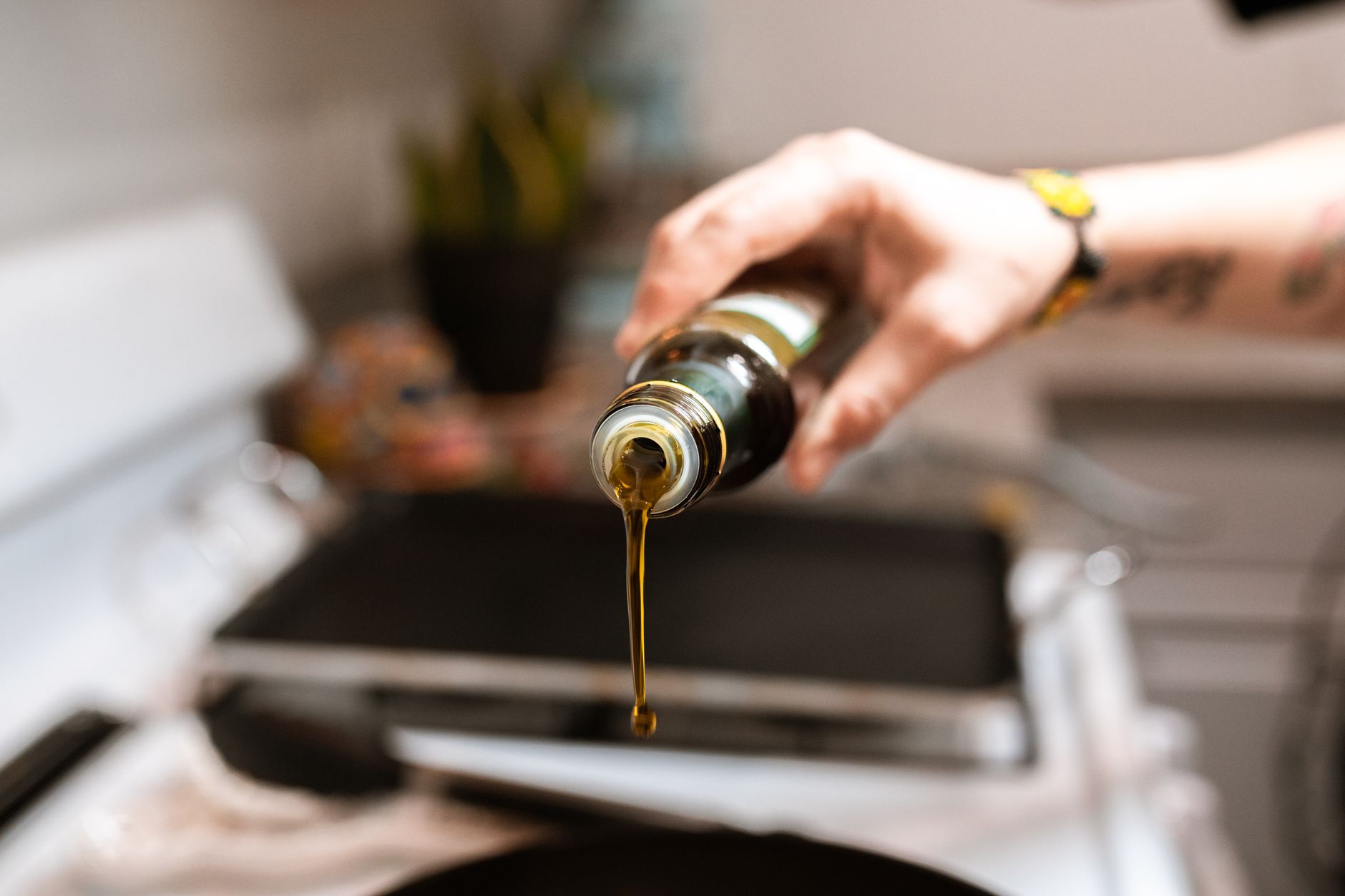
Jaén grows more olives than anywhere else in the world, and the province looks like it: millions of trees planted in rows over hills and plains, broken only where the Sierra Morena or the Sierra de Cazorla interrupts them. The olives are mostly Picual, pressed for oil rather than eaten, and most of the oil is made by cooperatives whose members bring in a few hectares each. The harvest runs from late autumn into winter, and the roads then carry tractors and picking crews. It is a working agricultural landscape rather than a scenic one, but the scale is the point: no other part of Spain is this completely shaped by a single crop.
How it got here
Jaén fell to the Reconquista in 1246 when Fernando III of Castile took the city. The territory functioned as a Christian frontier against the Nasrid Kingdom of Granada for the next two centuries. This proximity to the shifting border dictated the development of the province into a series of defensive outposts and watchtowers. Following the fall of Granada in 1492, the military importance of the borderlands vanished and the economy turned toward the systematic cultivation of the olive. The present landscape relies on those historical land divisions that favored large estates and communal cooperatives to manage the harvest of a crop that defined the province for centuries.
Where it sits
The province occupies the upper valley of the Guadalquivir river. It sits between the Sierra Morena to the north and the Betic system to the south. Millions of olive trees cover the rolling hills in an unbroken expanse that shifts from dusty green in summer to a darker shade during the winter harvest. Roads wind through the groves to connect quiet towns that wake only for the processing of oil. Summer heat scorches the low-lying plains while snow occasionally touches the high peaks of the Sierra de Cazorla during the winter months.
What to eat and drink
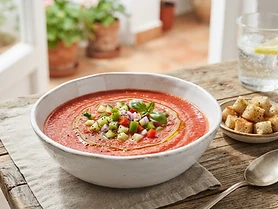
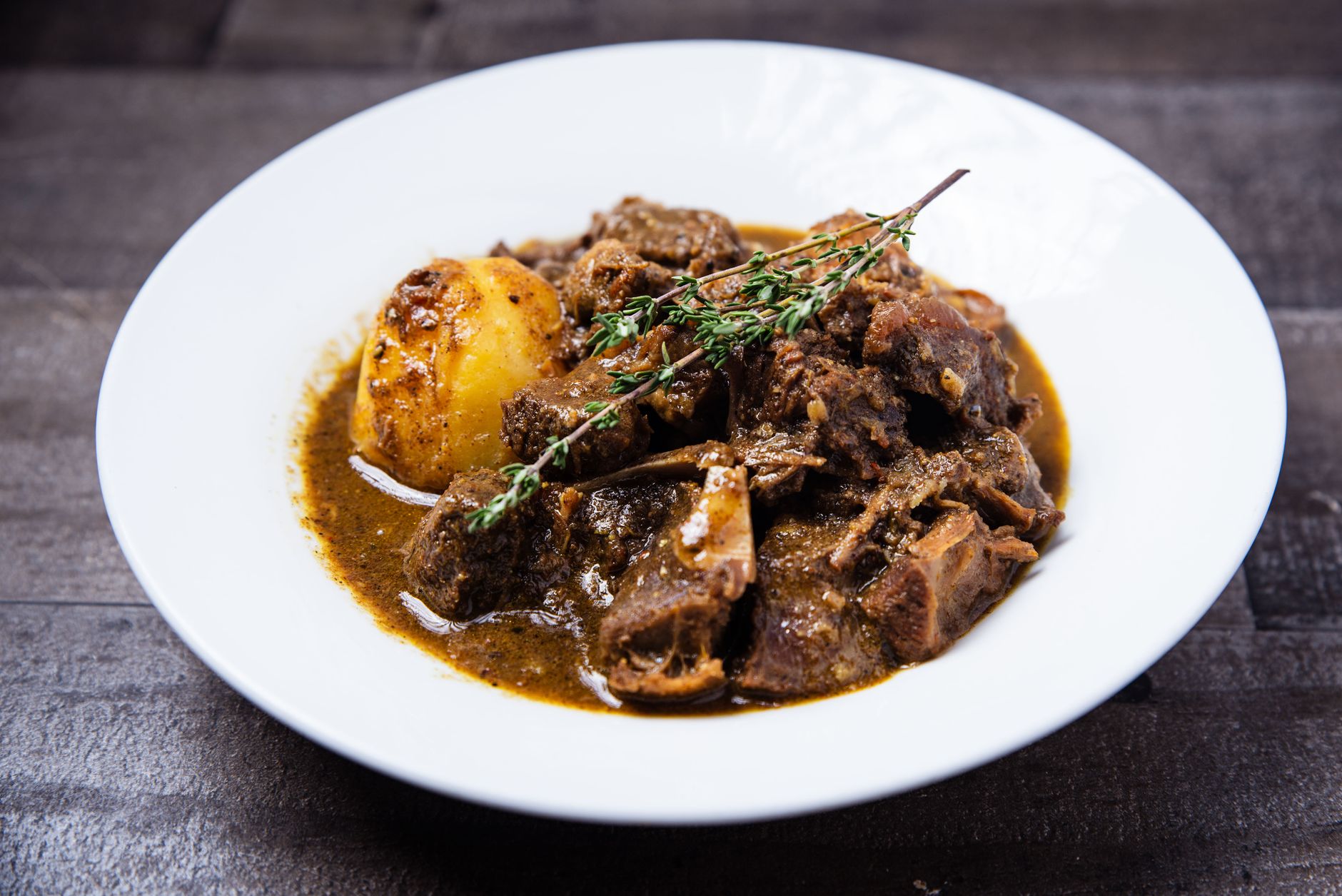
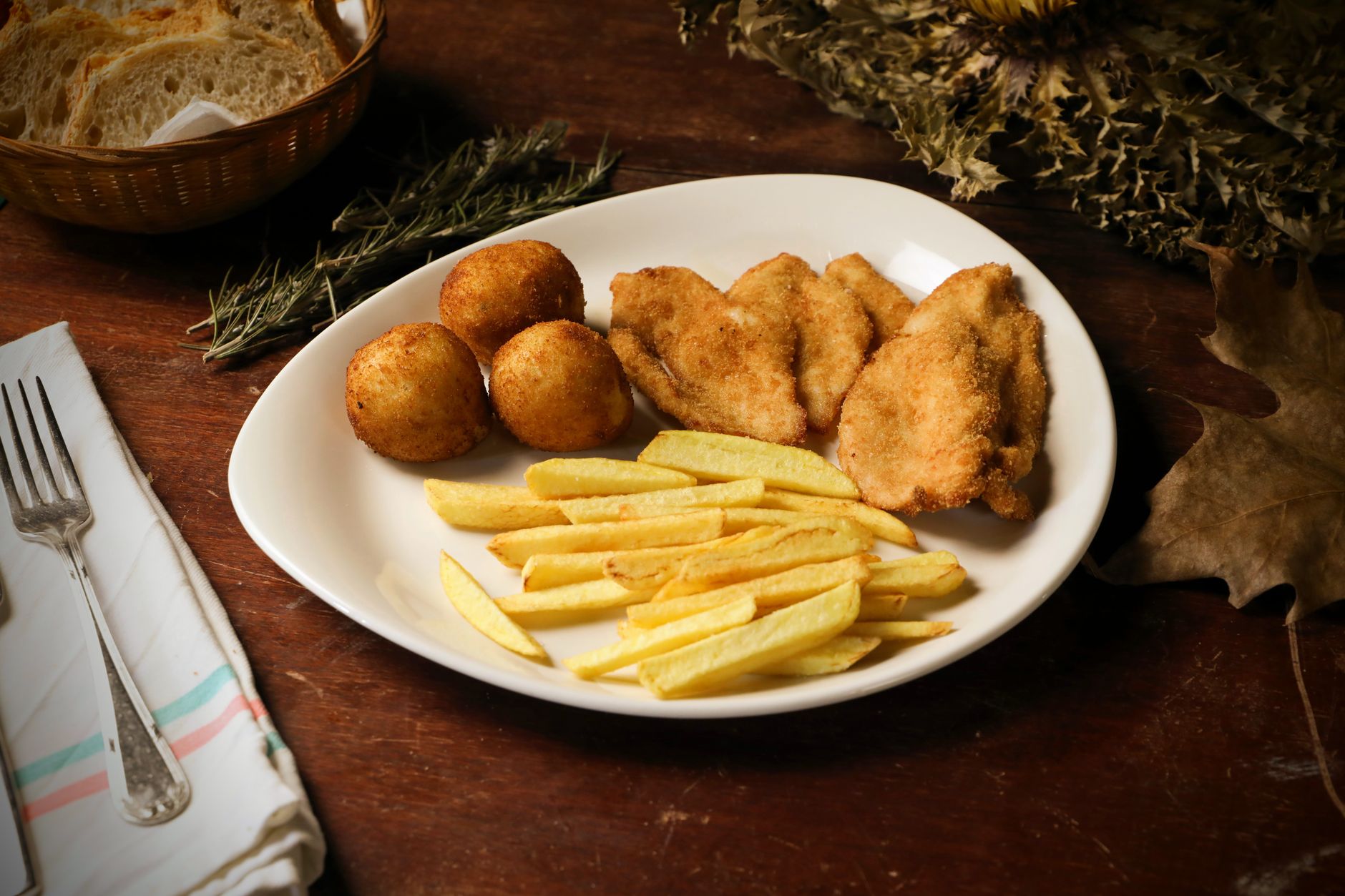
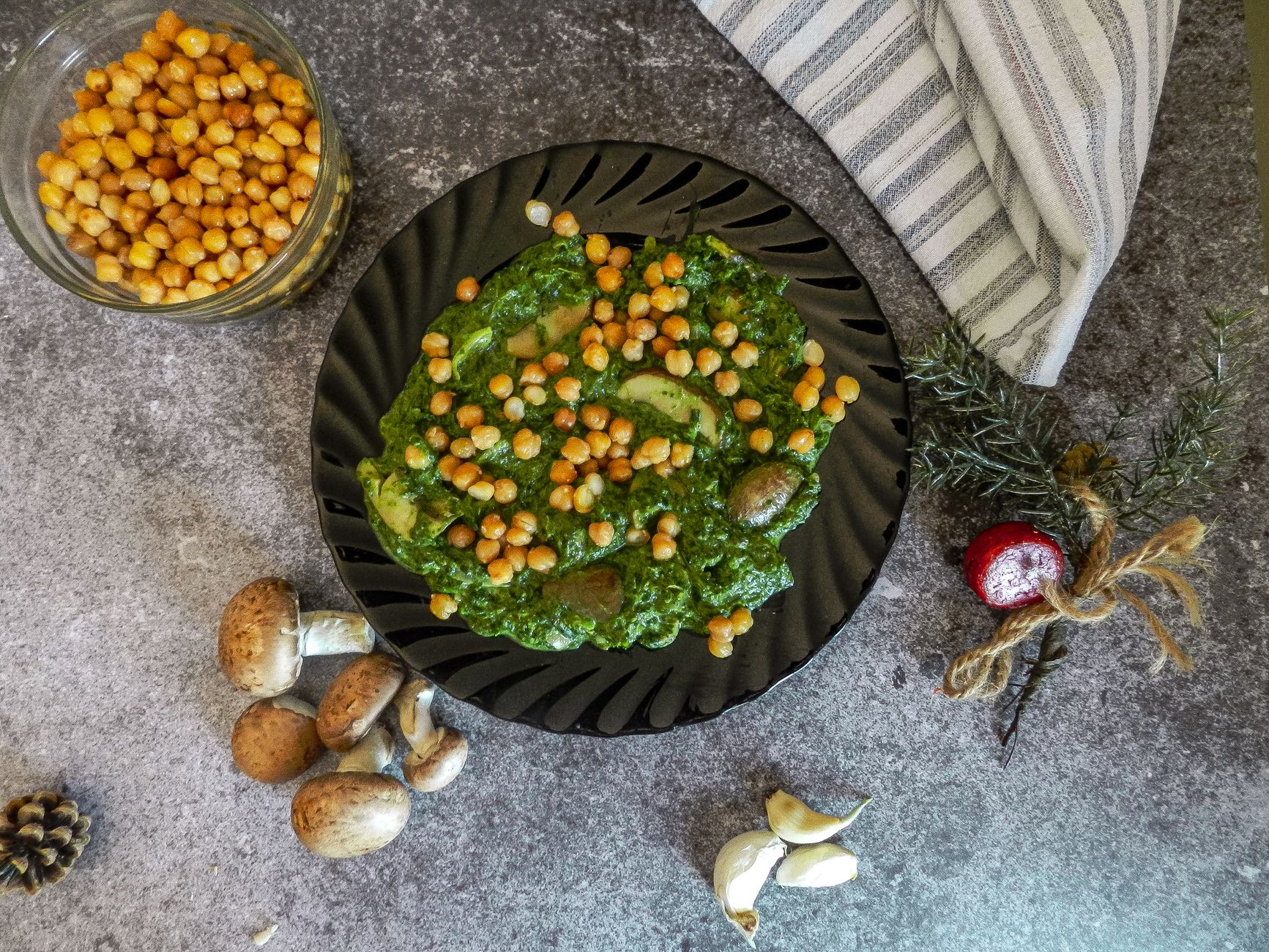
Oil pressed from Picual olives provides the base for the kitchen. Pipirrana is the standard salad, a mixture of chopped tomatoes, green peppers, garlic, and hard-boiled eggs bound by high-quality olive oil. Ochío, a bread roll flavored with paprika and aniseed, serves as a common snack. Gachas migas, a dense porridge of flour, water, and oil often served with fried sardines or chorizo, stems from the habits of seasonal laborers. The province produces deep, potent oils that dominate the flavor of every dish, from salt cod stews to the simple vegetables harvested from the local valley floors.
Andalusia: the whole region
The Spain most first-time visitors are picturing: the Alhambra, orange trees, sherry, and a coastline that runs from windsurfing water to resort sprawl. It is also the region people most often ruin by underestimating it. Seville and…
Minimum 5 days · better 8–10 days · deep 2 weeks
What's Nearby


Pair It With

In Andalusia




In Andalusia


In Andalusia














Logistics are verified only. We don't publish schedules we haven't confirmed.
Appears In
Ready to build Olive Country: Jaén into a trip?
You've found a place worth going. When you're ready to turn discovery into an itinerary, Travel Itinerary Co picks up where the Field Guide leaves off — with your saved places already in hand.
Build this into a tripContinues on Travel Itinerary Co
Spain Field Guide may earn a commission when you book through selected links. Recommendations are editorial and independent of commission.