Baeza

A half day, paired with Úbeda. Do not choose between them: do both, in that order.
Renaissance architecture without the crowds, half an hour from the town everyone photographs.
At a Glance
- — You have one day only and want the big squares of Úbeda
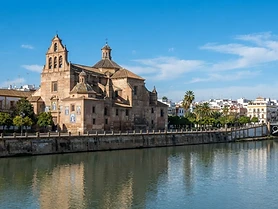
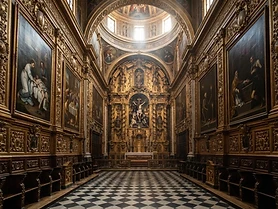
Baeza is the older and calmer of the two Renaissance towns, with a university founded in the 16th century, a long arcaded plaza and a cathedral set among streets that empty out in the afternoon. Because it is smaller and less visited than Úbeda, the experience is easier: you can look at a façade without a group standing in front of it. Half a day is enough, and it pairs naturally with Úbeda, twenty minutes away. Come in the morning, eat a long lunch, and go back.
How it got here
Castilian forces captured the town from the Almohad Caliphate in 1227. King Fernando III granted the town its first fueros to encourage repopulation by northern settlers. The town reached a period of intellectual growth during the 16th century when the University of Baeza operated under the protection of the Catholic Church. This institutional legacy explains the dense concentration of Renaissance stonework and private palaces that survive in the historic centre today. While its academic status eventually diminished, the layout of the town preserves the civic hierarchy established during those decades of prosperity, with plazas and religious buildings dominating the narrow streets.
Where it sits
The town sits on a plateau overlooking the valley of the Guadalquivir river. This landscape transitions from olive groves into the high terrain of the Sierra de Cazorla. Winters bring damp winds from the north, while summers create intense, dry heat that keeps the limestone streets empty until evening. The town avoids the constant pedestrian traffic found in more prominent provincial capitals. Its proximity to the A-316 highway provides access from the surrounding plains. The silence of the afternoon remains the defining quality of these stone squares, where the layout prioritizes shade and protection against the sun.
What to eat and drink
The diet depends on the massive production of olive oil from the surrounding groves. Dishes often rely on this fat for frying and preserving. Bacalao a la baezana, salt cod simmered with tomatoes, peppers, and local oil, provides the standard midday meal. Ochíos, small bread rolls seasoned with paprika and salt, appear in every bakery. During the colder months, gachas, a thick porridge made from flour, oil, and water, persists as a traditional staple. Locals drink dry manzanilla from the coastal provinces or robust red wines produced in the nearby hills of the Sierra Sur de Jaén.
Andalusia: the whole region
The Spain most first-time visitors are picturing: the Alhambra, orange trees, sherry, and a coastline that runs from windsurfing water to resort sprawl. It is also the region people most often ruin by underestimating it. Seville and…
Minimum 5 days · better 8–10 days · deep 2 weeks
What's Nearby



In Andalusia










In Andalusia


In Andalusia
















Linked from elsewhere
Entries that name this place in their own nearby lists.
Logistics are verified only. We don't publish schedules we haven't confirmed.
Appears In
Experiences worth booking ahead
Spain Field Guide may earn a commission when you book through selected links. Recommendations are editorial and independent of commission.
Ready to build Baeza into a trip?
You've found a place worth going. When you're ready to turn discovery into an itinerary, Travel Itinerary Co picks up where the Field Guide leaves off — with your saved places already in hand.
Build this into a tripContinues on Travel Itinerary Co
Spain Field Guide may earn a commission when you book through selected links. Recommendations are editorial and independent of commission.