Itálica

An easy half-day from Seville. The mosaic floors of the house of Neptune and the planetarium are the highlights. Combine with a San Isidro monastery visit.
The birthplace of emperors Trajan and Hadrian — a Roman city 9km from Seville with a magnificent amphitheatre and the best Roman mosaics in Spain.
Seville Cathedral & La Giralda · Alcázar de Sevilla · Roman Theatre of Mérida
At a Glance
- — You've done Mérida the same trip
An easy half-day trip from Seville, 9km north — plan on driving or taking a taxi, since public transit options are limited. This Roman city, birthplace of emperors Trajan and Hadrian, holds some of the best-preserved mosaic floors in Spain, particularly in the House of Neptune and the planetarium mosaic depicting the gods of the days of the week. The amphitheatre, one of the largest in the Roman world, is mostly bare stone now but still conveys scale. Skip it if you've already done Mérida on the same trip — the mosaics there are comparable and the site is more complete. A car makes this far easier than public transit.
How it got here
Scipio Africanus established this settlement for his veteran soldiers in 206 BC following the Battle of Ilipa. It eventually became the first Roman city founded outside Italy and later attained the status of a colony under Hadrian. The city produced influential figures like the emperors Trajan and Hadrian whose origins shifted the power dynamics of the Roman Empire toward the provinces. After the Roman decline the site saw continued use through the Visigothic period until the eventual rise of nearby Seville drew the population away. The ruins now stand as a testament to the expansion of the Roman administrative model into the Iberian Peninsula.
Where it sits
The site occupies a plateau overlooking the Guadalquivir valley where olive groves stretch across the dusty plains of the Sevillan countryside. Hot winds dominate the summer months and bake the exposed masonry while winter rains turn the surrounding clay fields into deep mud. Accessibility depends on the road network leading north from Seville. Visitors arrive by car or taxi because the site sits apart from the modern village grid. While the main amphitheater draws daytime crowds from the city the outer edges of the archaeological park remain quiet and solitary under the high Andalusian sun.
What to eat and drink
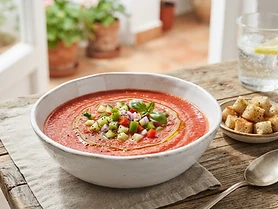
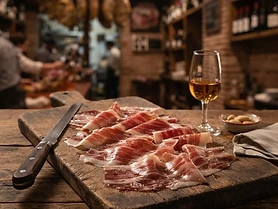
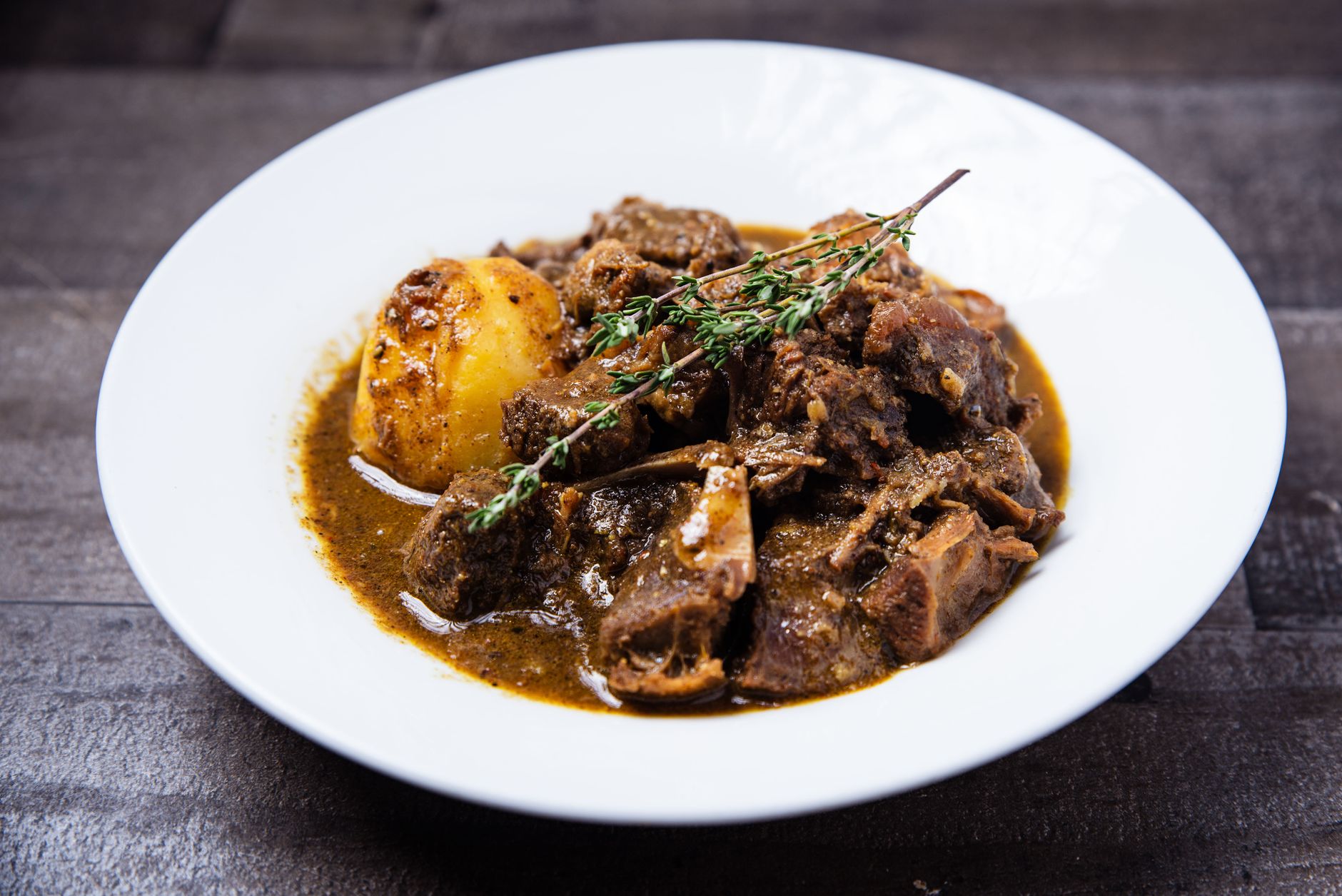
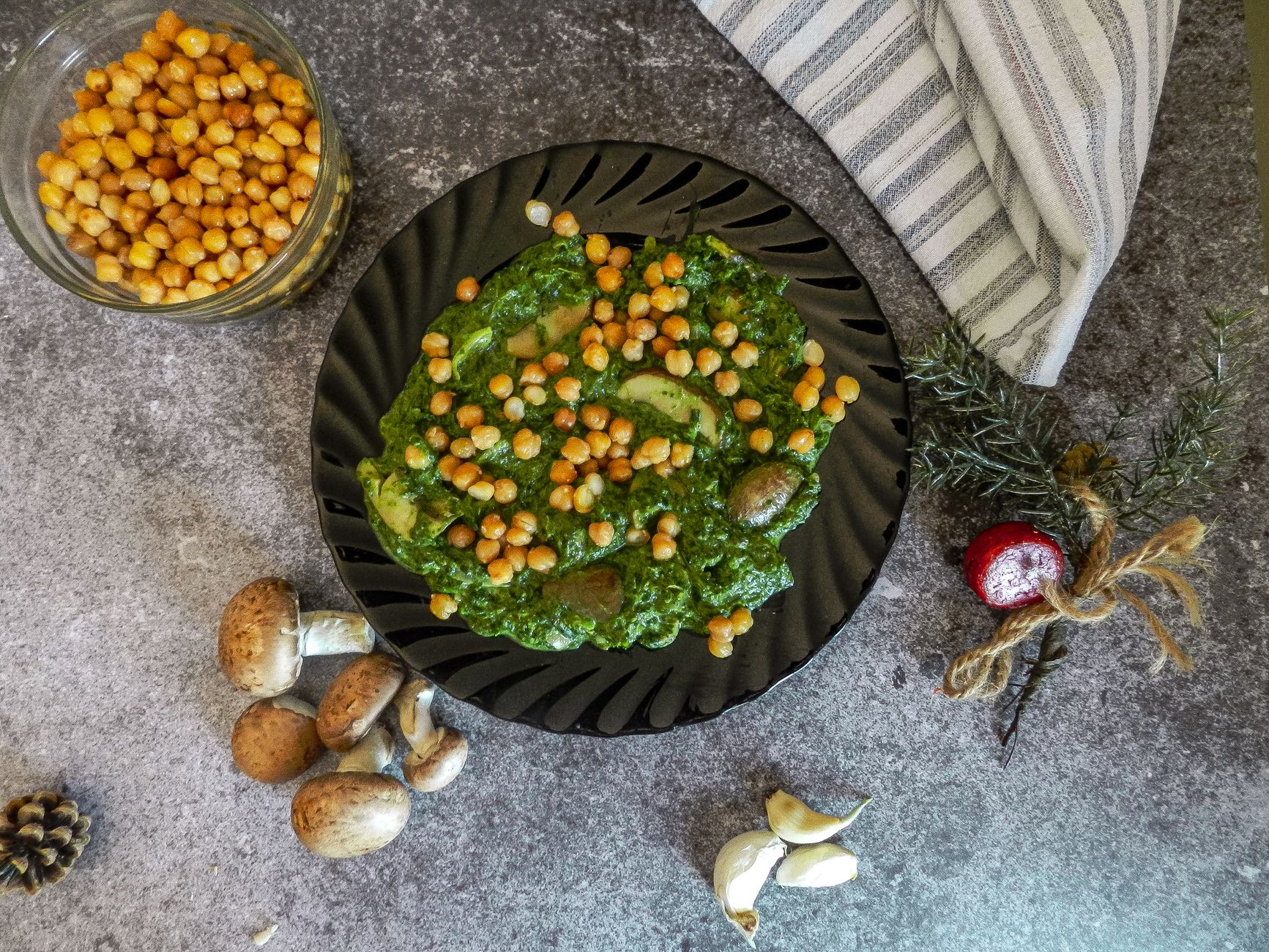
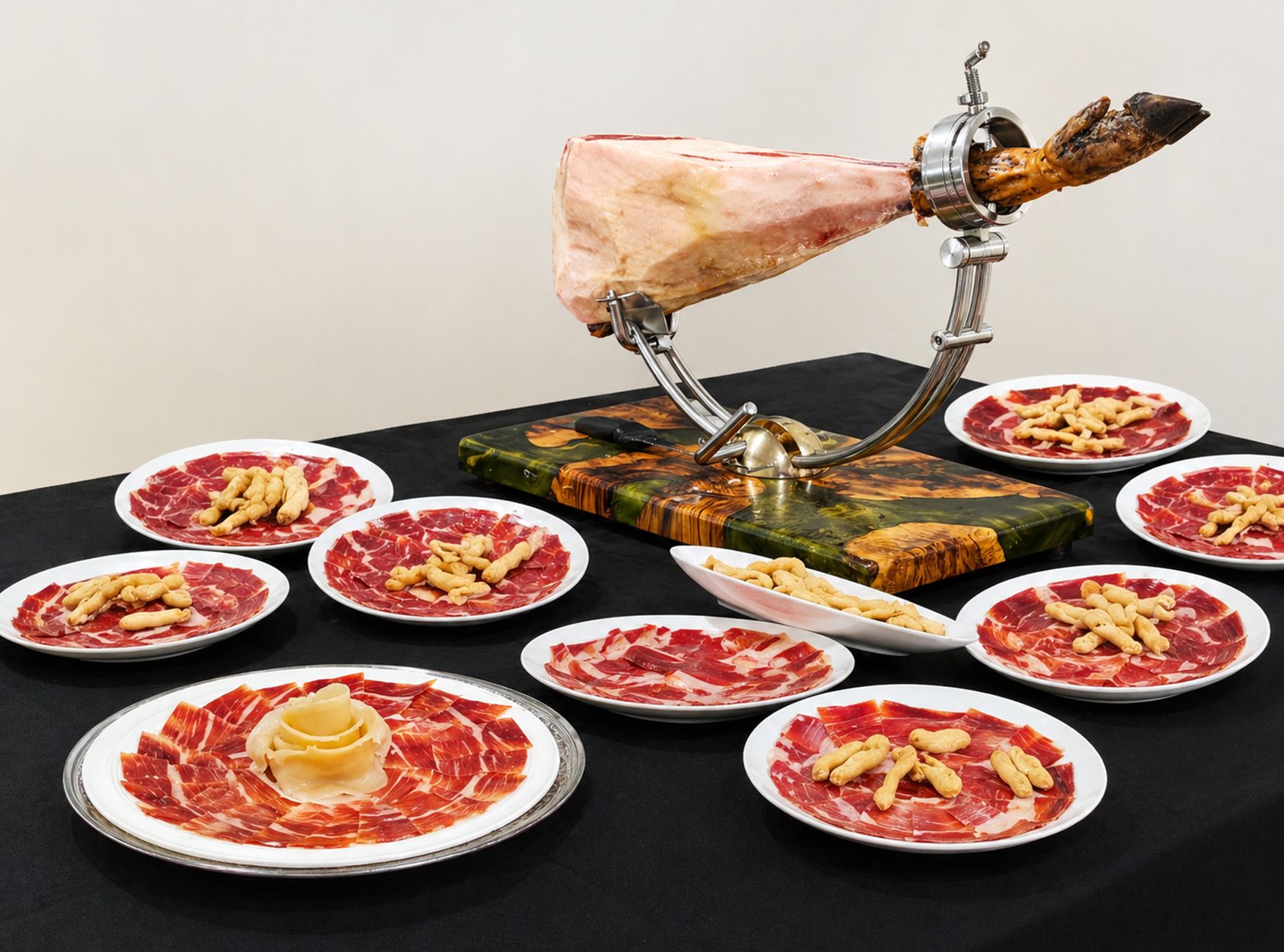
The culinary traditions of this province center on the bounty of the Guadalquivir basin and the nearby sierra. Order rabo de toro which is a rich stew made from bull tail simmered in red wine and vegetables. Gazpacho and salmorejo appear on every table as chilled soups made from tomatoes garlic and olive oil thickened with bread. Pair these with a glass of manzanilla a dry fino sherry from the coastal town of Sanlúcar de Barrameda. Finish the meal with pestiños deep-fried dough pastries glazed with honey or aniseed and cinnamon which derive from long-standing local traditions.
Andalusia: the whole region
The Spain most first-time visitors are picturing: the Alhambra, orange trees, sherry, and a coastline that runs from windsurfing water to resort sprawl. It is also the region people most often ruin by underestimating it. Seville and…
Minimum 5 days · better 8–10 days · deep 2 weeks
Pair It With
In Andalusia







In Andalusia


In Andalusia













Logistics are verified only. We don't publish schedules we haven't confirmed.
Appears In
Experiences worth booking ahead
Spain Field Guide may earn a commission when you book through selected links. Recommendations are editorial and independent of commission.
Ready to build Itálica into a trip?
You've found a place worth going. When you're ready to turn discovery into an itinerary, Travel Itinerary Co picks up where the Field Guide leaves off — with your saved places already in hand.
Build this into a tripContinues on Travel Itinerary Co
Spain Field Guide may earn a commission when you book through selected links. Recommendations are editorial and independent of commission.