Mezquita-Catedral de Córdoba
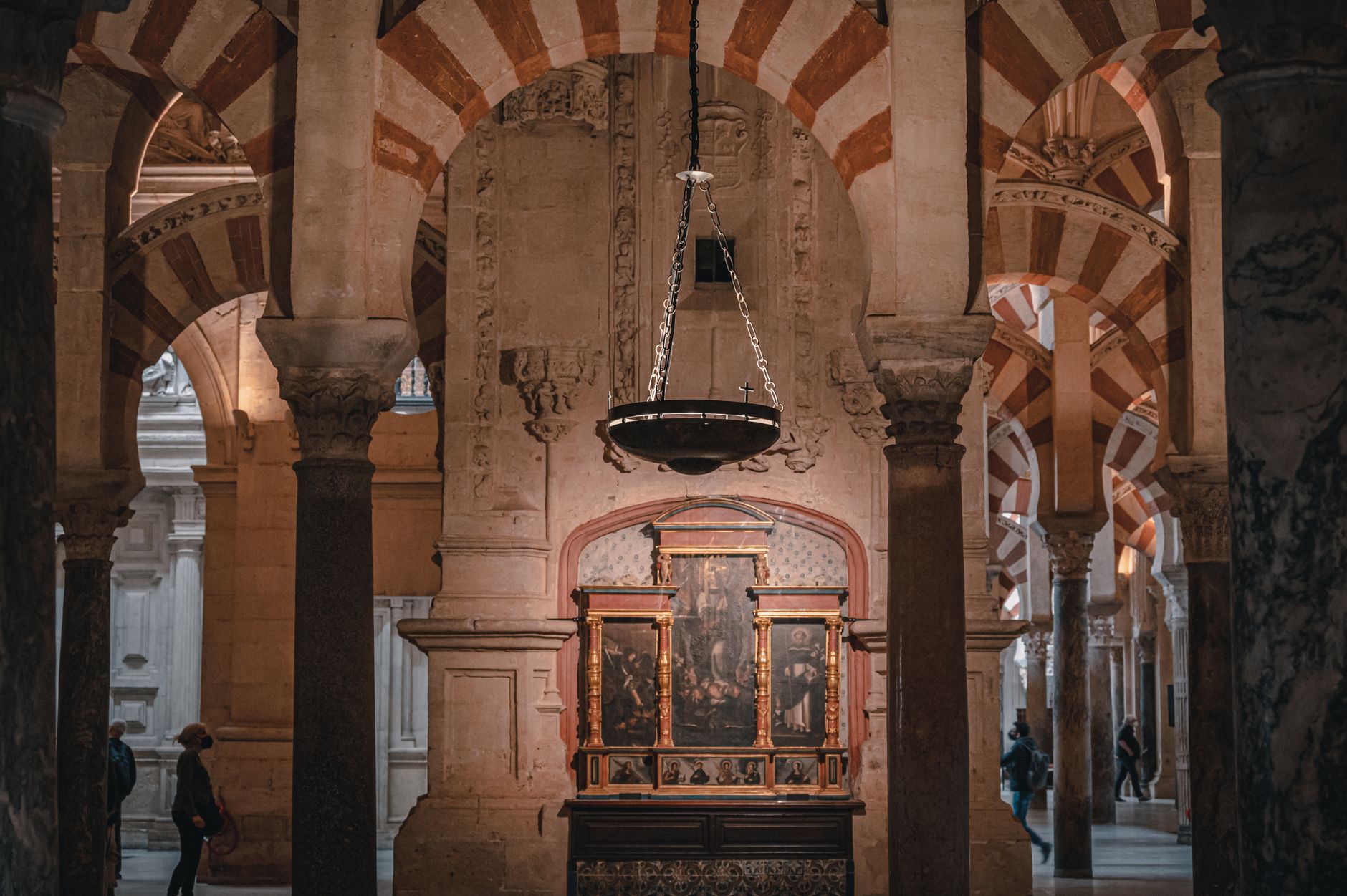
Worth routing through Córdoba for. Two hours inside is enough; the Judería and the patios make a half day.
A forest of red-and-white horseshoe arches — a mosque turned cathedral, and one of the most singular interiors in any building in Europe.
At a Glance
- — You're not stopping in Córdoba on an Andalusia loop
Arrive at opening time, before the Seville tour buses unload — the nave of nearly 900 columns and red-and-white striped arches is best seen half-empty, when the hush actually registers. The Christian cathedral built into the center of the former mosque is jarring up close: Baroque altarpieces sitting inside a structure built for a different faith entirely, centuries apart. Two hours covers the interior properly; add another for the bell tower climb if the queue is short. Outside, the Judería's lanes are packed with gift shops but still worth a wander for the flower-covered patios, especially during the May festival when private courtyards open to the public. This is the reason to route through Córdoba at all — treat it as a dedicated stop, not a photo on the way to Granada.
How it got here
Abd al-Rahman I ordered construction of the mosque in 785 on the site of the Visigothic church of Saint Vincent. The structure expanded through subsequent centuries under Caliphs such as Abd al-Rahman II, al-Hakam II, and Almanzor, defining the architectural language of the Caliphate of Córdoba. After the Christian conquest in 1236, the site underwent modifications, including the insertion of a Renaissance cathedral into the center of the prayer hall during the sixteenth century. This layering of disparate architectural styles creates the visual dissonance present today. The building survived centuries of political transitions, preserving the foundational Umayyad arches while housing the liturgical requirements of the Roman Catholic Church.
Where it sits
The city sits in the Guadalquivir valley, where low plains meet the southern slopes of the Sierra Morena. Summer heat defines the climate, forcing life into the shaded patios and narrow limestone streets of the Judería. The Guadalquivir river flows past the Roman bridge, providing a physical boundary to the historic center. Orange trees line the plazas, their scent heavy during spring. Tour groups circulate through the mosque throughout the year, but the surrounding streets empty significantly after sunset. Arrival usually involves the high speed train line, which connects the city to Madrid and Seville across the flat agricultural lands of Andalusia.
What to eat and drink
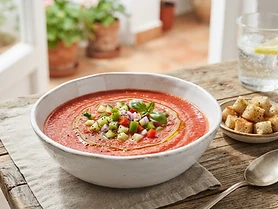
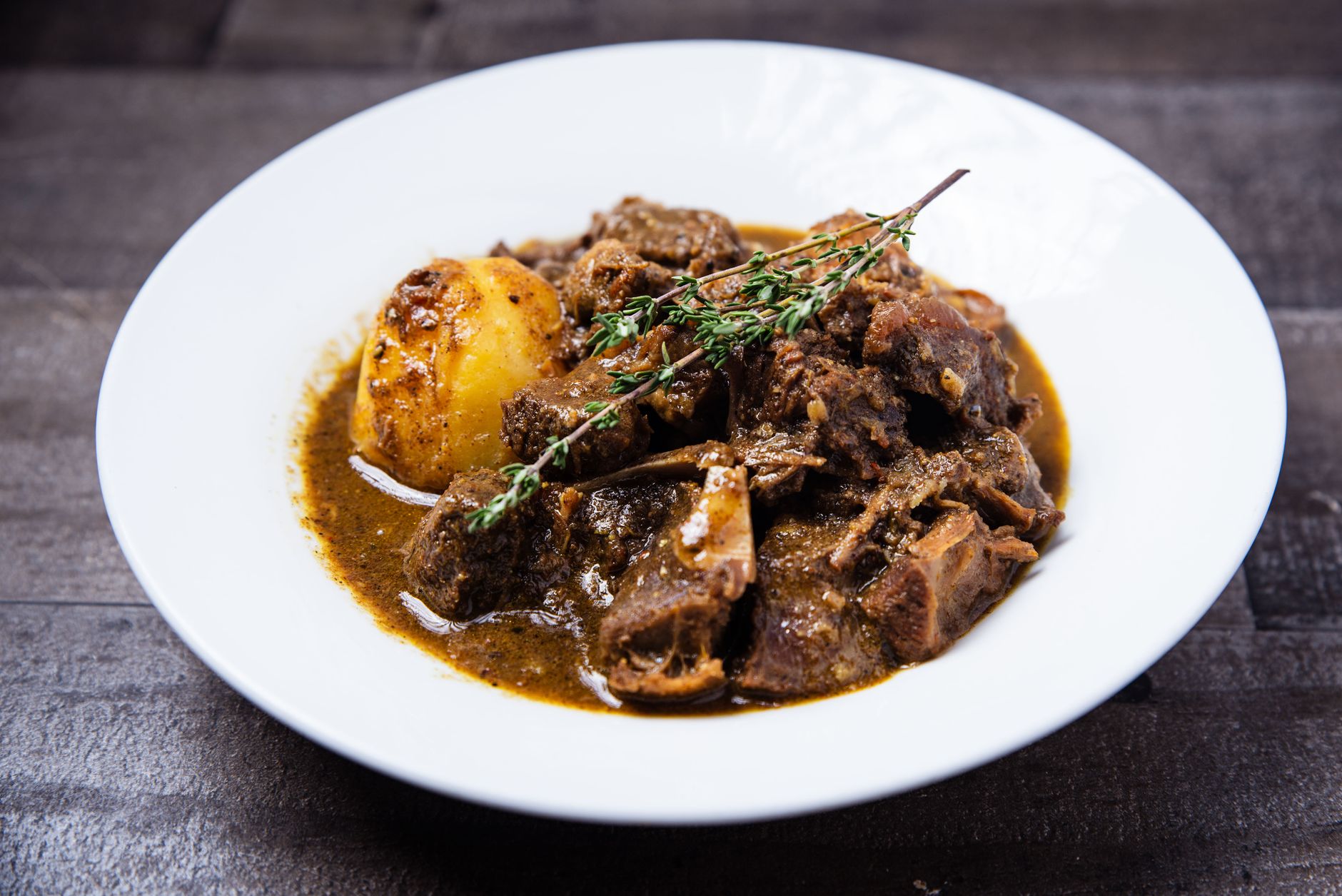
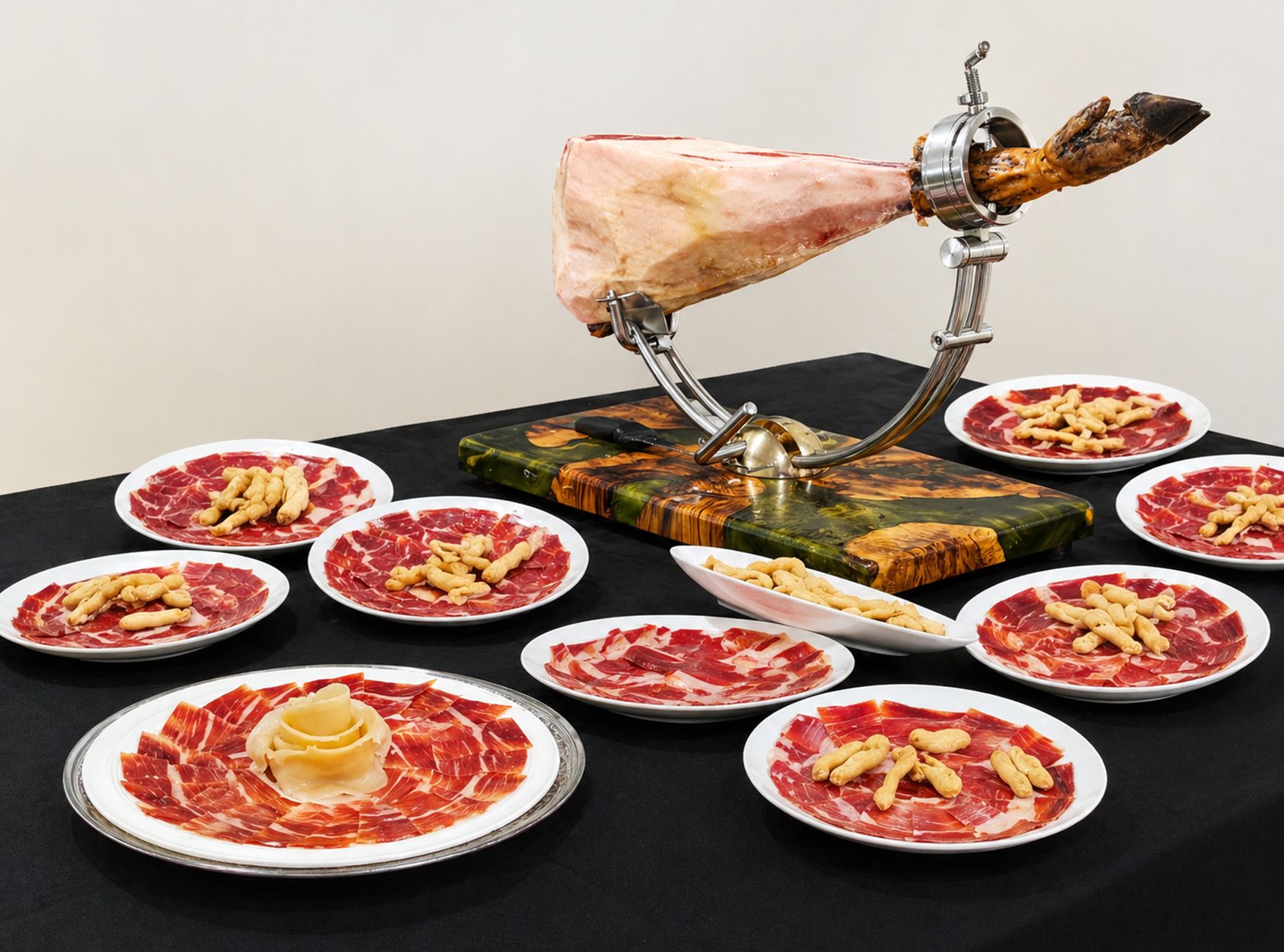
Salmorejo, a cold purée of tomatoes, bread, garlic, and olive oil topped with hard-boiled eggs and serrano ham, defines the local diet. Flamenquín consists of pork loin rolled with jamón serrano, breaded, and fried until crisp. The province produces significant quantities of olive oil, particularly from the mountains to the south. Montilla-Moriles, a pale, dry fortified wine produced from Pedro Ximénez grapes in the nearby countryside, accompanies these dishes. Pastries such as pastel cordobés, a disk of puff pastry filled with citron preserve and dusted with cinnamon, end the meal alongside a glass of local sweet wine.
Andalusia: the whole region
The Spain most first-time visitors are picturing: the Alhambra, orange trees, sherry, and a coastline that runs from windsurfing water to resort sprawl. It is also the region people most often ruin by underestimating it. Seville and…
Minimum 5 days · better 8–10 days · deep 2 weeks

Pair It With


In Andalusia








In Andalusia


In Andalusia













Linked from elsewhere
Entries that name this place in their own nearby lists.
Logistics are verified only. We don't publish schedules we haven't confirmed.
Appears In
Experiences worth booking ahead
Spain Field Guide may earn a commission when you book through selected links. Recommendations are editorial and independent of commission.
Ready to build Mezquita-Catedral de Córdoba into a trip?
You've found a place worth going. When you're ready to turn discovery into an itinerary, Travel Itinerary Co picks up where the Field Guide leaves off — with your saved places already in hand.
Build this into a tripContinues on Travel Itinerary Co
Spain Field Guide may earn a commission when you book through selected links. Recommendations are editorial and independent of commission.