Romería de El Rocío

Not for everyone — it's huge, dusty, and devotional. But if you want to see Andalusia at its most authentic and least touristy, nothing else compares.
To see one of Europe's largest, most distinctive pilgrimages, and a corner of Andalusia most travelers miss.
At a Glance
- — You want comfort or crowds under control
- — You're not there for Pentecost weekend
- — You have no transport into the Doñana edge
Most tourists never hear about this pilgrimage, which is exactly its appeal: roughly a million people converge on the small village of El Rocío, in the Doñana marshes of Huelva, over the Pentecost weekend, many arriving on horseback or in ox-drawn covered wagons after days on the road. Brotherhoods travel from across Andalusia on fixed historic routes, camping along the way, building toward the early hours of Pentecost Monday, when the Virgin of El Rocío is carried out of her church and crowds surge to touch her. Expect dust, heat, and no infrastructure built for outsiders — this isn't curated for visitors. You'll need your own car to reach the Doñana edge; public transit doesn't cover it, and lodging in the village itself is minimal to nonexistent outside the festival.
How it got here
The devotion to the Virgin of El Rocío grew from a fourteenth-century legend of a hunter who found an icon hidden in a hollow tree within the marshes. The village grew as a site of collective pilgrimage, shifting from a local hermitage to the center of a massive movement of brotherhoods that traverse the provinces of Seville, Cádiz, and Huelva. These groups follow routes defined by tradition, carrying the aesthetic of the colonial era into the present day. The pilgrimage preserves archaic social structures and ecclesiastical traditions that predate modern transport, turning the village into a temporary stage for the manifestation of centuries of rural Andalusian faith.
Where it sits
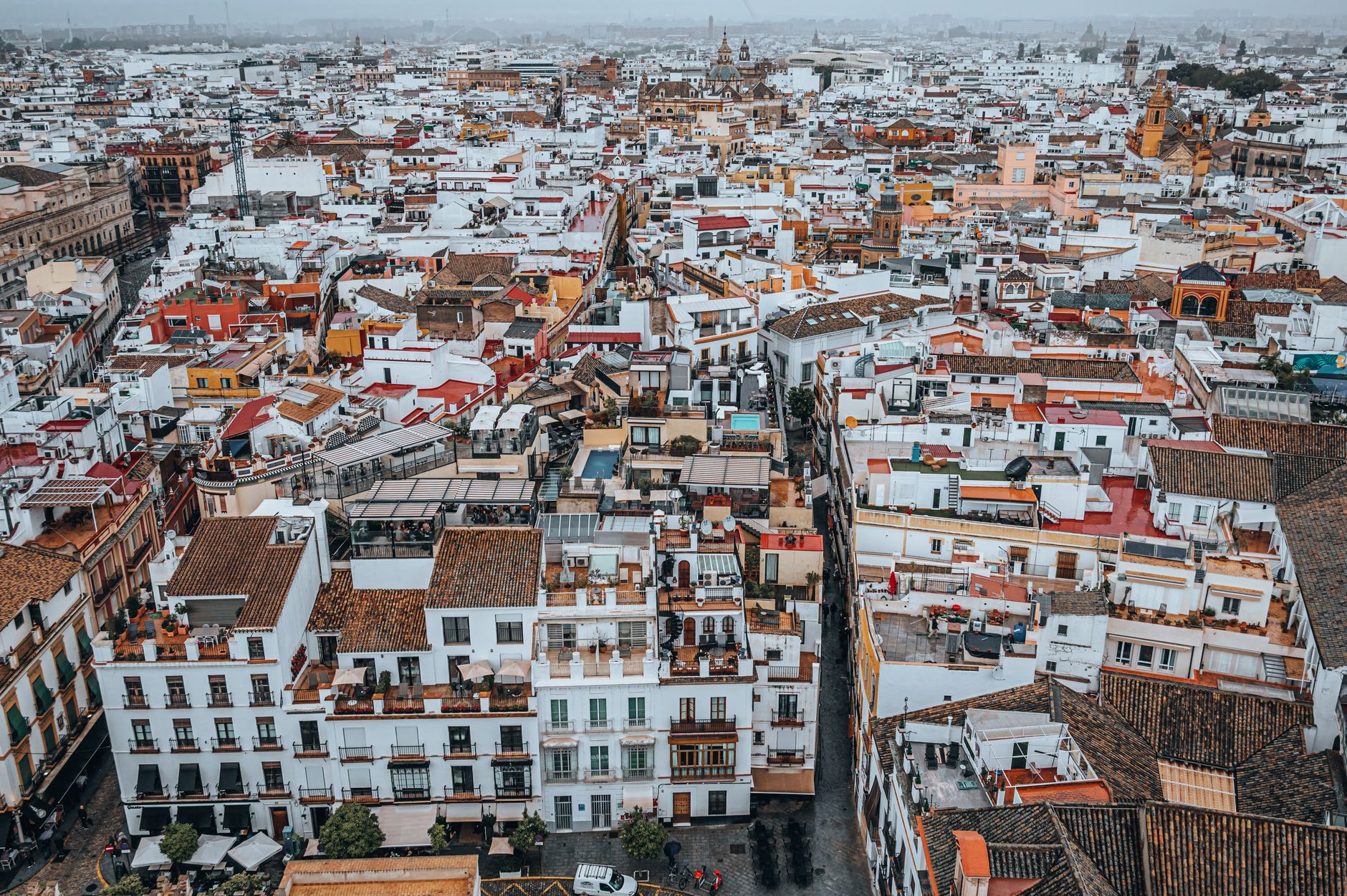
The village sits at the edge of the Doñana National Park, where the hard, flat ground of the marsh gives way to shifting sand and scrubland. The terrain changes little under the glare of the southern sun, though winter rains turn the tracks into thick, impassable mud. During the weeks of the pilgrimage, the white buildings of the village frame a central square that fills with dust, horses, and wagons. Travel depends entirely on private vehicles, as public transit stops well outside the dunes, leaving the traveler to navigate the heat and the movement of the massive crowds alone.
What to eat and drink
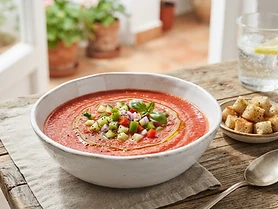
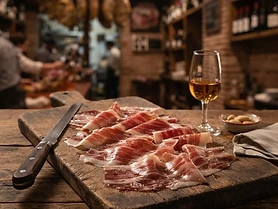
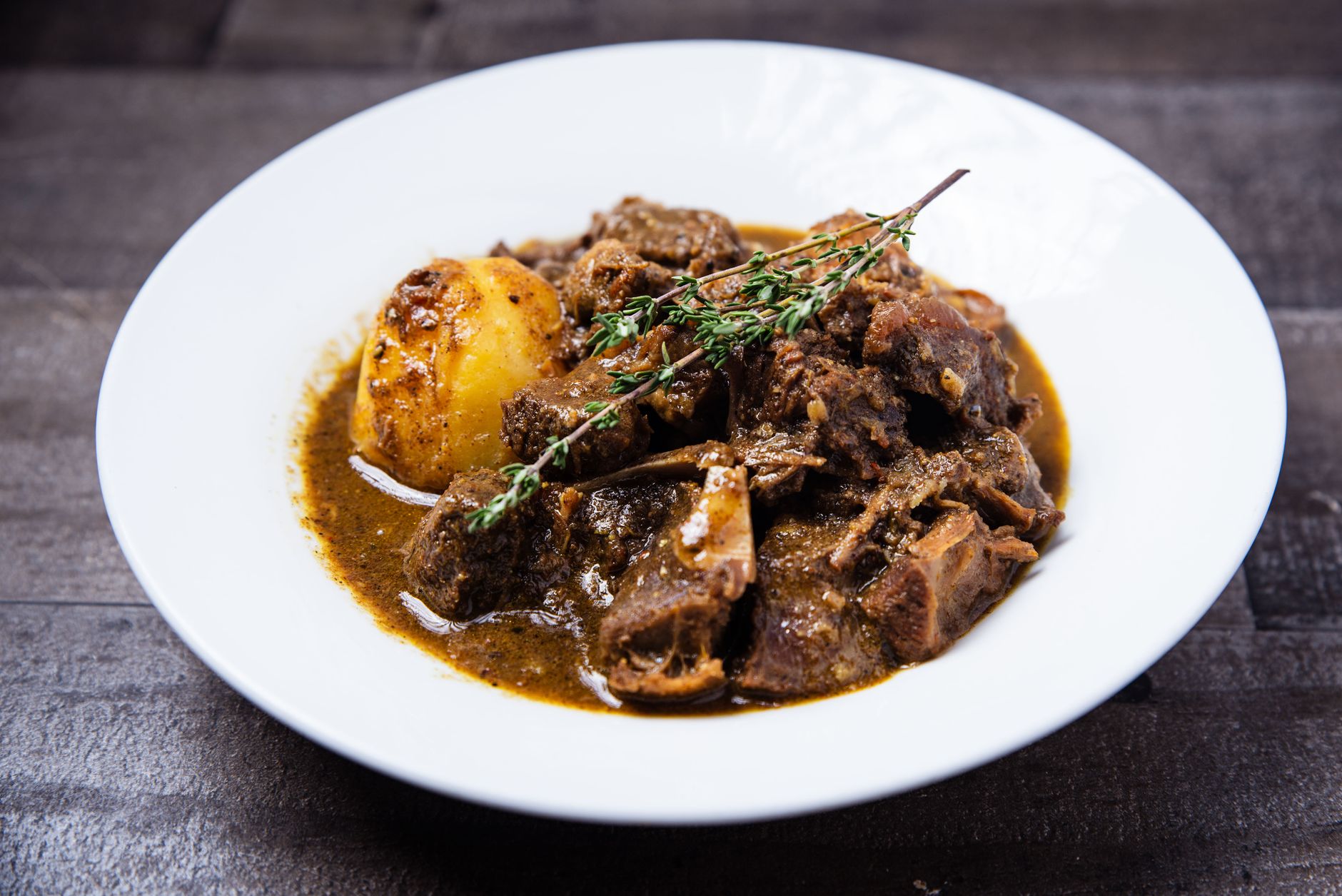
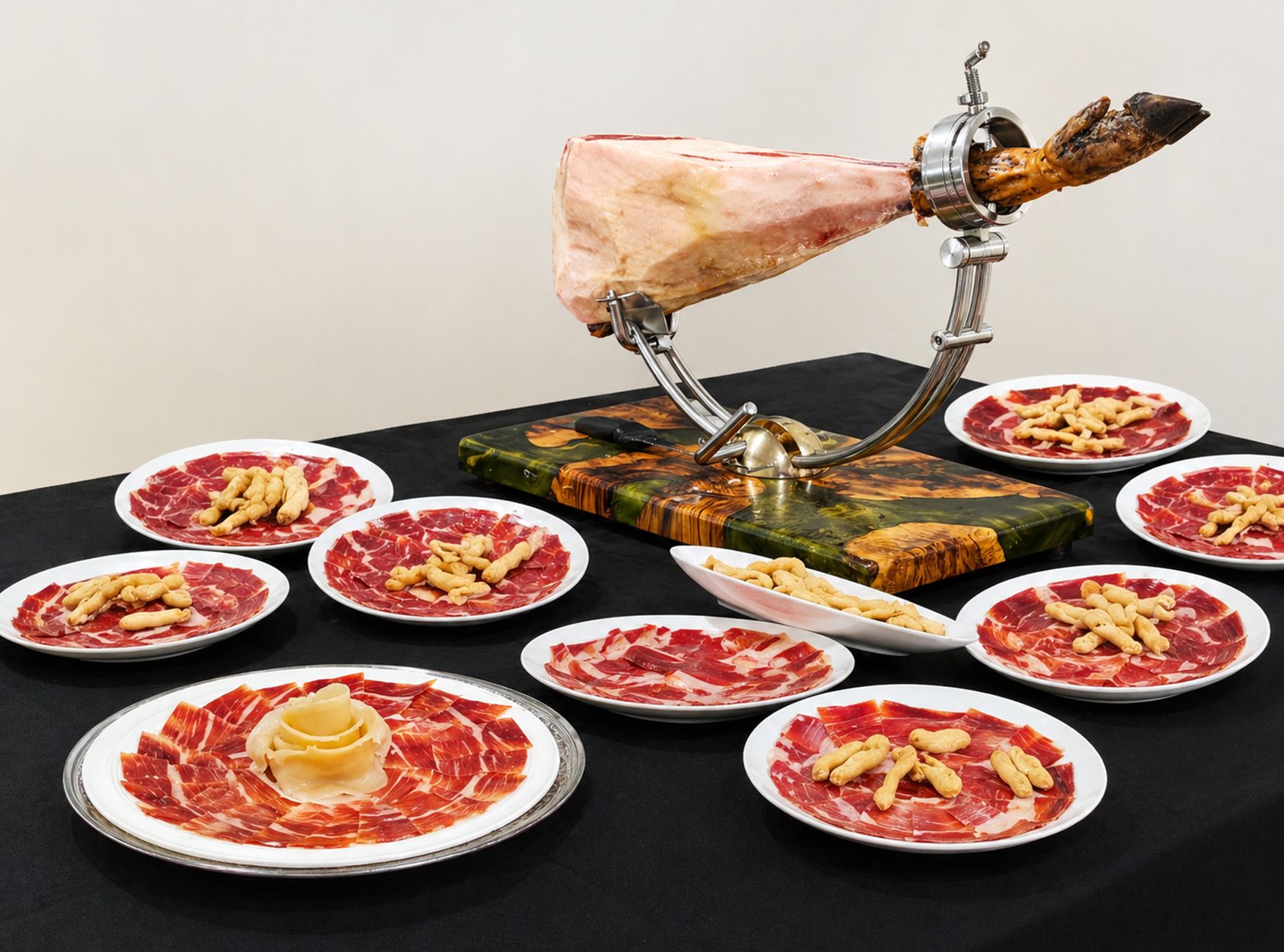
The cuisine draws from the resources of the Huelva coastline and the inland farms. Gambas blancas, pale shrimp caught in the nearby Atlantic, appear on tables alongside choco, cuttlefish prepared in its own ink. Jamón de bellota, cured ham from pigs finished on acorns in the sierra, serves as the staple protein. These dishes pair with the light, dry fino sherries produced in the coastal bodegas of the province. During the pilgrimage, the diet shifts to basic, durable rations like gazpacho, a cold soup of crushed tomatoes, peppers, and garlic, designed to provide hydration and energy in the high heat.
Andalusia: the whole region
The Spain most first-time visitors are picturing: the Alhambra, orange trees, sherry, and a coastline that runs from windsurfing water to resort sprawl. It is also the region people most often ruin by underestimating it. Seville and…
Minimum 5 days · better 8–10 days · deep 2 weeks
In Andalusia







In Andalusia


In Andalusia














Ready to build Romería de El Rocío into a trip?
You've found a place worth going. When you're ready to turn discovery into an itinerary, Travel Itinerary Co picks up where the Field Guide leaves off — with your saved places already in hand.
Build this into a tripContinues on Travel Itinerary Co
Spain Field Guide may earn a commission when you book through selected links. Recommendations are editorial and independent of commission.