Málaga & Sierras de Málaga

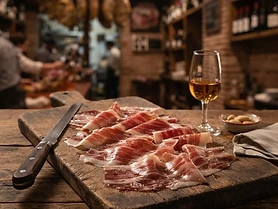
Taste at Bodegas Bentomiz or Dimobe. The Moscatel de Axarquía is the soul. Pair with the Málaga old town; a half-day is plenty.
Spain's historic sweet-wine DO — Pedro Ximénez and Moscatel dessert wines from the Axarquía hills, the fortified-wine tradition that pre-dates sherry. Málaga sweet wine was the drink of 18th-century Europe.
At a Glance
- — You don't drink sweet wines
Before sherry dominated Spain's fortified-wine reputation, Málaga's sweet wines were what 18th-century European courts actually drank, made from Pedro Ximénez and Moscatel grapes grown on the steep, terraced slopes of the Axarquía hills behind the coast. The vineyards are too vertical for machines, so harvests are still done by hand, and the resulting wines carry a raisined concentration you don't get from flatland vineyards. Bodegas Bentomiz and Dimobe are the names worth seeking out if you want to taste rather than read a plaque — the Moscatel de Axarquía is the version to prioritize. This is a half-day detour, not a full trip: taste, then walk the old town in Málaga city and call it done. Skip entirely if sweet wine isn't your thing.
How it got here
Phoenicians brought the first vines to this coast during their settlement of the Mediterranean. Centuries later the wine trade defined the city port as merchants from the northern European courts sought the sweet output of the inland hills. These vineyards thrived for generations under the distinctive viticulture of the Axarquía where slopes forced traditional methods to persist. The industry eventually faltered as phylloxera and changing tastes diminished the prominence of the fortified wines. Today the endurance of these ancient varieties on the vertical terrain provides a link to the trade routes that once connected these Andalusian ports to the wider world.
Where it sits
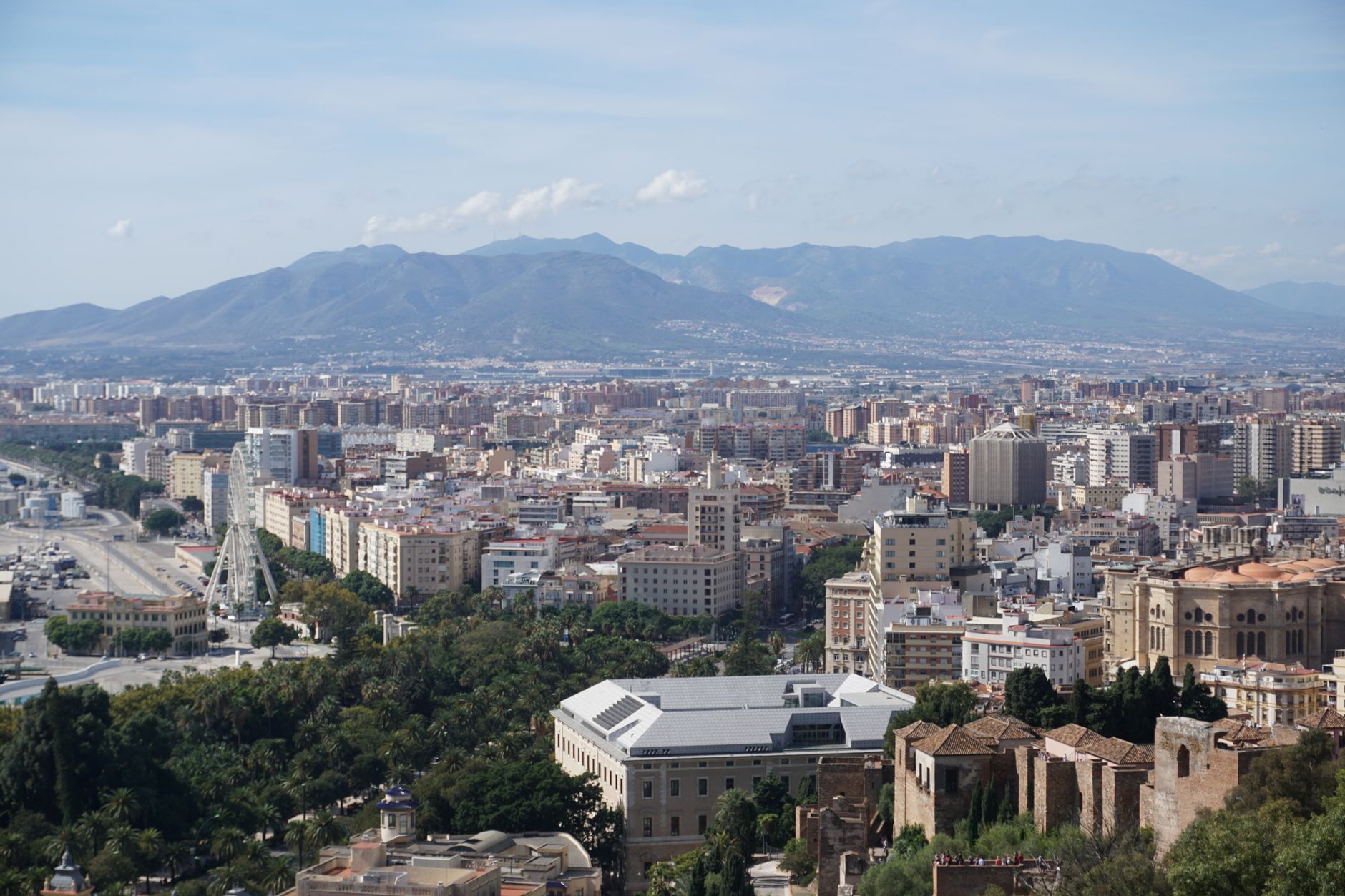
The Axarquía rises sharply from the sea into a jagged landscape of fractured limestone and slate. Deep ravines divide the terrain while thin, arid soils cover the terraced inclines. In the summer heat, the humidity of the coast gives way to the desiccated air of the interior. Roads here are narrow, winding, and demanding for drivers. In the winter, the higher ridges catch the occasional rainfall, but the hills mostly stay dry under a harsh sun. The bustle of the port city contrasts with the quiet, isolated tracks that run through the distant, terraced slopes.
What to eat and drink
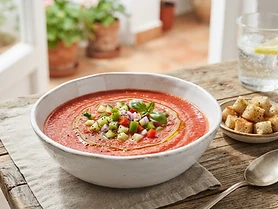
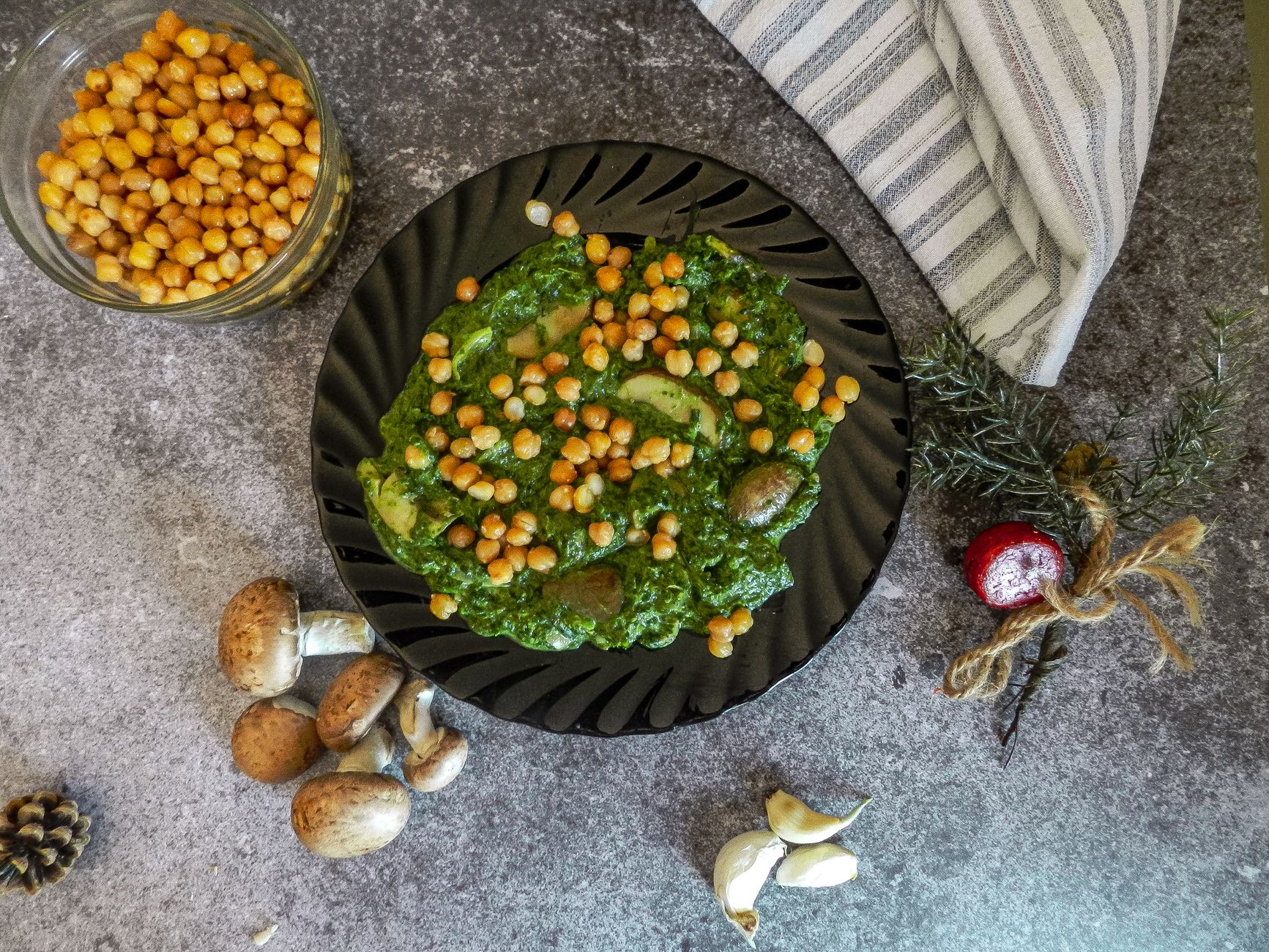
Ajo blanco, a cold soup made of almonds, bread, garlic, olive oil, and grapes, provides a common local start to a meal. The primary output remains the sweet wine produced from sun-dried Moscatel and Pedro Ximénez grapes. These grapes often sit on straw mats to concentrate their sugar before pressing. The resulting wine carries a heavy, raisin-like profile. Travelers also find the local variety of pasas, dried grapes from the same mountain vines, served as a standard accompaniment to the sweet wines. These products define the traditional palate of the hills.
Andalusia: the whole region
The Spain most first-time visitors are picturing: the Alhambra, orange trees, sherry, and a coastline that runs from windsurfing water to resort sprawl. It is also the region people most often ruin by underestimating it. Seville and…
Minimum 5 days · better 8–10 days · deep 2 weeks

Pair It With


In Andalusia







In Andalusia


In Andalusia
















Logistics are verified only. We don't publish schedules we haven't confirmed.
Ready to build Málaga & Sierras de Málaga into a trip?
You've found a place worth going. When you're ready to turn discovery into an itinerary, Travel Itinerary Co picks up where the Field Guide leaves off — with your saved places already in hand.
Build this into a tripContinues on Travel Itinerary Co
Spain Field Guide may earn a commission when you book through selected links. Recommendations are editorial and independent of commission.