Gazpacho
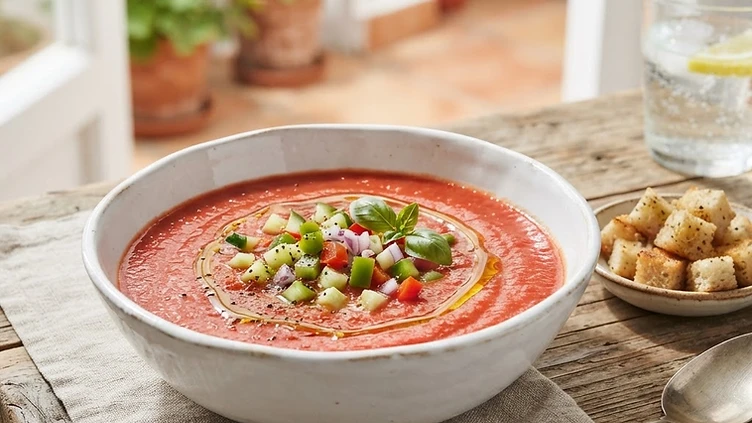
Eat it in Seville or Córdoba in summer, when it's 38°C and nothing else makes sense. The good version tastes of the vegetables, not the fridge.
Andalusia's cold tomato-pepper-cucumber-garlic soup, blended smooth with olive oil and sherry vinegar. The original summer refresher.
At a Glance
- — You don't eat cold soup
Order this in Seville or Córdoba in July or August, when it's 38°C and nothing else on the menu makes sense — context matters more with this dish than most. Blended from ripe tomatoes, cucumber, green pepper, garlic, and good olive oil, finished with a dash of sherry vinegar, a well-made version tastes distinctly of its vegetables rather than diluted or over-chilled. Cheaper versions lean on vinegar and water to stretch it; better ones are thick enough to coat a spoon. It's a starter, not a meal, usually served in a small glass or bowl alongside bread. Skip it in winter — restaurants still serve it, but it's clearly an afterthought then.
How it got here
Peasant kitchens in the Guadalquivir valley evolved this soup from the Roman legacy of bread and olive oil crushed with garlic. Before the arrival of American nightshades, the recipe relied on these basic pantry staples. The integration of tomatoes and peppers transformed the bowl into the version recognized today as a seasonal necessity. It reflects the agricultural cycle of the Andalusian plains where laboring in the heat required efficient hydration and calories. Today the dish serves as a culinary marker of the southern summer, connecting contemporary diners to the austere, functional diets of field workers who prepared these ingredients in a mortero long before industrial blenders arrived.
Where it sits
Andalusia stretches across high plains and river basins where the summer sun burns off moisture by midday. Travelers encounter dry, expansive landscapes of olive groves and wheat fields that brown early in the season. The heat dictates the rhythm of the day, forcing activity into the morning and late evening hours. During July and August, the air turns heavy and still across the interior. Village life slows to a crawl while shutters close against the glare. The terrain demands constant cooling, making the cold, vinegar-sharp soup a logical response to the environment rather than a mere menu novelty.
What to eat and drink
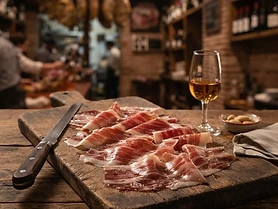
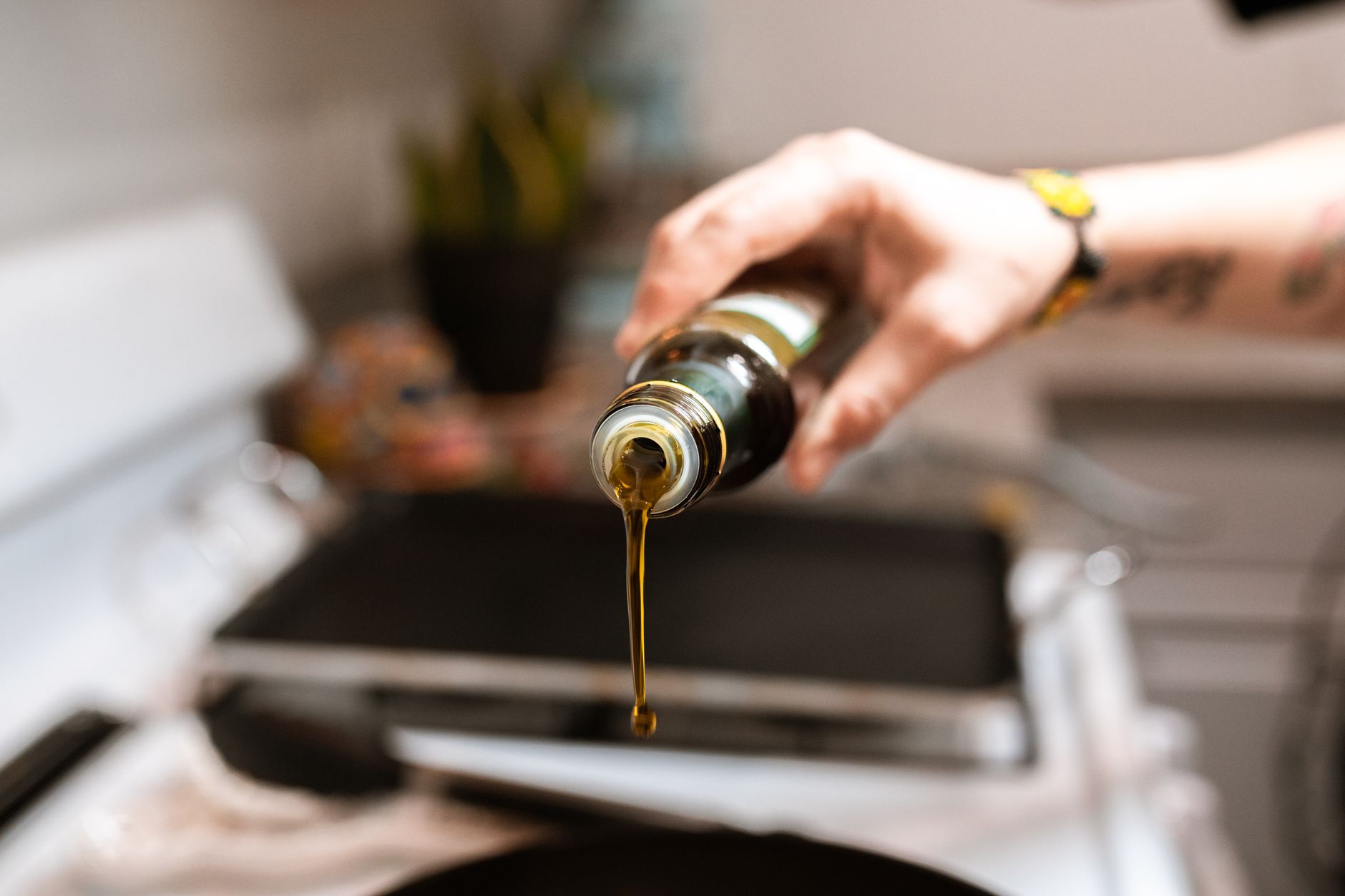
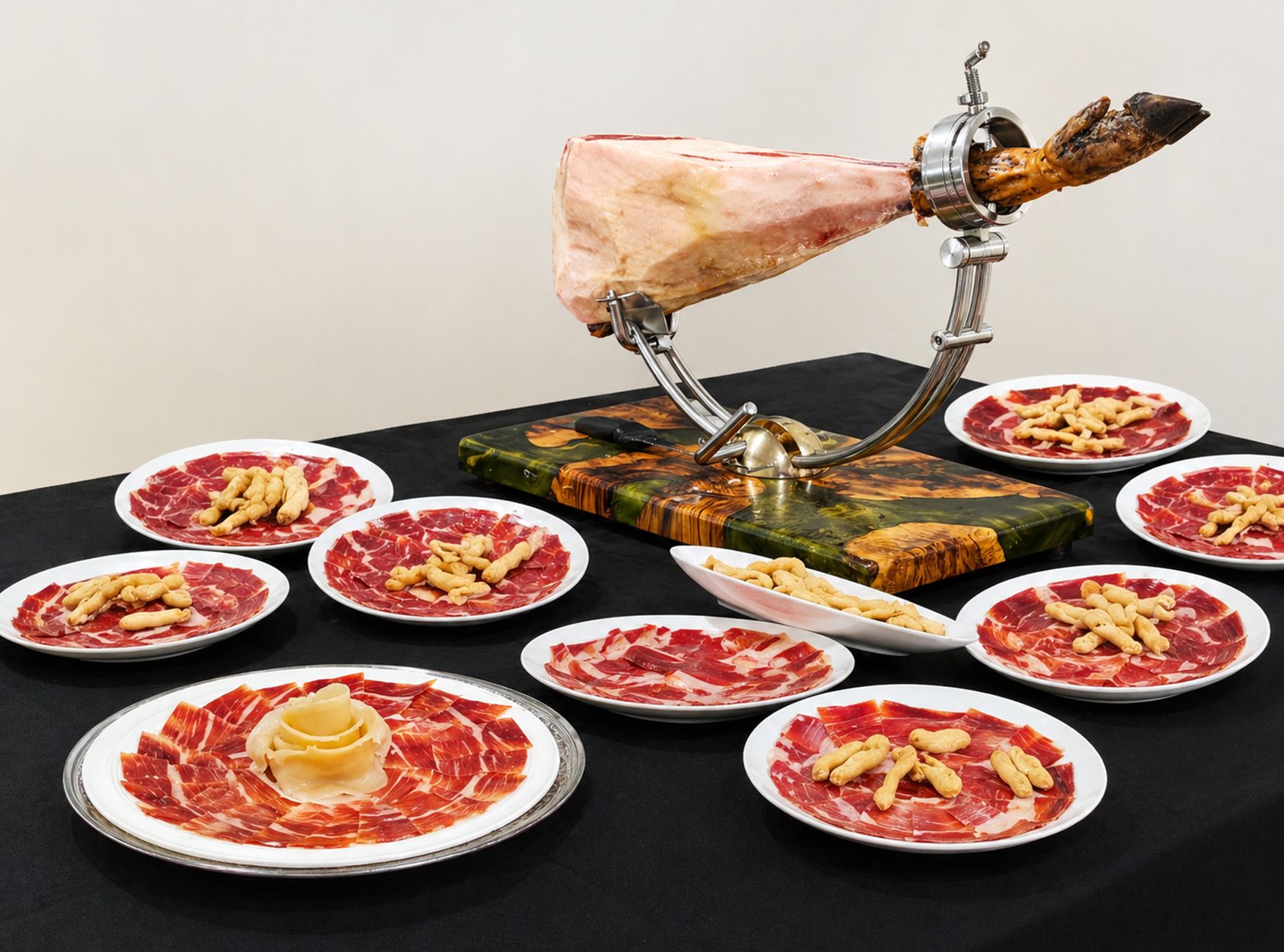
A proper bowl relies on the quality of the regional olive oil, which provides the body and richness for the raw vegetables. When the summer harvest peaks, cooks use vine-ripened tomatoes and green peppers to define the flavor. Locals accompany this with slices of crusty bread to balance the acidity of the sherry vinegar. Beyond this soup, the kitchen highlights the product of the mountain pastures. Jamón ibérico, cured in the cool air of the nearby sierras, provides the salt required to cut the heat. Manzanilla sherry, served chilled, cleans the palate after the richness of the oil.
Andalusia: the whole region
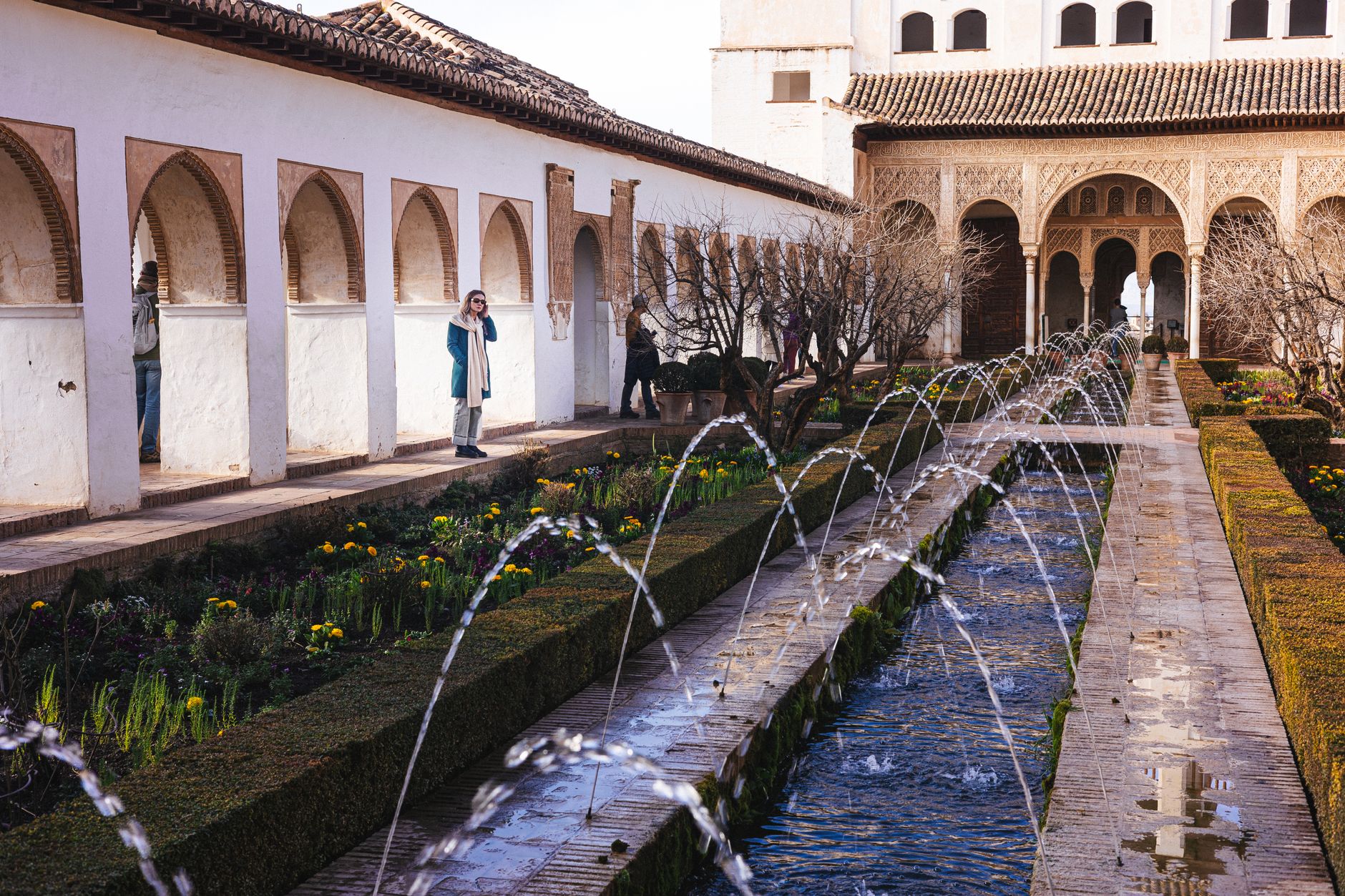
The Spain most first-time visitors are picturing: the Alhambra, orange trees, sherry, and a coastline that runs from windsurfing water to resort sprawl. It is also the region people most often ruin by underestimating it. Seville and…
Minimum 5 days · better 8–10 days · deep 2 weeks

Pair It With


In Andalusia





In Andalusia


In Andalusia























Linked from elsewhere
Entries that name this place in their own nearby lists.
Logistics are verified only. We don't publish schedules we haven't confirmed.
Appears In
Ready to build Gazpacho into a trip?
You've found a place worth going. When you're ready to turn discovery into an itinerary, Travel Itinerary Co picks up where the Field Guide leaves off — with your saved places already in hand.
Build this into a tripContinues on Travel Itinerary Co
Spain Field Guide may earn a commission when you book through selected links. Recommendations are editorial and independent of commission.