Semana Santa de Sevilla

One of the great European cultural experiences, but it requires you to commit to it — Seville books up a year ahead, and the city stops for the week. Go only if you're ready to plan.
To see a city put its whole identity on the street for a week, in silence and candlelight.
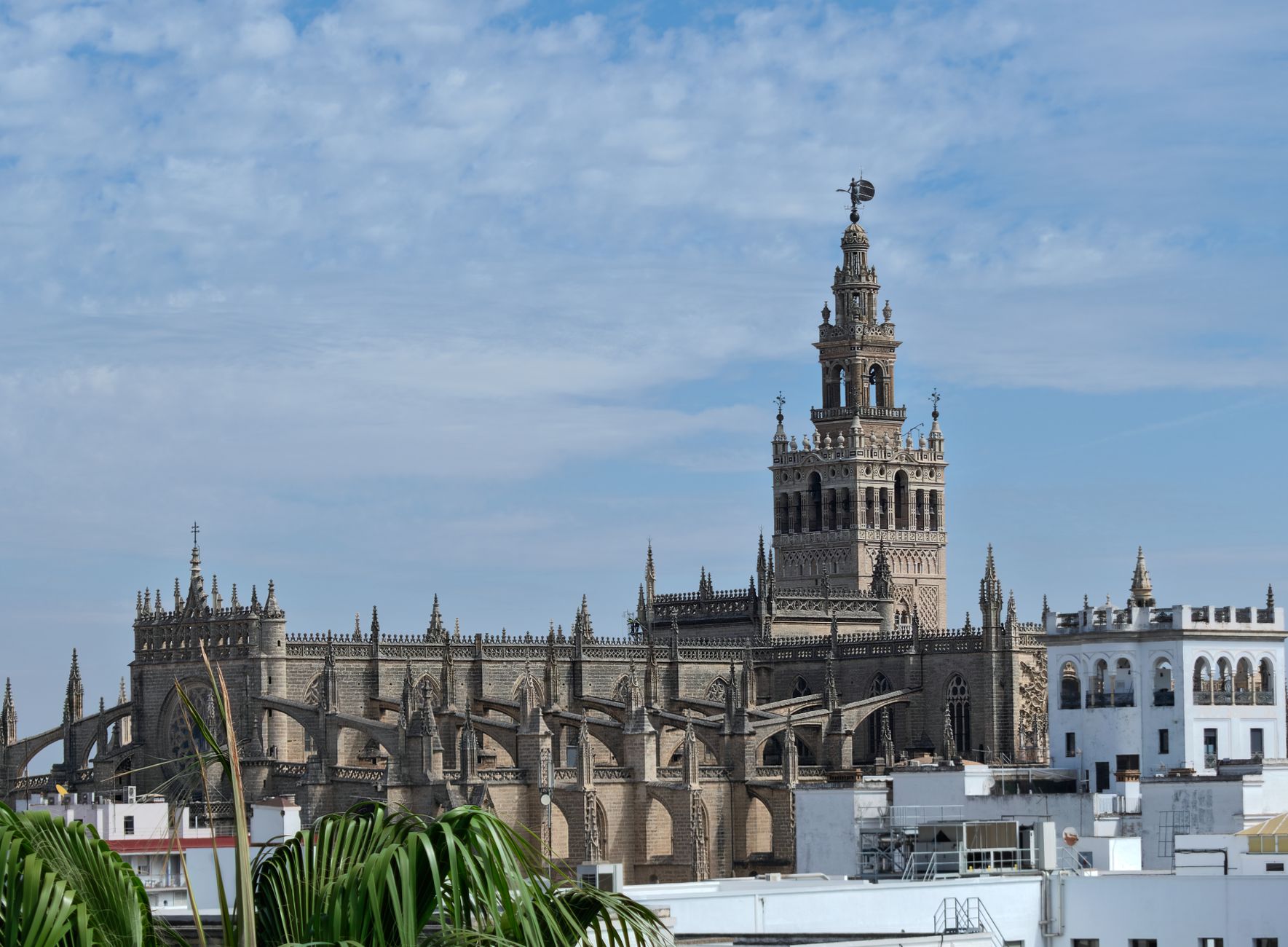
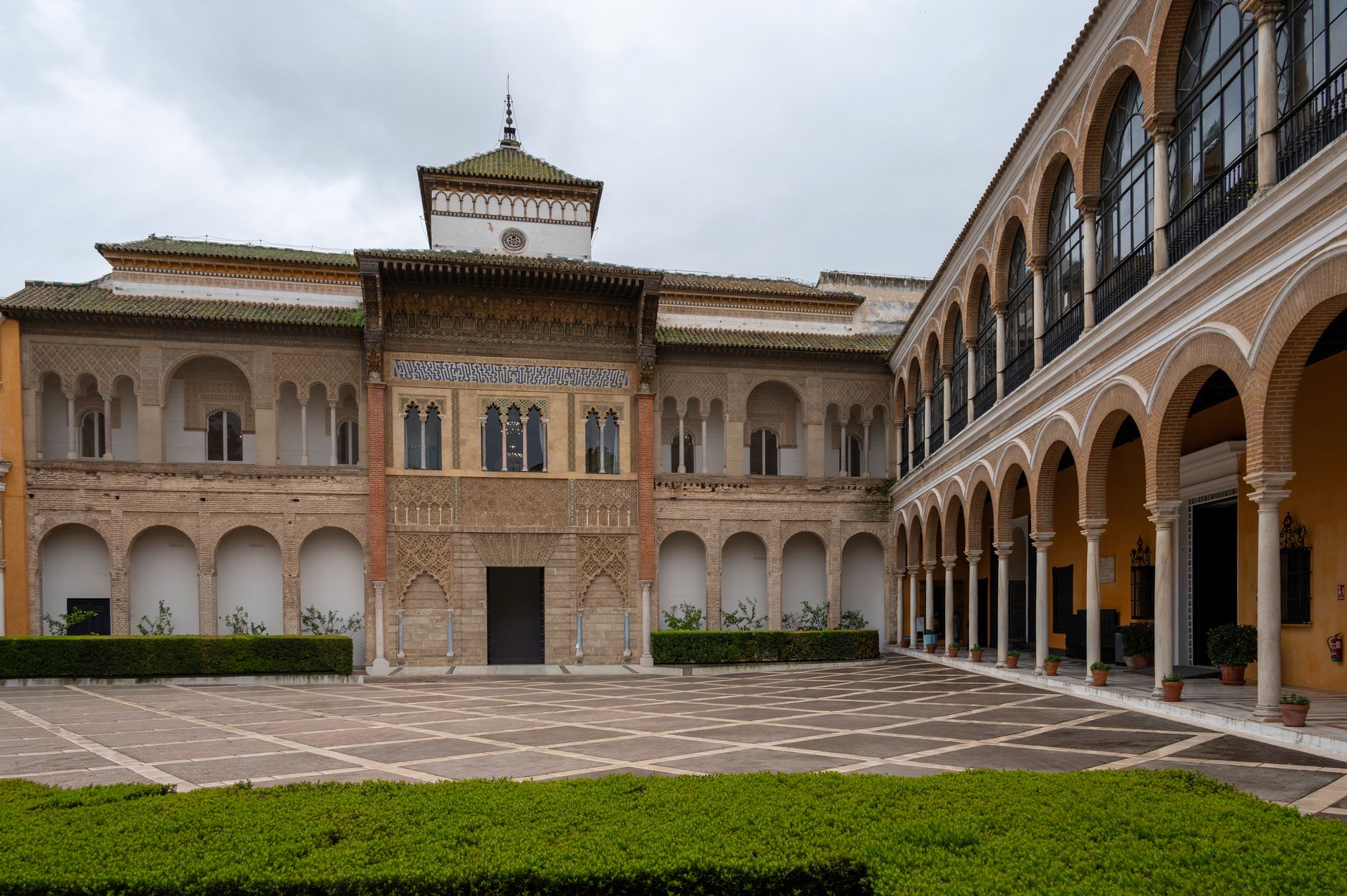
Seville Cathedral & La Giralda · Alcázar de Sevilla · Feria de Abril de Sevilla
At a Glance
- — You want a light, easy trip
- — You can't book months ahead
- — You're sensitive to crowds and late nights
Plan this a year ahead or skip it: hotels in the historic center sell out for Holy Week by autumn, and the city reroutes itself entirely around the processions from Palm Sunday through Easter morning. Each night, brotherhoods carry centuries-old pasos — carved Passion scenes, a grieving Virgin — through the streets on the shoulders of hidden costaleros, moving at walking pace toward the cathedral and back along fixed routes that take hours to complete. The Madrugada, running from Maundy Thursday night into Good Friday morning, is the peak: processions continue until dawn, saetas get sung unscripted from balconies, and crowds thicken to a crawl near the cathedral and Calle Sierpes. This isn't a festival to drop into casually — it rewards people willing to stand for hours in silence and crowds, and will frustrate anyone hoping for a light, flexible trip.
How it got here
The brotherhoods emerged in the sixteenth century as institutions dedicated to public penance and charity. These lay organizations formalized processions to mirror the final days of Christ, a practice encouraged by the Counter Reformation to reinforce Catholic doctrine through visual storytelling. The routes and customs solidified over centuries of institutional continuity within the ecclesiastical life of Seville. Today the rigid adherence to these historic paths dictates the flow of the city during the week. Brotherhoods maintain strict hierarchies and distinct identities, and the endurance of their rituals continues to define the social calendar of the city.
Where it sits
The Guadalquivir river cuts through the plains of the Andalusian lowlands, creating a landscape of intense heat in summer and mild, damp winters. Seville sits in this flat basin, where the streets of the old town narrow to restrict the sun. During spring, the city experiences shifts in light and temperature that define the atmosphere of the processions. The geography of the historic center forces crowds into tight spaces, creating a density that prevents movement. Accessing the interior of the city requires traversing bridges and plazas that connect the modern periphery to the walled nucleus of the ancient port.
What to eat and drink
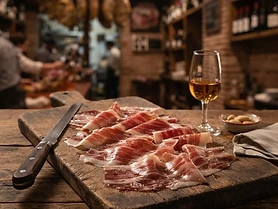
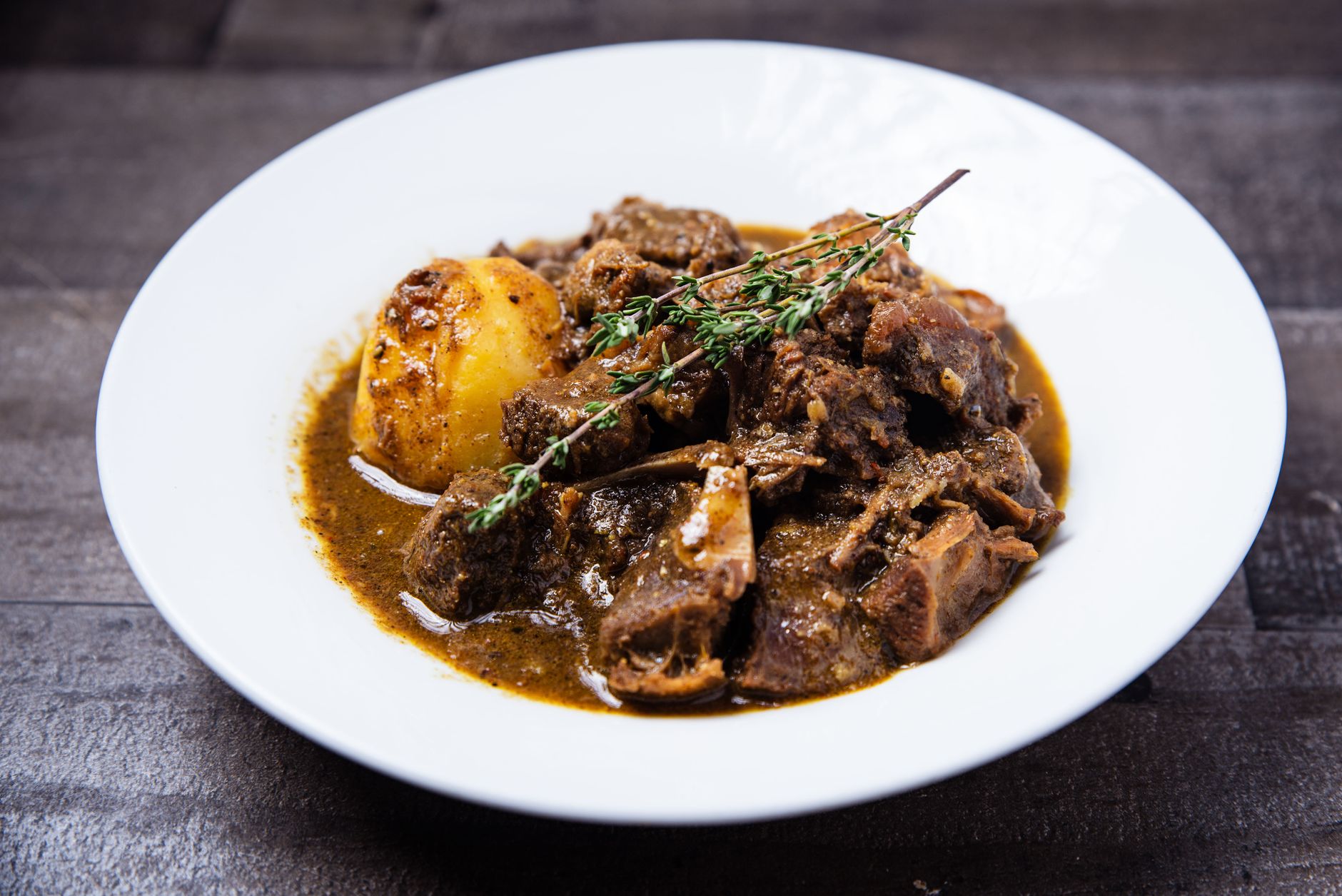
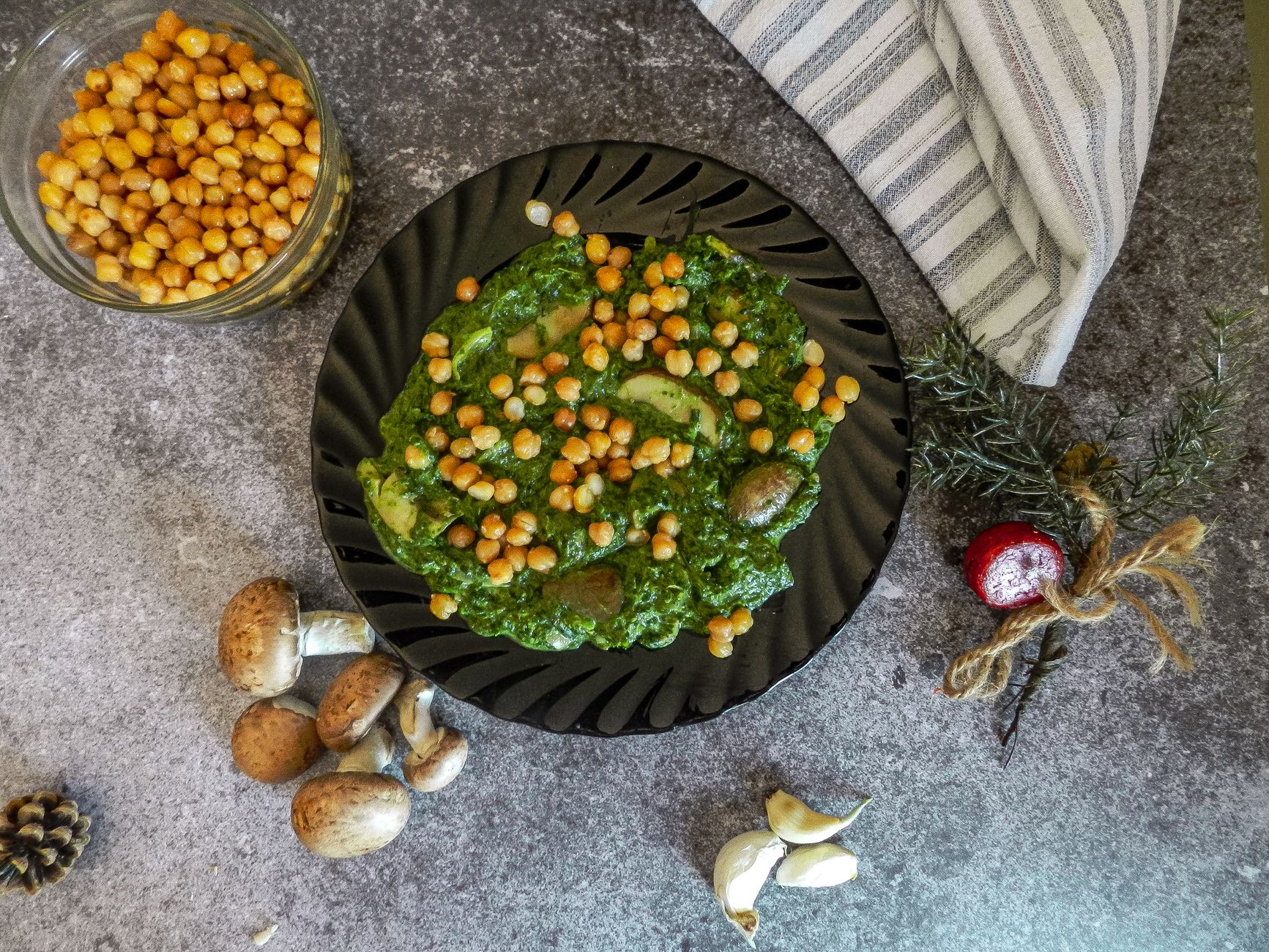
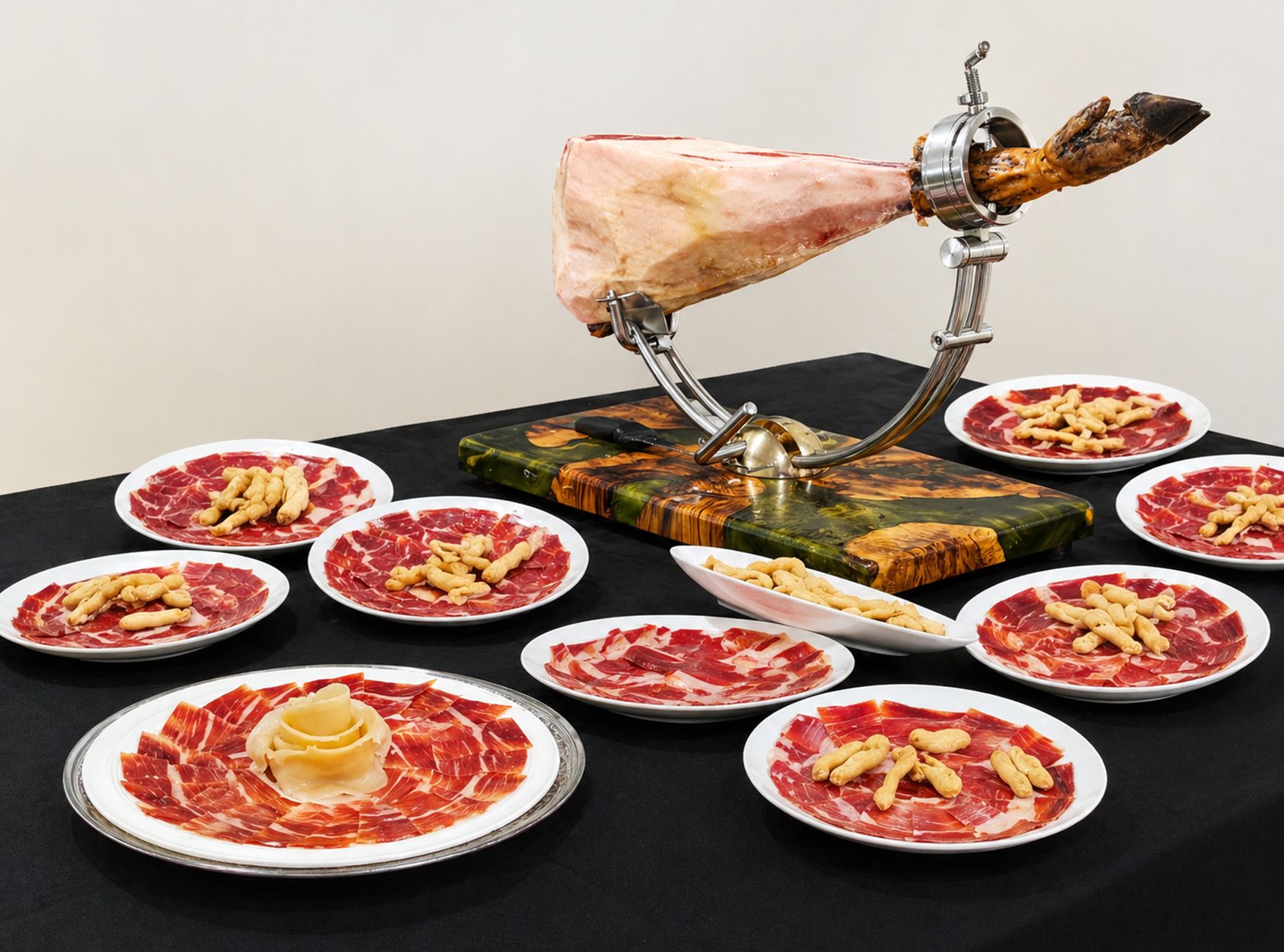
Torrijas dominate the bakeries during the week, made of bread soaked in honey, milk, or wine, then fried and dusted with cinnamon. These traditional sweets provide sustained energy for the crowds watching the processions. For savory options, espinacas con garbanzos, a stew of spinach and chickpeas seasoned with cumin and fried bread, traces its origins to the deep history of the city. To drink, manzanilla sherry from the coastal town of Sanlúcar de Barrameda provides a pale, dry pairing for the salt-cured jamón ibérico served in taverns throughout the narrow streets as the processions pass.
Andalusia: the whole region
The Spain most first-time visitors are picturing: the Alhambra, orange trees, sherry, and a coastline that runs from windsurfing water to resort sprawl. It is also the region people most often ruin by underestimating it. Seville and…
Minimum 5 days · better 8–10 days · deep 2 weeks
Pair It With

In Andalusia







In Andalusia


In Andalusia













Linked from elsewhere
Entries that name this place in their own nearby lists.
Experiences worth booking ahead
Spain Field Guide may earn a commission when you book through selected links. Recommendations are editorial and independent of commission.
Ready to build Semana Santa de Sevilla into a trip?
You've found a place worth going. When you're ready to turn discovery into an itinerary, Travel Itinerary Co picks up where the Field Guide leaves off — with your saved places already in hand.
Build this into a tripContinues on Travel Itinerary Co
Spain Field Guide may earn a commission when you book through selected links. Recommendations are editorial and independent of commission.