Playa de Mónsul

Worth the detour for the volcanic rock alone, but don't expect it to yourself.
Black volcanic outcrops split the sand in two, and the water is some of the clearest on this coast — it's also where Indiana Jones and Lawrence of Arabia were filmed.
At a Glance
- — you want isolation
- — midsummer weekends
- — you dislike crowds near rocks
Dark volcanic rock splits this beach into separate pockets of sand, and the water stays clearer here than at most of the Cabo de Gata coast — reason enough that it shows up in Lawrence of Arabia and the Indiana Jones films, and reason enough that it's rarely empty. It's a short drive from Playa de los Genoveses, and pairing the two makes a reasonable half-day loop within the natural park. Go early, before 10am, if you want the rock formations without a crowd scrambling over them; midsummer weekends bring day-trippers from Almería and the beach fills fast given its size. There's no real shade and limited parking, so this works better as a stop than a full beach day. Swimmers get genuinely clear water; sunbathers wanting soft, wide sand should look elsewhere on this coast.
How it got here
Volcanic activity shaped this coast long before human settlement. The Cabo de Gata region served as a defensive frontier for the Kingdom of Granada until the Reconquista in the fifteenth century. Coastal watchtowers were erected throughout the province to guard against Berber pirate raids from North Africa. Today these geological formations remain protected under the status of a natural park, which restricts modern development. This lack of permanent infrastructure keeps the landscape close to its historic appearance as a rugged and sparsely populated maritime borderland. The physical isolation of the beach today stems directly from these historical land use policies that prioritized environmental preservation over tourism expansion.
Where it sits
Deep lava flows created the jagged dark rock formations that define this shoreline. The coast lacks the soft dunes found further west and instead provides small sand pockets bordered by basalt cliffs. Winter winds from the Mediterranean scour the beach, while summer heat drives crowds from Almería to the water. Access follows a narrow road that winds through volcanic plains covered in hardy scrub and esparto grass. The lack of public facilities and shade makes the beach a brief stop rather than a place to linger as the sun climbs high during the afternoon months.
What to eat and drink
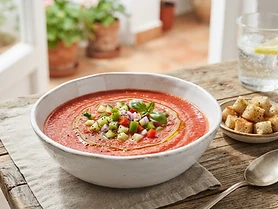
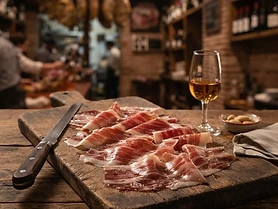
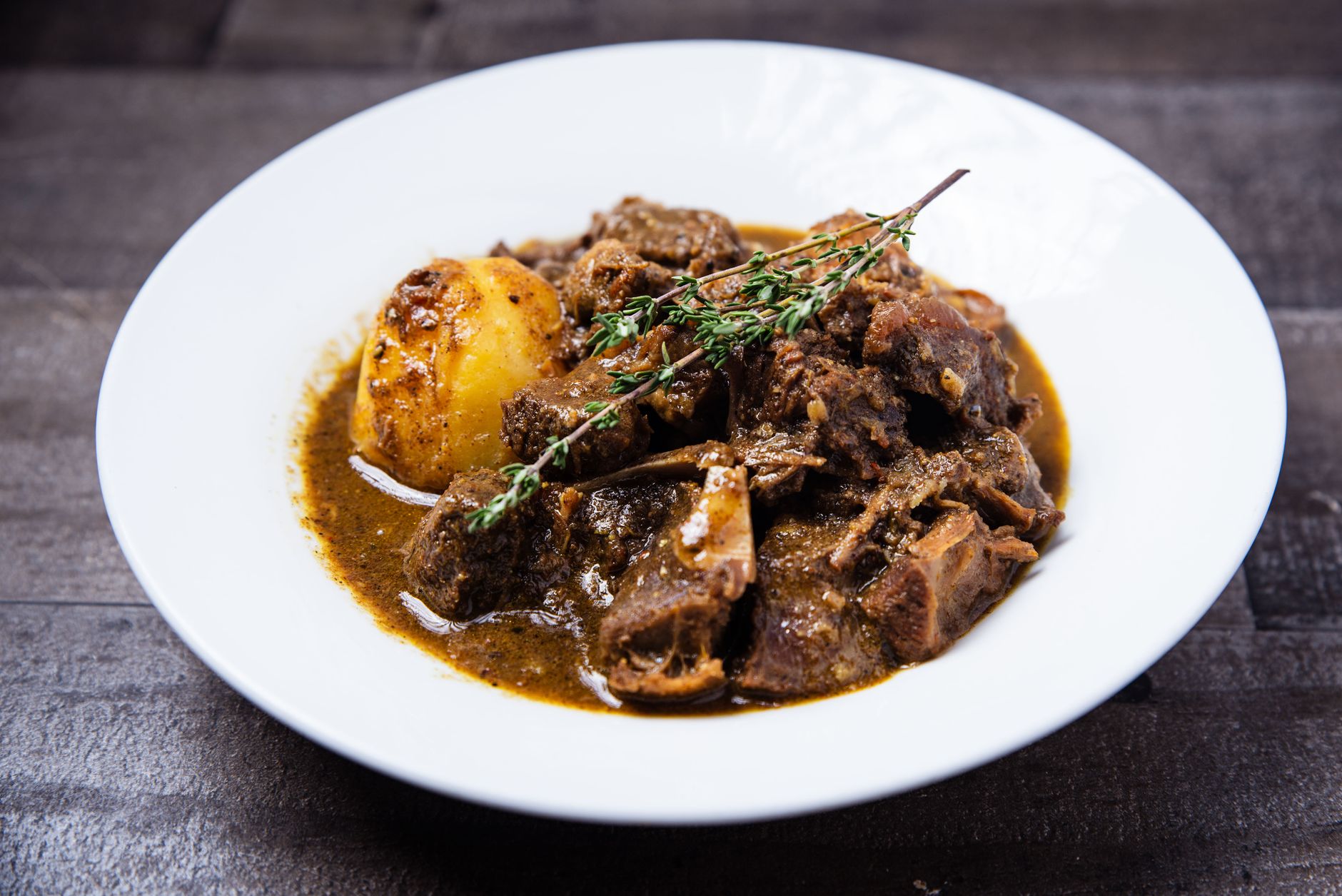
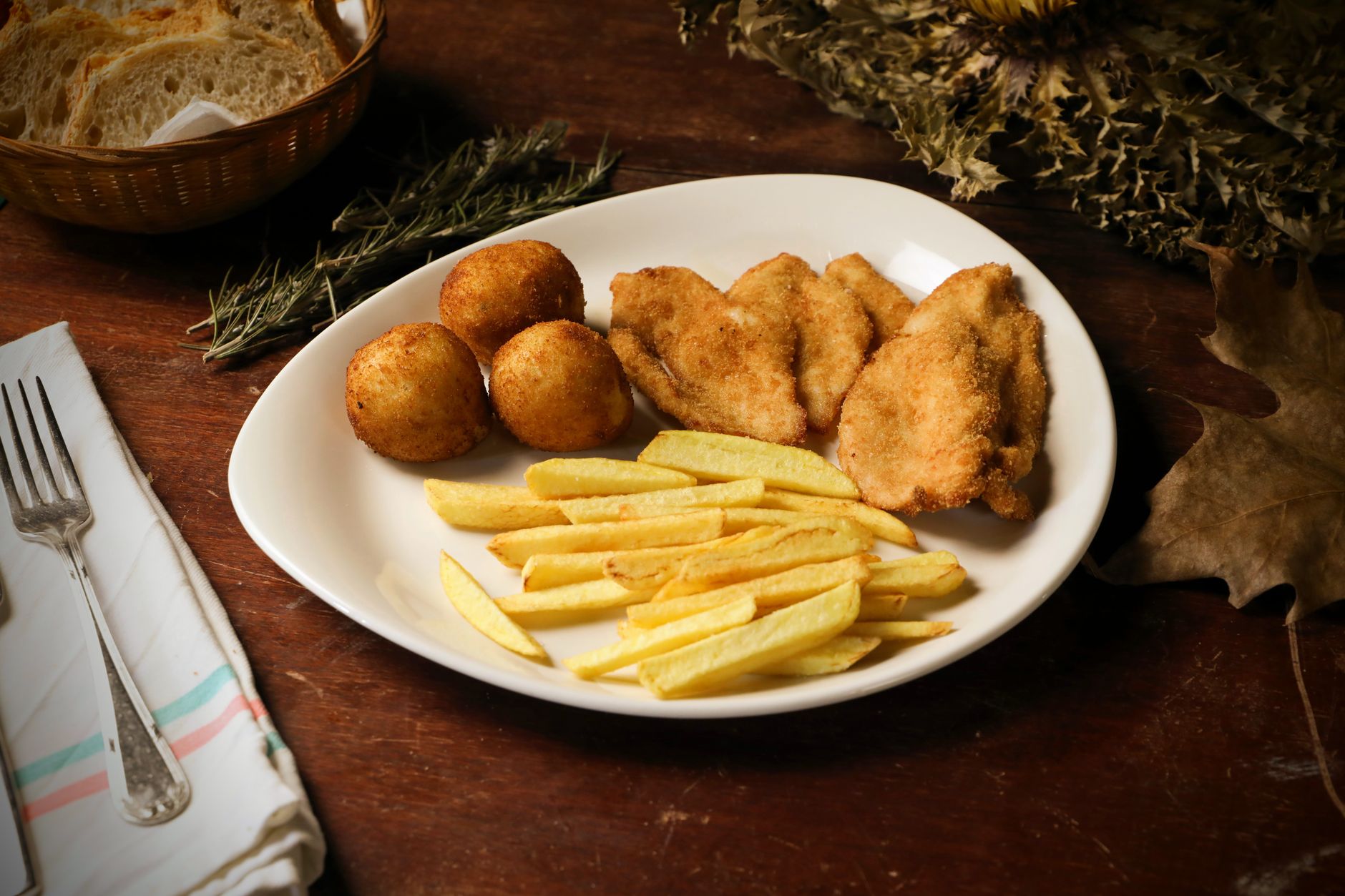
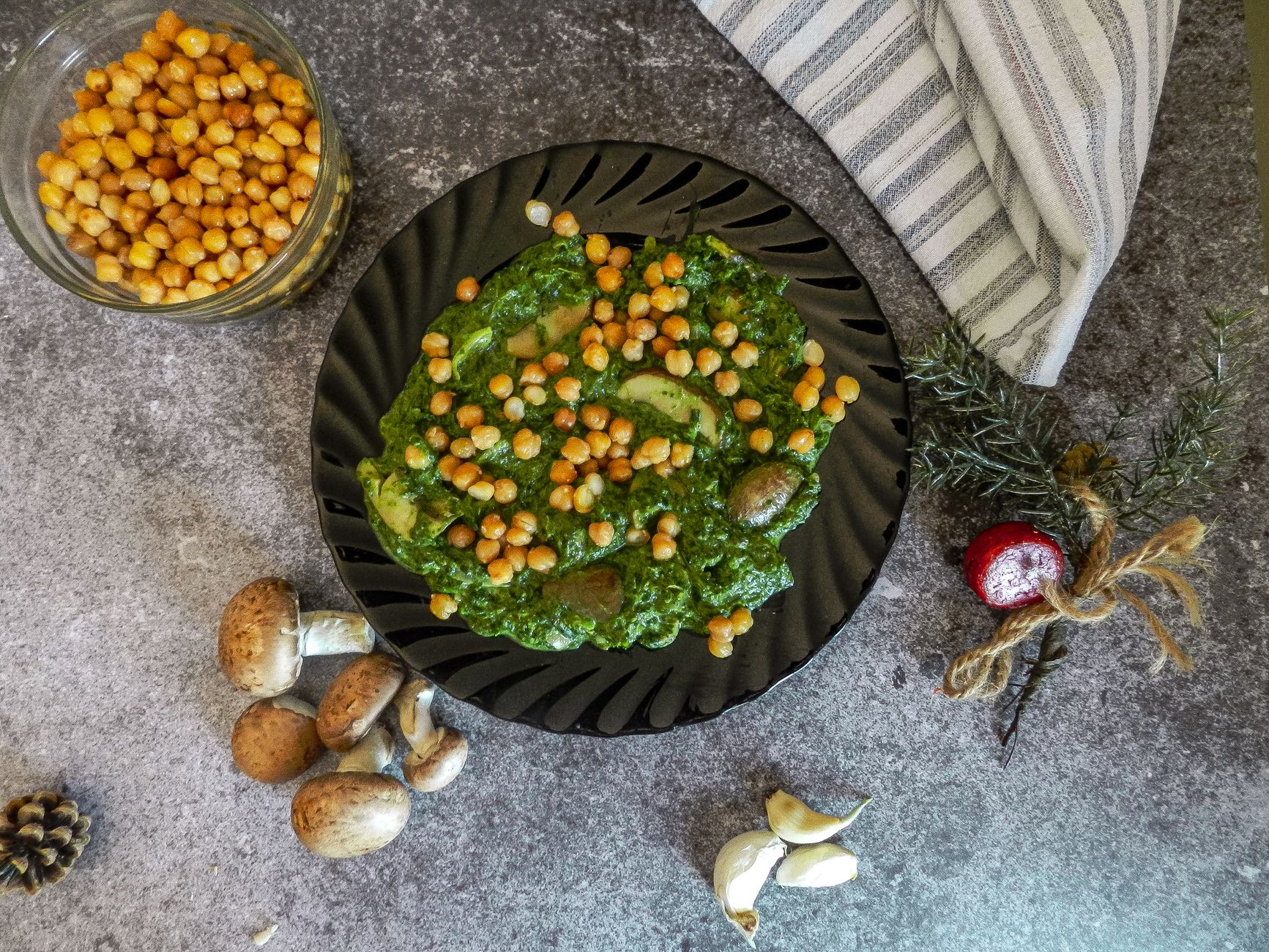
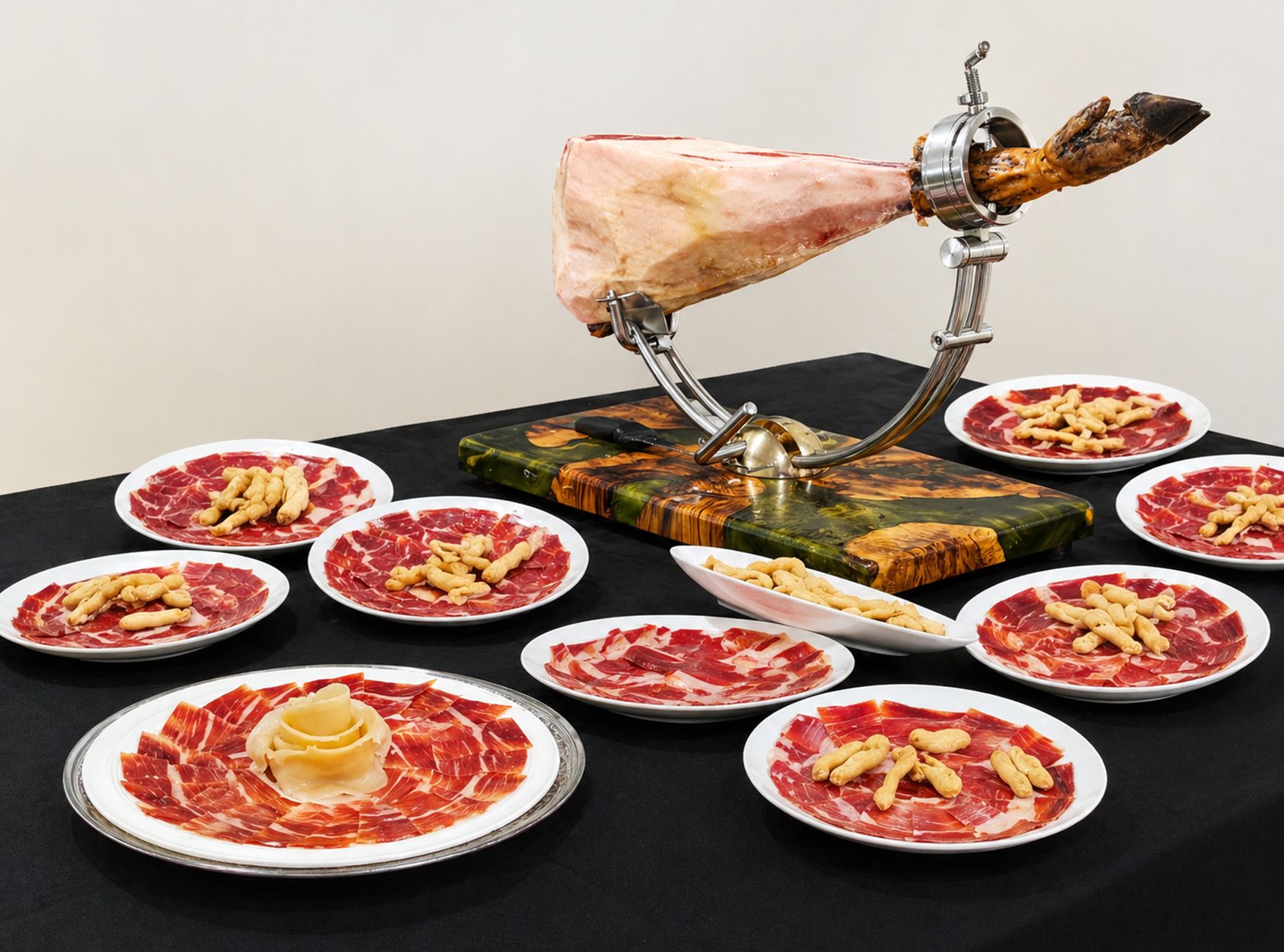
Coastal Almería relies on the catch of the day pulled from the Alboran Sea. A typical meal centers on pescado a la sal, where whole white fish arrive encrusted in sea salt and baked until moist. Gurullos con conejo provides a traditional inland contrast, consisting of small handmade flour pasta simmered with rabbit and saffron. Tapas here often include chérigan, a slice of toasted bread topped with aioli and cured fish or ham. For a drink, locals pour Almería wines produced from vines grown in the arid volcanic soils, often paired with the region's intense, sun-dried tomatoes.
Andalusia: the whole region
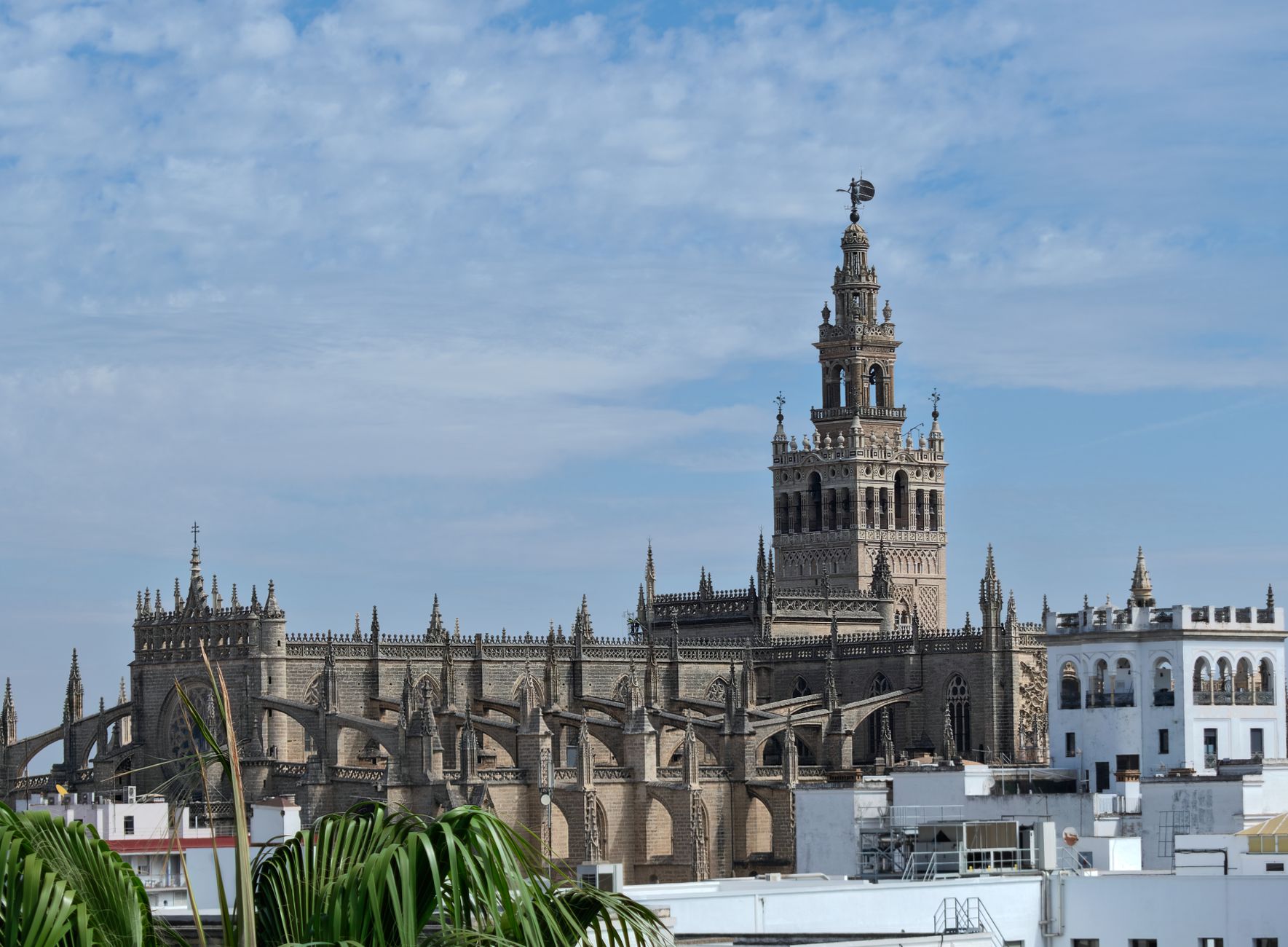
The Spain most first-time visitors are picturing: the Alhambra, orange trees, sherry, and a coastline that runs from windsurfing water to resort sprawl. It is also the region people most often ruin by underestimating it. Seville and…
Minimum 5 days · better 8–10 days · deep 2 weeks


In Andalusia






In Andalusia


In Andalusia













Logistics are verified only. We don't publish schedules we haven't confirmed.
Appears In
Ready to build Playa de Mónsul into a trip?
You've found a place worth going. When you're ready to turn discovery into an itinerary, Travel Itinerary Co picks up where the Field Guide leaves off — with your saved places already in hand.
Build this into a tripContinues on Travel Itinerary Co
Spain Field Guide may earn a commission when you book through selected links. Recommendations are editorial and independent of commission.