Gata
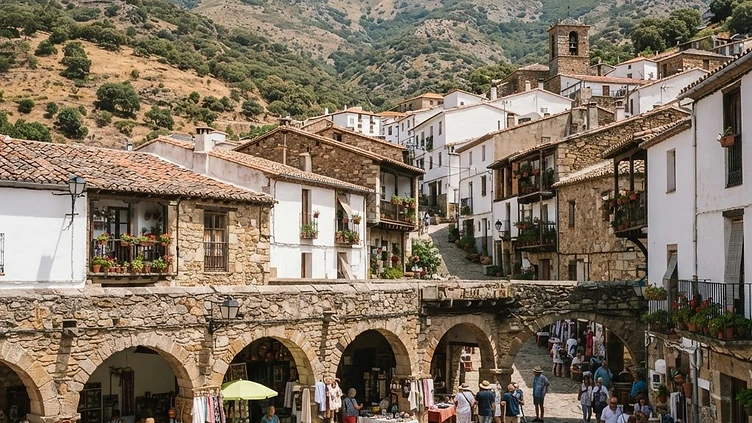
A stop of an hour, or an overnight if you want a real bed and a bar.
The sierra's everyday town, and the best place to shop for what it produces.
At a Glance
Gata is the administrative centre of the sierra and the only settlement in it with a proper, ordinary life: a market, a health centre, shops, and a plaza with bars where people actually sit in the evening. It is not picturesque in the way San Martín is, and that is exactly why it is worth half a day — this is what the Sierra de Gata looks like when it is not being photographed. The church and a few noble houses are worth a look, and it is the best place to buy the local goat cheese and olive oil.
How it got here
The history of the Sierra de Gata flows from the shifting borders between the Kingdom of León and the Almohad Caliphate during the Reconquista. After the consolidation of the border, the area came under the control of military orders such as the Order of Alcántara. These groups governed through the repartimiento system, dividing the land among settlers to secure the frontier. The architecture seen in the village today relies on these medieval foundations, as the concentration of resources in administrative hubs supported the granite churches and noble houses that distinguish this village from the more isolated settlements scattered along the mountain slopes.
Where it sits
The village sits at the heart of a broken, steep landscape where moisture from the Atlantic brings heavy rains and dense oak forests to the northern slopes. Unlike the limestone crags found elsewhere in Cáceres, the terrain here is defined by acidic granite soils that support vast groves of olive trees. The roads follow the logic of the river valleys, winding through tight canyons to connect the village with the surrounding hamlets. Summer heat arrives slowly as the elevation provides a cooling effect, while winter mists turn the sierra into a quiet, grey corridor.
What to eat and drink
The produce centers on the fat of the land, specifically the local olive oil pressed from the Manzanilla Cacereña olive. Goat cheese, pressed and cured by families using traditional techniques, appears on every table. For substantial meals, cooks prepare caldereta de cabrito, a stew of young goat simmered with garlic, bay leaves, and wine. The region also relies on pimentón de la Vera to season pulses and dried meats. To finish, one drinks the local wines produced in small bodegas that utilize the hardy grape varieties historically planted on the rocky terraces of the Gata mountains.
Extremadura: the whole region
The emptiest region in Spain, and the one where the scale of the country is clearest: dehesa plains running to the horizon in every direction, hilltop towns built from the stone under them, and the best Roman remains in the country at…
Minimum 4 days · better 7-8 days · deep 12 days
In Extremadura


In Extremadura


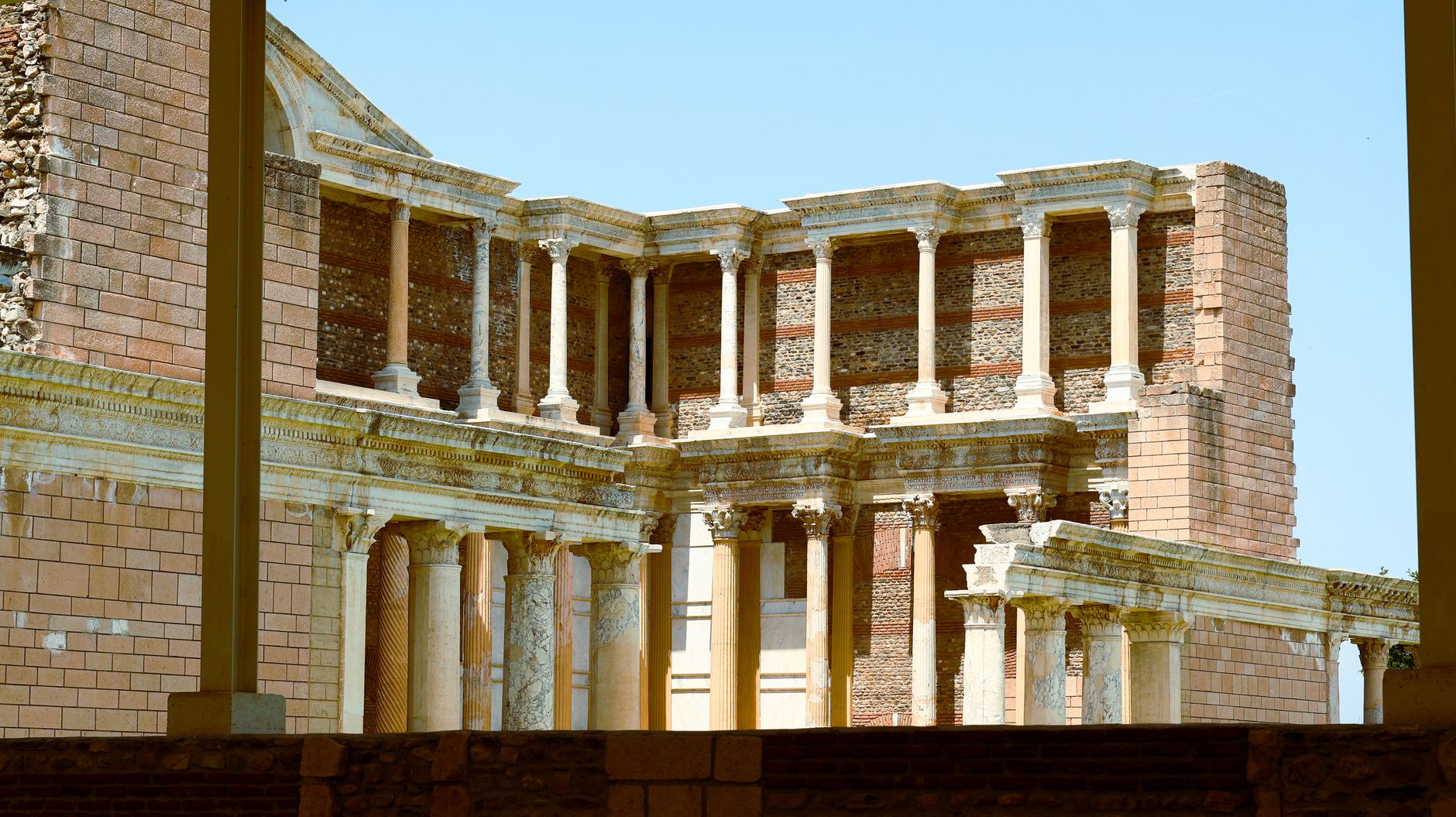



Other Quick Stop in Extremadura


Logistics are verified only. We don't publish schedules we haven't confirmed.
Experiences worth booking ahead
- Cabo de Gata Active. Guided kayak and snorkel route through coves of the Natural Park4.9 (1,722)3 hrsFrom €45
- Jurassic Canyon The OG Costa Rica Waterfall Guided Adventure4.9 (138)5 hrsFrom €55
- Kayak y snorkell. Las mejores calas de Cabo de Gata4.8 (200)3 hrsFrom €39
- La Parguera Boat Tour4.8 (102)3 hrsFrom €73
Spain Field Guide may earn a commission when you book through selected links. Recommendations are editorial and independent of commission.
Ready to build Gata into a trip?
You've found a place worth going. When you're ready to turn discovery into an itinerary, Travel Itinerary Co picks up where the Field Guide leaves off — with your saved places already in hand.
Build this into a tripContinues on Travel Itinerary Co
Spain Field Guide may earn a commission when you book through selected links. Recommendations are editorial and independent of commission.