Garganta de los Infiernos

Worth the walk. Combine it with the cherry villages and give the valley a night.
Cold water in a granite gorge, in a valley that makes its living from cherries.
At a Glance
- — You cannot manage a rough uphill walk
The Garganta de los Infiernos is a protected gorge in the Jerte valley where the river has carved round basins into the granite, known as Los Pilones. Getting there means a walk up through oak and heather, and the reward is water so cold it takes your breath. The valley around it is cherry country: terraces of trees on the slopes, blossom in late March and a harvest in June that empties the villages into the orchards. Access is managed in high summer, so check locally before setting out, and do not expect to be alone in August.
How it got here
The Jerte valley served as a transit corridor between the Meseta and the Extremaduran plains for centuries. Roman engineers pushed roads through the pass to link the Tagus valley with the northern plateaus. During the Reconquista, control of these mountain passes shifted between the Order of Santiago and the local nobility, consolidating the borderlands of the Crown of Castile. The valley floor became a site of intensive silviculture under the Mesta system when transhumant shepherds moved their flocks through these heights twice annually. This legacy of managed land use defined the terraced topography that persists today, prioritizing the valley for high-value agriculture rather than industrial expansion.
Where it sits
Granite walls define the landscape, rising sharply from the valley floor to form the high peaks of the Sierra de Gredos. Glacial activity carved the deep basins of the Garganta de los Infiernos, leaving a succession of smoothed rock pools. Wild oak and heather cover the slopes, interrupted only by the meticulously stacked stone walls of the cherry orchards. Snow caps the summits until spring, while late summer sun heats the exposed granite basins. Access requires walking through narrow paths that wind between the trees, drawing visitors into the cool water as the humidity rises in July and August.
What to eat and drink
Cherry production defines the local economy and diet, with the harvest arriving each June. Aside from the fruit, the Jerte valley cuisine relies on the products of the Extremaduran hillside. Caldereta de cabrito, a stew of kid goat slow-cooked with peppers and garlic, provides the main meal for laborers. Jamón ibérico from the dehesa pastures remains the standard appetizer, paired with pimentón de la Vera, the smoked paprika produced nearby. Foraged trout from the mountain rivers appears frequently on village tables, often fried with local ham. A glass of dense, dark red wine from the neighboring Ribera del Guadiana serves as the traditional accompaniment.
Extremadura: the whole region
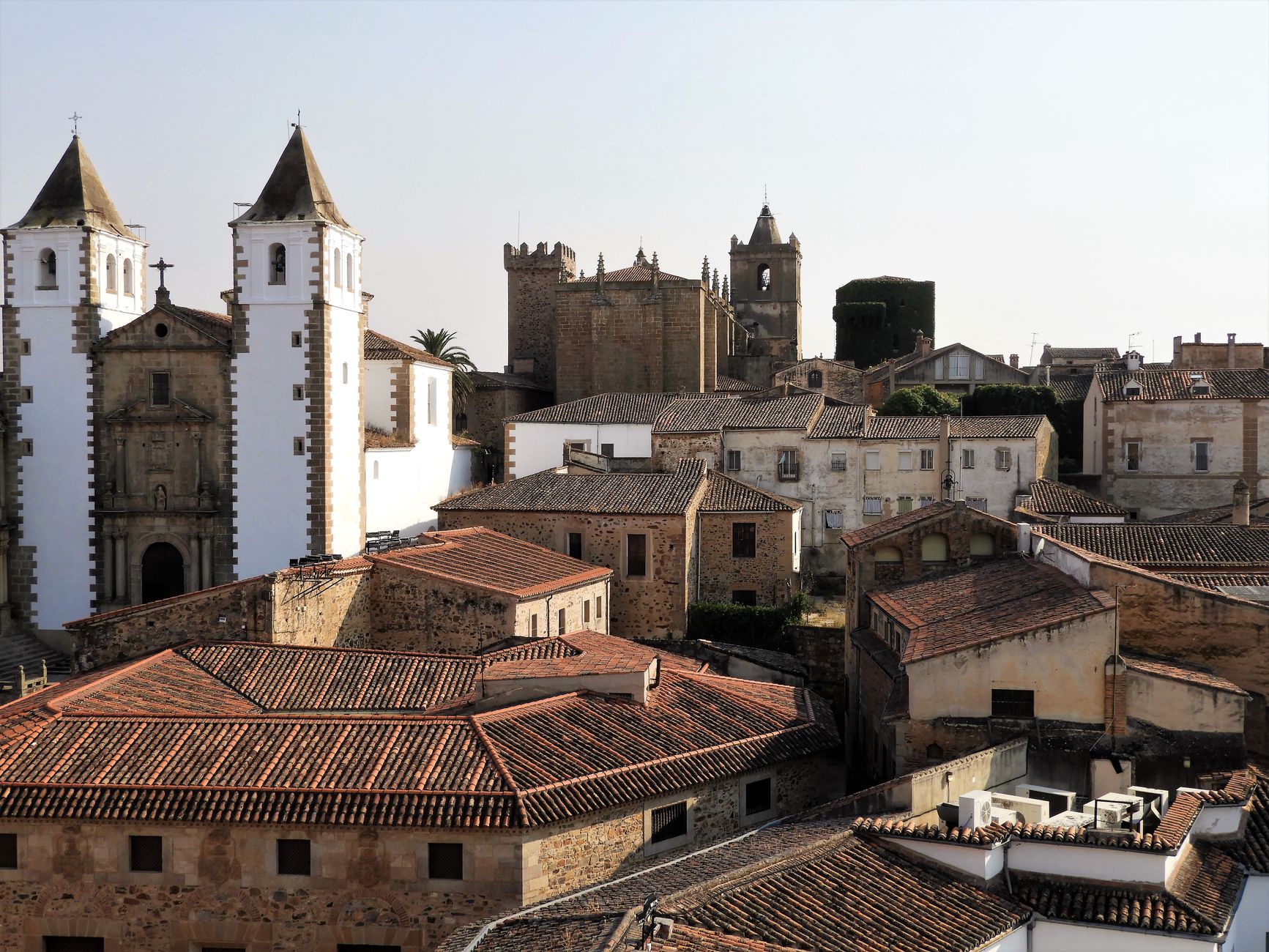
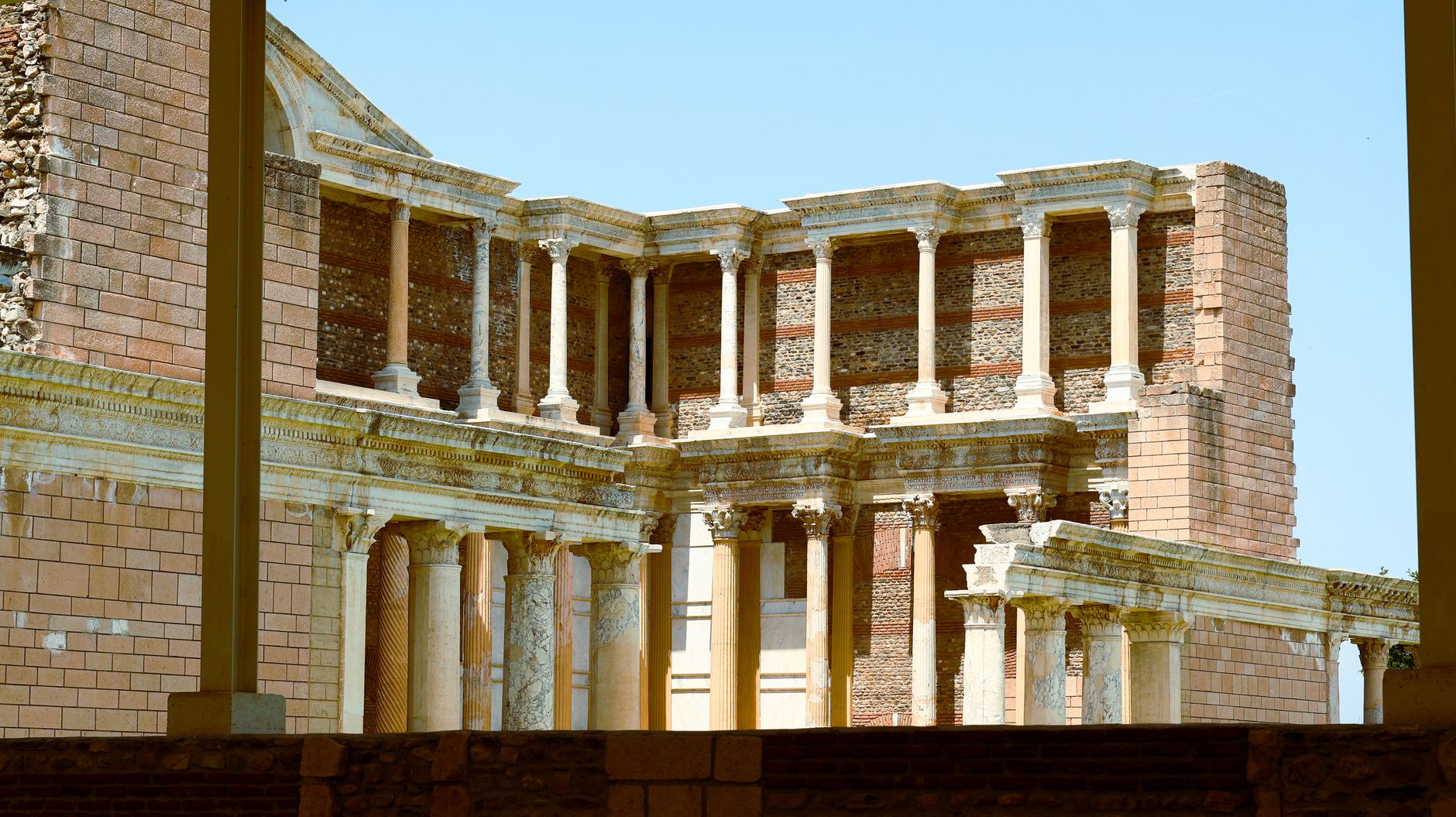
The emptiest region in Spain, and the one where the scale of the country is clearest: dehesa plains running to the horizon in every direction, hilltop towns built from the stone under them, and the best Roman remains in the country at…
Minimum 4 days · better 7-8 days · deep 12 days
In Extremadura


In Extremadura





Logistics are verified only. We don't publish schedules we haven't confirmed.
Appears In
Ready to build Garganta de los Infiernos into a trip?
You've found a place worth going. When you're ready to turn discovery into an itinerary, Travel Itinerary Co picks up where the Field Guide leaves off — with your saved places already in hand.
Build this into a tripContinues on Travel Itinerary Co
Spain Field Guide may earn a commission when you book through selected links. Recommendations are editorial and independent of commission.