Roman Theatre of Mérida
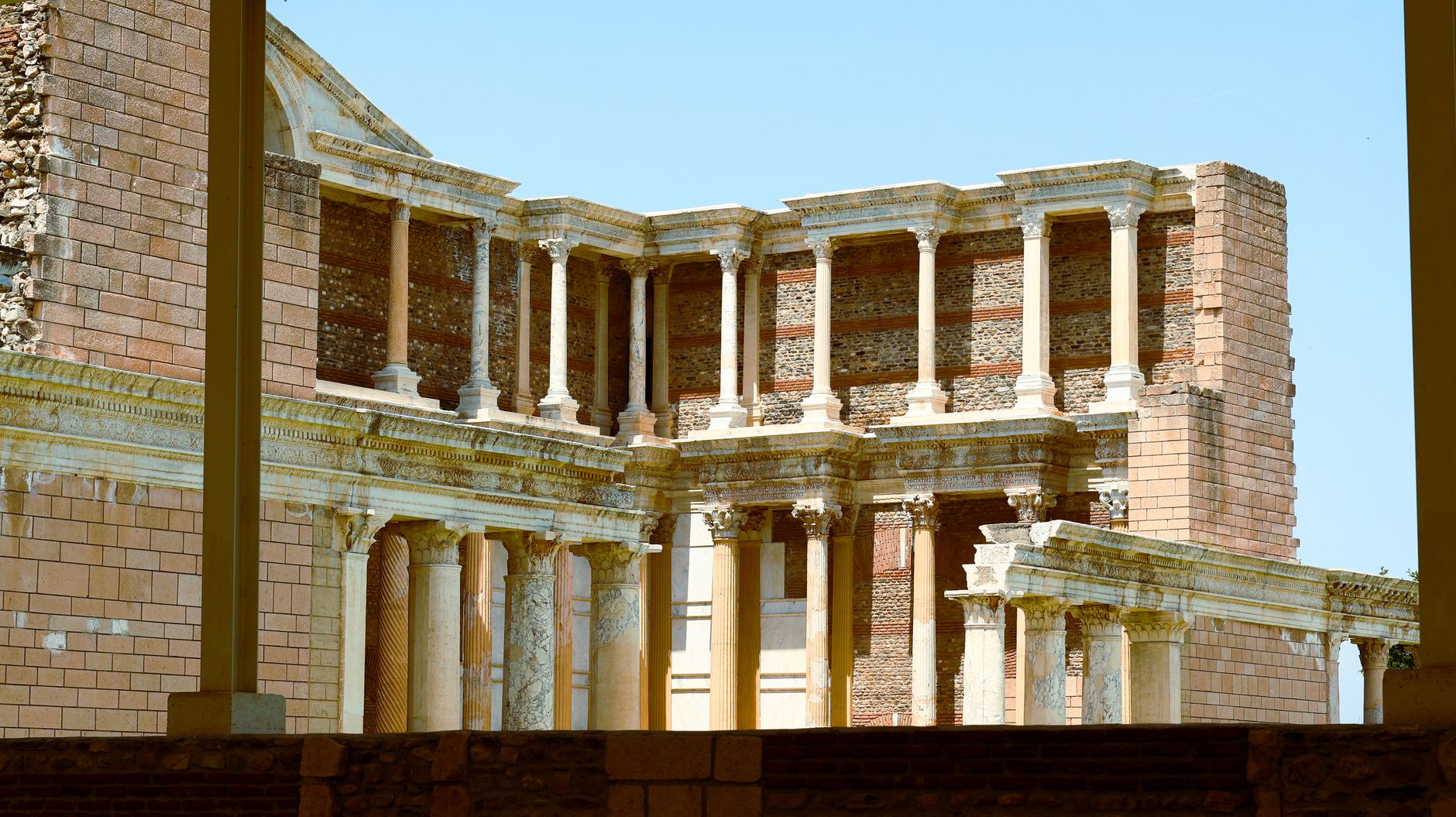
The single best Roman site in the Iberian Peninsula. Buy the combined ticket for six monuments. The theatre still hosts a summer festival.
The best Roman ruins in Spain, in Mérida (Emerita Augusta) — a theatre, amphitheatre, bridge, temple, and circus, all in one city. The UNESCO-listed archaeological ensemble of the Roman west.
At a Glance
- — You're not routing through Extremadura — but you should be
The crown jewel of the Roman world in Iberia, this site contains a remarkably intact theatre and amphitheatre that still host cultural festivals during the summer months. Walking through the stone corridors and standing on the stage where actors performed two millennia ago provides an unparalleled connection to Emerita Augusta. A combined ticket allows you to visit six major monuments, but the theatre itself, with its towering columns and preserved tiered seating, is the unmistakable center of the entire archaeological ensemble.
How it got here
Augustus ordered the establishment of Emerita Augusta in 25 BC for veterans of the Cantabrian Wars. The colony grew into the capital of Lusitania as the Roman administration centralized power over the Iberian Peninsula. Its architecture asserted Roman law and culture across the Guadiana valley. The theatre opened in 16 BC through the patronage of Marcus Agrippa. Decades of neglect followed the decline of imperial control until archaeologists cleared the tiers and columns during the twentieth century. These stone remnants persist as the primary evidence of the administrative and social life that defined the Roman period in western Iberia.
Where it sits
The site dominates the southern edge of Mérida within the arid plains of Extremadura. Hot winds sweep across the treeless, flat terrain during the summer months when temperatures climb well past forty degrees. Low hills and thin scrubland characterize the surrounding landscape leading toward the border of Portugal. The Guadiana river cuts through the city, providing the only major source of water for miles. Visitors traverse these ruins under intense sun, as shade remains rare among the open stone corridors. Spring and autumn bring cool relief and turn the dusty ground into patches of wild green.
What to eat and drink
Cuisine in this province relies on the heavy livestock and agricultural output of the Dehesa. Jamón ibérico de bellota, cured ham from pigs finished on acorns, defines the local diet. Caldereta de cordero, a thick lamb stew braised with garlic, bay leaves, and dried peppers, provides the essential fuel for rural laborers. Torta del Casar, a dense sheep cheese with a soft, bitter center, arrives on the table with crusty bread. For wine, the region produces bold reds from the Ribera del Guadiana, reflecting the concentrated fruit grown in the scorched soil of the river valley.
Extremadura: the whole region
The emptiest region in Spain, and the one where the scale of the country is clearest: dehesa plains running to the horizon in every direction, hilltop towns built from the stone under them, and the best Roman remains in the country at…
Minimum 4 days · better 7-8 days · deep 12 days

Pair It With



In Extremadura


In Extremadura


Linked from elsewhere
Entries that name this place in their own nearby lists.

Logistics are verified only. We don't publish schedules we haven't confirmed.
Appears In
Ready to build Roman Theatre of Mérida into a trip?
You've found a place worth going. When you're ready to turn discovery into an itinerary, Travel Itinerary Co picks up where the Field Guide leaves off — with your saved places already in hand.
Build this into a tripContinues on Travel Itinerary Co
Spain Field Guide may earn a commission when you book through selected links. Recommendations are editorial and independent of commission.