Migas Extremeñas

A shepherd's breakfast. Find it in a Cáceres or Trujillo venta at 10am, with grapes and a glass of pitarra wine.
Extremadura's bread-and-pork fry: stale bread fried in lard with garlic, pimentón, panceta, chorizo and peppers, served with a fried egg or grapes. The dehesa shepherd's dish, richer than the Castilian migas thanks to the lard.
At a Glance
- — You don't eat pork
Shepherds in the Extremaduran dehesa once relied on this rich fry-up to sustain them through long mornings. Stale bread is browned in flavorful pork lard alongside chorizo, panceta, and pimentón, resulting in a savory, crunchy mixture that defies its humble origins. It is standard fare at a roadside venta around ten in the morning; pair the plate with a side of sweet grapes and a glass of local pitarra wine to balance the heavy salt and fat.
How it got here
Transhumance defined the Extremaduran economy for centuries as the Mesta drove Merino sheep through the dehesa between northern winter pastures and southern summer grazing. Shepherds lived on the move for months, carrying bread, pimentón, and dried pork products. Cooking happened over open fires, using whatever stale bread remained in the saddlebag to stretch the ration of fat and meat. This necessity created a meal that provided the high caloric density required for labor in the field. Today, the dish survives as a link to this nomadic past, holding its place in the rural diet even as the seasonal migrations have long ceased.
Where it sits
Extremadura consists of expansive plains, rolling holm oak forests, and scrubland between the Tagus and Guadiana rivers. Summer heat dries the grasses to a pale straw color, while winter rains turn the soil to dark mud. Roads wind through isolated valleys where the village remains the primary focus of life. Traffic stays thin except for occasional agricultural machinery. The landscape dictates a slow pace, as the distance between mountain ridges and low-lying basins requires time to traverse. Sunlight remains harsh during the day, making the midday break a necessity for anyone working the land.
What to eat and drink
Migas extremeñas centers on stale bread soaked in water and browned in pork fat with garlic, chorizo, and bits of panceta. The heavy salt and lard require the contrast of fresh grapes or orange segments to cut through the grease. Drink the plate with pitarra wine, the rustic, unrefined fermented grape juice traditionally made in small batches in clay vessels. These wines carry a sharp acidity that cleans the palate after the bread. The meal belongs to the breakfast hour when the body requires fuel for the day ahead.
Extremadura: the whole region
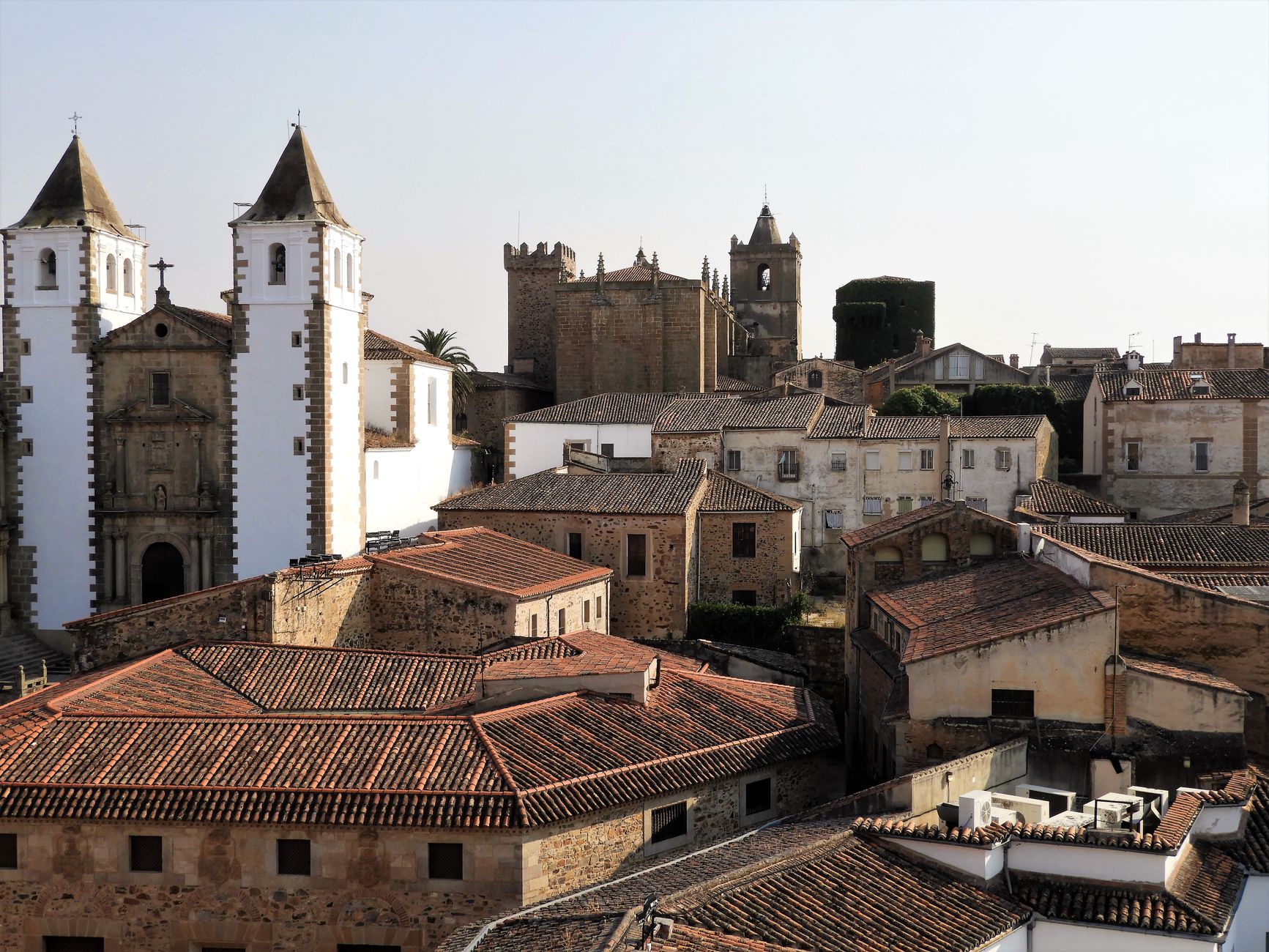
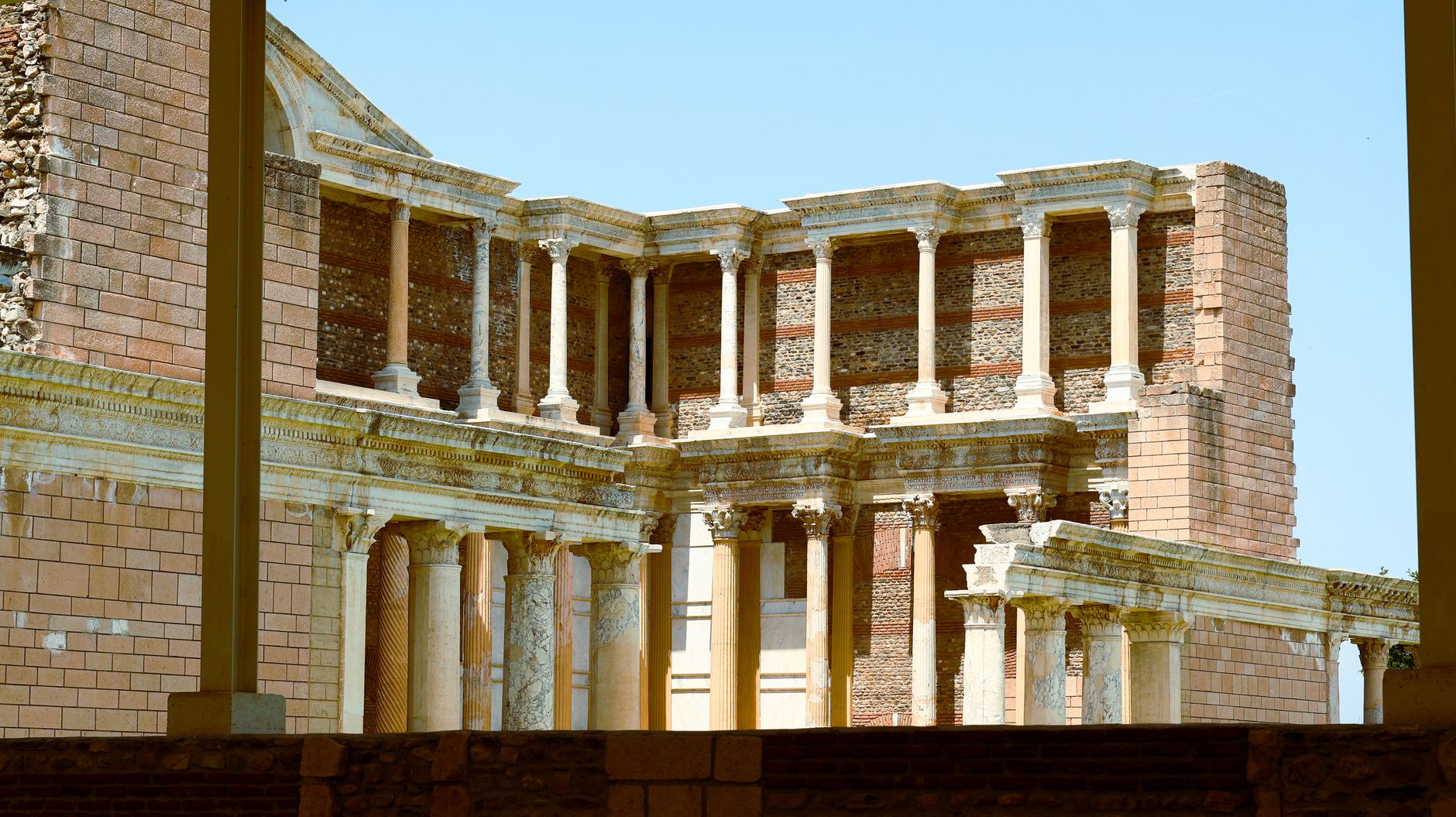
The emptiest region in Spain, and the one where the scale of the country is clearest: dehesa plains running to the horizon in every direction, hilltop towns built from the stone under them, and the best Roman remains in the country at…
Minimum 4 days · better 7-8 days · deep 12 days
What's Nearby


Pair It With
In Extremadura


In Extremadura





Logistics are verified only. We don't publish schedules we haven't confirmed.
Ready to build Migas Extremeñas into a trip?
You've found a place worth going. When you're ready to turn discovery into an itinerary, Travel Itinerary Co picks up where the Field Guide leaves off — with your saved places already in hand.
Build this into a tripContinues on Travel Itinerary Co
Spain Field Guide may earn a commission when you book through selected links. Recommendations are editorial and independent of commission.