Guadalupe Monastery

The hidden masterpiece of Extremadura. The Mudejar cloister and the camarin (mirrored shrine of the Black Virgin) are the highlights. Stay in the monastery's own hospedería.
A Hieronymite monastery that was the spiritual center of the Spanish Americas — Columbus named an island for it; the conquest was sanctioned from here. A UNESCO site with Zurbarán's finest Mudejar cloister.
At a Glance
- — You're not in the Villuercas mountains
Tucked into the rugged Sierra de las Villuercas, this sanctuary houses a Mudejar cloister of improbable delicacy, its red brickwork and white arches glowing against the mountain air. Step inside the camarin to find the Black Virgin, a small, dark icon surrounded by a heavy, mirrored shrine that feels preserved from the age of the Spanish Americas. Stay overnight in the quiet halls of the hospedería to catch the monastery at dawn, when the chants echo through the stone corridors and the village outside is still shivering in the morning light.
How it got here
Legend tells of a shepherd finding a statue of the Virgin Mary near the Guadalupe river in the thirteenth century, leading to the construction of a chapel that evolved into a royal sanctuary under the patronage of the Castilian kings. The Hieronymite monks established a powerful center of pilgrimage here during the fourteenth century, drawing wealth from the wool trade and royal land grants. The library and the apothecary shelves hold the remnants of centuries spent organizing the spiritual life of a kingdom expanding across the Atlantic, linking the mountain village of Guadalupe to the governance of distant colonies through its monastic authority.
Where it sits
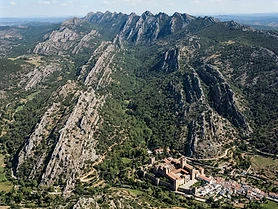
The Sierra de las Villuercas rises abruptly from the scrubland of eastern Extremadura, trapping mountain air in steep valleys and deep limestone gorges. Roads wind through dense forests of holm oak and chestnut to reach the monastery, which anchors the entire village against the slopes. Winter brings frosts that turn the grey stone paths slick, while summer heat concentrates in the valley floor until dusk. The village stays quiet outside of the peak pilgrimage seasons, maintaining a slow pace that feels cut off from the main plains of the province.
What to eat and drink
Cachuela, a rich paste of pork liver and spices, appears on breakfast tables across this part of Extremadura. The local kitchens rely on the produce of the dehesa, focusing on cuts of Iberian pork and the intense flavor of Torta del Casar, a sheep milk cheese with a soft, bitter center. Migas extremeñas, fried breadcrumbs seasoned with pimentón, garlic, and bits of pork, serve as the primary traditional dish. Local red wines from the surrounding vineyards provide a dark, tannic accompaniment to the heavy roasts that define the mountain diet.
Extremadura: the whole region
The emptiest region in Spain, and the one where the scale of the country is clearest: dehesa plains running to the horizon in every direction, hilltop towns built from the stone under them, and the best Roman remains in the country at…
Minimum 4 days · better 7-8 days · deep 12 days

Pair It With

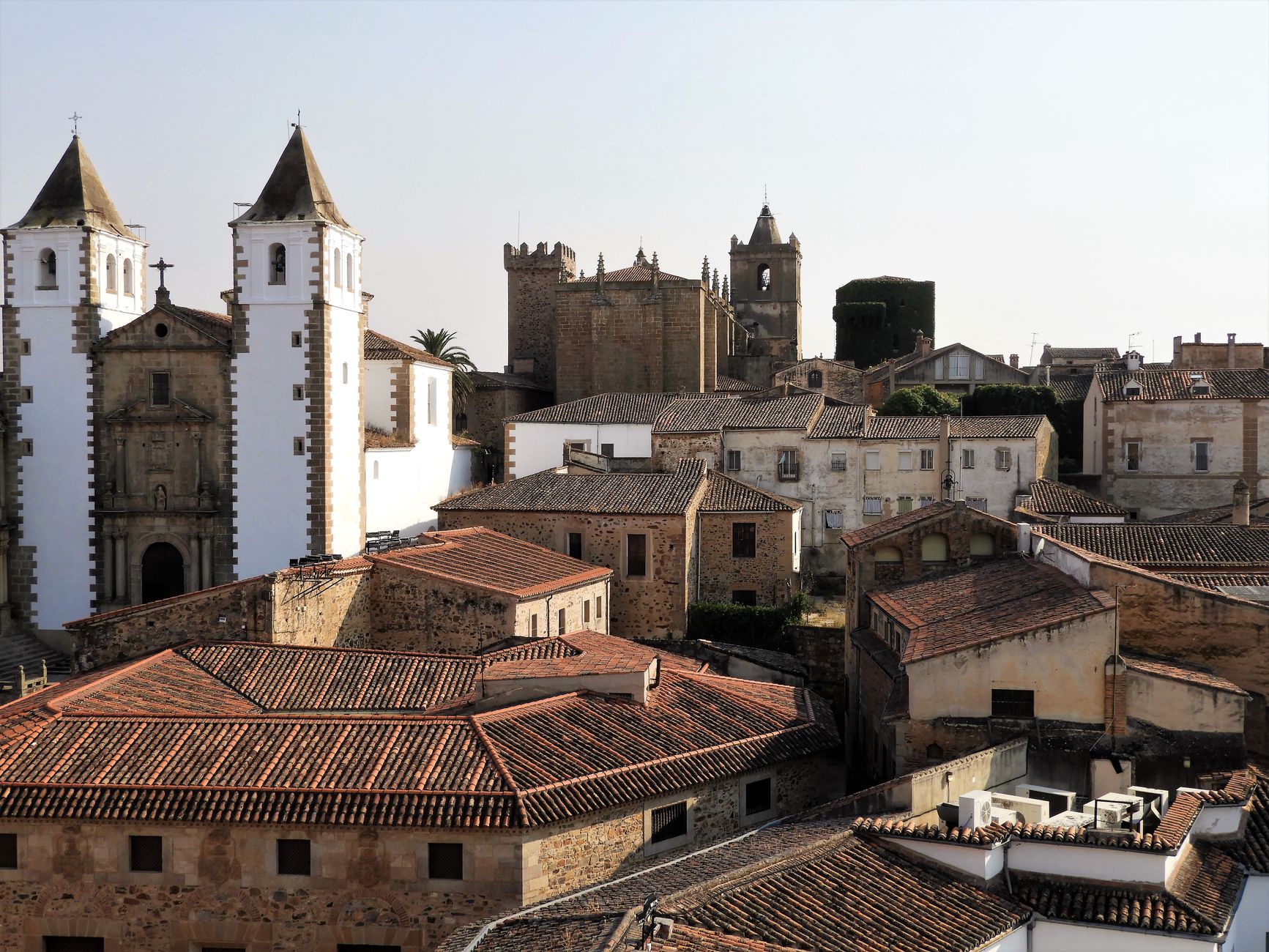
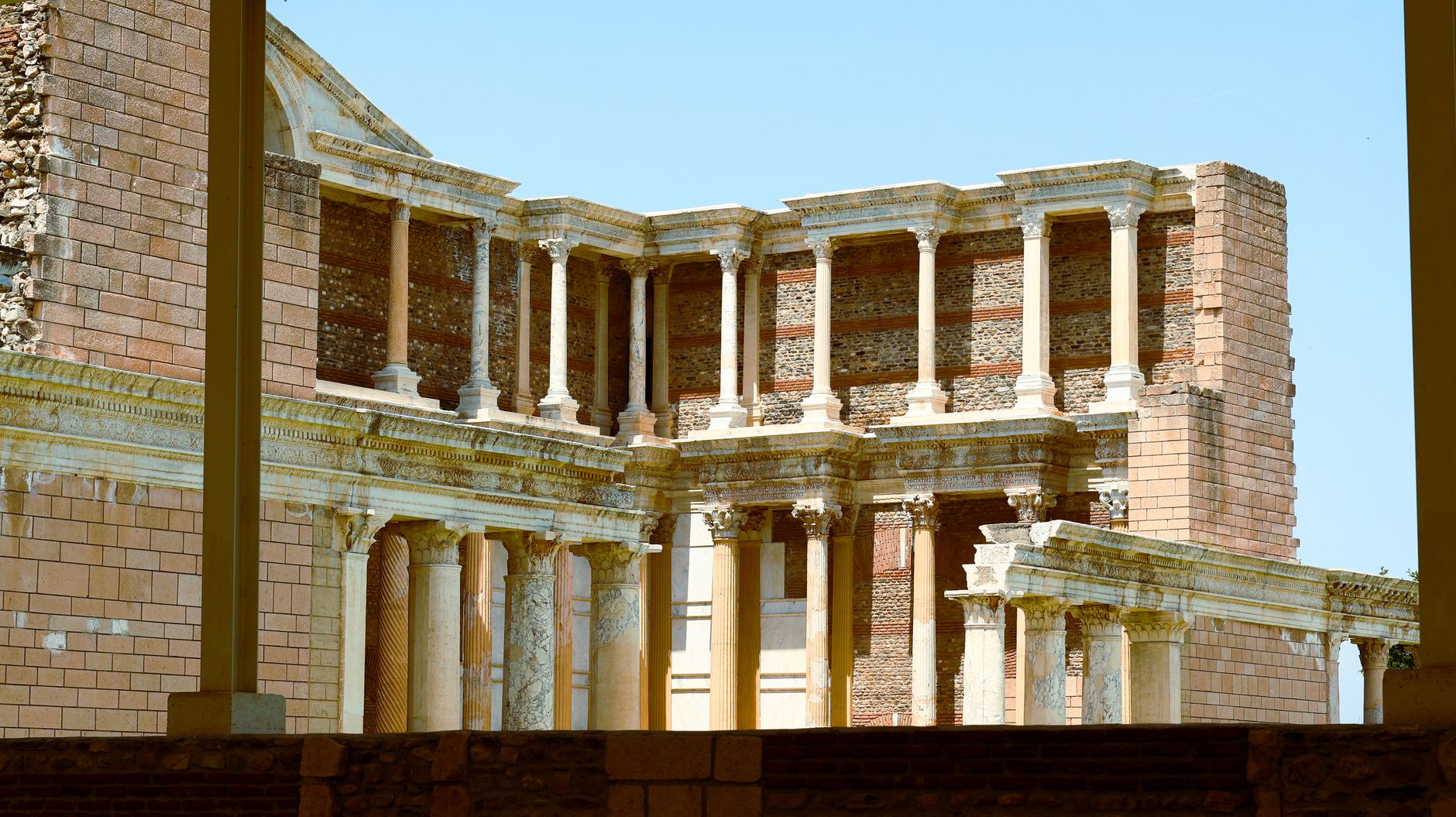

In Extremadura


In Extremadura



Linked from elsewhere
Entries that name this place in their own nearby lists.
Logistics are verified only. We don't publish schedules we haven't confirmed.
Appears In
Ready to build Guadalupe Monastery into a trip?
You've found a place worth going. When you're ready to turn discovery into an itinerary, Travel Itinerary Co picks up where the Field Guide leaves off — with your saved places already in hand.
Build this into a tripContinues on Travel Itinerary Co
Spain Field Guide may earn a commission when you book through selected links. Recommendations are editorial and independent of commission.